

Tutti i monumenti, città per città
I luoghi e i capolavori attorno a cui vale la pena costruire una giornata.
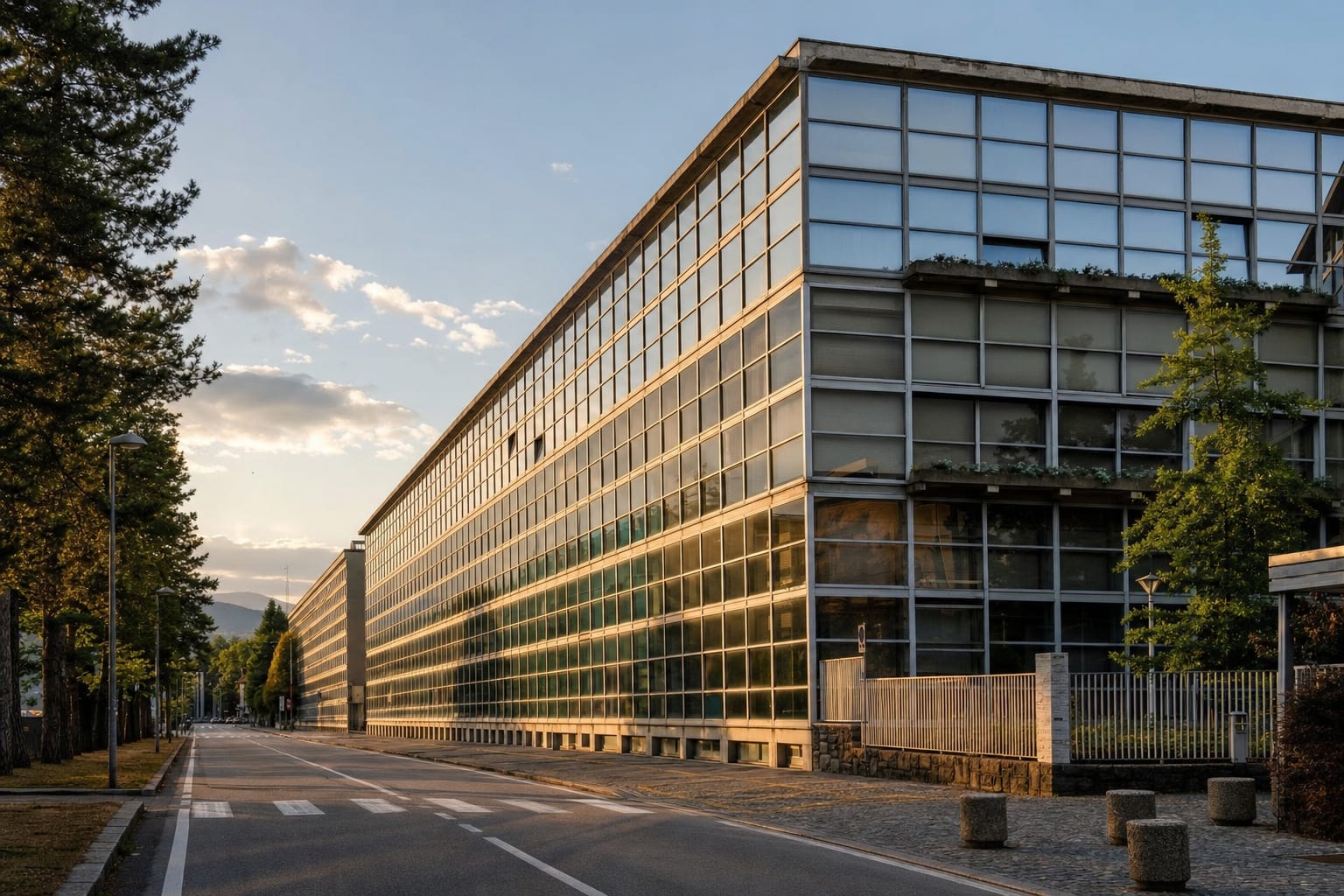 IvreaUNESCOIvrea, città industriale del XX secoloOlivetti's modernist factories, Adriano Olivetti's Movimento Comunità, worker housing and social servicesIvrea, Industrial City of the 20th Century is a UNESCO listed ensemble built by Olivetti, the typewriter and computer manufacturer, as the physical expression of an idea: that architecture, community services and good design could make industrial work humane rather than grinding. Across 27 buildings and complexes spanning the municipalities of Ivrea and Banchette, modernist factories sit alongside nurseries, canteens, a residential district and social services Olivetti funded for its own workers, guided by the utopian social philosophy of Adriano Olivetti's Movimento Comunità. The result reads less like a company town than a built argument about what capitalism owed to the people who made it work. A visitor center in the historic Portineria del Pino gatehouse on Via Jervis, with a free bilingual audioguide and interactive map making the dispersed site legible for a first-time visitor on foot.Pianifica la visita
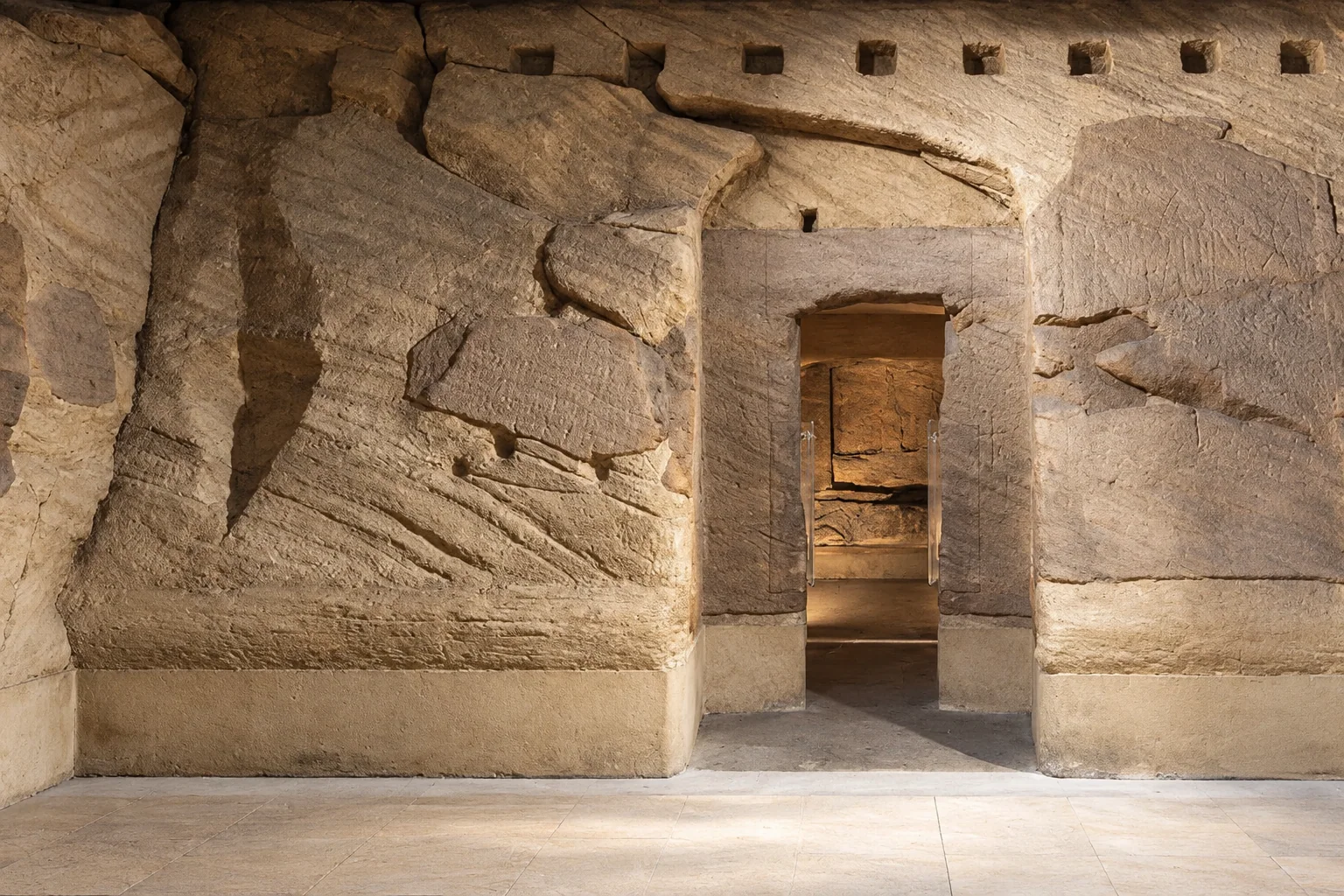 TorinoMuseo EgizioA major Egyptian collection shaped by Drovetti’s 1824 collection, the grave goods of Kha and Merit, the Gallery of the Kings, and the Temple of Ellesiya.Turin’s Museo Egizio began in 1824, when King Carlo Felice acquired Bernardino Drovetti’s collection; it opened to the public in 1832 in the former Collegio dei Nobili. The tomb of Kha and Merit, TT8, remains at Deir el-Medina in Egypt; Gallery 7 displays the objects recovered from it. Ernesto Schiaparelli discovered the tomb intact in 1906. Gallery 7 presents the New Kingdom burial assemblage through 460 objects, from coffins and furniture to textiles, perfume vessels and the board game senet. Kha held the title ‘director of works,’ with responsibility for designing and building royal tombs.
In the Gallery of the Kings, monumental statues of gods and rulers recovered at Karnak stand in an installation that evokes temple space. The Turin King List preserves a damaged sequence of royal names and reign lengths; the painted linen from Gebelein shows boats, figures interpreted as dancing or mourning, and a hippopotamus hunt. The Temple of Ellesiya tells another story: this Nubian rock-cut chapel was donated by Egypt to Italy after the rescue campaign for monuments threatened by the Aswan Dam, cut into 66 blocks, brought to Turin and inaugurated in 1970. Continue exploring the city with our <a href="/en/regions/piedmont/turin">Turin city guide</a>.
TorinoMuseo EgizioA major Egyptian collection shaped by Drovetti’s 1824 collection, the grave goods of Kha and Merit, the Gallery of the Kings, and the Temple of Ellesiya.Turin’s Museo Egizio began in 1824, when King Carlo Felice acquired Bernardino Drovetti’s collection; it opened to the public in 1832 in the former Collegio dei Nobili. The tomb of Kha and Merit, TT8, remains at Deir el-Medina in Egypt; Gallery 7 displays the objects recovered from it. Ernesto Schiaparelli discovered the tomb intact in 1906. Gallery 7 presents the New Kingdom burial assemblage through 460 objects, from coffins and furniture to textiles, perfume vessels and the board game senet. Kha held the title ‘director of works,’ with responsibility for designing and building royal tombs.
In the Gallery of the Kings, monumental statues of gods and rulers recovered at Karnak stand in an installation that evokes temple space. The Turin King List preserves a damaged sequence of royal names and reign lengths; the painted linen from Gebelein shows boats, figures interpreted as dancing or mourning, and a hippopotamus hunt. The Temple of Ellesiya tells another story: this Nubian rock-cut chapel was donated by Egypt to Italy after the rescue campaign for monuments threatened by the Aswan Dam, cut into 66 blocks, brought to Turin and inaugurated in 1970. Continue exploring the city with our <a href="/en/regions/piedmont/turin">Turin city guide</a>.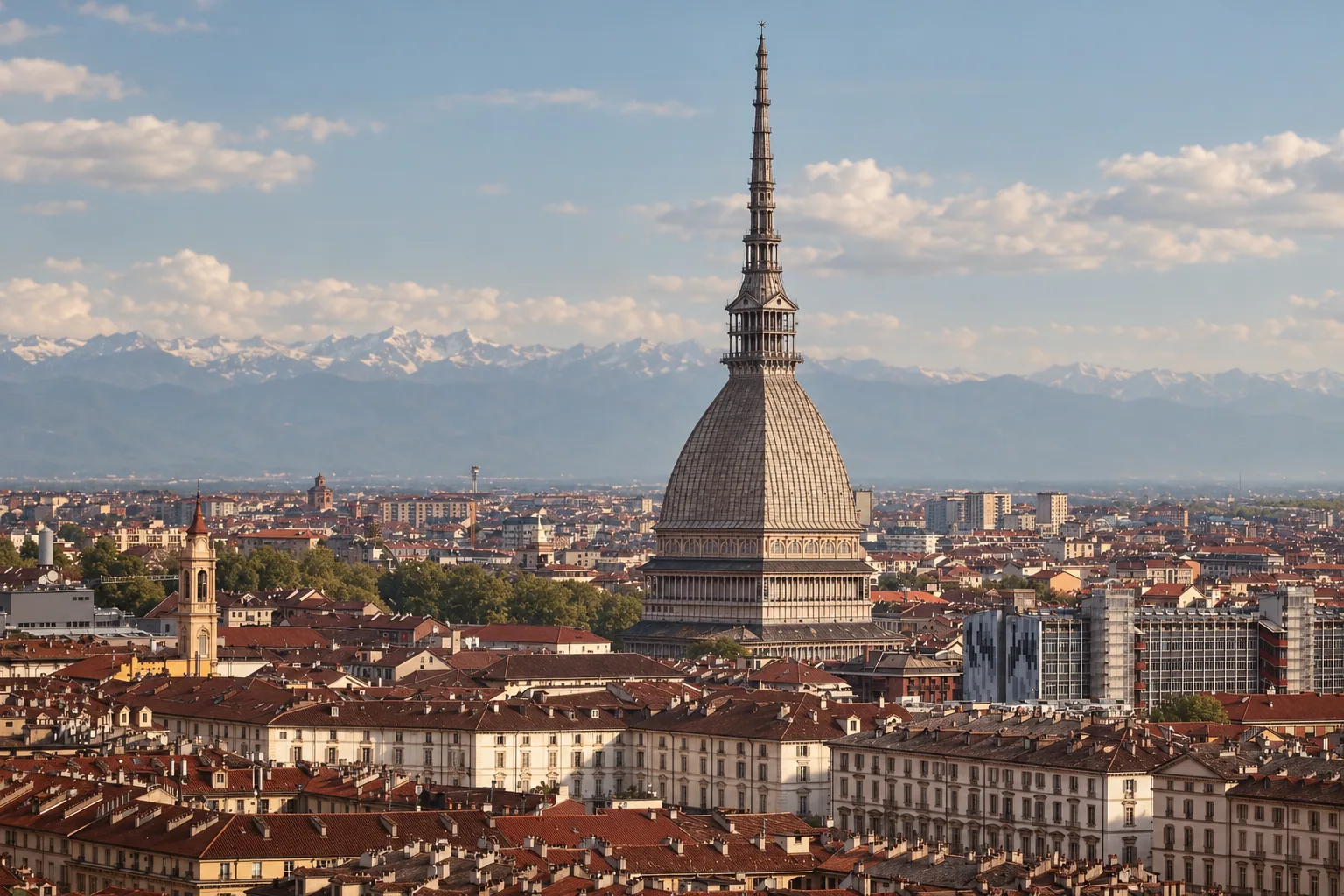 TorinoMole Antonelliana167-meter spire, National Cinema Museum, glass panoramic elevator, unfinished synagogue originsAlessandro Antonelli began the Mole in 1863 as a synagogue for Turin's Jewish community, then kept revising the design upward until the rising cost forced the city to take it over in 1877 and finish it as a civic monument instead. At 167 meters it was, briefly, the tallest masonry building in the world. Since 2000 its cavernous interior has held the National Museum of Cinema, its galleries spiraling around a central void hung with props, posters, and early optical devices. A glass elevator crosses that void in under a minute, opening onto a balcony 85 meters up where Turin's grid of streets gives way, on a clear day, to a full ring of the Alps.
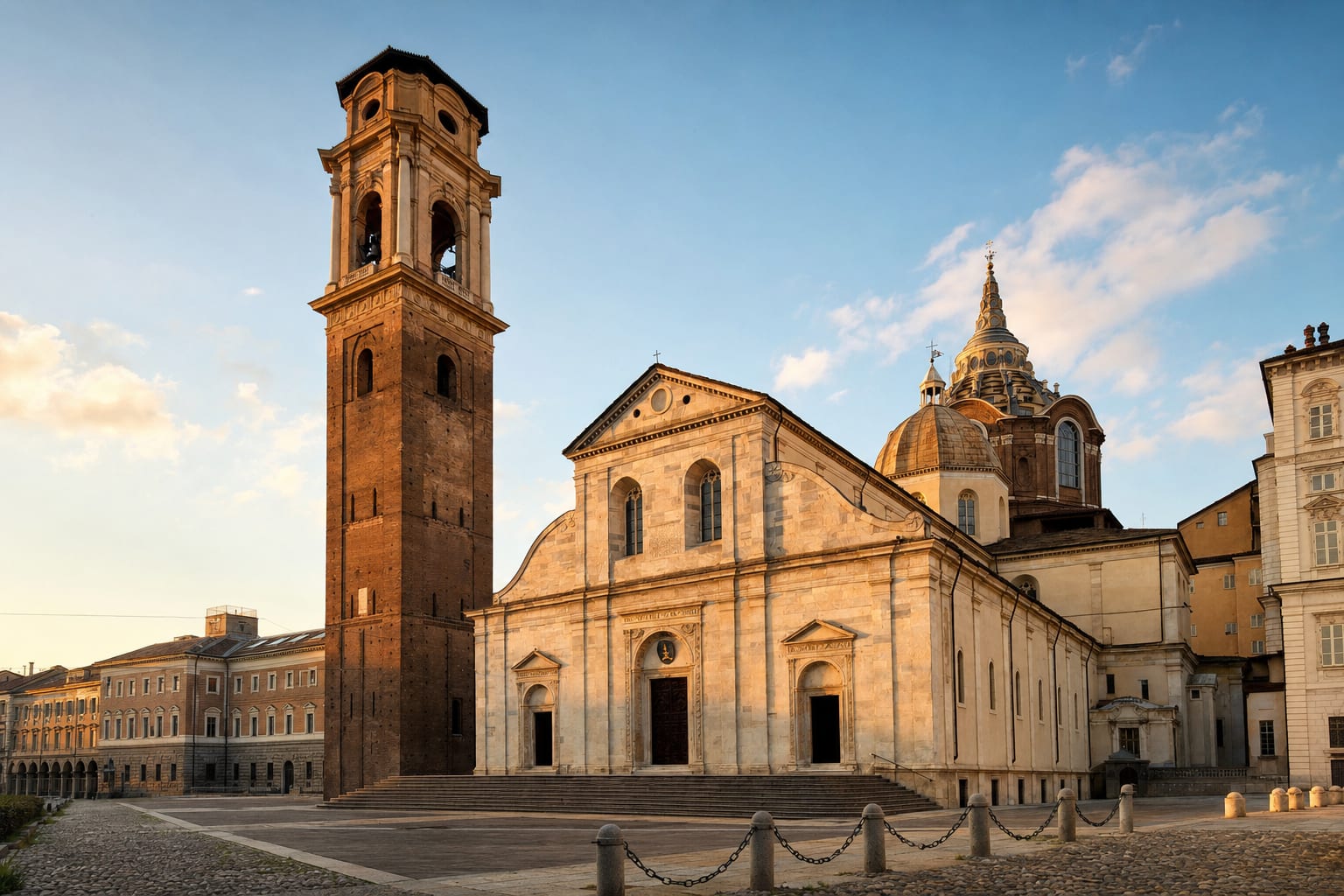 TorinoDuomo di TorinoHome of the Holy Shroud, Guarini's Baroque dome, rare public expositions, Renaissance facadeTurin's cathedral is the city's only Renaissance building, raised between 1491 and 1498 in white marble that looks understated next to Guarino Guarini's soaring Baroque dome, built between 1668 and 1694 to crown the Chapel of the Holy Shroud behind it. The cloth itself, a 14-foot linen some believe wrapped Christ's body, spends nearly all its time locked inside a climate-controlled case that pilgrims view only through glass. A 1997 fire badly damaged the chapel and several artworks. Public expositions, called ostensioni, happen only when the Pope, the Shroud's legal owner, calls for one, most recently in 2015, so most visitors come to pray rather than to see the relic itself.
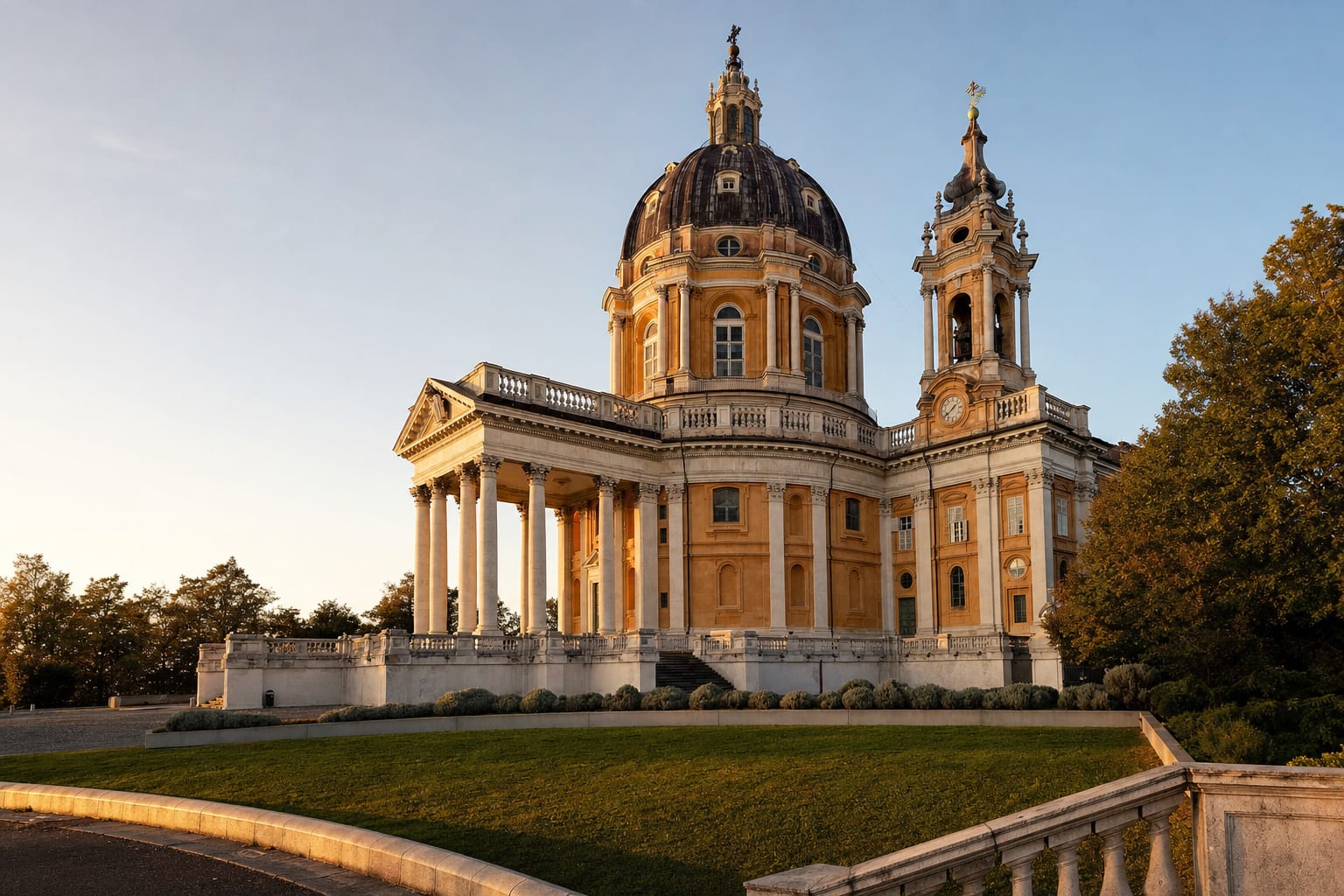 TorinoBasilica di SupergaJuvarra's hilltop dome, Savoy royal tombs, rack tramway ascent, Grande Torino memorialFilippo Juvarra set this domed basilica on Superga's summit between 1717 and 1731 to honor a vow Victor Amadeus II made during the 1706 siege of Turin, promising a shrine to the Virgin if the city held. It held, on September 7, 1706, and Juvarra's dome, echoing Michelangelo's at Saint Peter's, has crowned the hill ever since. The Savoys chose its crypt for their tombs, and dukes, kings of Sardinia, and Italy's own monarchs lie there today. The hill carries a second, darker memory: on May 4, 1949, a plane carrying the Grande Torino football team crashed into the basilica's retaining wall, killing everyone aboard, a disaster still marked every year by fans who climb up to the wall.
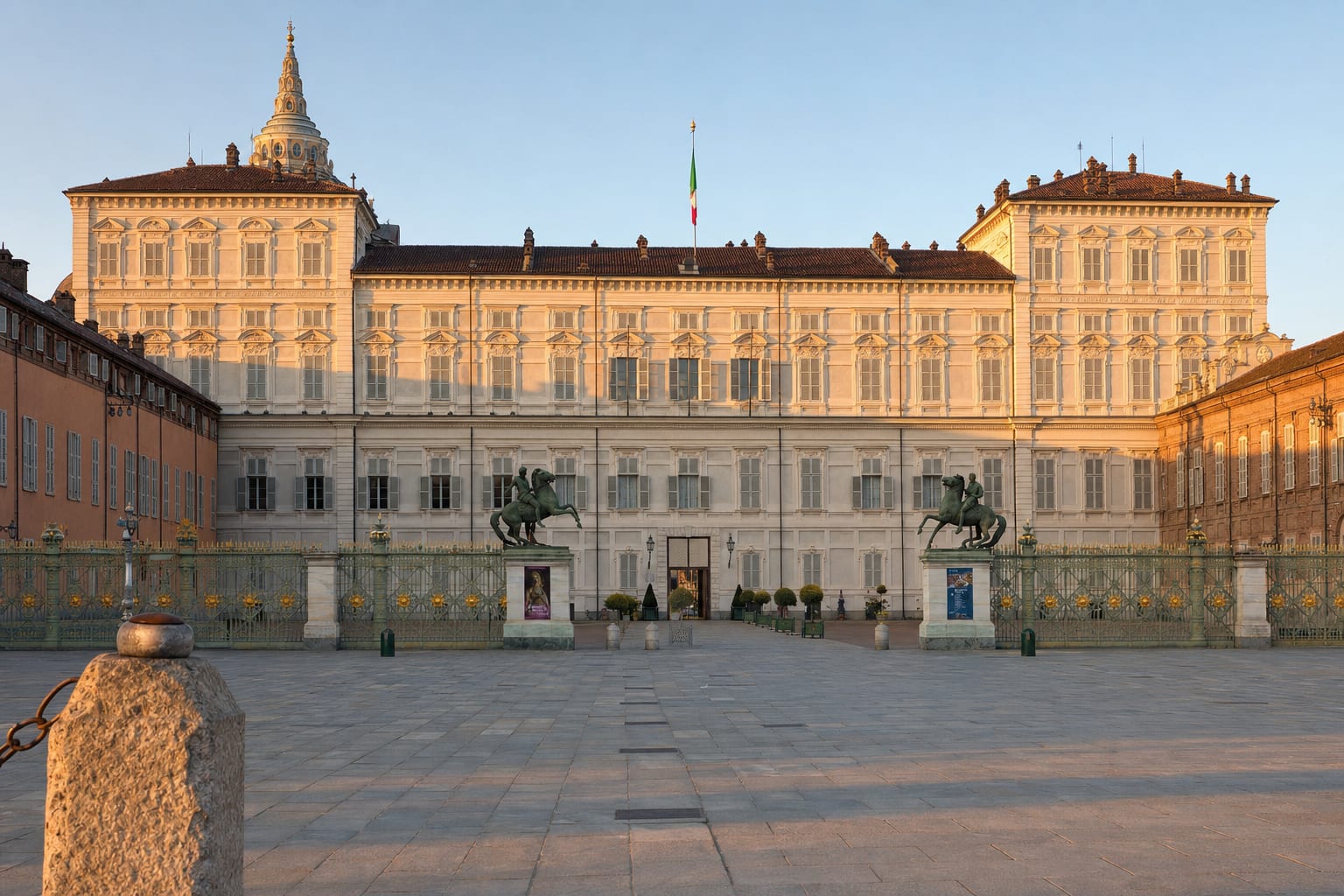 TorinoUNESCOPalazzo Reale di TorinoSavoy royal seat, Royal Armoury, Guarini's Chapel of the Holy Shroud, Giardini RealiThe Savoy dukes made this their seat from 1563, and three centuries of rule filled it with a Royal Armoury still ranked among Europe's finest collections of arms and armor. The palace's most startling space belongs to Guarino Guarini, whose black marble Chapel of the Holy Shroud spirals up into a dizzying honeycomb dome built to house the Shroud of Turin. A fire gutted that dome in 1997, and the chapel reopened only in 2018 after twenty-one years of restoration, reached today directly from the palace's picture gallery. Behind the palace, the Giardini Reali were laid out to a design attributed to André Le Nôtre, the landscape architect of Versailles. Together with Turin's other Savoy residences, the palace anchors a UNESCO World Heritage Site inscribed in 1997.
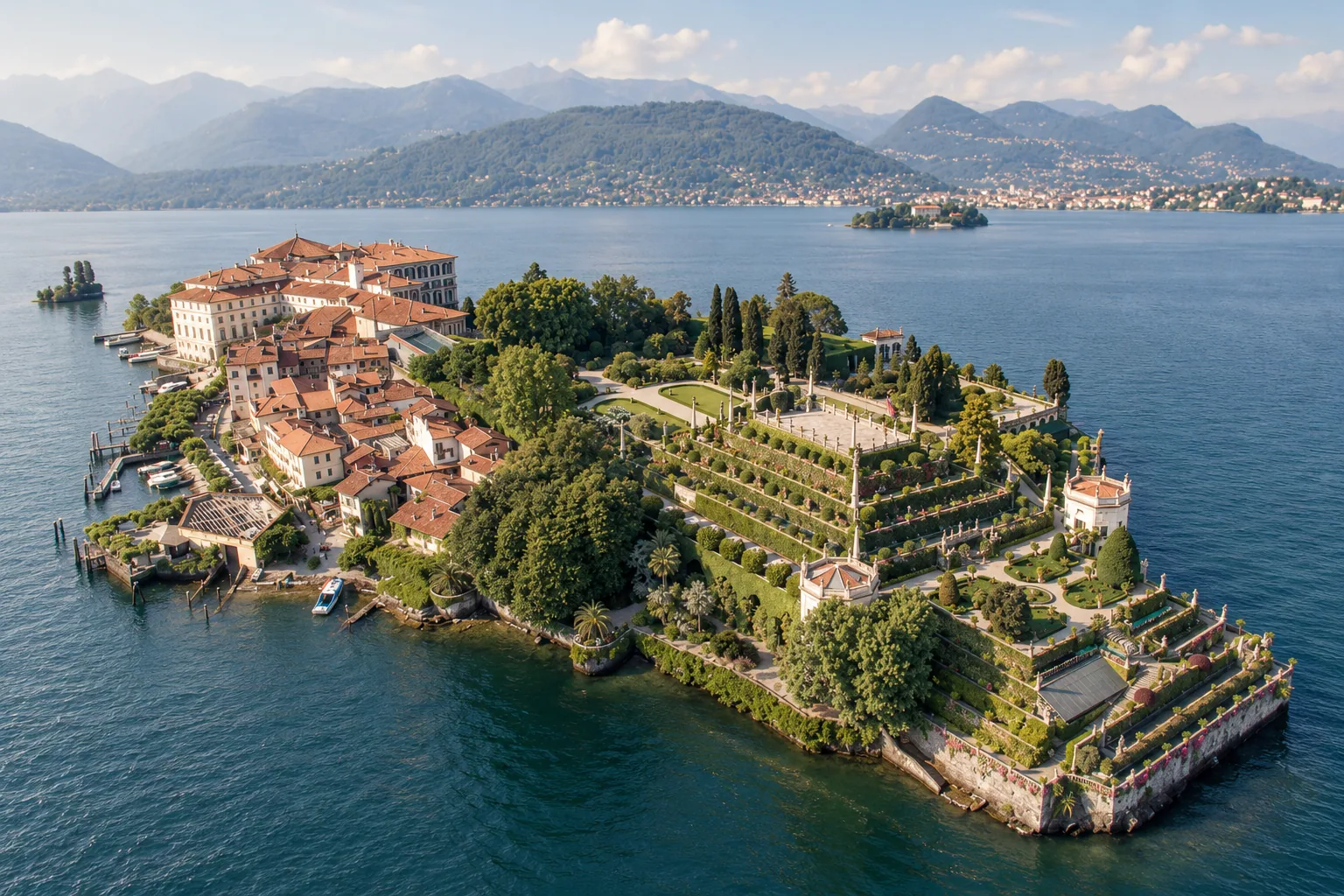 StresaIsola BellaTen-terrace Baroque garden, Palazzo Borromeo, white peacocks, Napoleon's 1797 stayThe Borromeo family began transforming this rocky islet in 1632, when Count Carlo III ordered a palace and garden built for his wife Isabella, whose name the island still carries. Four generations later, Vitaliano VI Borromeo had raised ten terraces of clipped hedges and citrus above the lake, shaped like the prow of a Baroque galleon and stocked with white peacocks that still patrol the parterres. Napoleon and Josephine slept in the palace in 1797, and a plaque in the Sala Napoleonica marks their room. Inside, the Hall of Mirrors and a warren of artificial grottoes lined with shells and pumice offer relief from the sun before you climb back out among the statues.
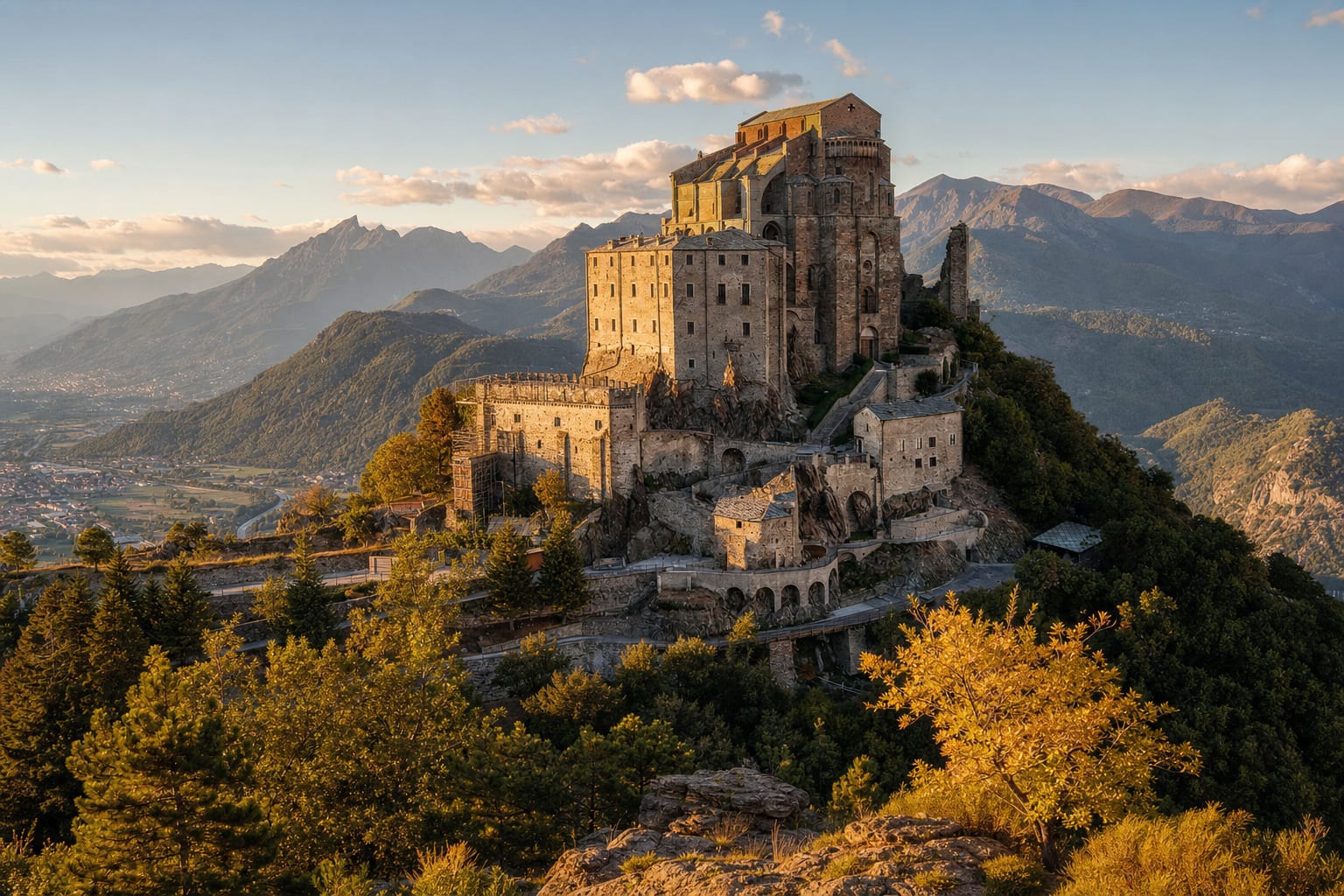 Sant'Ambrogio di TorinoSacra di San MicheleAbbey on Mount Pirchiriano, Stairway of the Dead, Zodiac Portal, symbol of PiedmontBenedictine monks began this abbey in the late tenth century on the summit of Mount Pirchiriano, and it has been rebuilding itself on that rock ever since. The approach is part of the point: the Scalone dei Morti, 243 steps between walls once set with burial niches, climbs to the marble Zodiac Portal, a twelfth-century sculptural masterpiece. Inside are a Romanesque and Gothic church and a terrace over the Susa Valley. Umberto Eco drew on its silhouette for The Name of the Rose, and a regional law names it the symbolic monument of Piedmont. Rosminian fathers, who restored the site from 1835, still look after it.
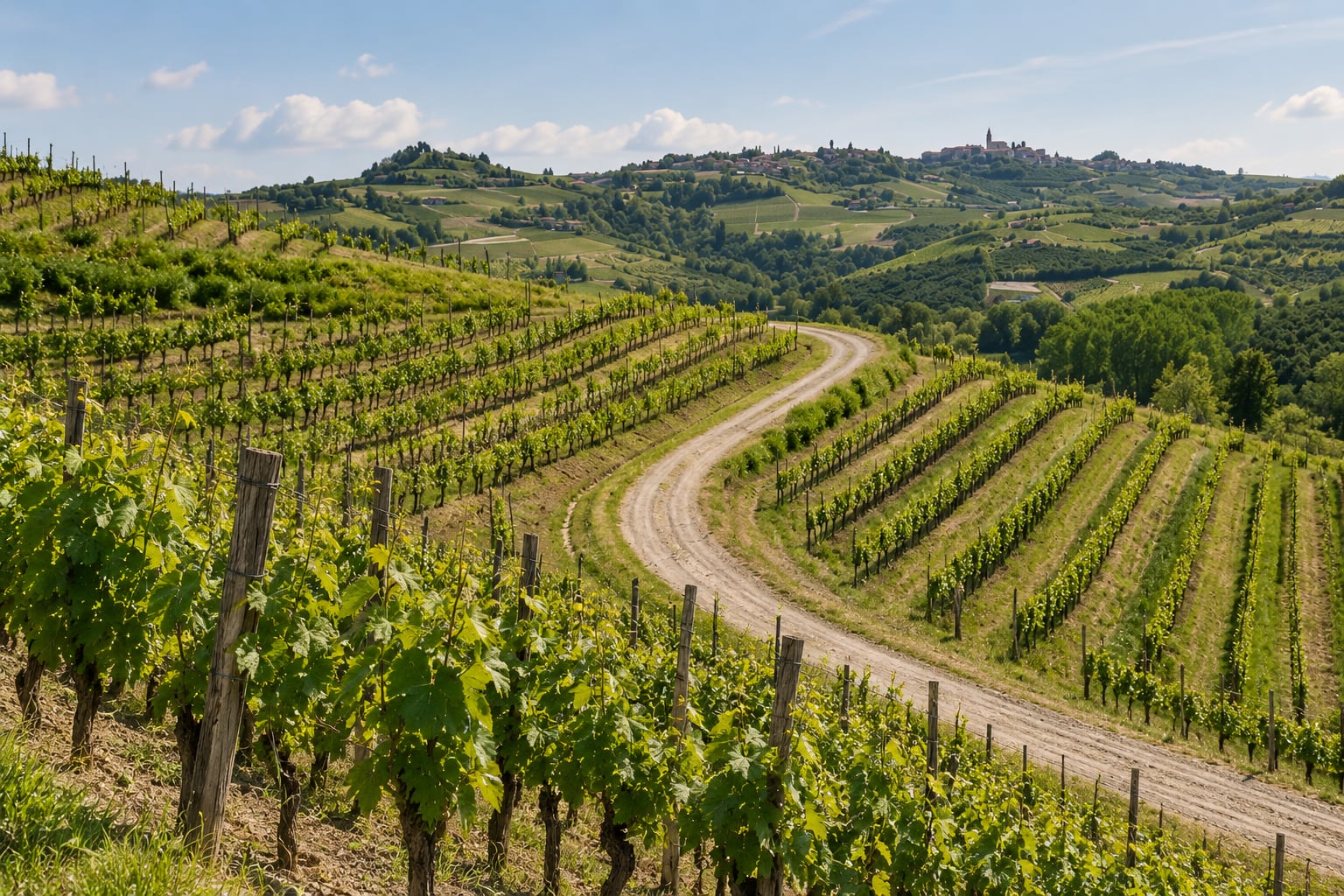
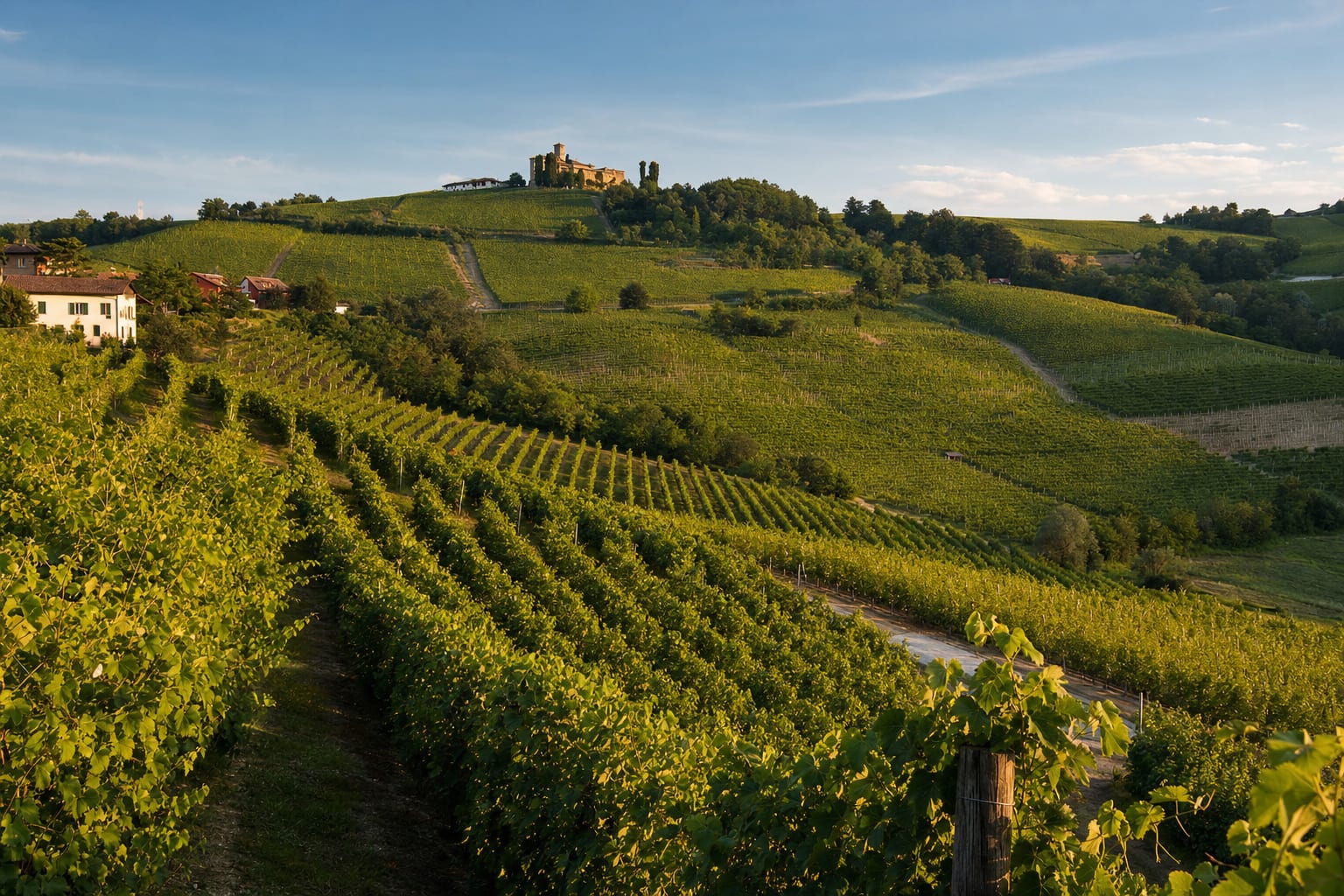 BaroloUNESCOColline delle LangheBarolo and Barbaresco crus, Nebbiolo vines, hilltop villages, autumn fog and white trufflesThe Langhe are hills rolled in Nebbiolo, Barbera and Dolcetto vines, every ridge topped by a village or castle and every slope named on a wine label. The landscape around Barolo and Barbaresco, together with Roero and Monferrato, has been a UNESCO World Heritage site since 2014, recognized as a living wine culture. The writers Cesare Pavese and Beppe Fenoglio found their stories here, and Alba is the white truffle capital. Autumn is the season the region was built for: harvest, low fog in the valleys and truffle fairs. Come for long lunches, cellar tastings and slow drives from one hilltop village to the next, with Barolo village and La Morra as natural anchors.
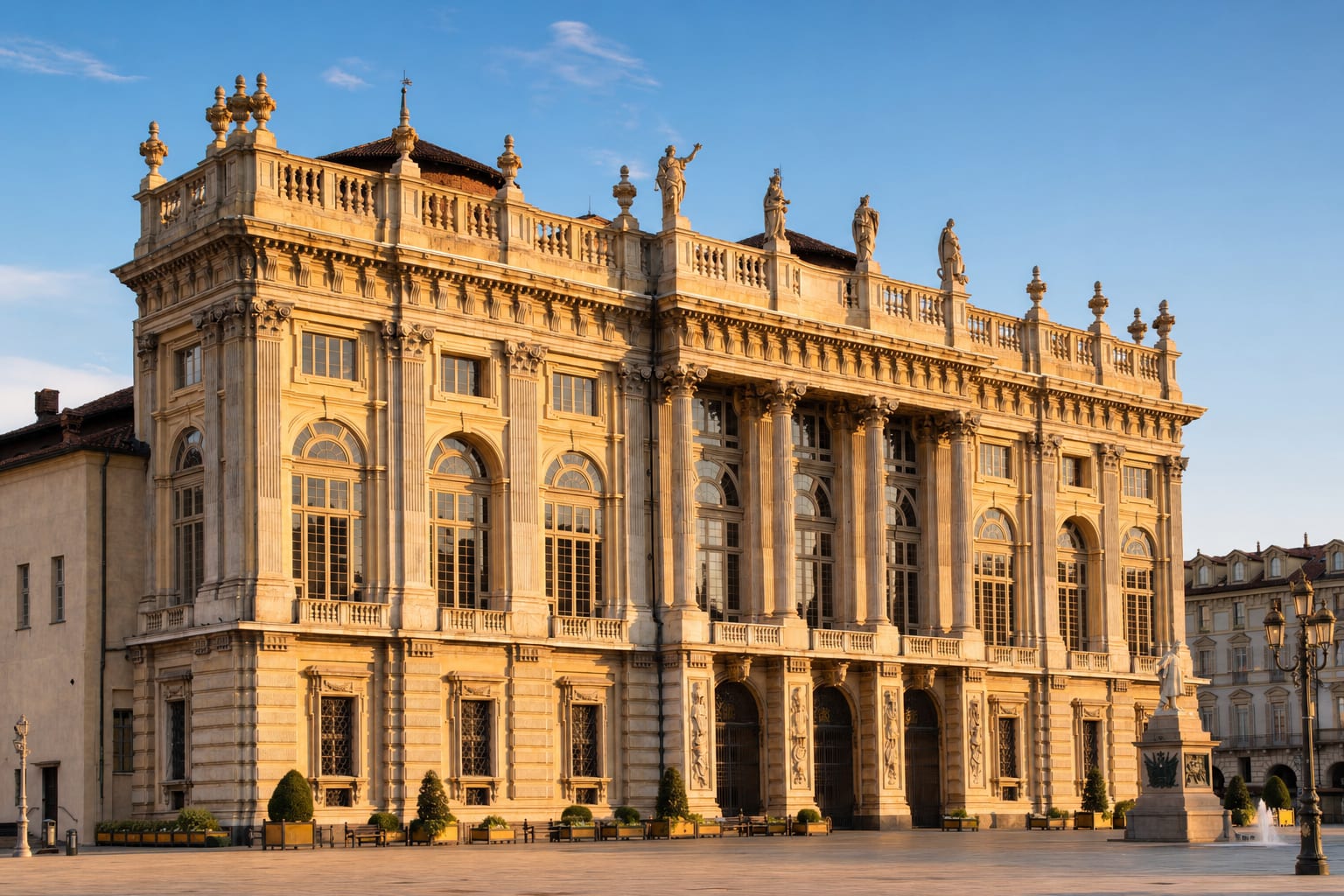 TorinoUNESCOPalazzo MadamaRoman gate to Baroque facade, Juvarra's staircase, Antonello da Messina's portrait, Civic Museum of Ancient ArtPalazzo Madama stacks two thousand years of Turin into one building: a Roman city gate anchors the base, a medieval Acaja castle rises from it, and Filippo Juvarra wrapped the whole thing in a Baroque facade and a grand staircase in 1721, commissioned by Marie Jeanne Baptiste of Savoy-Nemours, one of the 'Madamas Reali' who gave the palace its name. Inside, the Museo Civico d'Arte Antica runs from Gothic ivories and Books of Hours to Antonello da Messina's Portrait of a Man, a small oil panel whose sitter's half-smile has unsettled viewers since the 1470s. The medieval towers still stand behind Juvarra's front, so a single walk around the building crosses Roman, medieval and eighteenth-century Turin in a few hundred meters.
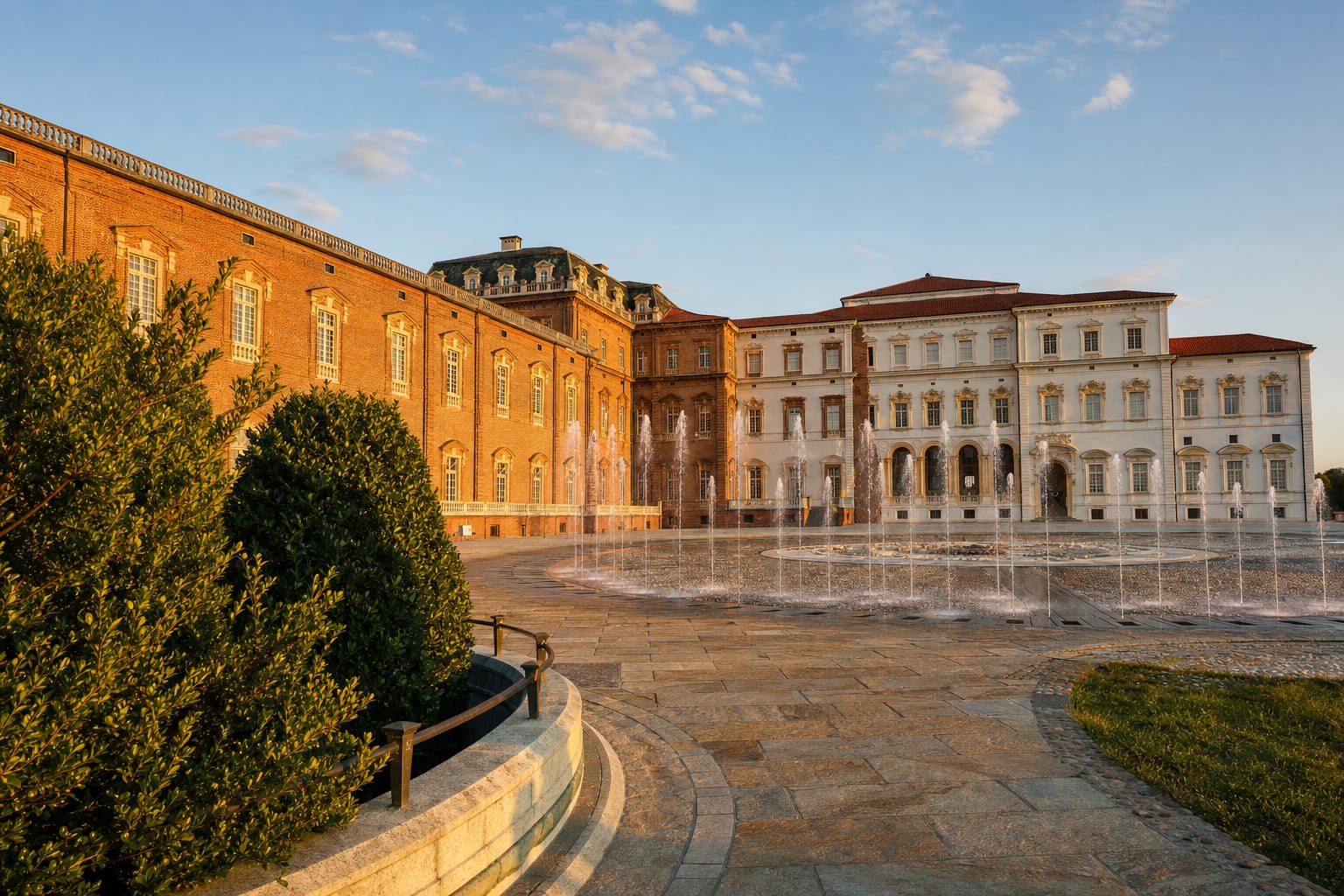 Venaria RealeUNESCOReggia di Venaria RealeJuvarra's Great Gallery, Sant'Uberto chapel, restored Savoy gardens, UNESCO Savoy residenceCarlo Emanuele II's hunting lodge outside Turin grew, court by court, into one of Europe's grandest residences, closer in scale to Versailles than to a stable block. Filippo Juvarra's Great Gallery, a corridor of light on the north wing, and the replanted formal gardens anchor a restoration that reopened the long-abandoned Reggia in 2007 after decades as an army barracks. The Church of Sant'Uberto, its dome floating over a Greek-cross plan, and the frescoed Diana Gallery round out a complex that UNESCO lists among the Residences of the Royal House of Savoy. Exhibition galleries now fill wings the Savoys left as storerooms, and the Venaria Express shuttle makes the palace an easy half-day trip from central Turin.
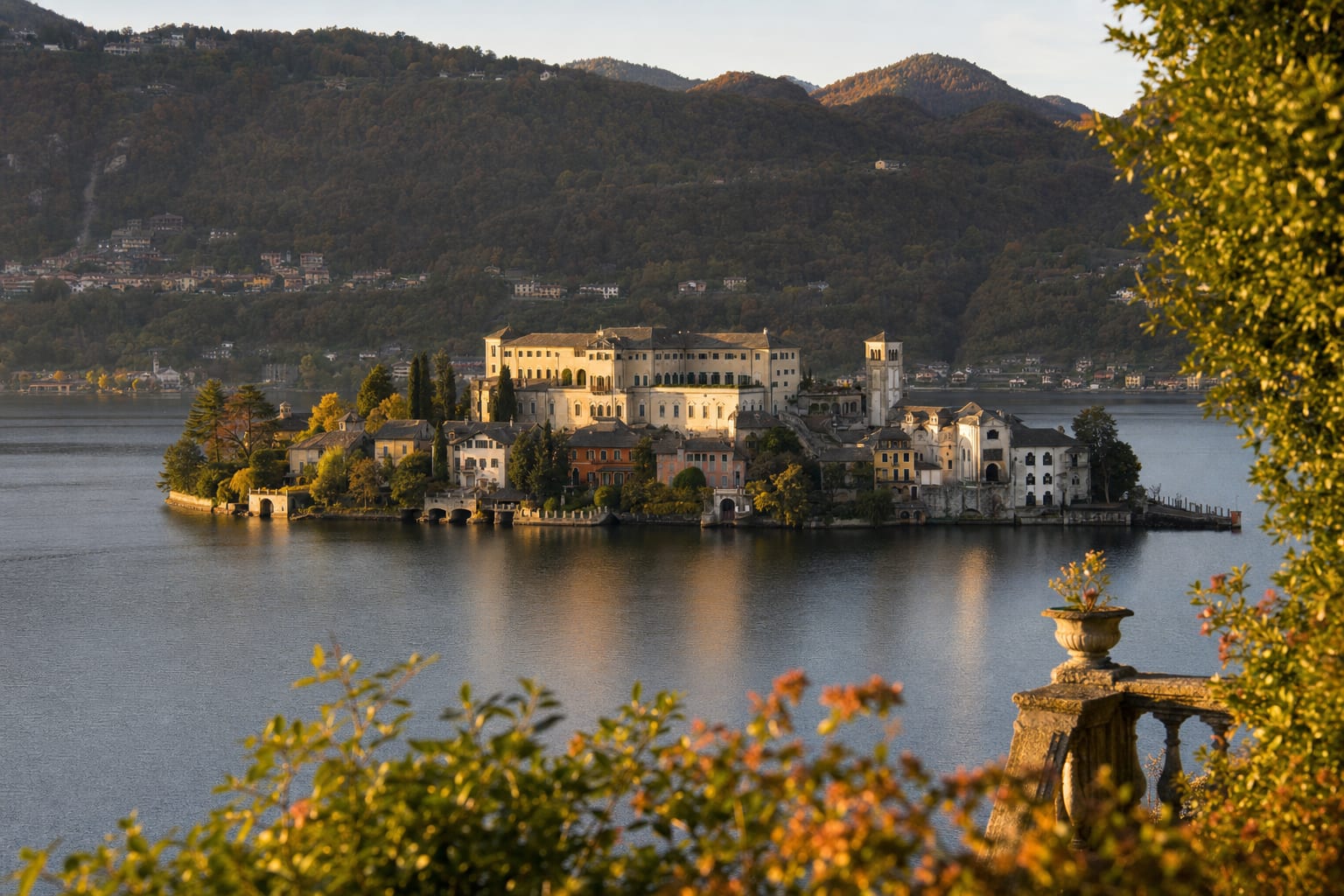 Orta San GiulioIsola di San GiulioIsland basilica of San Giulio, Way of Silence path, closed Benedictine convent, Lake Orta stillnessLegend holds that Julius, a fourth century evangelist, crossed to this islet in the middle of Lake Orta on his cloak to clear it of serpents and dragons before founding a chapel, and a Romanesque basilica replaced earlier churches on the same spot by the twelfth century. A seminary building from the 1840s, raised over the ruins of a medieval castle, has housed a closed Benedictine community of nuns since 1976, so the convent itself stays off limits to visitors. The single lane that circles the island, barely wide enough for two people to pass, is signposted as the Way of Silence, its stone markers carrying short meditations on quiet rather than street names. A handful of families still live here year round among the mostly seasonal houses, and the whole loop takes only about twenty minutes on foot.
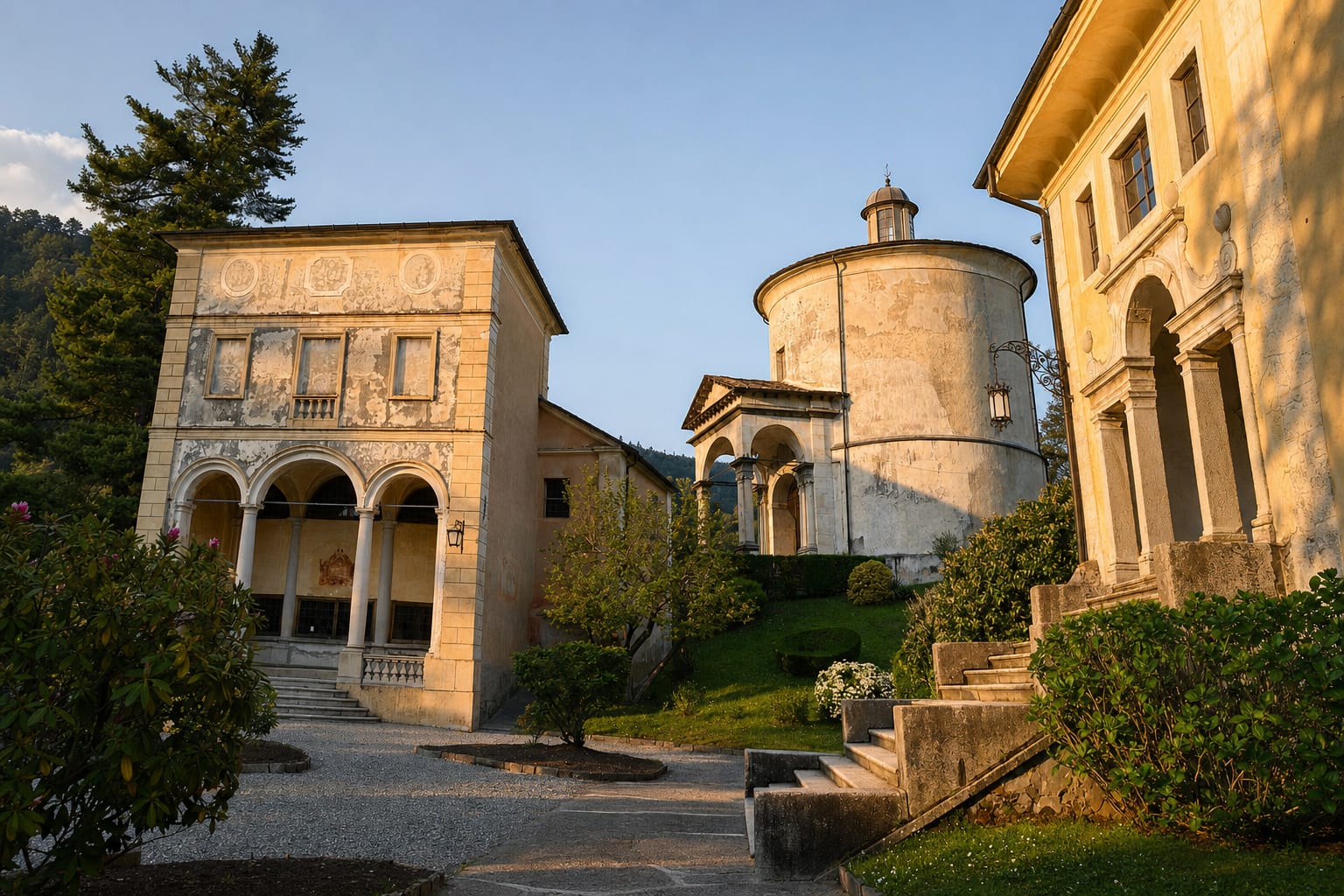 VaralloUNESCOSacro Monte di VaralloNew Jerusalem of 1491, forty-five chapels, Gaudenzio Ferrari figures, UNESCO since 2003The first and greatest of Italy’s sacred mountains rebuilt Jerusalem on a wooded hill above Varallo, starting in 1491 under the Franciscan friar Bernardino Caimi, who had just returned from the Holy Land and wanted pilgrims who could not make the journey to experience it anyway. Forty-five chapels, built up over two centuries, each frame a scene from Christ’s life with painted walls and life-size terracotta figures, more than eight hundred in all. Gaudenzio Ferrari, working here between 1507 and 1528, fused fresco and sculpture so completely that his crowds seem to spill from the walls into the visitor’s own space, an illusion two centuries ahead of anything in theater. The Sacri Monti of Piedmont and Lombardy, nine sites in all, became a UNESCO World Heritage listing in 2003, and Varallo is where the idea began.
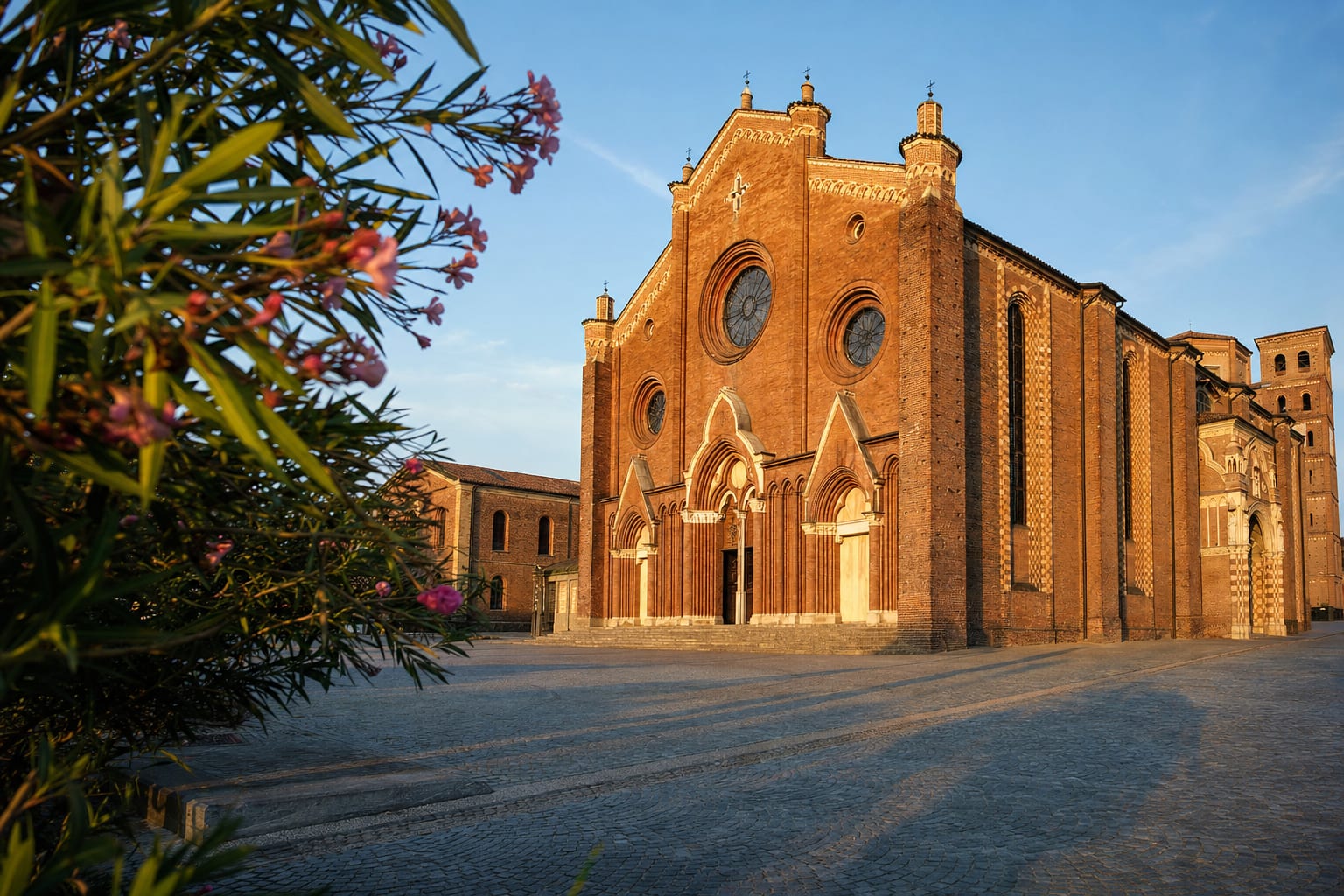 AstiCattedrale di AstiLargest Gothic church in Piedmont, 1266-1470 construction, Carloni's 1767 presbytery frescoes, Jacopo Ghigo's campanileAsti's cathedral took two centuries to complete: construction began in 1266 and did not finish until 1470, raising the largest Gothic church in Piedmont, plain red brick outside with a rose window as its main flourish. The bell tower, whose base is older still, was rebuilt starting the same year as the new church by the master mason Jacopo Ghigo. Inside, Bolognese and Milanese painters covered the vaults with biblical scenes and allegories in the early eighteenth century, and Carlo Innocenzo Carloni frescoed the presbytery with stories of the Virgin and the city's patron saints, Marziano and Secondo, in 1767. The cathedral still functions as a working parish church, so visits pause around Mass times, posted at the door. Come for the size of the thing as much as any single detail: little else in the region matches its plain bulk.
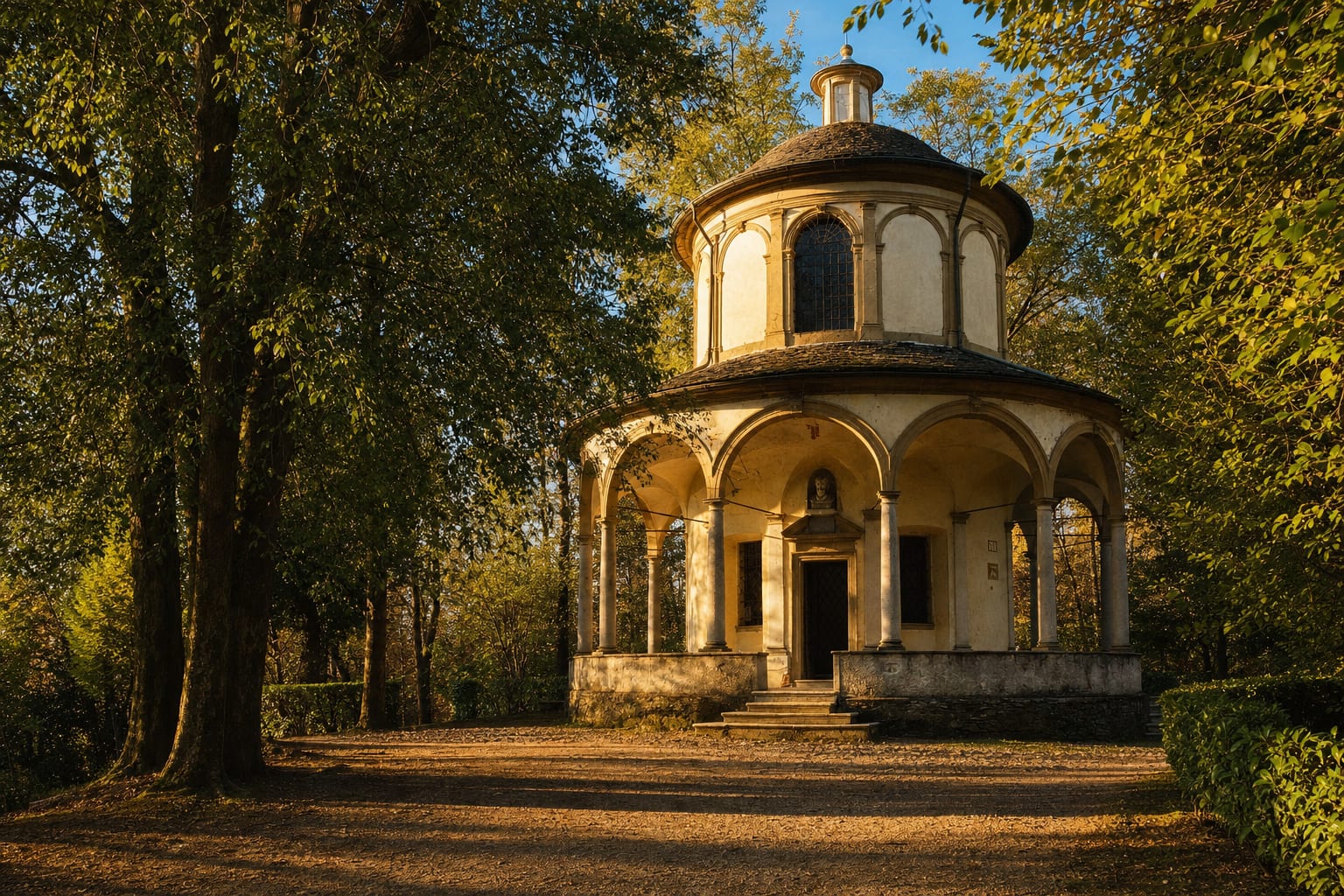 Orta San GiulioUNESCOSacro Monte di OrtaTwenty chapels of Saint Francis, terracotta tableaux, UNESCO listing, views over Lake Orta and Isola San GiulioTwenty chapels climb the wooded hill above Orta, built between 1591 and the 1780s so pilgrims could walk the life of Saint Francis of Assisi without leaving Piedmont. Inside each one, life-size terracotta figures act out a scene: the saint preaching to birds, renouncing his father's wealth, receiving the stigmata on La Verna, all set against frescoed skies painted by local artists over two centuries. The path between chapels keeps opening onto Lake Orta and the wooded island of San Giulio below, one reason UNESCO listed this Sacro Monte, one of nine such sanctuaries across Piedmont and Lombardy, as a World Heritage Site in 2003. The final chapel and the church of San Nicolao crown the hill; the walk back down into Orta's lakefront takes about twenty unhurried minutes.
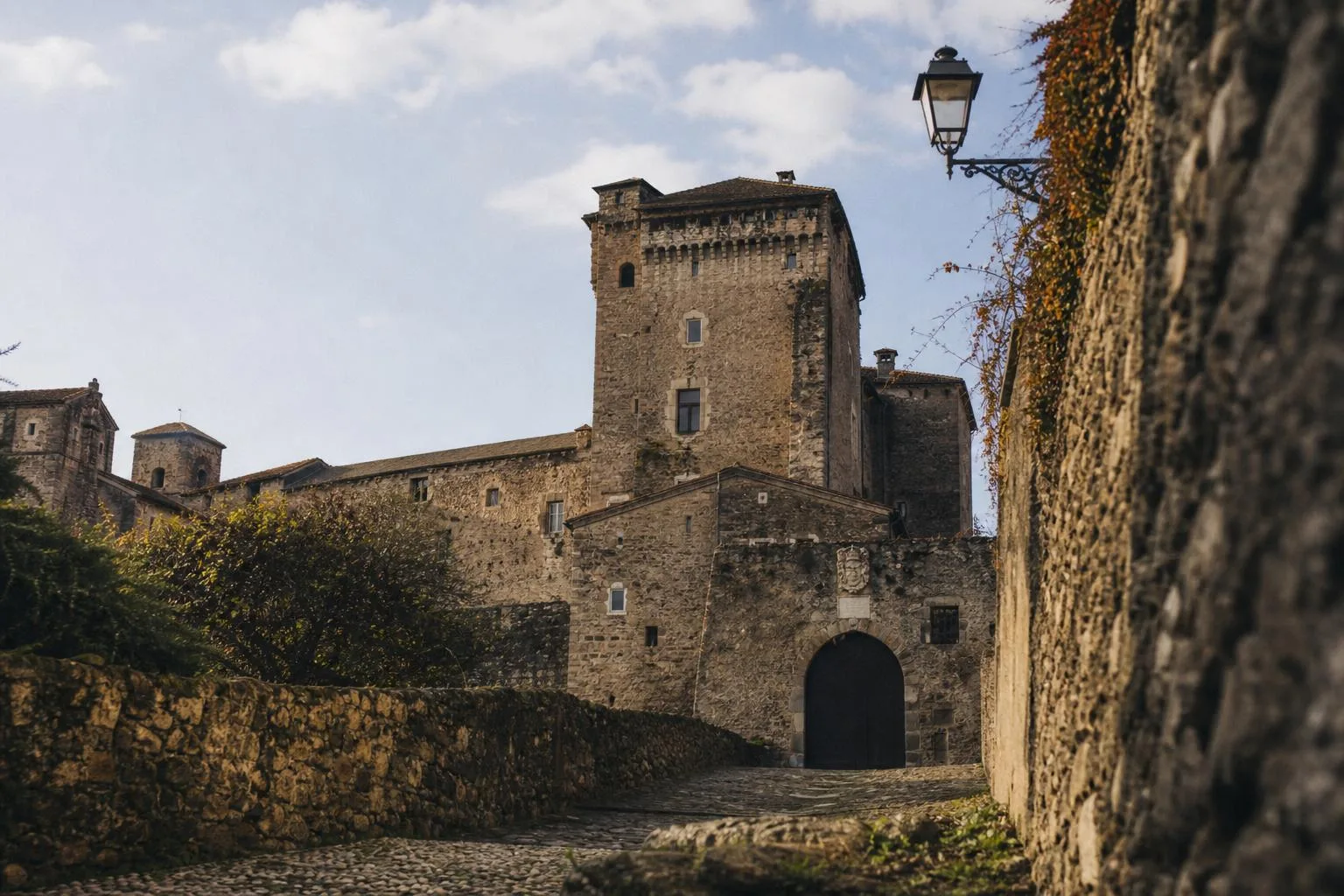 IvreaGemma nascostaCastello di MasinoValperga family castle, 1,400-tree hornbeam labyrinth, landscaped park, FAI propertyMasino Castle crowns a morainic hill at the edge of the Ivrea plain, in the village of Caravino, and was held for the best part of a thousand years by the Valperga di Masino family, who claimed descent from Arduin, Italy’s first king. The keep is documented from 1070, and later generations turned the fortress into a noble residence with frescoed rooms, a library and eighteenth-century apartments. Around it spreads a landscaped park with a hornbeam labyrinth of about 1,400 trees, one of the largest in Italy. FAI, Italy’s national trust, has cared for the castle since 1988, and the park makes it an easy half-day out from Turin or Milan.
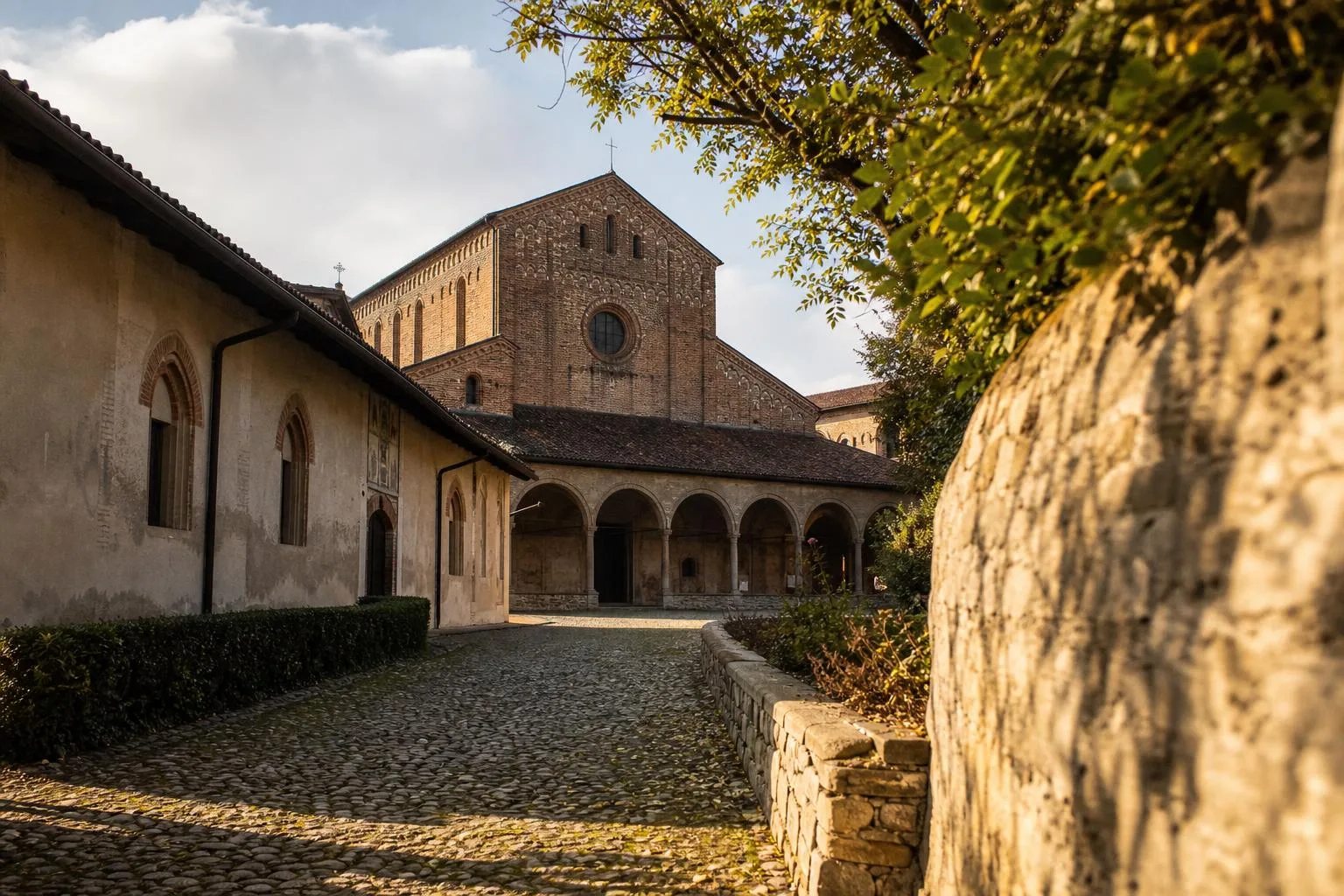 Sant'Ambrogio di TorinoGemma nascostaAbbazia di Sant'Antonio di RanversoGothic Antonite precettoria, Jaquerio frescoes, Defendente Ferrari altarpiece, Via FrancigenaThe Precettoria of Sant’Antonio di Ranverso was founded in the twelfth century by the Antonite order, whose monks ran a hospital for pilgrims on the Via Francigena and treated ergotism, then called St. Anthony’s Fire. What survives is a rarity for Piedmont: a Gothic complex with northern European touches, from the asymmetrical church front with terracotta decoration and pinnacles to a fourteenth-century portico with ribbed vaults. Inside, look for the fifteenth-century frescoes by Giacomo Jaquerio, the leading painter of International Gothic in Piedmont, and the 1531 altarpiece by Defendente Ferrari. It is one of three sites run by the Ordine Mauriziano, alongside Stupinigi and Staffarda.
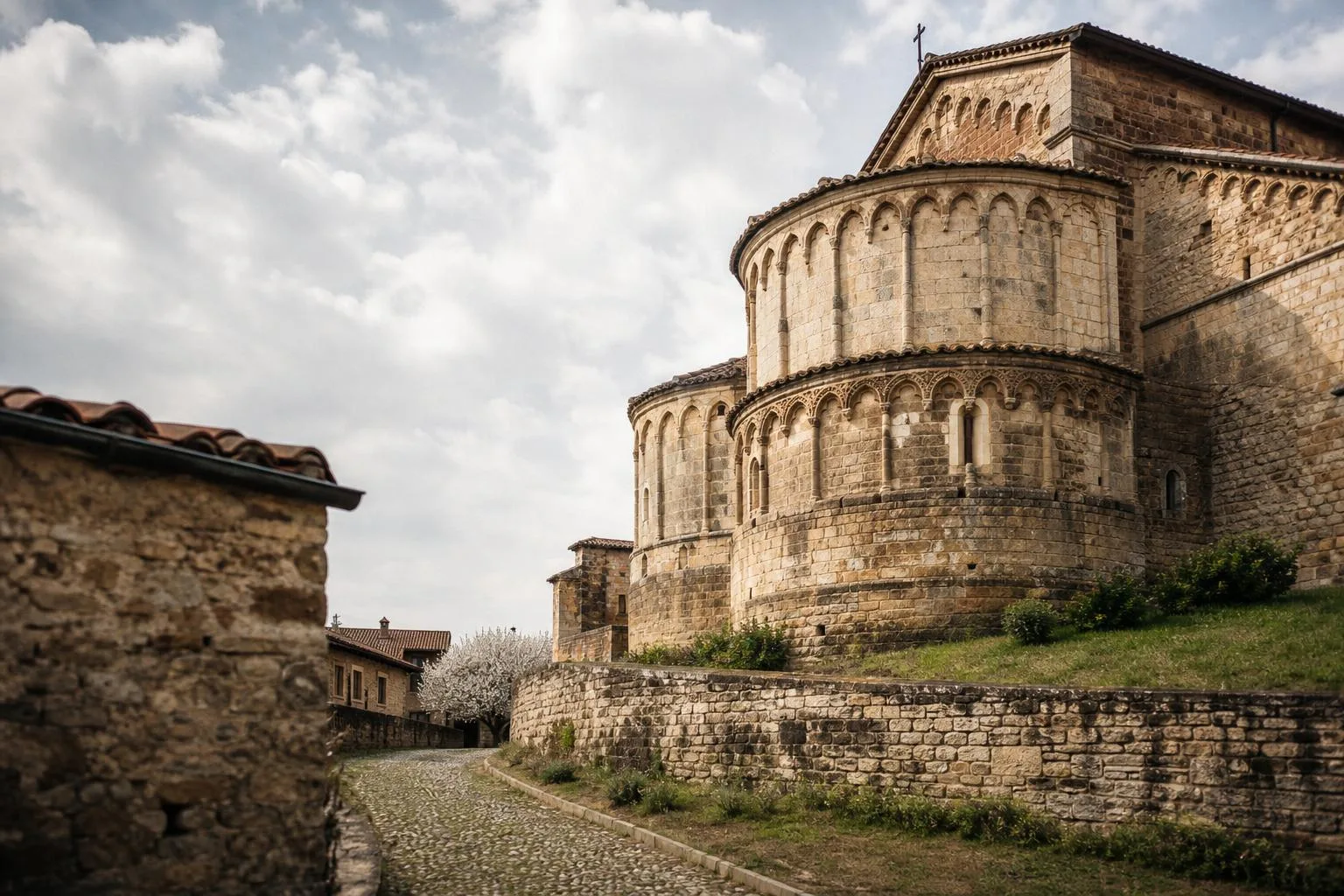 TorinoGemma nascostaAbbazia di Santa Maria di Vezzolano1189 stone rood screen, carved capitals, Romanesque-Gothic facade, Transromanica networkA carved stone rood screen from 1189, among the oldest and most complete in Italy, still divides the nave of this Romanesque-Gothic abbey in the hills above Albugnano. Canons Regular built Vezzolano on a site legend ties to Charlemagne, and by the early 1200s its facade carried the two-tier blind arcades and rose window that still define it. The cloister's capitals mix biblical scenes with grotesque beasts, and frescoes from the 1300s line the walls above. Suppressed under Napoleon and later abandoned, the abbey was restored through the twentieth century and passed to state management in 2014; it now shows a permanent exhibition in its chapter house and keeps a small medieval-style orchard behind the cloister, part of the Transromanica network of Romanesque sites across Europe.
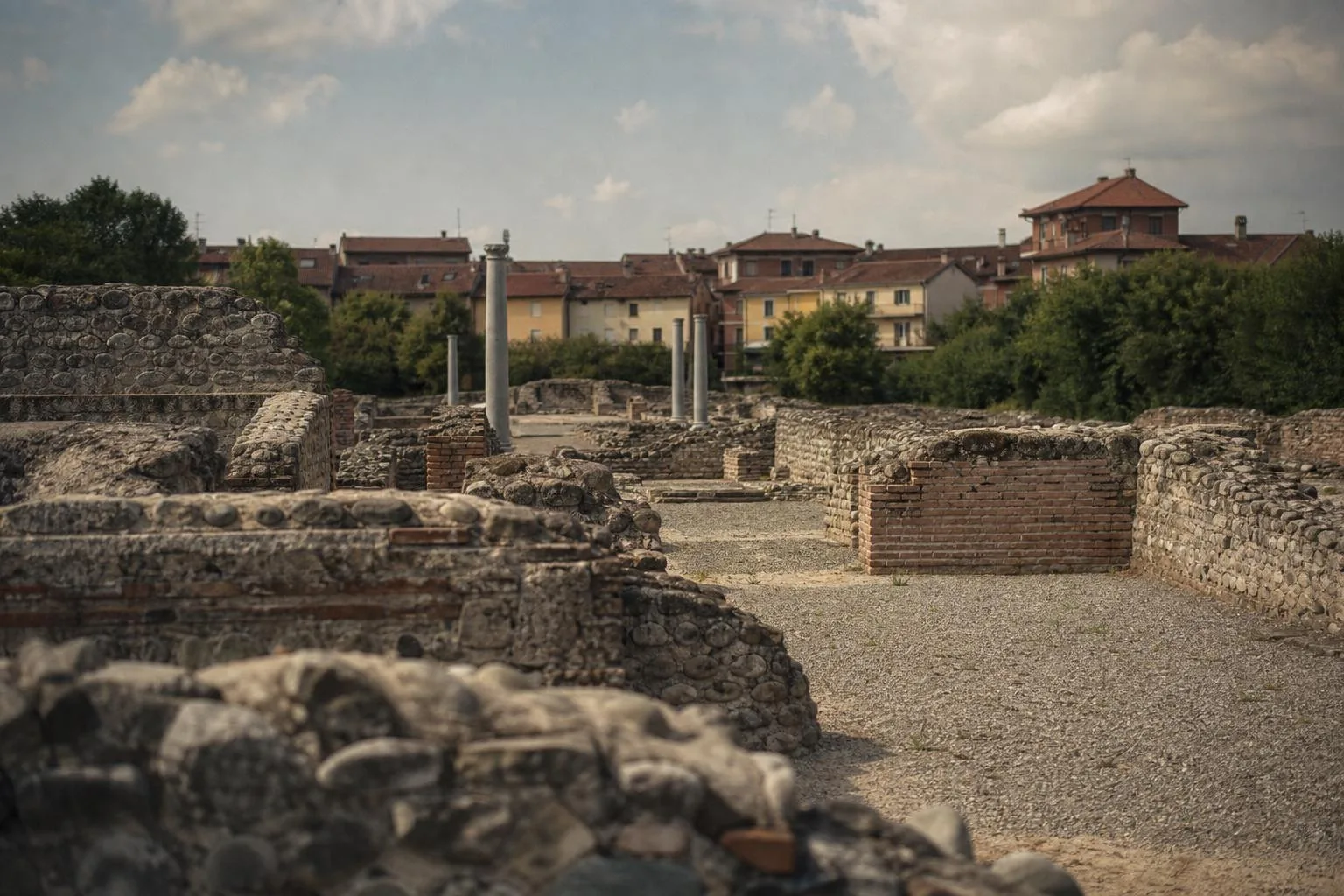 CherascoGemma nascostaAugusta BagiennorumRoman forum, theatre and amphitheatre, 243-hectare nature reserve, Augustan grid townA Roman colonial town rises from the Roncaglia plain south of Turin, its forum, theater and amphitheater excavated on a scale that once needed no walls: Augusta Bagiennorum was founded as an orderly grid town under Augustus, replacing the Ligurian hill settlement of the Bagienni tribe nearby. The amphitheater's oval, about 120 meters on its long axis, and a forty-meter theater stage still trace the outline of civic life, alongside a basilica, aqueduct and city gates flanked by towers. The town celebrated its symbolic bimillennium in 2000, and the site now sits inside a 243-hectare nature reserve established in 1993, protected as an archaeological area since 1933, with a modest but steady stream of visitors each year.
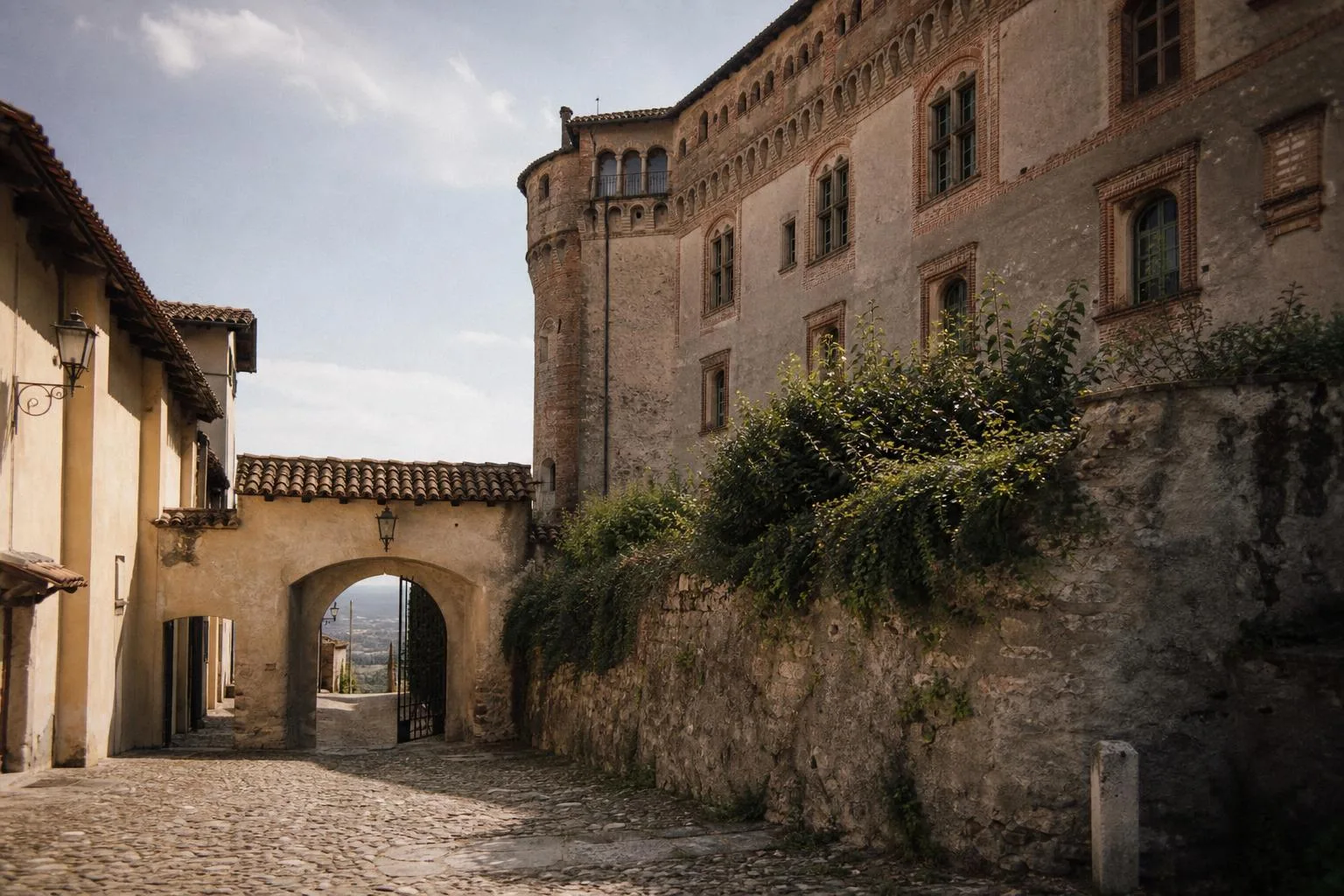 SaluzzoGemma nascostaCastello della MantaNine Worthies fresco cycle, Fountain of Youth scene, FAI-managed residence, Late Gothic masterpieceThe margraves of Saluzzo turned this twelfth-century fortress into a residence and, around 1420, commissioned the Baronial Hall's fresco cycle that makes Castello della Manta one of the finest survivals of Late Gothic painting north of the Alps. An unknown Master of Castello della Manta painted the Nine Worthies, three pagan heroes, three Jews, three Christians, paired with nine female counterparts, all dressed in the sumptuous fashion of the Burgundian court rather than antique costume, following a poem by Marquess Thomas III of Saluzzo called Le Chevalier Errant. A fountain of youth scene fills the opposite wall with bathers shedding old age for new bodies. Around 1560 a later Manta count added the grotesque-frescoed Sala delle Grottesche. The FAI, Italy's national trust, has managed the castle and its garden since 1986.
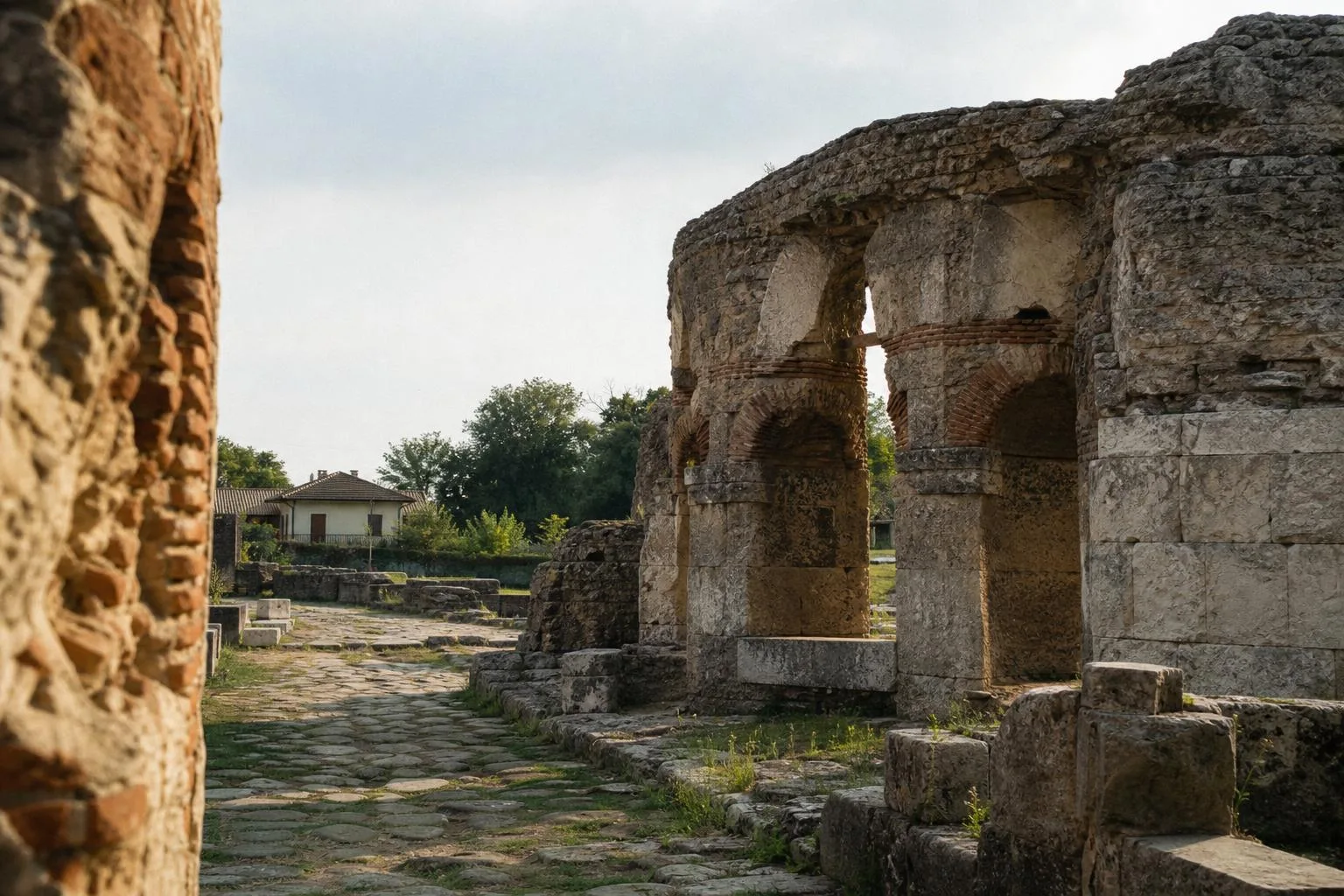 AlessandriaGemma nascostaLibarnaRoman amphitheater and theater, Via Postumia trading hub, Latin citizenship city, 452 AD abandonmentLigurian Dectunini tribespeople founded Libarna in the second century BC, and its fortunes rose sharply after 148 BC, when the new Via Postumia routed trade directly through the settlement, turning it into a substantial commercial and administrative center. The city gained Latin citizenship in the first century AD, prospering enough to build an amphitheater, forum, theater, public baths and residential quarters whose remains are unusually legible today. Barbarian invasions ended Libarna's independent life in 452, when its remaining inhabitants relocated to the nearby communities of Serravalle and Arquata Scrivia rather than rebuild, leaving the site to be reclaimed gradually by the countryside. The Turin Museum of Antiquities holds many of the best-preserved artifacts, while a modest on-site museum at Serravalle Scrivia doubles as a venue for local musical and artistic events.
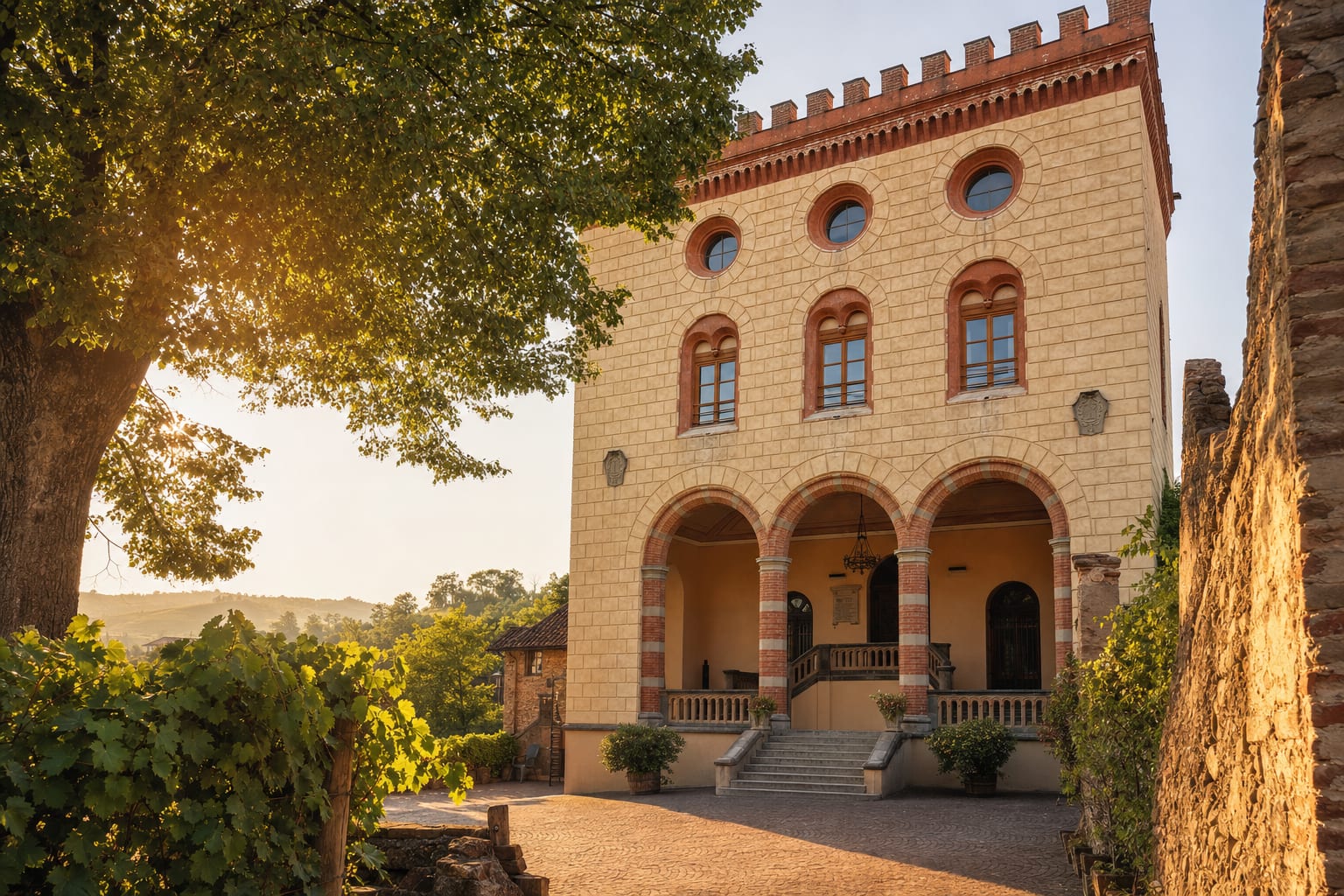 BaroloWiMu Museo del Vino a BaroloFalletti castle setting, five-floor immersive wine storytelling, François Confino design, Barolo viewsThe Falletti family's castle in Barolo is where the modern version of the wine was essentially invented in the mid-19th century, when the Marchesa Giulia Falletti and the French oenologist Louis Oudart transformed a sweet, fizzy local wine into the dry, age-worthy red the world now knows. The WiMu, designed by exhibition architect François Confino, uses that same castle to tell wine as culture rather than chemistry: five floors descend from myth, ritual and weather at the top down to an actual cellar at the base, with the village's own vineyards visible through windows at every level. It is less a wine-tasting stop than an argument for why wine matters beyond the glass.
Tour da prenotare in Piemonte
Confrontati dai nostri editor, tra i vari operatori.
Prenotando da questi link Italia Magnifica può ricevere una commissione, senza costi per te.
- Viator
- 2 h
- 4,9★ · 16 recensioni
da 70 €Prenota questo tour- Viator
- 6 h
- 5,0★ · 4 recensioni
da 320 €Prenota questo tour- Viator
- 3 h
- 5,0★ · 11 recensioni
da 80 €Prenota questo tour- Viator
- 2 h
- 5,0★ · 5 recensioni
da 44 €Prenota questo tour- Viator
- 3 h
- 5,0★ · 2 recensioni
da 145 €Prenota questo tour- Viator
- 2 h
- 4,9★ · 36 recensioni
da 169 €Prenota questo tour


Città per città
Dove si concentrano i monumenti in Piemonte.