

Tutti i monumenti di Torino
I luoghi e i capolavori attorno a cui vale la pena costruire una giornata.
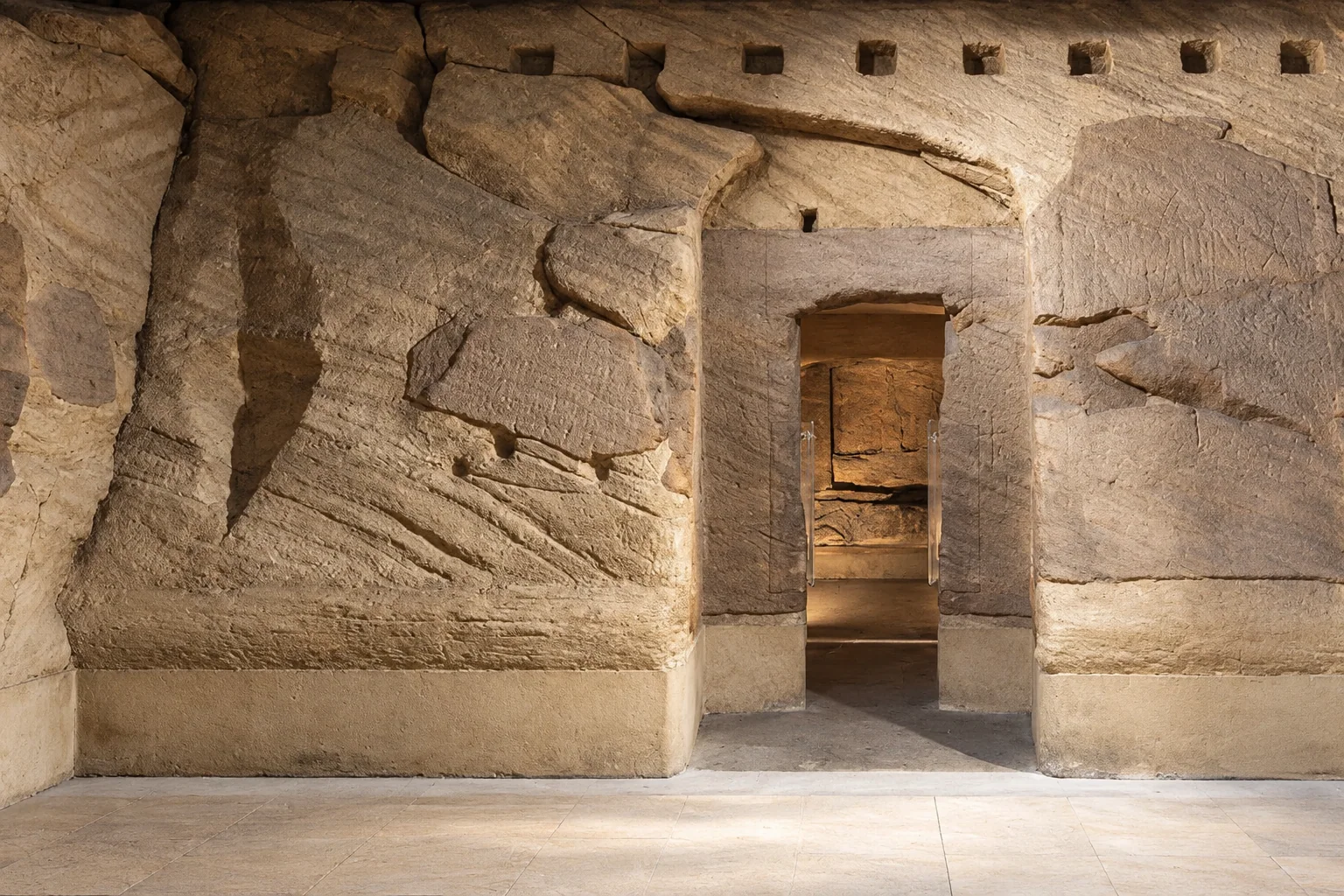 MuseoMuseo EgizioA major Egyptian collection shaped by Drovetti’s 1824 collection, the grave goods of Kha and Merit, the Gallery of the Kings, and the Temple of Ellesiya.Turin’s Museo Egizio began in 1824, when King Carlo Felice acquired Bernardino Drovetti’s collection; it opened to the public in 1832 in the former Collegio dei Nobili. The tomb of Kha and Merit, TT8, remains at Deir el-Medina in Egypt; Gallery 7 displays the objects recovered from it. Ernesto Schiaparelli discovered the tomb intact in 1906. Gallery 7 presents the New Kingdom burial assemblage through 460 objects, from coffins and furniture to textiles, perfume vessels and the board game senet. Kha held the title ‘director of works,’ with responsibility for designing and building royal tombs.
In the Gallery of the Kings, monumental statues of gods and rulers recovered at Karnak stand in an installation that evokes temple space. The Turin King List preserves a damaged sequence of royal names and reign lengths; the painted linen from Gebelein shows boats, figures interpreted as dancing or mourning, and a hippopotamus hunt. The Temple of Ellesiya tells another story: this Nubian rock-cut chapel was donated by Egypt to Italy after the rescue campaign for monuments threatened by the Aswan Dam, cut into 66 blocks, brought to Turin and inaugurated in 1970. Continue exploring the city with our <a href="/en/regions/piedmont/turin">Turin city guide</a>.Pianifica la visita
MuseoMuseo EgizioA major Egyptian collection shaped by Drovetti’s 1824 collection, the grave goods of Kha and Merit, the Gallery of the Kings, and the Temple of Ellesiya.Turin’s Museo Egizio began in 1824, when King Carlo Felice acquired Bernardino Drovetti’s collection; it opened to the public in 1832 in the former Collegio dei Nobili. The tomb of Kha and Merit, TT8, remains at Deir el-Medina in Egypt; Gallery 7 displays the objects recovered from it. Ernesto Schiaparelli discovered the tomb intact in 1906. Gallery 7 presents the New Kingdom burial assemblage through 460 objects, from coffins and furniture to textiles, perfume vessels and the board game senet. Kha held the title ‘director of works,’ with responsibility for designing and building royal tombs.
In the Gallery of the Kings, monumental statues of gods and rulers recovered at Karnak stand in an installation that evokes temple space. The Turin King List preserves a damaged sequence of royal names and reign lengths; the painted linen from Gebelein shows boats, figures interpreted as dancing or mourning, and a hippopotamus hunt. The Temple of Ellesiya tells another story: this Nubian rock-cut chapel was donated by Egypt to Italy after the rescue campaign for monuments threatened by the Aswan Dam, cut into 66 blocks, brought to Turin and inaugurated in 1970. Continue exploring the city with our <a href="/en/regions/piedmont/turin">Turin city guide</a>.Pianifica la visita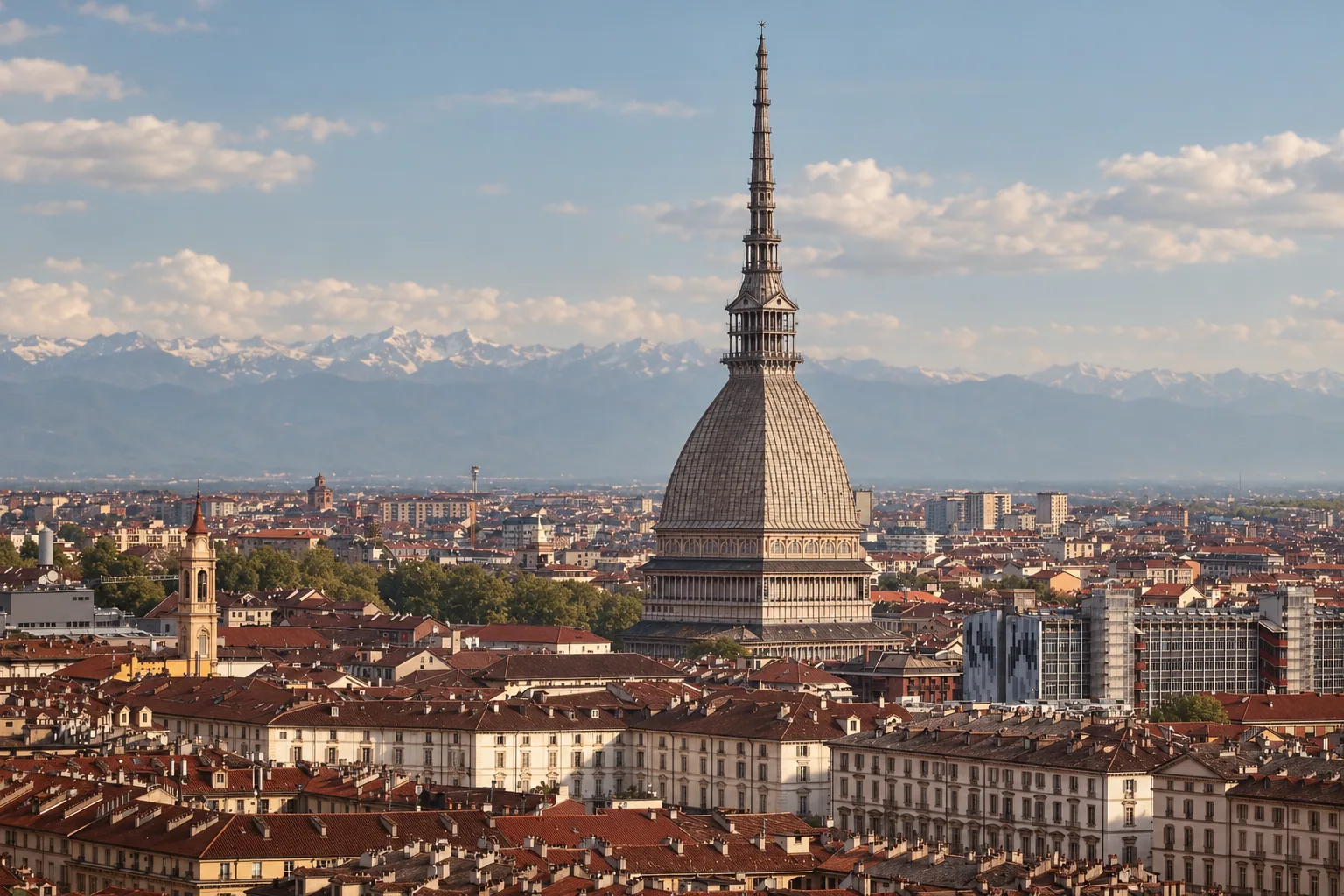 MonumentoMole Antonelliana167-meter spire, National Cinema Museum, glass panoramic elevator, unfinished synagogue originsAlessandro Antonelli began the Mole in 1863 as a synagogue for Turin's Jewish community, then kept revising the design upward until the rising cost forced the city to take it over in 1877 and finish it as a civic monument instead. At 167 meters it was, briefly, the tallest masonry building in the world. Since 2000 its cavernous interior has held the National Museum of Cinema, its galleries spiraling around a central void hung with props, posters, and early optical devices. A glass elevator crosses that void in under a minute, opening onto a balcony 85 meters up where Turin's grid of streets gives way, on a clear day, to a full ring of the Alps.
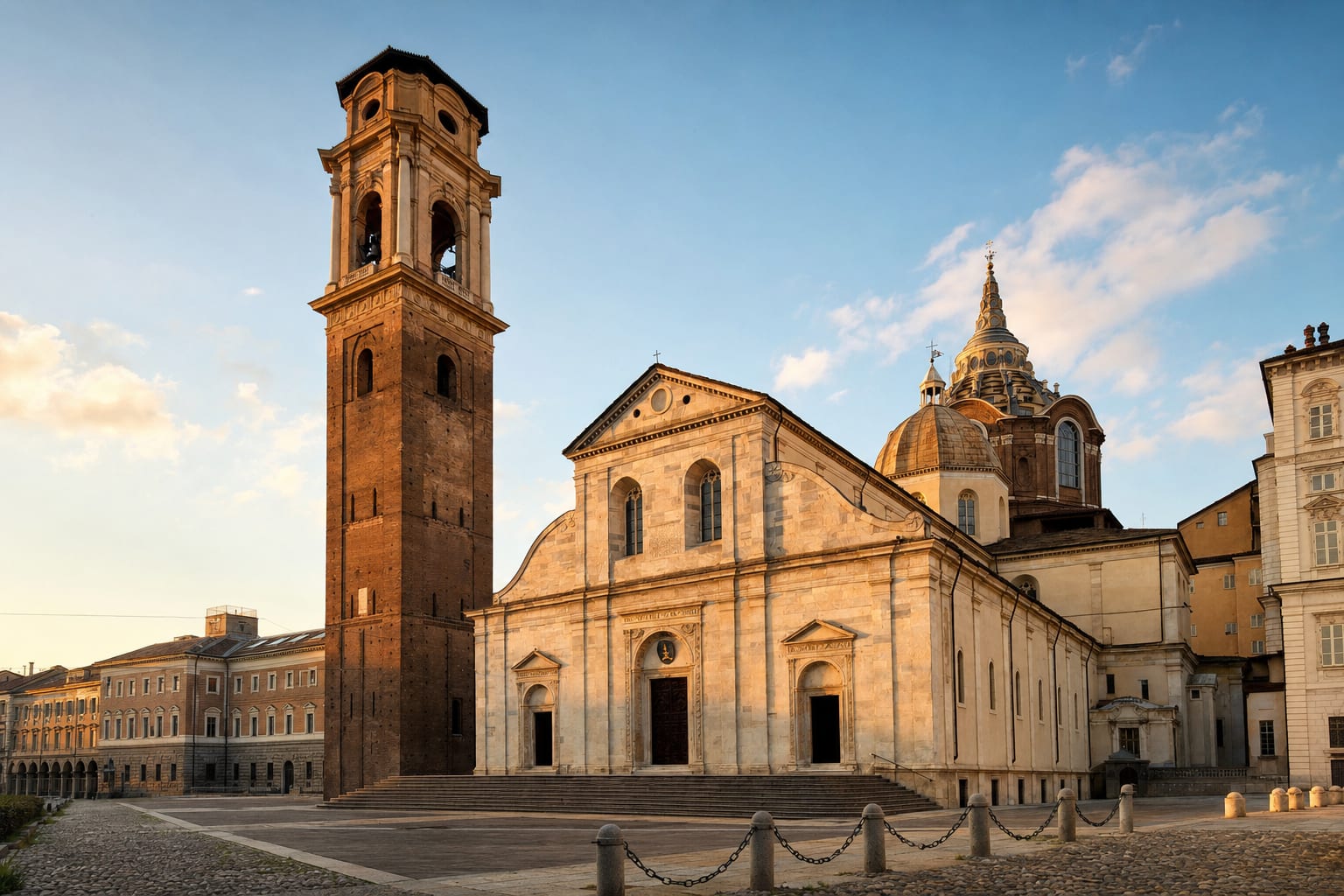 ChiesaDuomo di TorinoHome of the Holy Shroud, Guarini's Baroque dome, rare public expositions, Renaissance facadeTurin's cathedral is the city's only Renaissance building, raised between 1491 and 1498 in white marble that looks understated next to Guarino Guarini's soaring Baroque dome, built between 1668 and 1694 to crown the Chapel of the Holy Shroud behind it. The cloth itself, a 14-foot linen some believe wrapped Christ's body, spends nearly all its time locked inside a climate-controlled case that pilgrims view only through glass. A 1997 fire badly damaged the chapel and several artworks. Public expositions, called ostensioni, happen only when the Pope, the Shroud's legal owner, calls for one, most recently in 2015, so most visitors come to pray rather than to see the relic itself.
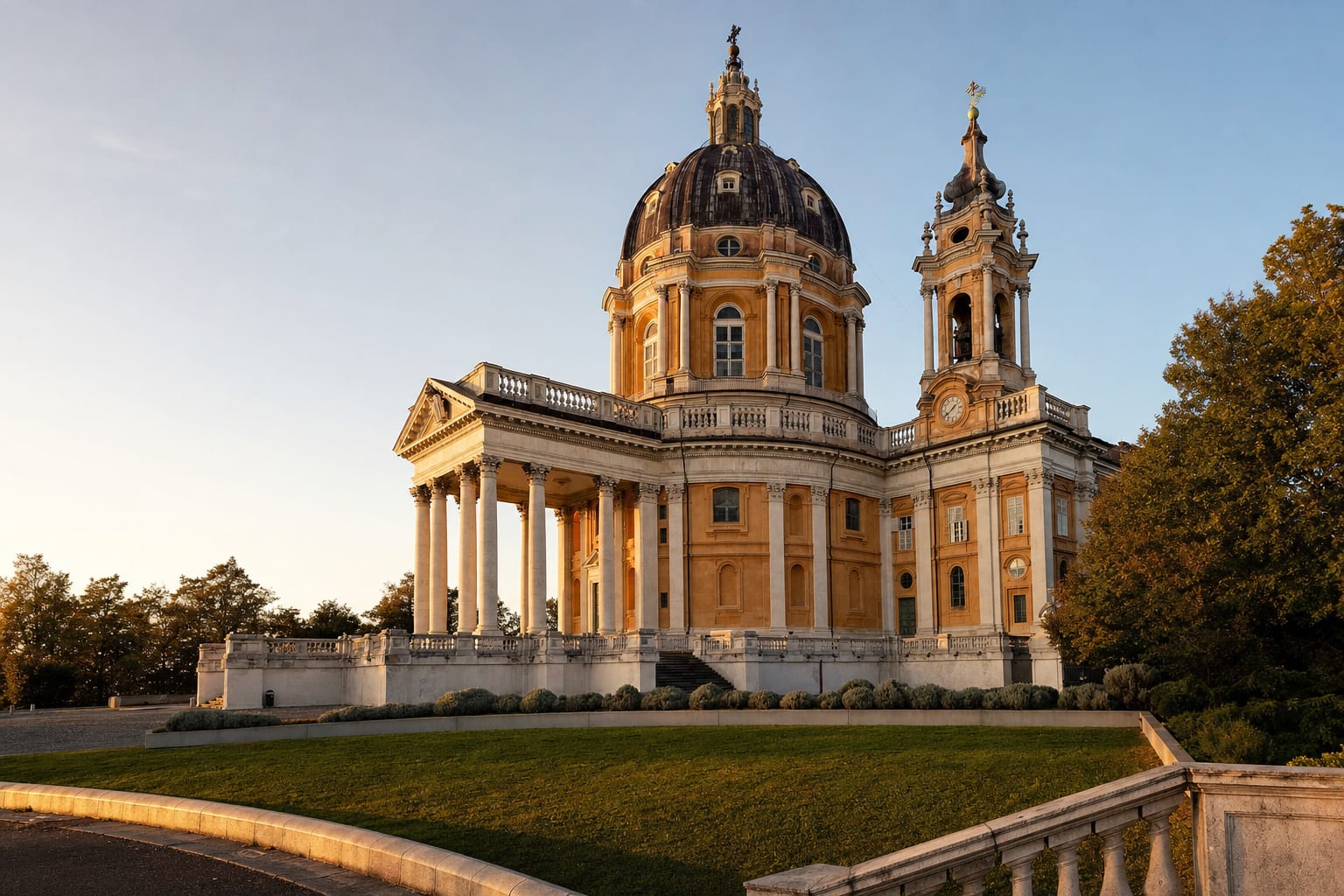 ChiesaBasilica di SupergaJuvarra's hilltop dome, Savoy royal tombs, rack tramway ascent, Grande Torino memorialFilippo Juvarra set this domed basilica on Superga's summit between 1717 and 1731 to honor a vow Victor Amadeus II made during the 1706 siege of Turin, promising a shrine to the Virgin if the city held. It held, on September 7, 1706, and Juvarra's dome, echoing Michelangelo's at Saint Peter's, has crowned the hill ever since. The Savoys chose its crypt for their tombs, and dukes, kings of Sardinia, and Italy's own monarchs lie there today. The hill carries a second, darker memory: on May 4, 1949, a plane carrying the Grande Torino football team crashed into the basilica's retaining wall, killing everyone aboard, a disaster still marked every year by fans who climb up to the wall.
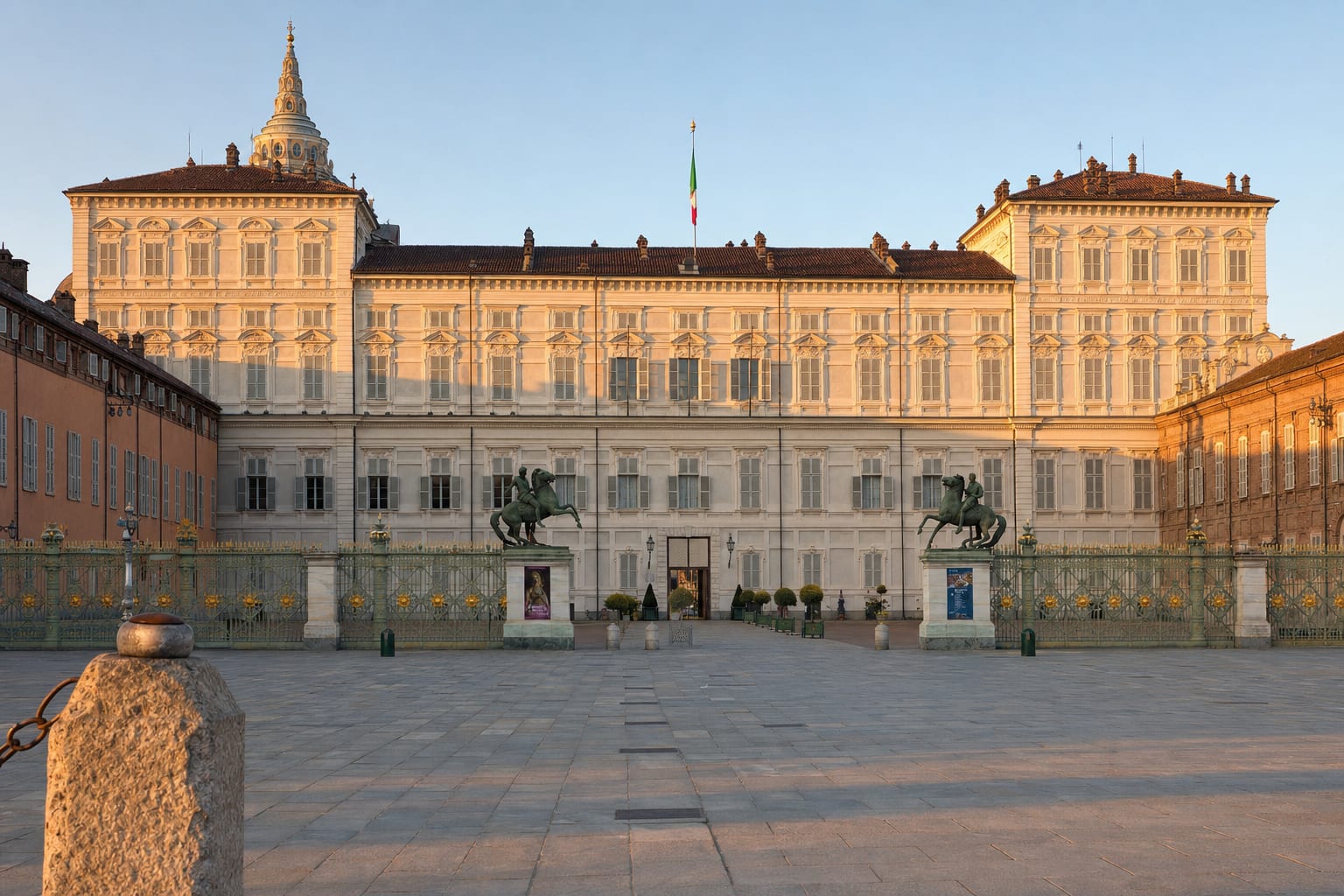 PalazzoUNESCOPalazzo Reale di TorinoSavoy royal seat, Royal Armoury, Guarini's Chapel of the Holy Shroud, Giardini RealiThe Savoy dukes made this their seat from 1563, and three centuries of rule filled it with a Royal Armoury still ranked among Europe's finest collections of arms and armor. The palace's most startling space belongs to Guarino Guarini, whose black marble Chapel of the Holy Shroud spirals up into a dizzying honeycomb dome built to house the Shroud of Turin. A fire gutted that dome in 1997, and the chapel reopened only in 2018 after twenty-one years of restoration, reached today directly from the palace's picture gallery. Behind the palace, the Giardini Reali were laid out to a design attributed to André Le Nôtre, the landscape architect of Versailles. Together with Turin's other Savoy residences, the palace anchors a UNESCO World Heritage Site inscribed in 1997.
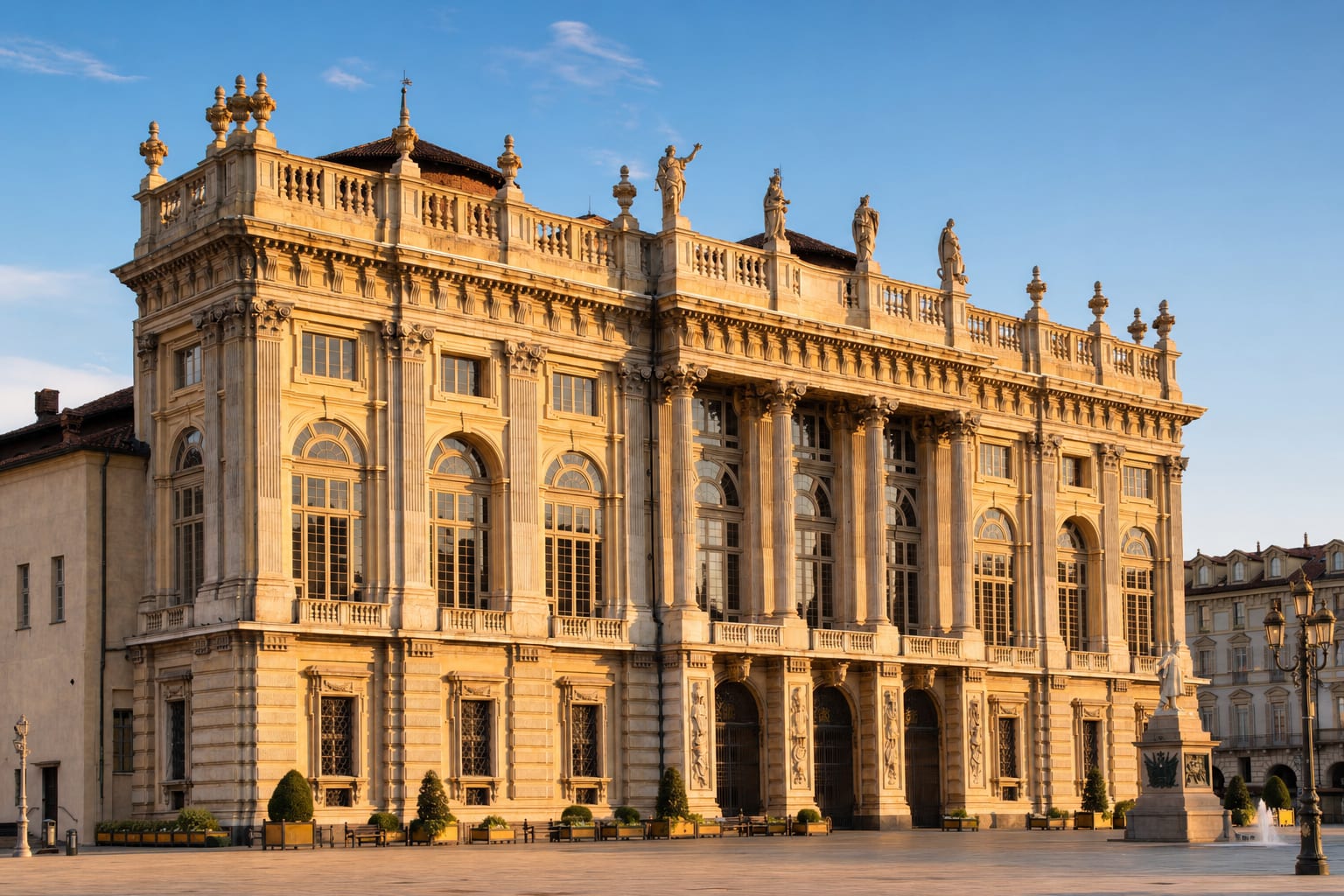 PalazzoUNESCOPalazzo MadamaRoman gate to Baroque facade, Juvarra's staircase, Antonello da Messina's portrait, Civic Museum of Ancient ArtPalazzo Madama stacks two thousand years of Turin into one building: a Roman city gate anchors the base, a medieval Acaja castle rises from it, and Filippo Juvarra wrapped the whole thing in a Baroque facade and a grand staircase in 1721, commissioned by Marie Jeanne Baptiste of Savoy-Nemours, one of the 'Madamas Reali' who gave the palace its name. Inside, the Museo Civico d'Arte Antica runs from Gothic ivories and Books of Hours to Antonello da Messina's Portrait of a Man, a small oil panel whose sitter's half-smile has unsettled viewers since the 1470s. The medieval towers still stand behind Juvarra's front, so a single walk around the building crosses Roman, medieval and eighteenth-century Turin in a few hundred meters.
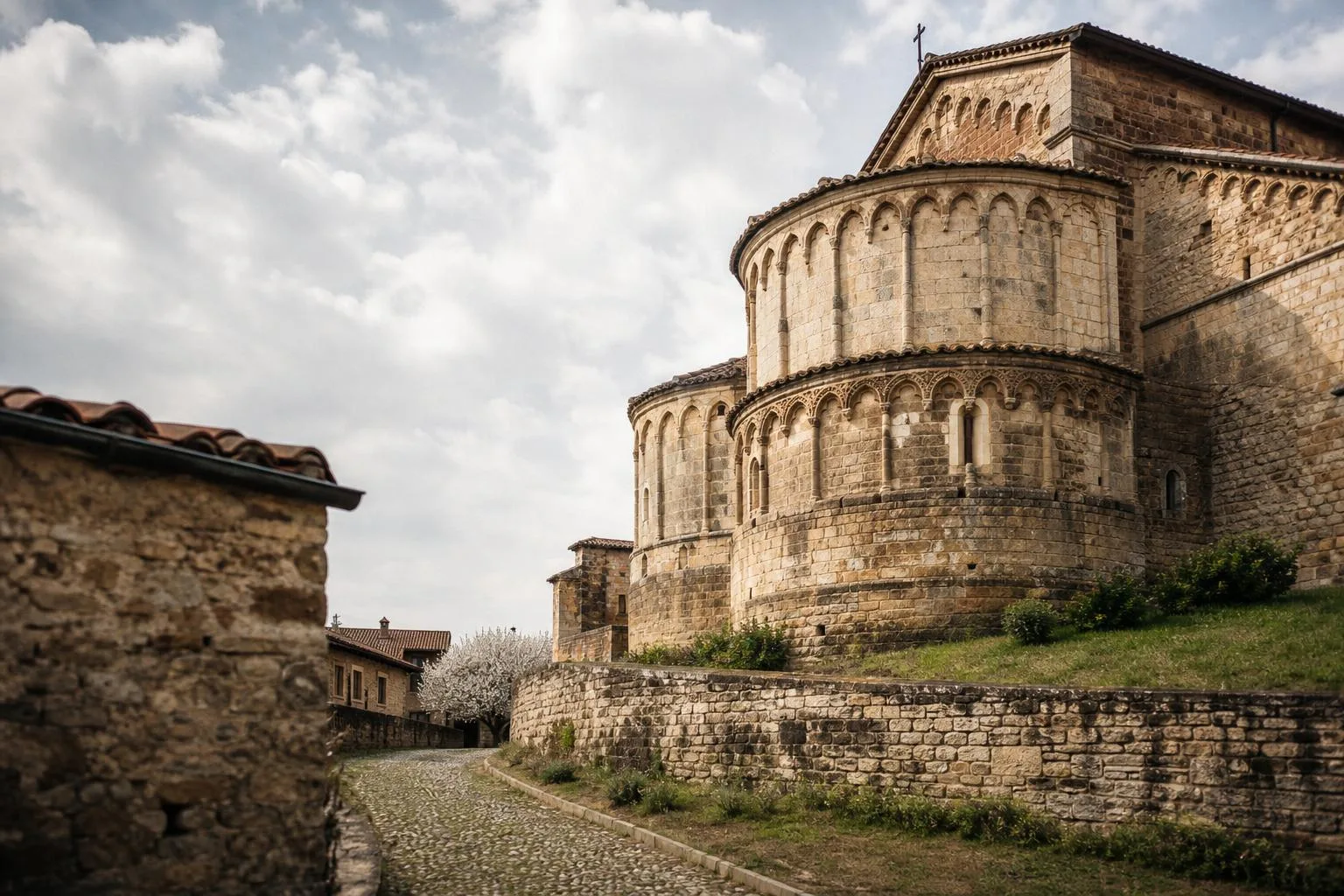 ChiesaGemma nascostaAbbazia di Santa Maria di Vezzolano1189 stone rood screen, carved capitals, Romanesque-Gothic facade, Transromanica networkA carved stone rood screen from 1189, among the oldest and most complete in Italy, still divides the nave of this Romanesque-Gothic abbey in the hills above Albugnano. Canons Regular built Vezzolano on a site legend ties to Charlemagne, and by the early 1200s its facade carried the two-tier blind arcades and rose window that still define it. The cloister's capitals mix biblical scenes with grotesque beasts, and frescoes from the 1300s line the walls above. Suppressed under Napoleon and later abandoned, the abbey was restored through the twentieth century and passed to state management in 2014; it now shows a permanent exhibition in its chapter house and keeps a small medieval-style orchard behind the cloister, part of the Transromanica network of Romanesque sites across Europe.
Tour da prenotare a Torino
Confrontati dai nostri editor, tra i vari operatori.
Prenotando da questi link Italia Magnifica può ricevere una commissione, senza costi per te.
- Viator
- 2 h
- 4,9★ · 16 recensioni
da 70 €Prenota questo tour- Viator
- 6 h
- 5,0★ · 4 recensioni
da 320 €Prenota questo tour- Viator
- 3 h
- 5,0★ · 11 recensioni
da 80 €Prenota questo tour- Viator
- 2 h
- 5,0★ · 5 recensioni
da 44 €Prenota questo tour- Viator
- 3 h
- 5,0★ · 2 recensioni
da 145 €Prenota questo tour- Viator
- 2 h
- 4,9★ · 36 recensioni
da 169 €Prenota questo tour


Nel raggio di una gita
Altri monumenti in Piemonte, a una gita di distanza.
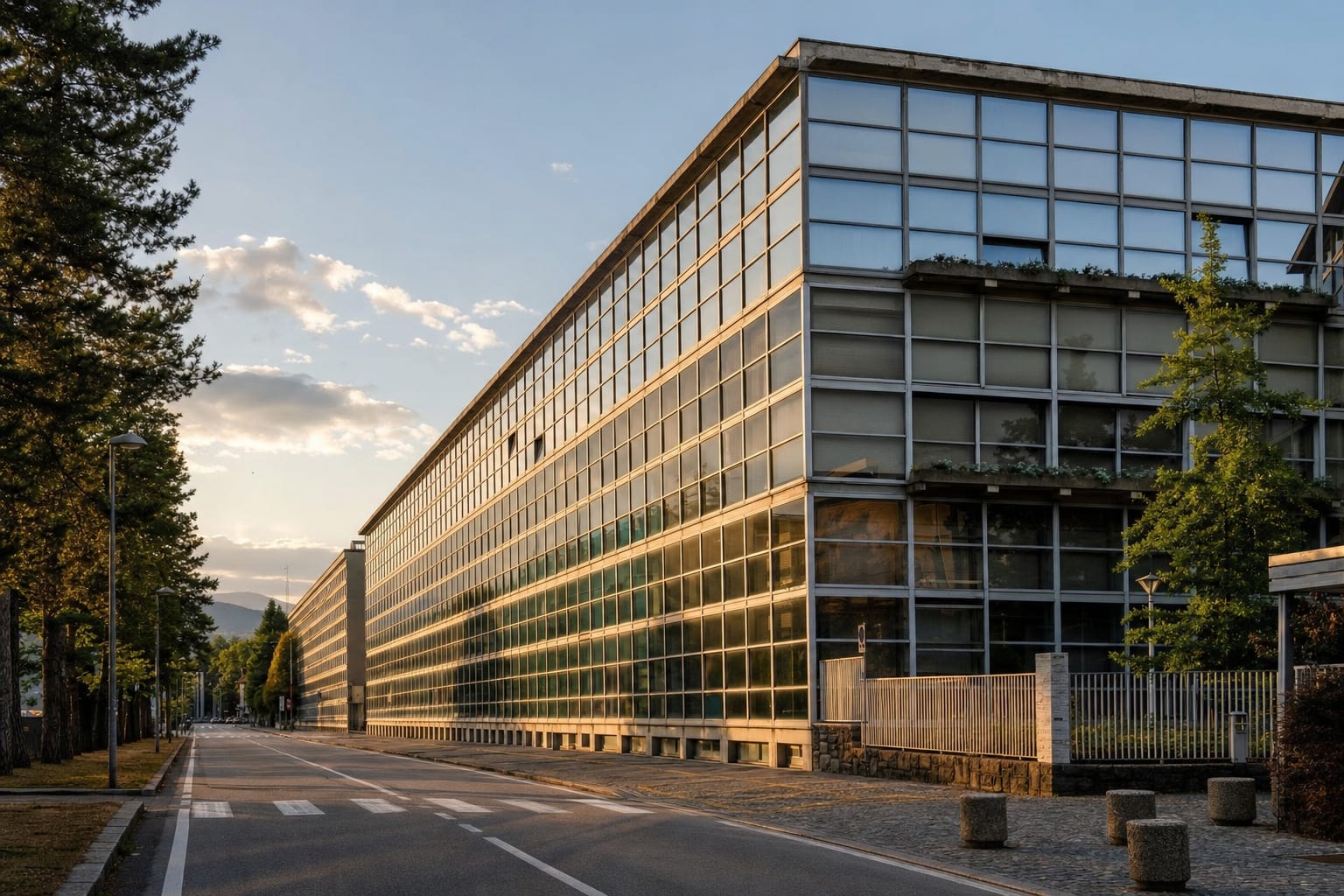 IvreaUNESCOIvrea, città industriale del XX secoloOlivetti's modernist factories, Adriano Olivetti's Movimento Comunità, worker housing and social services
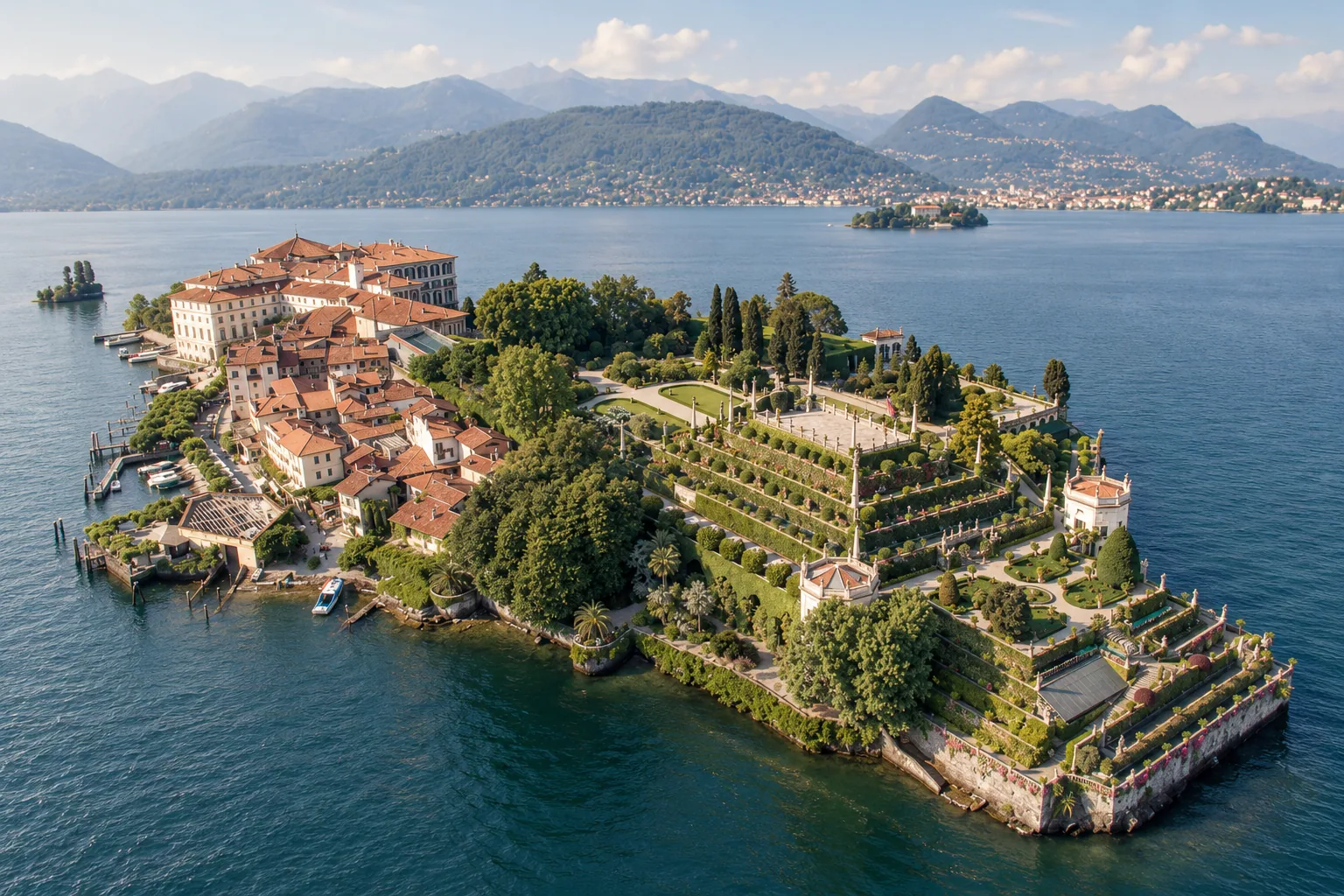 StresaIsola BellaTen-terrace Baroque garden, Palazzo Borromeo, white peacocks, Napoleon's 1797 stay
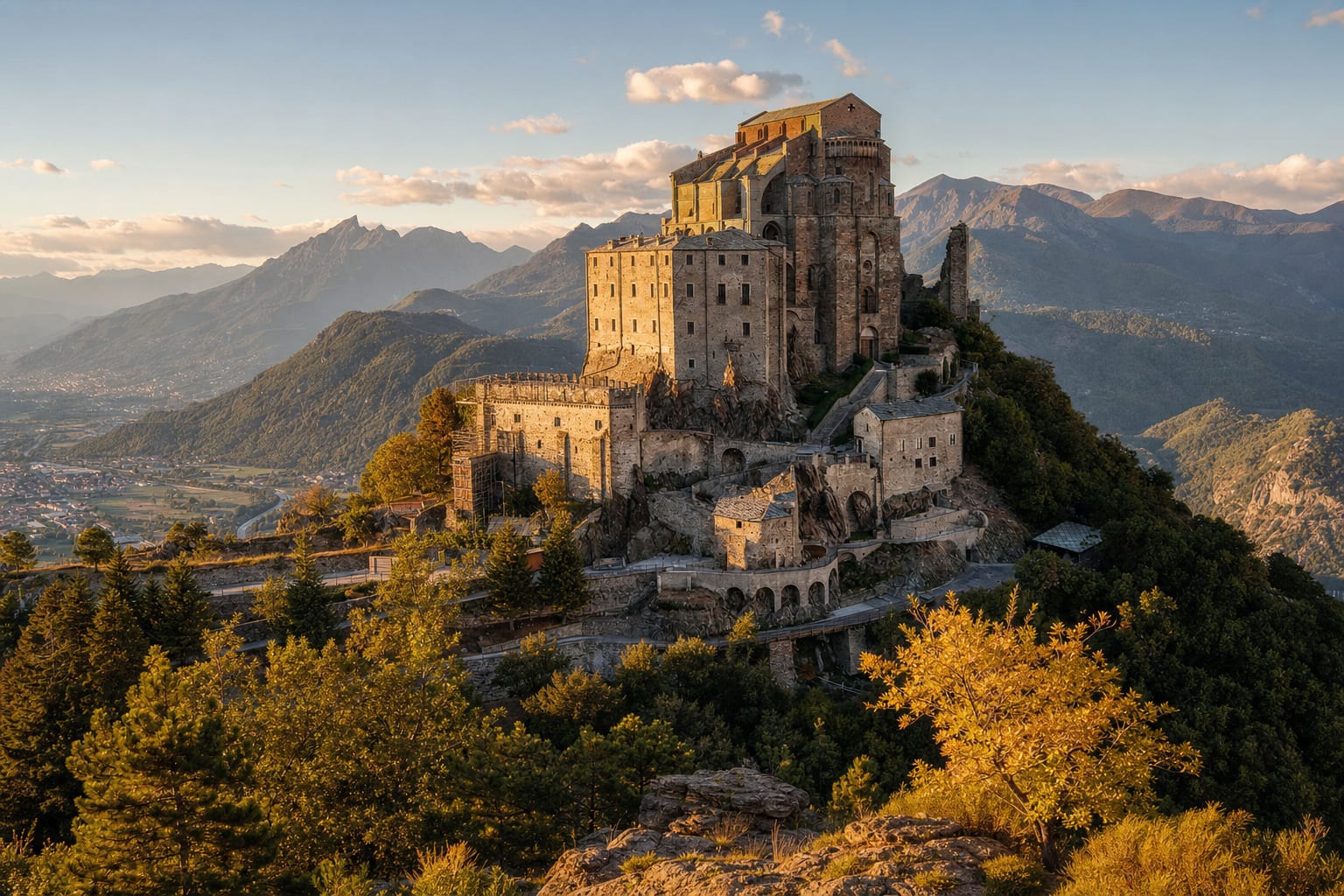 Sant'Ambrogio di TorinoSacra di San MicheleAbbey on Mount Pirchiriano, Stairway of the Dead, Zodiac Portal, symbol of Piedmont
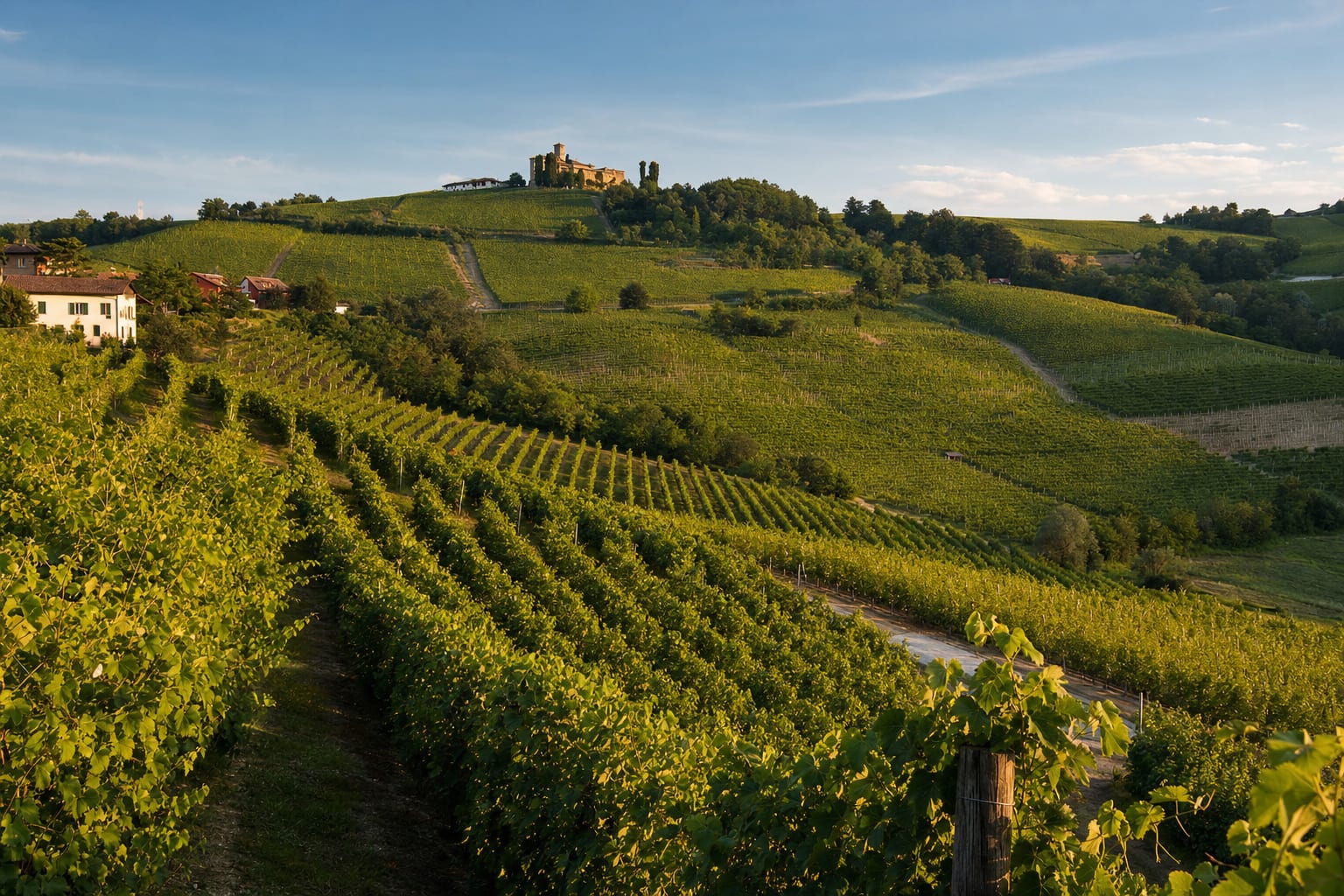 BaroloUNESCOColline delle LangheBarolo and Barbaresco crus, Nebbiolo vines, hilltop villages, autumn fog and white truffles
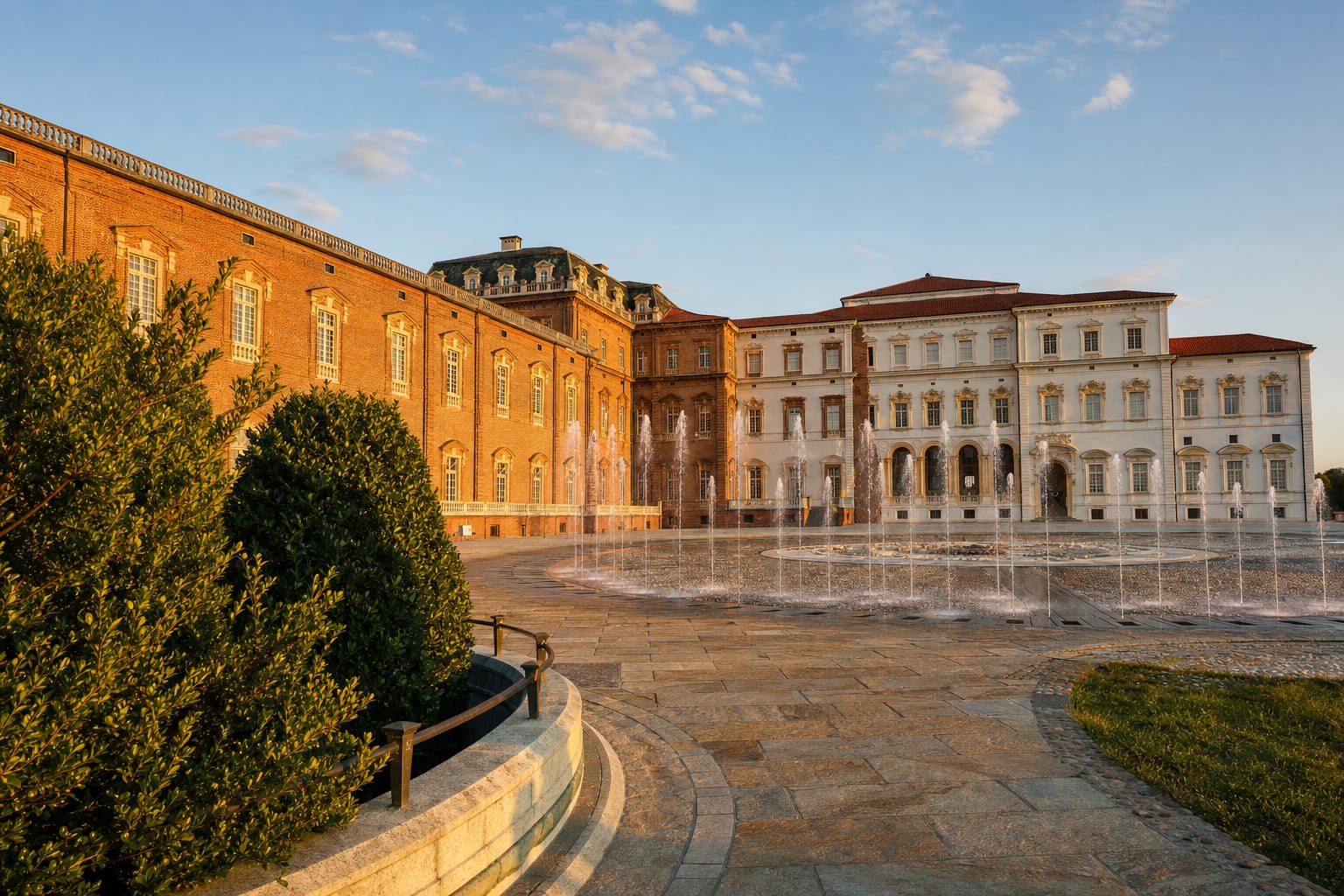 Venaria RealeUNESCOReggia di Venaria RealeJuvarra's Great Gallery, Sant'Uberto chapel, restored Savoy gardens, UNESCO Savoy residence
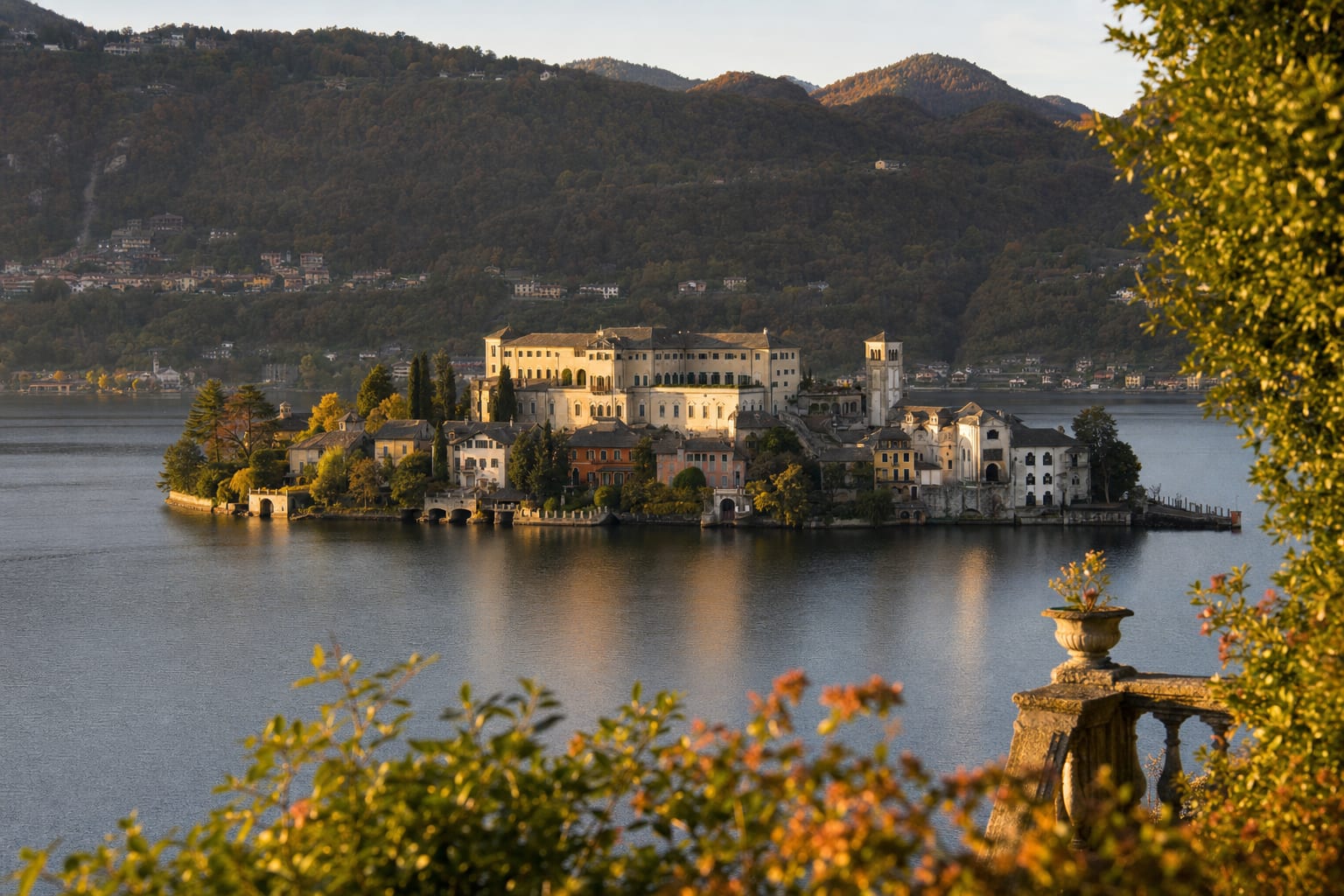 Orta San GiulioIsola di San GiulioIsland basilica of San Giulio, Way of Silence path, closed Benedictine convent, Lake Orta stillness
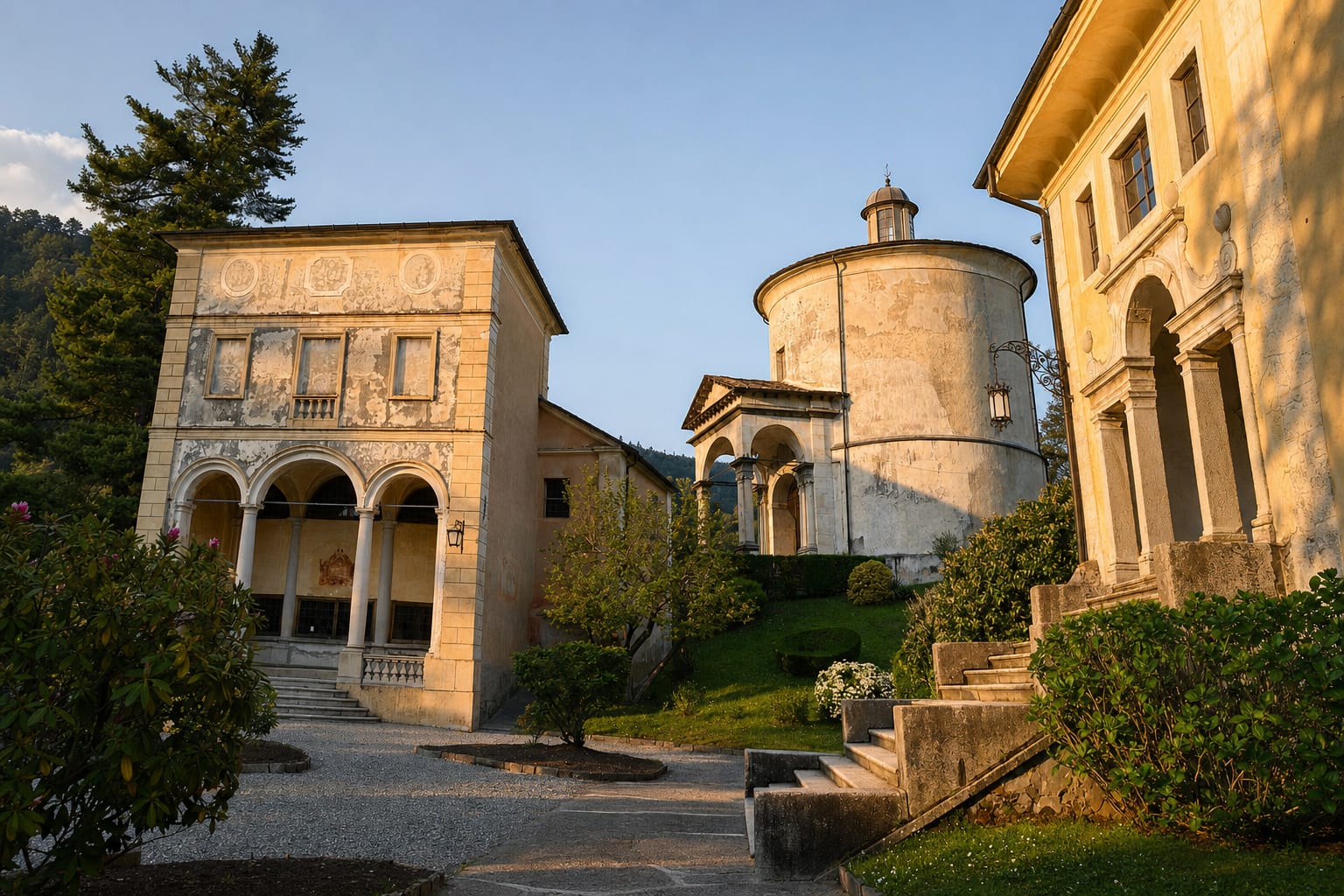 VaralloUNESCOSacro Monte di VaralloNew Jerusalem of 1491, forty-five chapels, Gaudenzio Ferrari figures, UNESCO since 2003
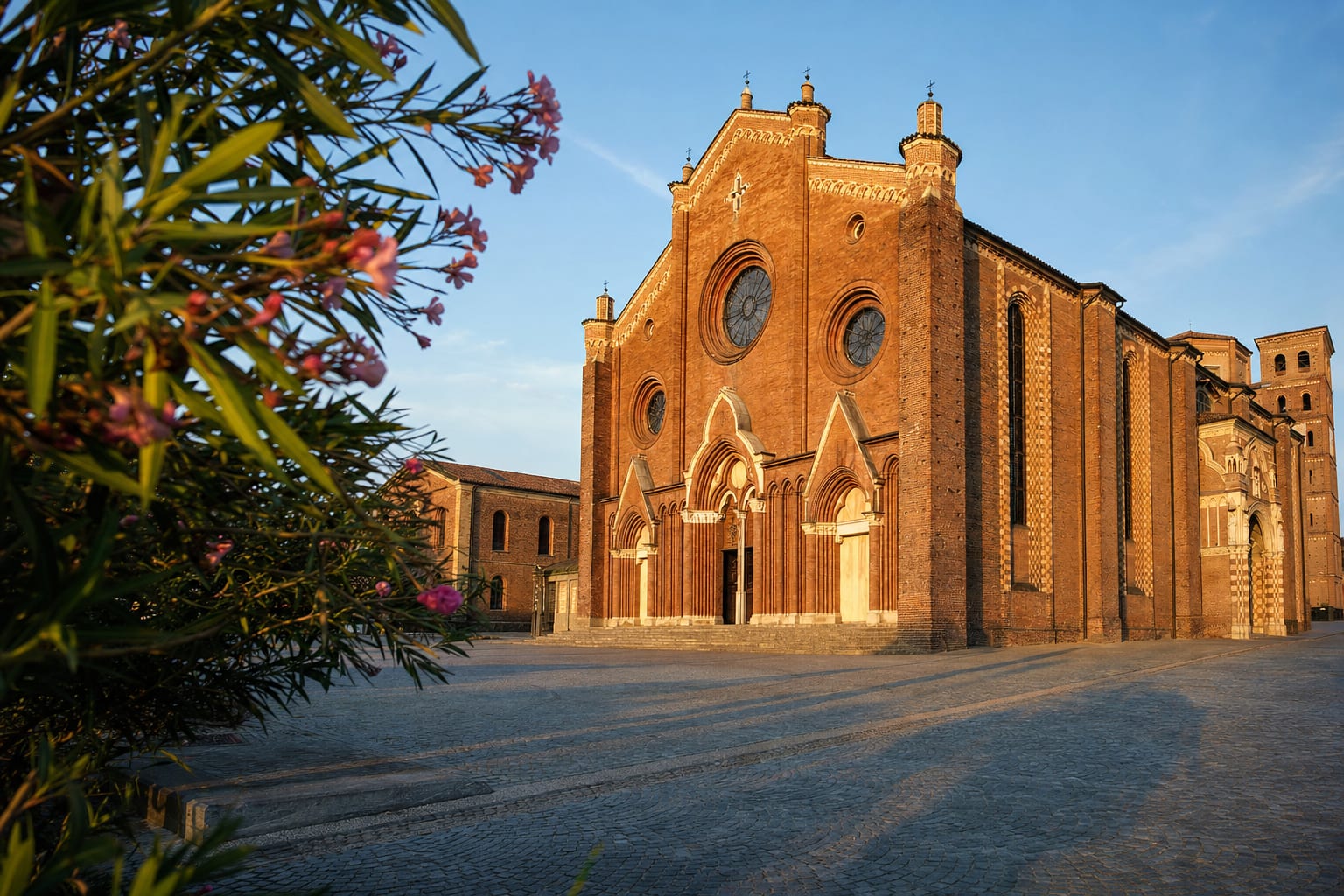 AstiCattedrale di AstiLargest Gothic church in Piedmont, 1266-1470 construction, Carloni's 1767 presbytery frescoes, Jacopo Ghigo's campanile