

Tutti i monumenti di Tivoli
I luoghi e i capolavori attorno a cui vale la pena costruire una giornata.
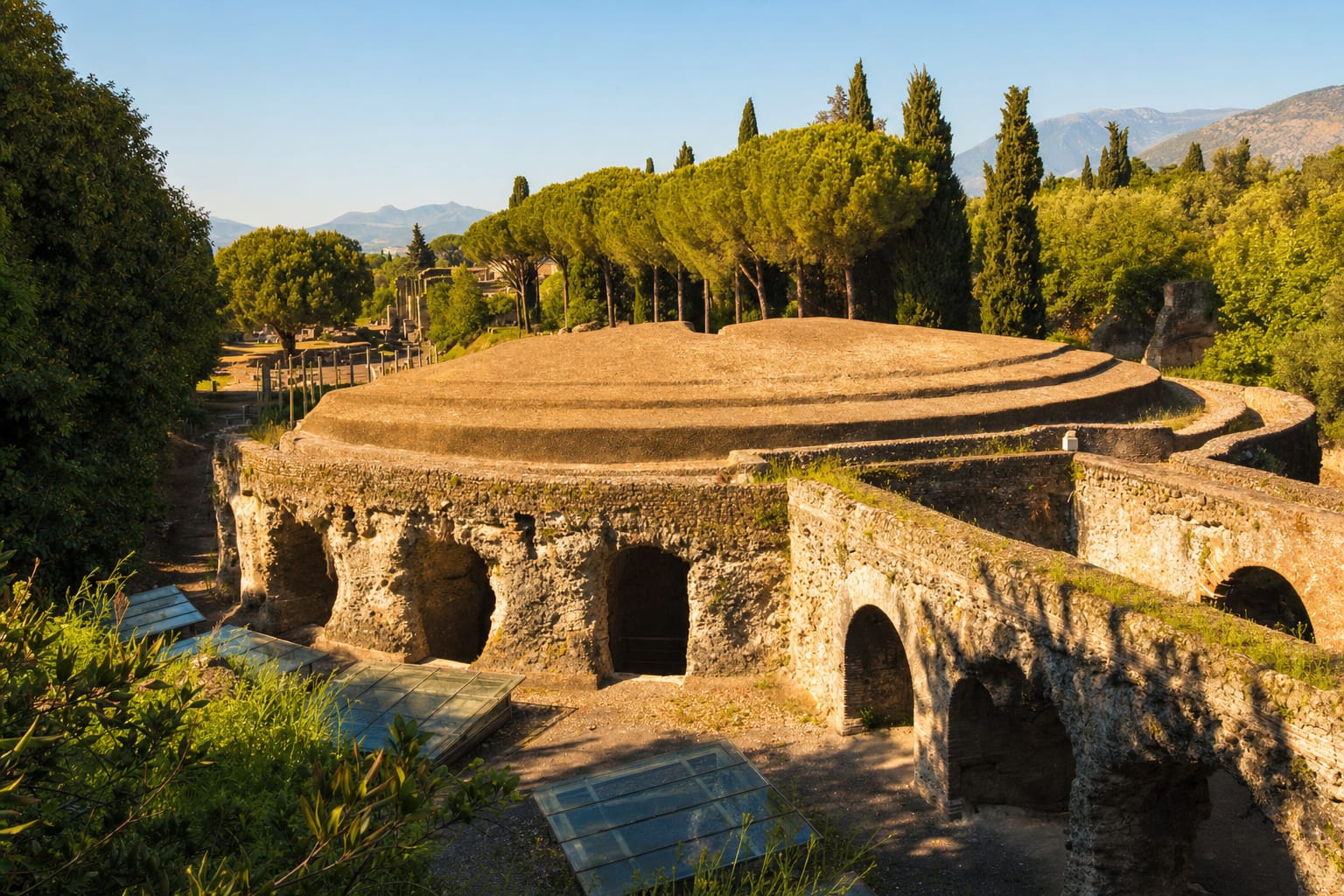 Sito archeologicoUNESCOVilla AdrianaCanopus pool, Maritime Theatre, Piazza d'Oro, Poecile, Roman concrete vaultsHadrian began building this villa around 118 and rebuilt in it his favorite places from years of travel across the empire, so a walk through the ruins is a tour of memory rather than a plan: the Canopus, a long reflecting pool lined with caryatids and Egyptian figures, recalls the Nile; the Maritime Theatre is a circular colonnade around a moat and a tiny island villa, where the emperor could withdraw from his own court. More than thirty buildings spread across a site larger than Pompeii, drawn in bold curves that only Roman concrete made possible. UNESCO inscribed it in 1999, and the site is among the most rewarding half days within reach of Rome.Pianifica la visita
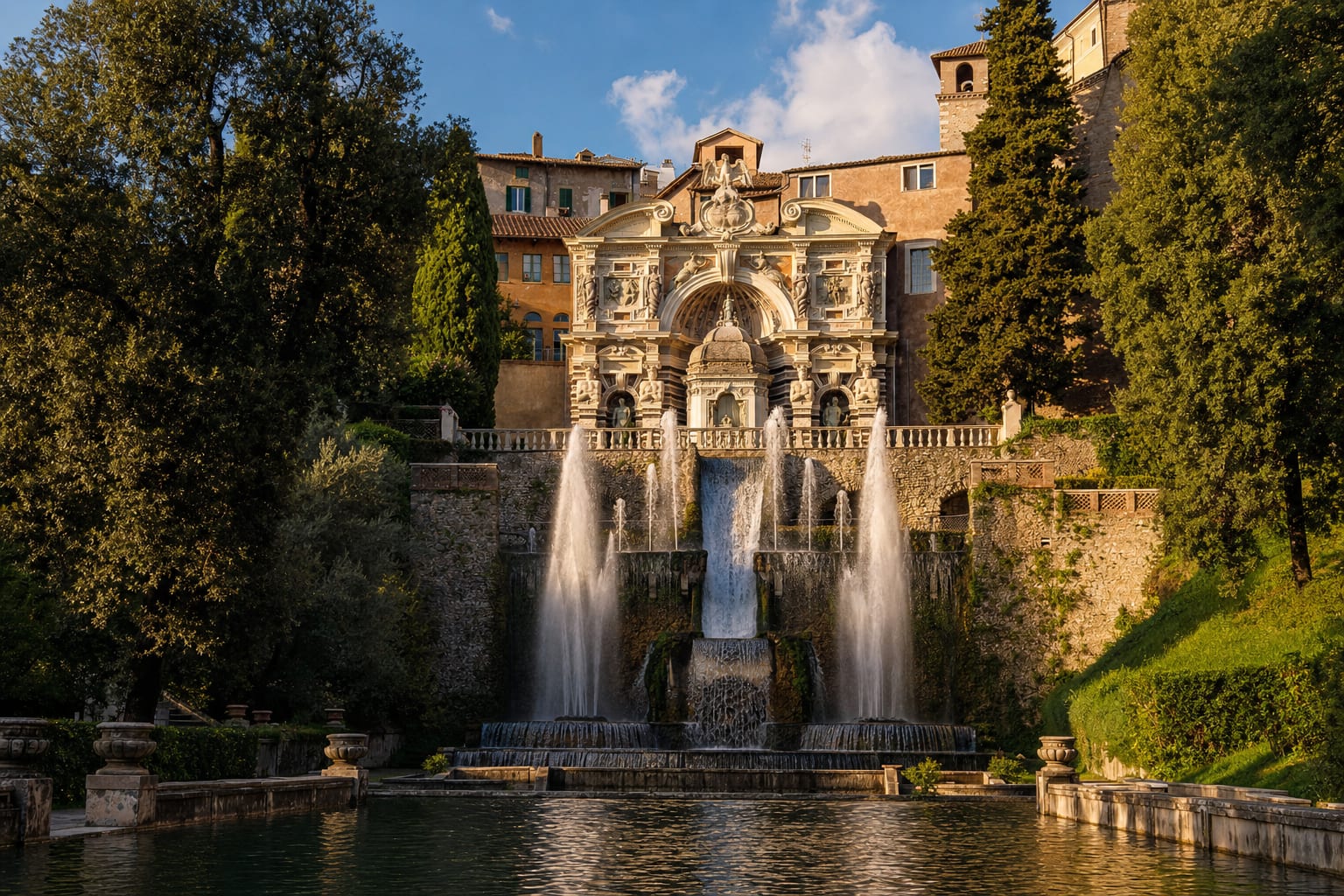 GiardinoUNESCOVilla d'EsteAvenue of the Hundred Fountains, Organ Fountain, Oval Fountain, Rometta, Renaissance gardenCardinal Ippolito II d'Este, who twice missed the papacy, consoled himself from 1560 with this hillside villa and a garden that turned Tivoli's river water into theatre. Pirro Ligorio designed it as a sequence of terraces: the long Avenue of the Hundred Fountains, the Oval Fountain, the Rometta with its miniature Rome, and the Organ Fountain, which plays by water pressure alone, as it did for sixteenth-century guests. There are fifty-one fountains and nymphaeums, hundreds of jets and cascades, and no pumps: everything flows by gravity. Inside, the villa's rooms are frescoed with mythology and Este history. UNESCO inscribed it in 2001, and the garden shaped European garden design for two centuries.
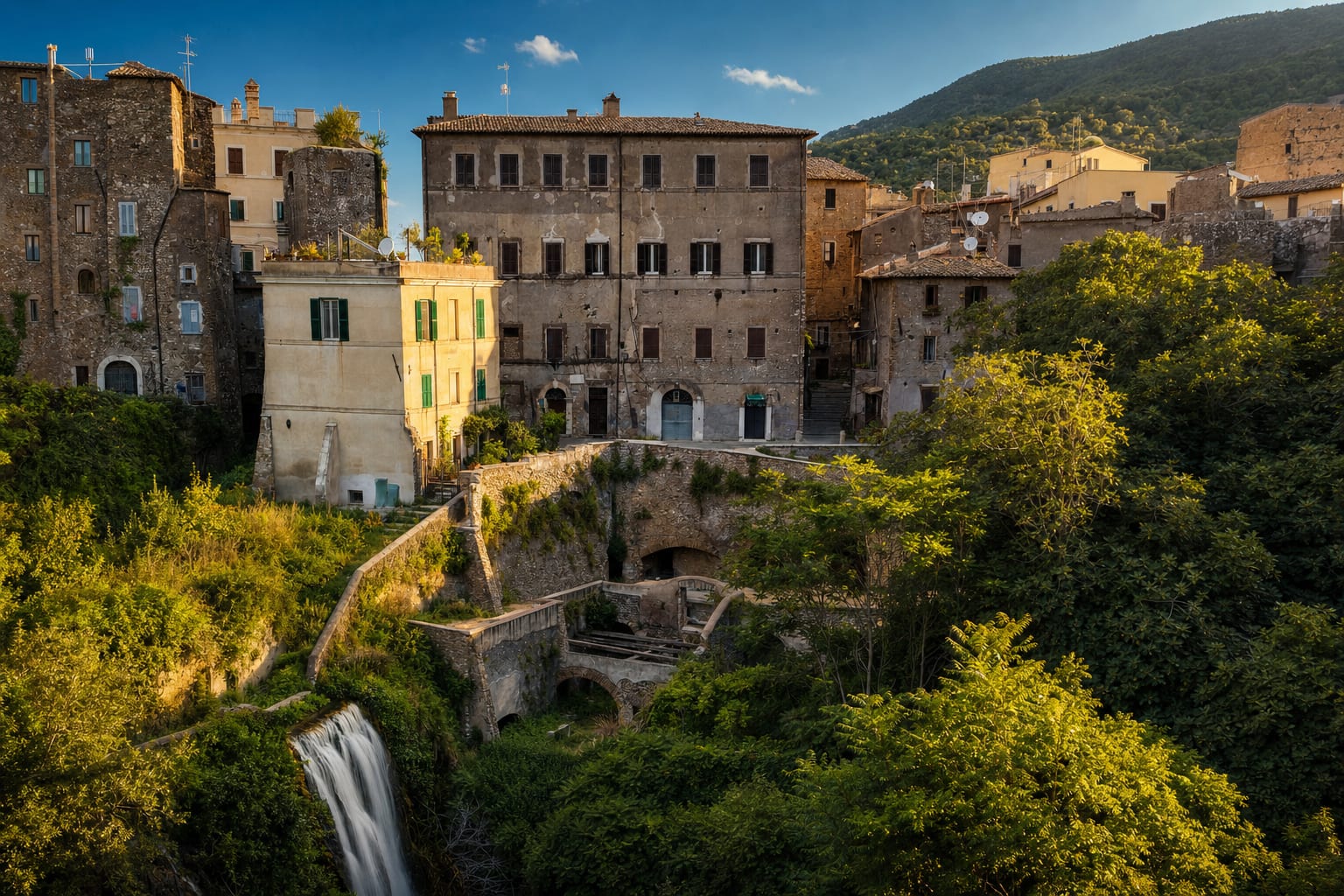 NaturaParco Villa GregorianaGrande Cascata waterfall, Temple of Vesta and Sibyl, Neptune and Sirens grottoes, Gregorian tunnelsIn November 1826, the Aniene river flooded and nearly destroyed Tivoli, sweeping away buildings along the old riverbed. Pope Gregory XVI's engineers answered by boring two tunnels through Monte Catillo to reroute the water entirely, completing the diversion by 1835, and let the abandoned gorge become a park instead. The diverted river now drops roughly 120 meters as the Grande Cascata, one of Europe's tallest artificial waterfalls, into a ravine planted with romantic-era paths. Walkways switchback down past the Neptune and Sirens grottoes to the valley floor, then climb back up to the Acropolis, where the round Temple of Vesta and the rectangular Temple of the Sibyl, both from the Republican era, look out over the gorge that Grand Tour artists came here to paint. FAI reopened the whole park to visitors in 2005 after a major landscape restoration.
Nel raggio di una gita
Altri monumenti nel Lazio, a una gita di distanza.
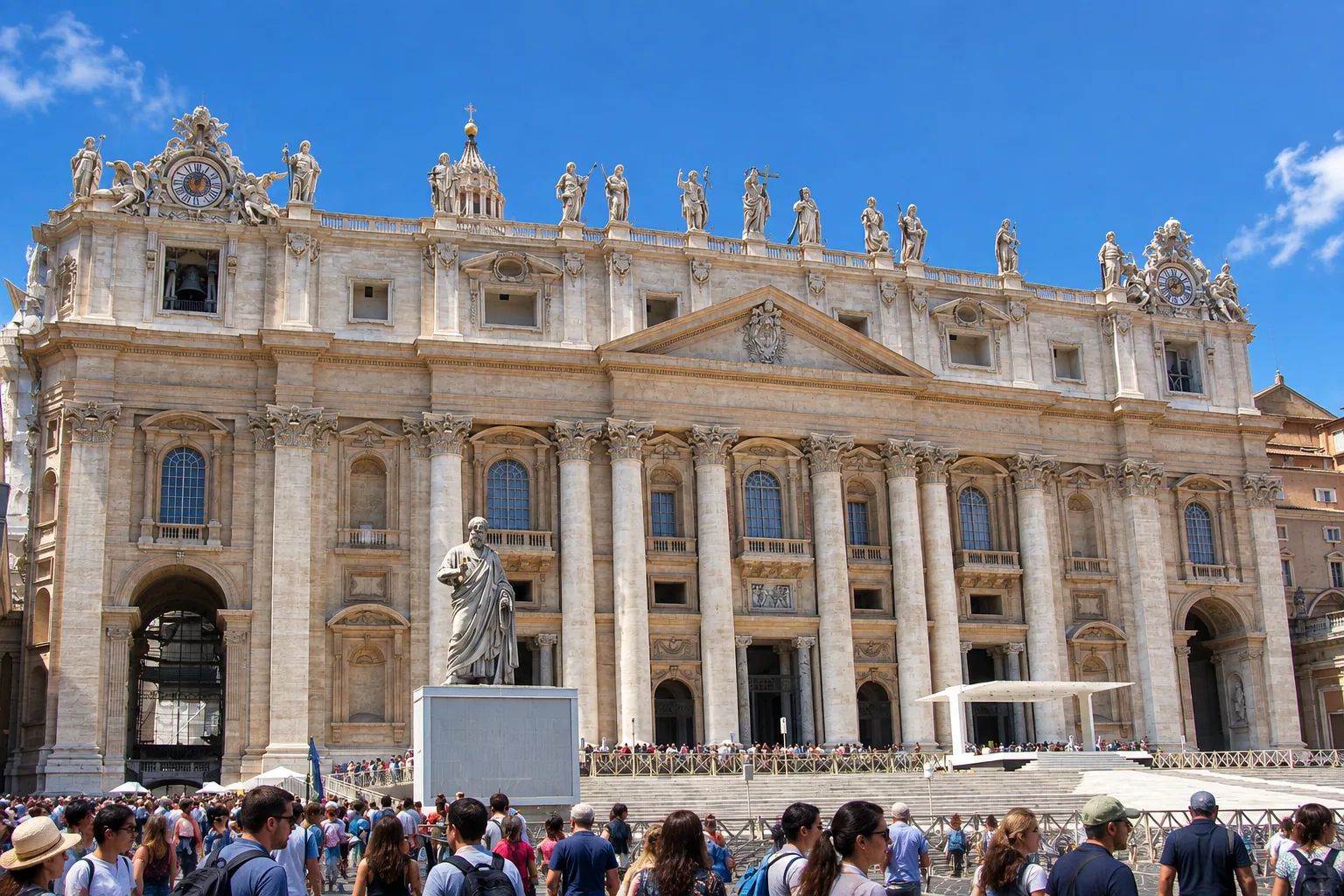 RomaBasilica di San PietroMichelangelo's dome and Pietà, Bernini's baldacchino, Saint Peter's Square, the papal tombs
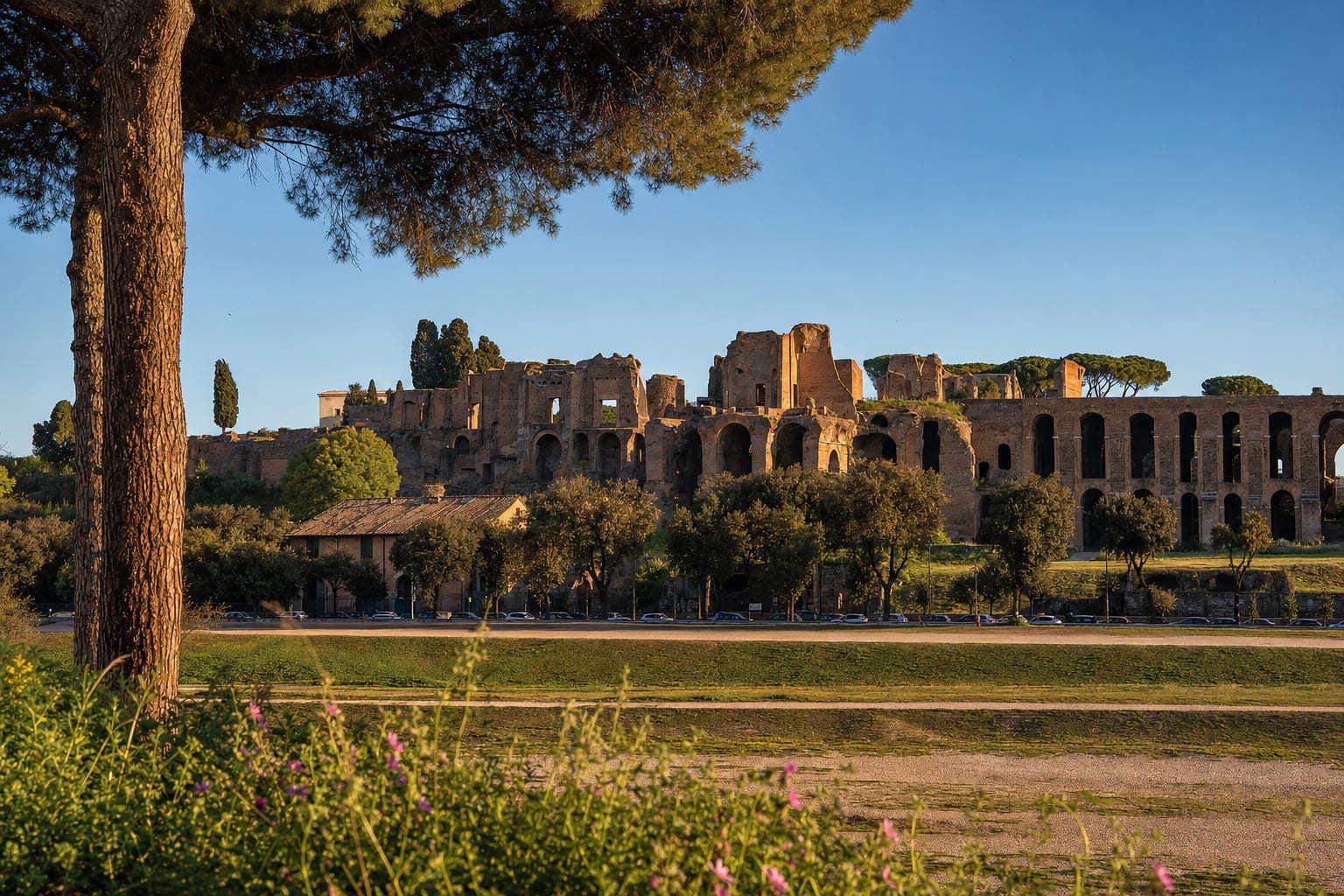 RomaPalatinoRome's mythical founding site, Augustus's house, the Domus Flavia, the Farnese Gardens, views over the Forum
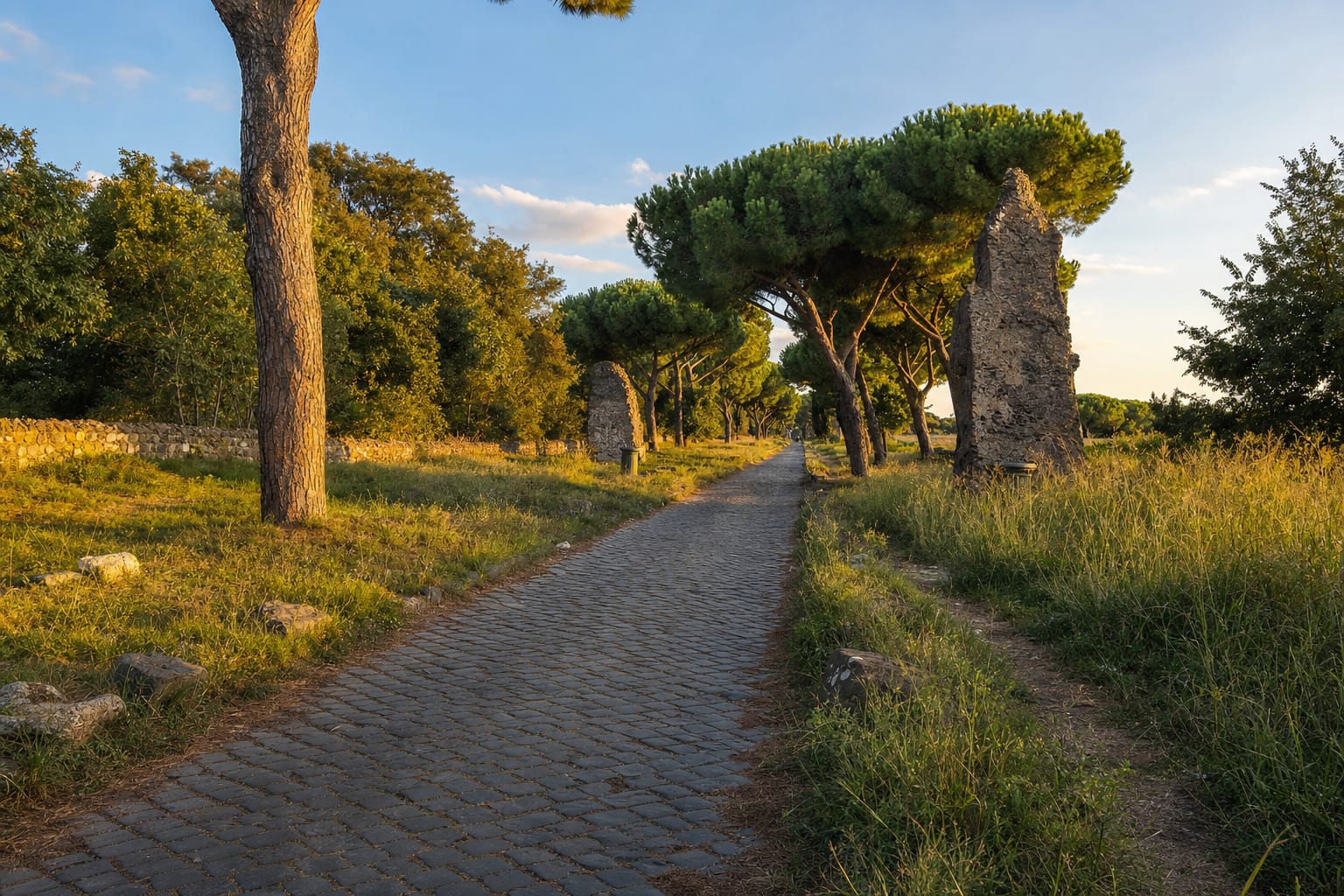 RomaUNESCOVia Appia AnticaOriginal Roman basalt paving, the catacombs of San Callisto and Domitilla, umbrella pines, Roman tombs
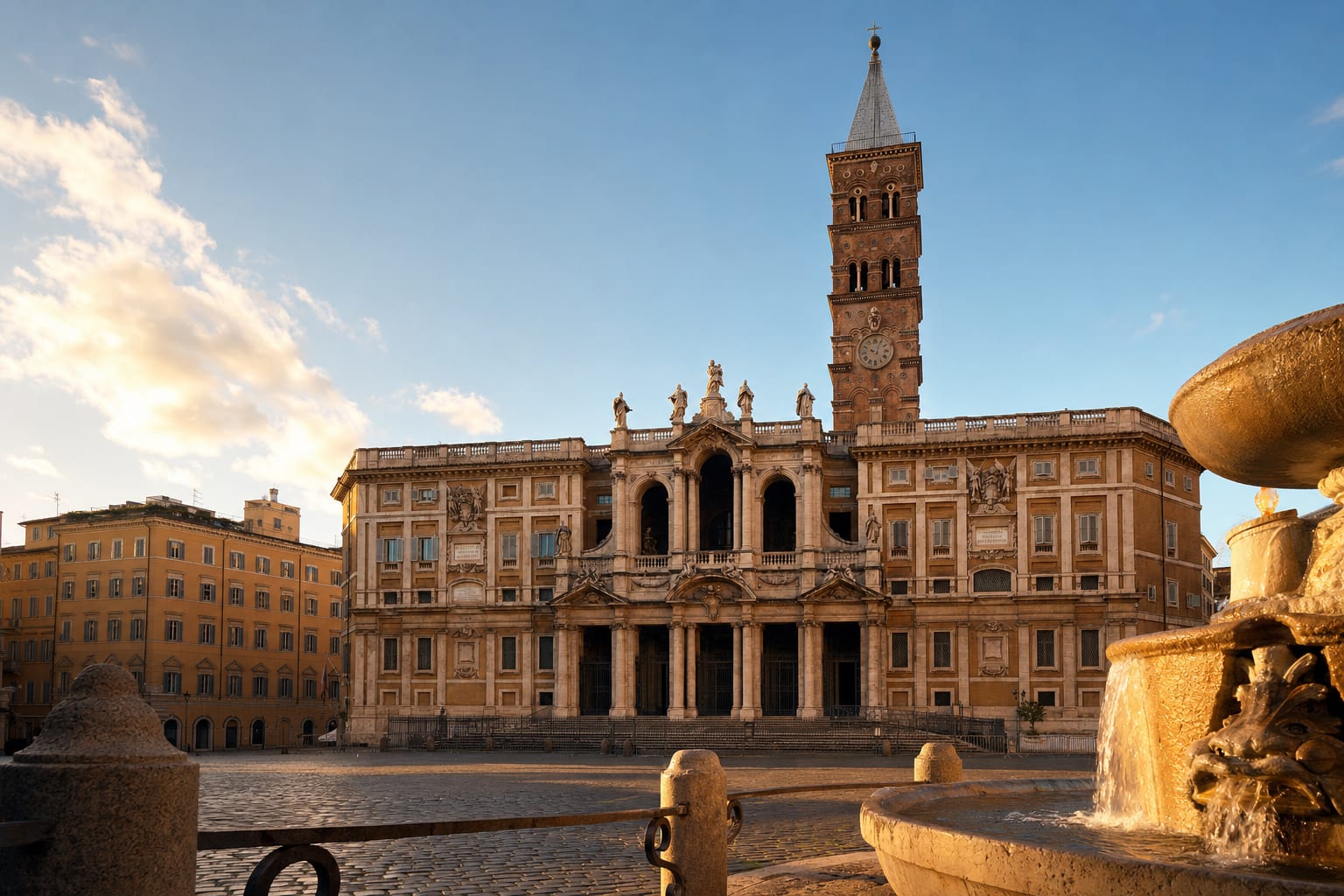 RomaBasilica di Santa Maria MaggioreFifth-century mosaics, Torriti's apse mosaic, the legend of the August snow, its gilded ceiling
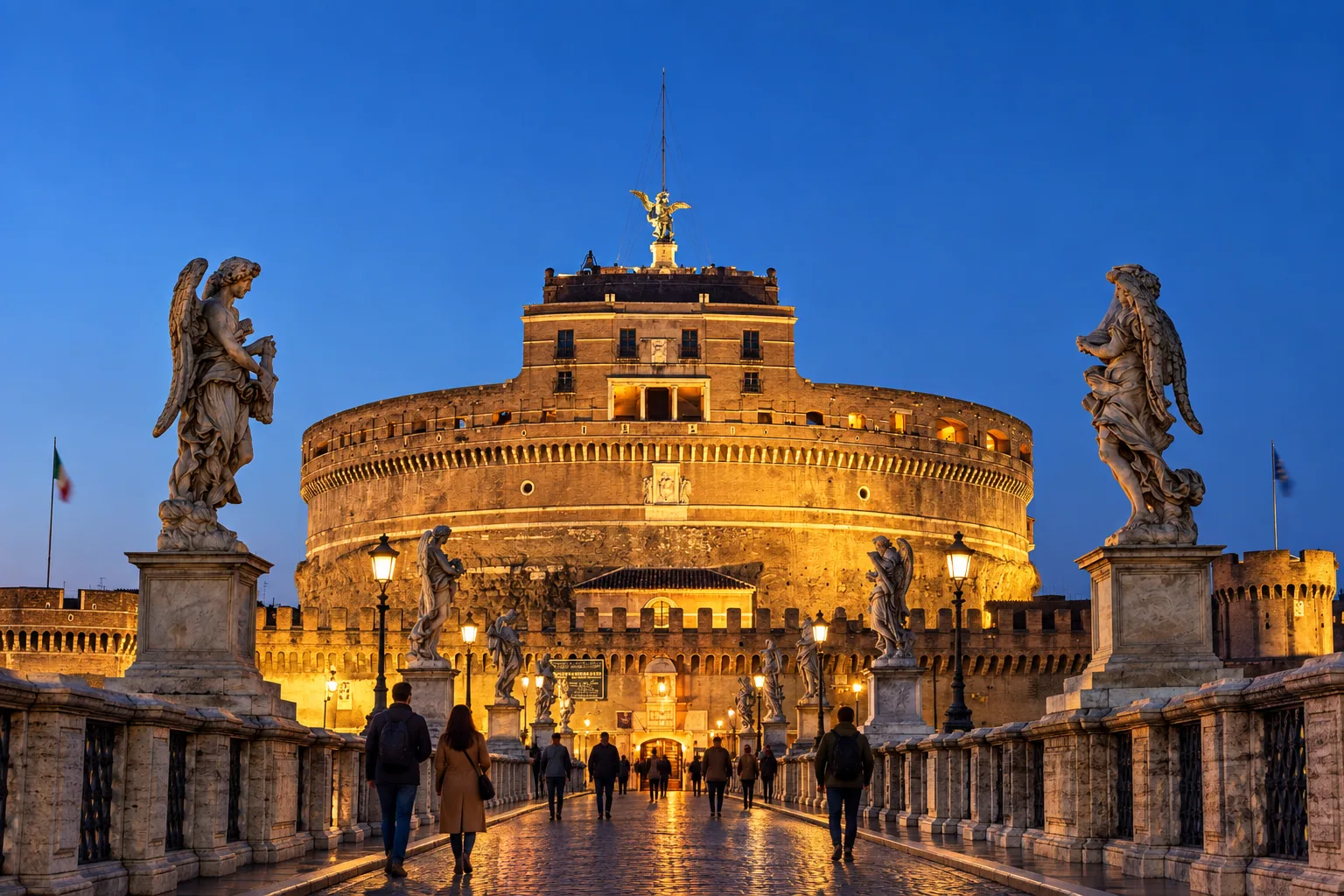 RomaCastel Sant'AngeloHadrian’s mausoleum, Passetto di Borgo, bronze angel, papal apartments, terrace views
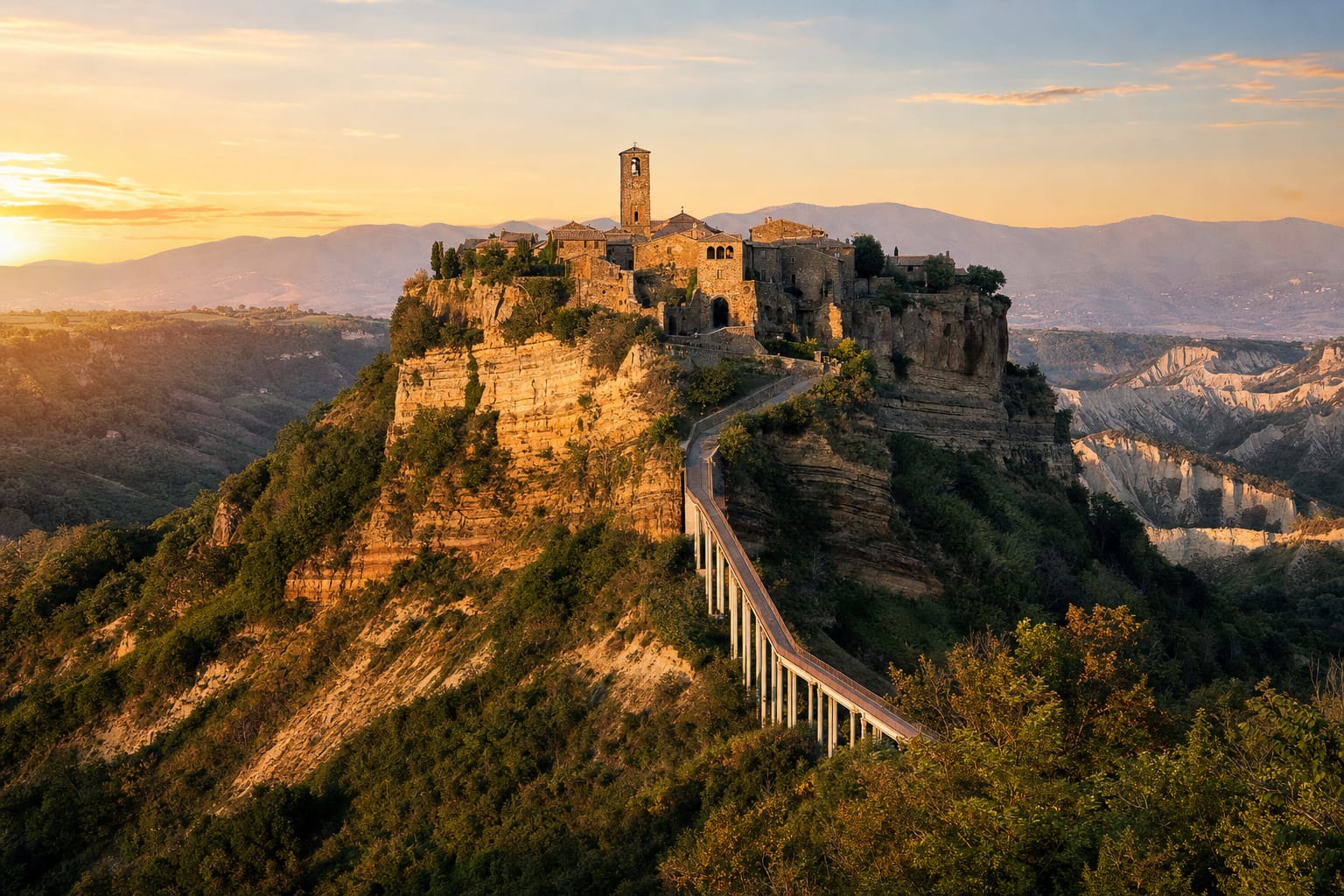 BagnoregioCivita di BagnoregioFootbridge access, crumbling tuff plateau, badlands, the dying town
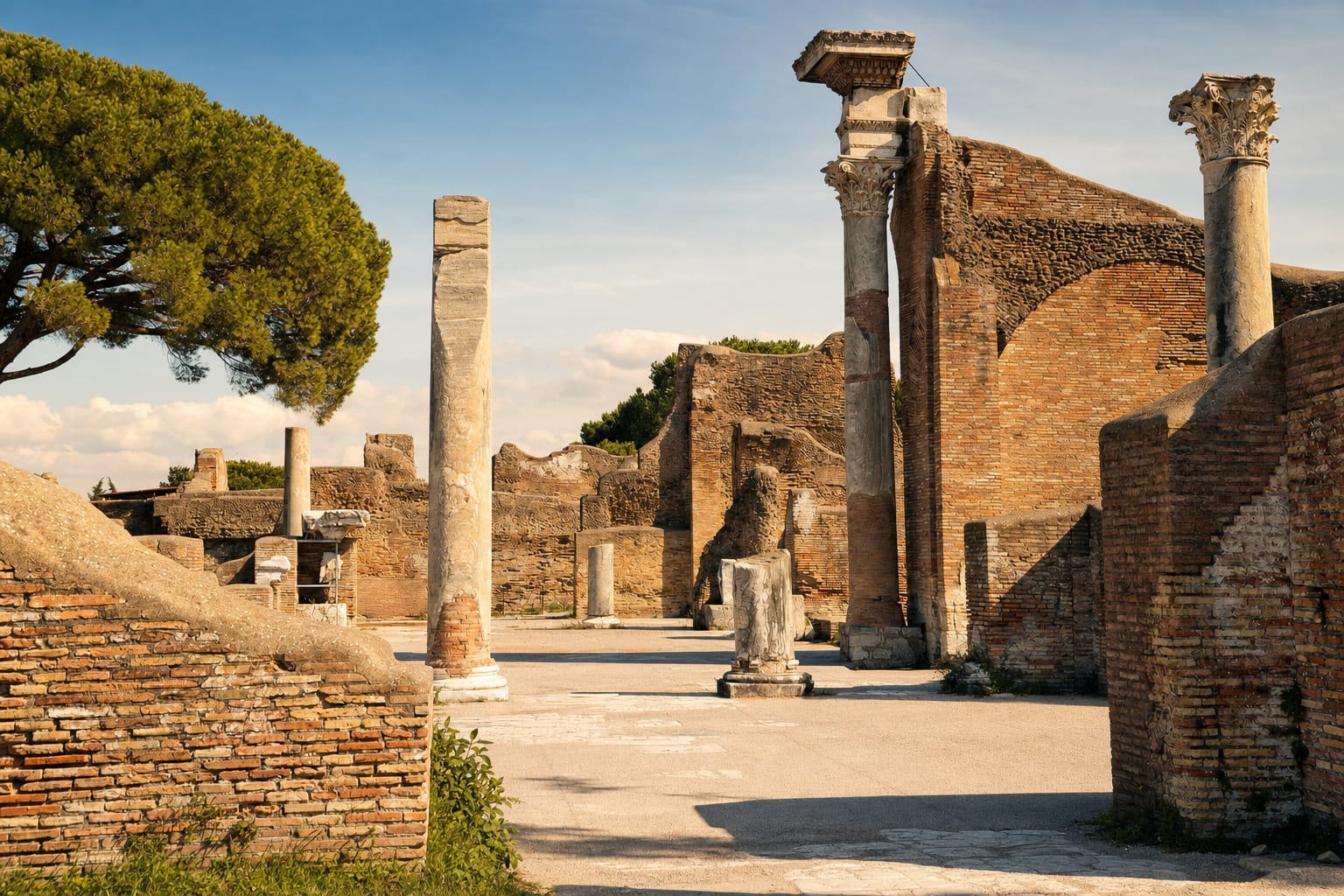 RomaScavi di Ostia AnticaPiazzale delle Corporazioni mosaics, Roman theatre, thermopolium, everyday Roman life, Museo Ostiense
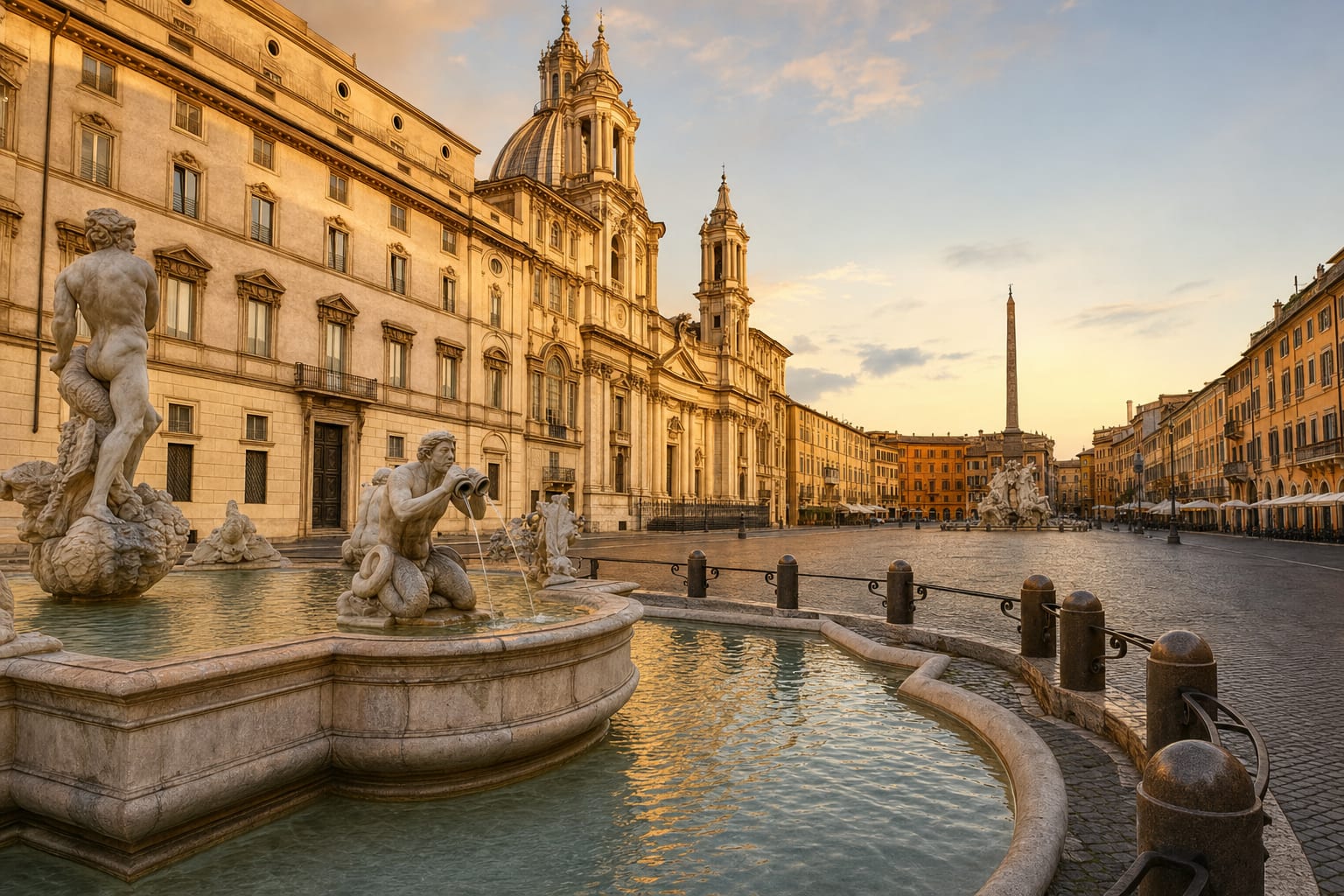 RomaPiazza NavonaBernini's Fountain of the Four Rivers, Borromini's Sant'Agnese, Domitian's stadium footprint, Baroque theatre of Rome