

Tutti i monumenti di Napoli
I luoghi e i capolavori attorno a cui vale la pena costruire una giornata.
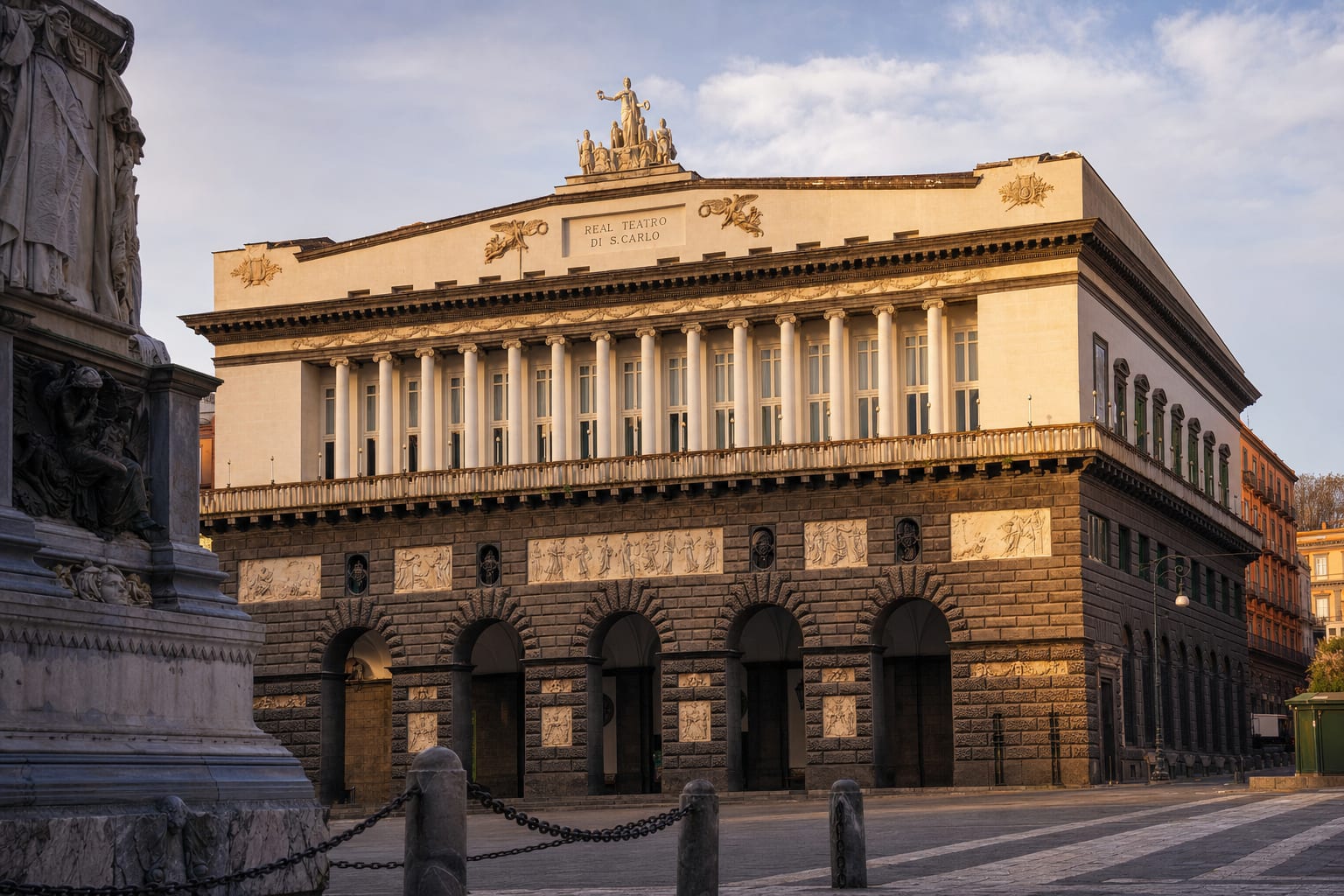 TeatroTeatro di San CarloIts 1737 Bourbon foundation, oldest opera house in continuous use, horseshoe-plan auditorium, royal boxKing Charles VII of Bourbon commissioned Teatro di San Carlo to replace Naples's aging Teatro San Bartolomeo, and it opened on 4 November 1737, his name day, decades before La Scala in Milan or La Fenice in Venice, which makes it the oldest opera house in the world still in continuous use. Architects Giovanni Antonio Medrano and Angelo Carasale gave it the horseshoe-shaped auditorium that became the template for opera houses across Europe; when a fire gutted the hall in 1816, architect Antonio Niccolini rebuilt it within a single year, keeping that same horseshoe plan and its proscenium arrangement. The house originally seated 3,285 people, since reduced to 1,386 for comfort and modern sightlines, and its gilded boxes and royal box, connected directly to the adjoining Royal Palace, still telegraph exactly who this theater was built to impress. The opera season runs from late November to July and ballet from December to early June.Pianifica la visita
 MuseoMuseo Archeologico Nazionale di NapoliFarnese Marbles, Alexander Mosaic, Pompeii and Herculaneum finds, Secret CabinetThe Museo Archeologico Nazionale di Napoli holds the finds that make sense of Pompeii and Herculaneum: wall paintings, bronzes, and the Alexander Mosaic, lifted whole from the House of the Faun in the 1840s. Its ground floor is anchored by the Farnese Marbles, Renaissance-era finds from Rome's Baths of Caracalla, including the colossal Farnese Bull, carved from a single block and the largest sculpture to survive from antiquity. The building has a long institutional life: raised as a cavalry barracks in the 1580s, it served as the University of Naples's seat for over a century before King Ferdinand IV opened it as the Real Museo Borbonico in 1816. Upstairs, the discreetly named Secret Cabinet holds the erotic art the Bourbons once locked away.
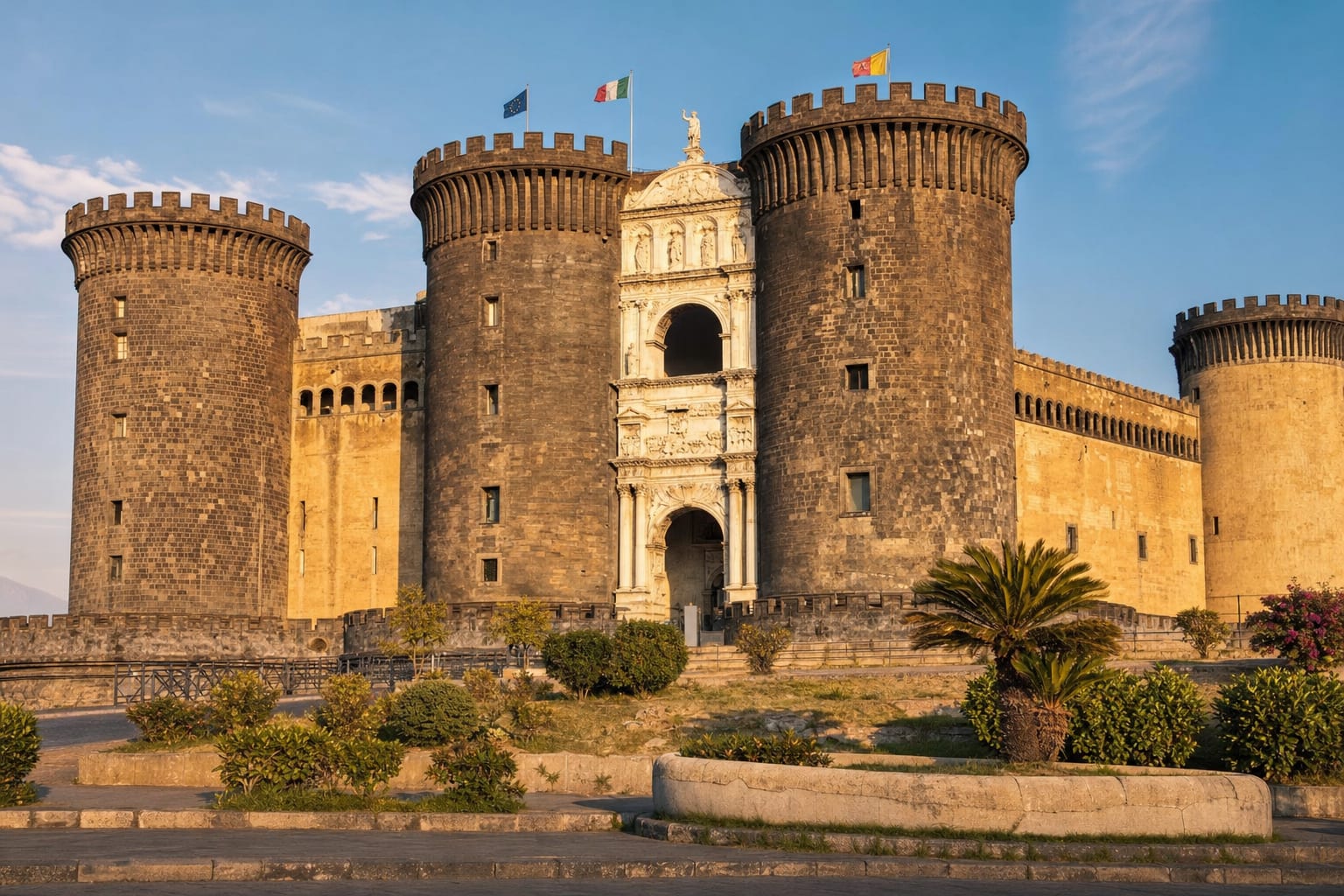 CastelloCastel NuovoIts Angevin foundation, Aragonese reconstruction, the Palatine Chapel, Sala dei Baroni and Civic Museum.Castel Nuovo, also known as Maschio Angioino, was begun for Charles I of Anjou in 1279. After Alfonso of Aragon's 1442 conquest, it was gradually reconstructed for the defensive requirements of the mid-fifteenth century, with Guillem Sagrera named by the Ministry of Culture. Since 1990, the complex has housed Naples' Civic Museum.
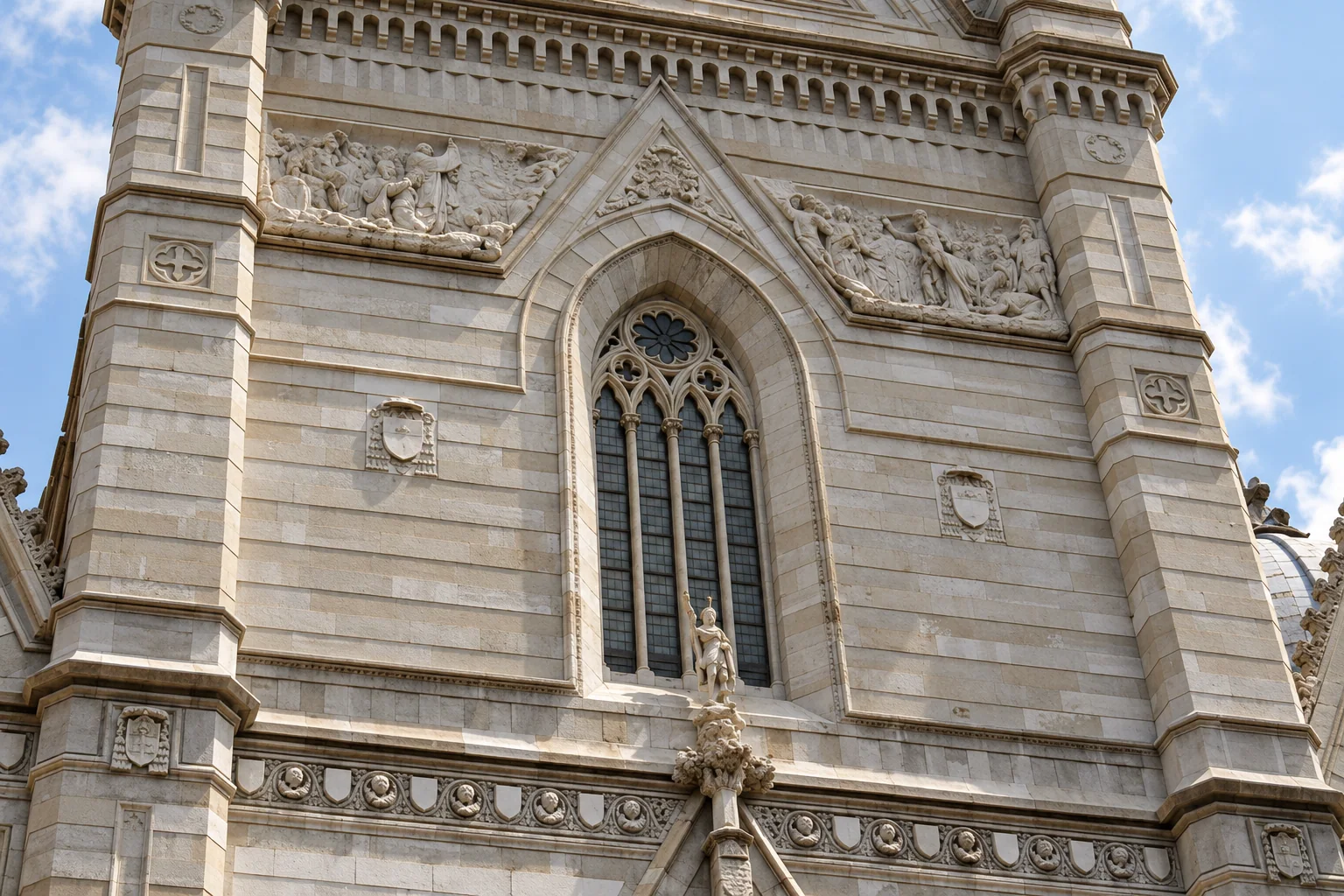 ChiesaDuomo di NapoliIts Angevin Gothic architecture, early Christian spaces and the continuing devotional heritage of San Gennaro.Naples Cathedral brings together several layers of the city’s religious and architectural history. The Angevin project began in 1272 under Charles I and was completed in 1313 under Robert; Archbishop Umberto d’Ormont dedicated the Cathedral in 1314. Its Latin-cross interior has three naves, Gothic fabric, seventeenth-century ceiling gilding and ancient columns set against the piers, with a Baroque apse. Beneath the main altar, Cardinal Oliviero Carafa commissioned the three-nave Succorpo chapel between 1497 and 1508; the Cathedral credits Tommaso Malvito with its material execution and presents a Bramante design as a hypothesis without documentary proof.
The complex also preserves older Christian spaces. Santa Restituta is traditionally considered Naples’ first cathedral and retains a five-nave plan, a colonnade and mosaic-floor remains. The square, domed Baptistery of San Giovanni in Fonte preserves mid-fifth-century mosaics, including scenes from the New Testament. The New Treasury Chapel, built between 1608 and 1637 after Naples’ 1527 plague vow, remains a devotional space associated with San Gennaro. The blood ampoules and their ritual belong to living religious tradition: devotees gather in the hope of liquefaction, whose occurrence on a given occasion is not guaranteed. For the city’s September observance, continue with our <a href="/en/regions/campania/naples/festivals/festa-san-gennaro">Festa di San Gennaro guide</a>.
ChiesaDuomo di NapoliIts Angevin Gothic architecture, early Christian spaces and the continuing devotional heritage of San Gennaro.Naples Cathedral brings together several layers of the city’s religious and architectural history. The Angevin project began in 1272 under Charles I and was completed in 1313 under Robert; Archbishop Umberto d’Ormont dedicated the Cathedral in 1314. Its Latin-cross interior has three naves, Gothic fabric, seventeenth-century ceiling gilding and ancient columns set against the piers, with a Baroque apse. Beneath the main altar, Cardinal Oliviero Carafa commissioned the three-nave Succorpo chapel between 1497 and 1508; the Cathedral credits Tommaso Malvito with its material execution and presents a Bramante design as a hypothesis without documentary proof.
The complex also preserves older Christian spaces. Santa Restituta is traditionally considered Naples’ first cathedral and retains a five-nave plan, a colonnade and mosaic-floor remains. The square, domed Baptistery of San Giovanni in Fonte preserves mid-fifth-century mosaics, including scenes from the New Testament. The New Treasury Chapel, built between 1608 and 1637 after Naples’ 1527 plague vow, remains a devotional space associated with San Gennaro. The blood ampoules and their ritual belong to living religious tradition: devotees gather in the hope of liquefaction, whose occurrence on a given occasion is not guaranteed. For the city’s September observance, continue with our <a href="/en/regions/campania/naples/festivals/festa-san-gennaro">Festa di San Gennaro guide</a>.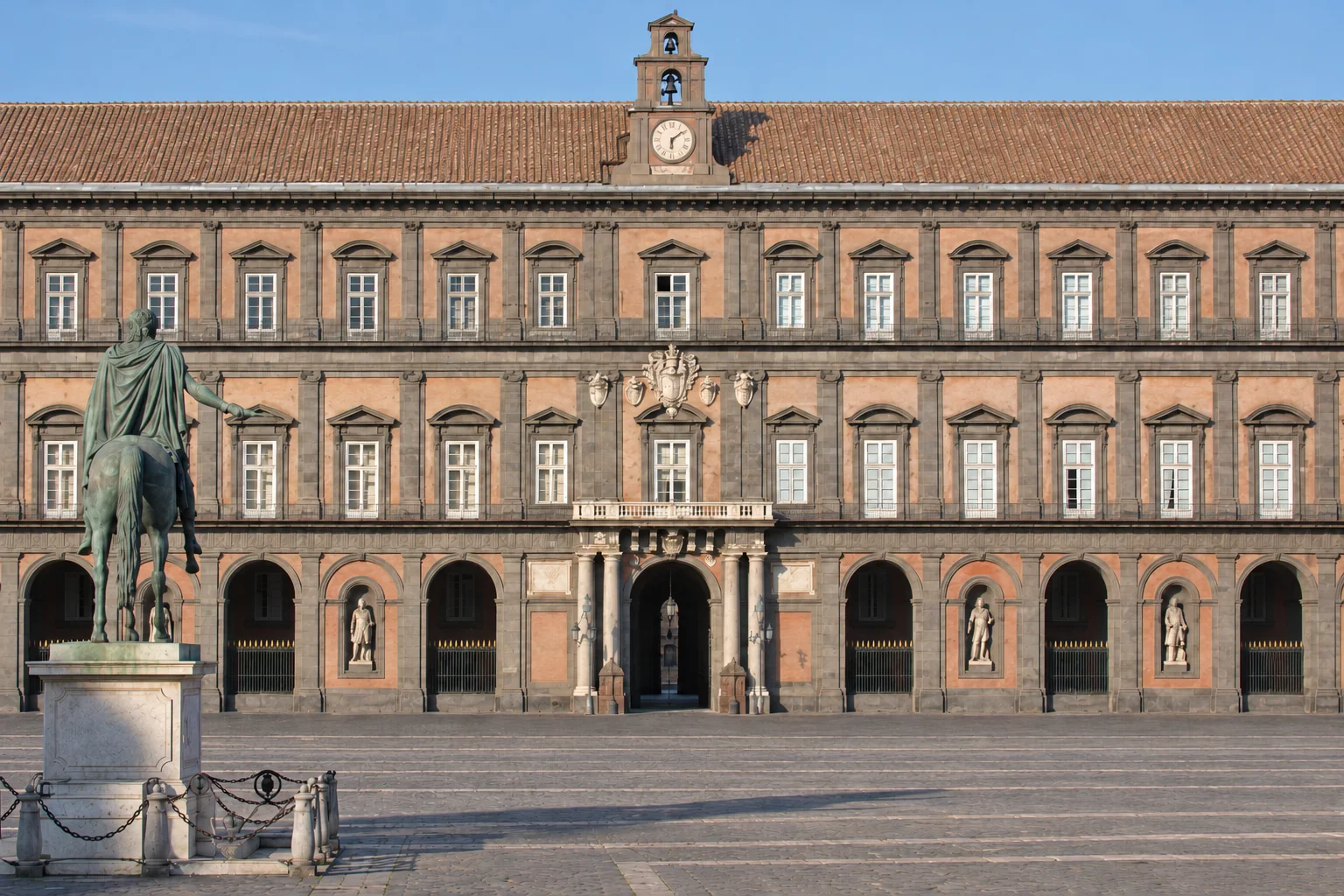 PalazzoPalazzo Reale di NapoliFontana's facade, the Scalone d'Onore, Teatro di Corte, Appartamento di Etichetta museum<p>The long gray-and-red façade on Piazza del Plebiscito presents Naples’ history as a line of rulers. Eight statues, commissioned under the House of Savoy, stand in niches that Luigi Vanvitelli created during eighteenth-century consolidation work; they run from Roger the Norman to Victor Emmanuel II. The building itself began in 1600, when viceroy Fernando Ruiz de Castro and vicereine Catarina Zuñiga y Sandoval commissioned Domenico Fontana to create a residence for Philip III of Spain. Its position beside the gardens of <a href="/en/attractions/castel-nuovo">Castel Nuovo</a> continued the royal quarter at the edge of the old city.</p><p>Inside, the square Courtyard of Honour preserves Fontana’s two-level loggia, with five piperno arches on each side. Look above the arch towards the Staircase of Honour for the Golden Fleece. The marble staircase retains Francesco Antonio Picchiatti’s mid-seventeenth-century design, modelled on Toledo’s Alcázar, beneath the later neoclassical decoration introduced after the 1837 fire. In the State Apartment, the Court Theatre tells a different story: Ferdinando Fuga converted the former Gran Sala for the 1768 wedding of Ferdinand IV and Maria Carolina. Its twelve papier-mâché figures include Apollo, the nine Muses, Minerva and Mercury. Bombing during the Second World War damaged the roof and destroyed the vault’s eighteenth-century decoration, which was later repainted in its original style. The central scene, the Wedding of Poseidon and Amphitrite, is based on Antonio Dominici’s original 1768 painting.</p><p>The palace now brings together the museum, the National Library of Naples and the neighbouring <a href="/en/attractions/teatro-di-san-carlo">Teatro di San Carlo</a>. Start with the Museum of the Factory for architectural models and the story of the building’s transformations, then allow about an hour for the State Apartment, with extra time for the Caruso Museum or Hanging Garden. The garden has its own ticket supplement and guided arrangements; check the <a href="https://palazzorealedinapoli.org/en/visitor-information/">official visitor information</a> before choosing your route.</p>
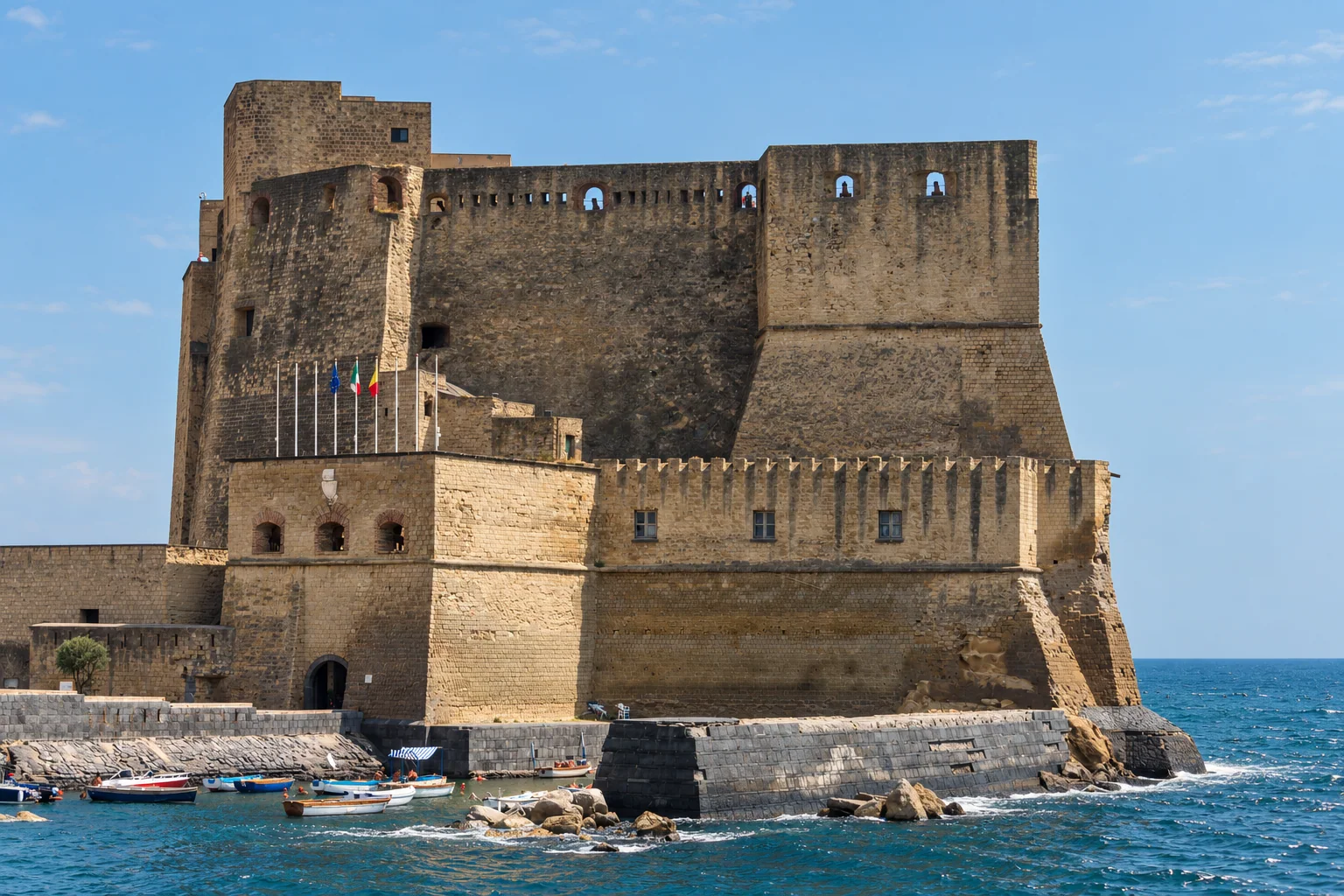 CastelloCastel dell'OvoIts Megaride setting, Norman-period remains, layered Greek and Roman landscape, and medieval Virgil-and-egg legend.<p>Castel dell’Ovo rises from Megaride at the edge of the Bay of Naples, opposite Via Partenope. The Ministry of Culture describes it as the city’s oldest castle. Its massive tufa walls belong to a much longer story than their present outline suggests: UNESCO identifies substantial Norman-period remains, remodelled repeatedly in later centuries.</p><p>Before the medieval stronghold, Megaride formed part of the coastal setting of Greek Parthenope, alongside Monte Echia. The Comune’s historical account then places the islet within the grounds of the Roman villa associated with Lucullus. Remains of hermitages linked to the Basilian nuns of Santa Patrizia add another layer, recorded by the Ministry’s regional office.</p><p>The name belongs to folklore. In a medieval legend, Virgil hides an enchanted egg in the castle, tying the safety of Naples to its survival. Read it as a story about the city’s imagined protection, rather than a documented explanation of how the fortress was built. Compare its waterfront setting with <a href="/en/attractions/castel-nuovo">Castel Nuovo</a>, then follow Naples’ later royal history at the <a href="/en/attractions/royal-palace-of-naples">Royal Palace</a>. For a visit inside Castel dell’Ovo, confirm current entry arrangements with the Comune before travelling.</p>
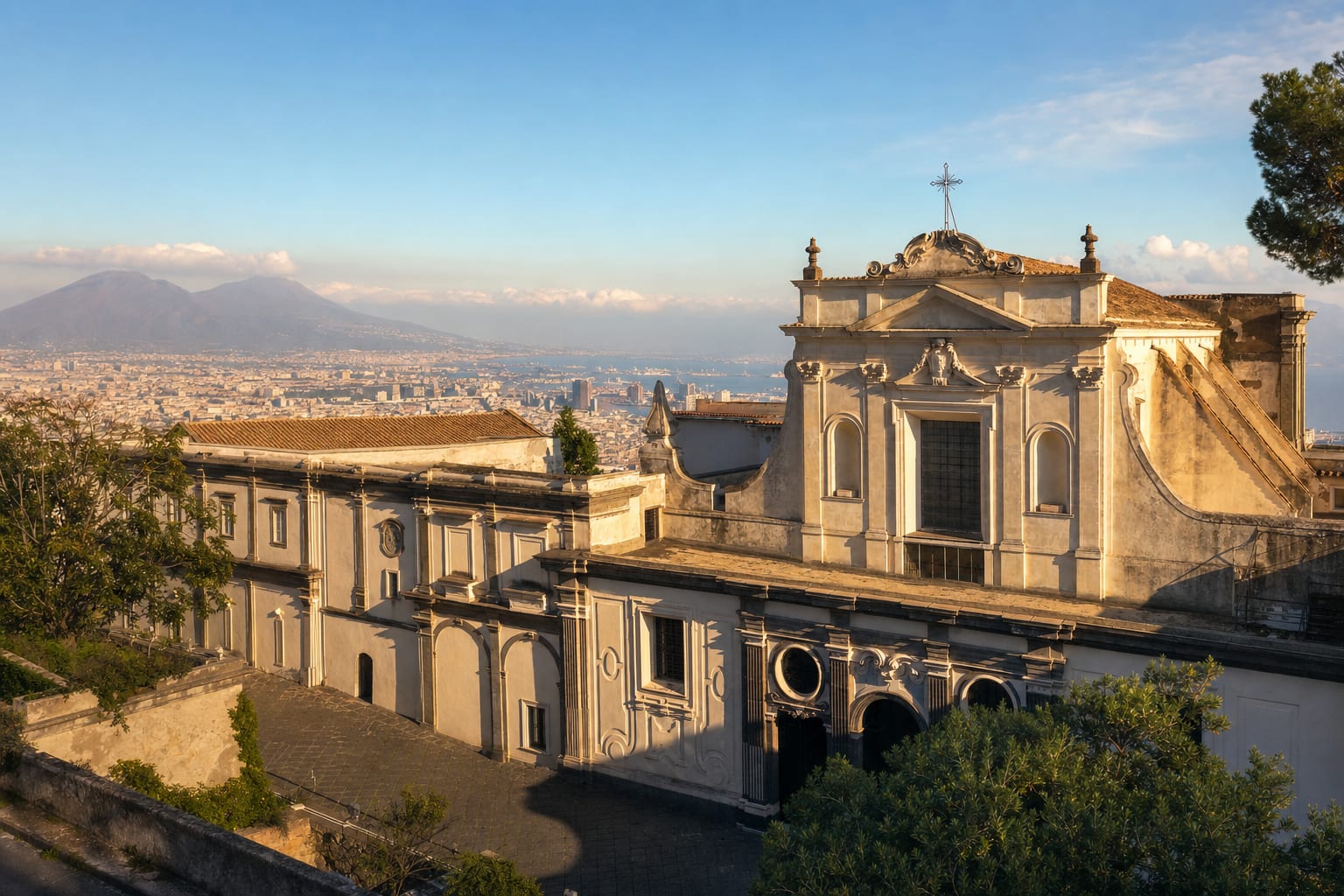 MuseoCertosa di San MartinoBaroque church and cloisters, Cuciniello presepe, city-history collections, Bay of Naples viewCarthusian monks founded the Certosa di San Martino in 1325 on the hill above Naples, and over four centuries they rebuilt it into one of the city's grandest complexes of Baroque and Rococo decoration, its marble-inlaid church a showcase for Neapolitan painters like Ribera and Giordano. Suppressed under Napoleonic rule and converted into a state museum in 1867, it now holds the city's history under one roof: naval models, royal carriages, and the Cuciniello presepe, an eighteenth-century nativity scene crowded with hundreds of painted figures across a mountainside backdrop. From the monks' former gardens, a terrace opens onto the best rooftop view of the Bay of Naples and Vesuvius, included in the entrance ticket.
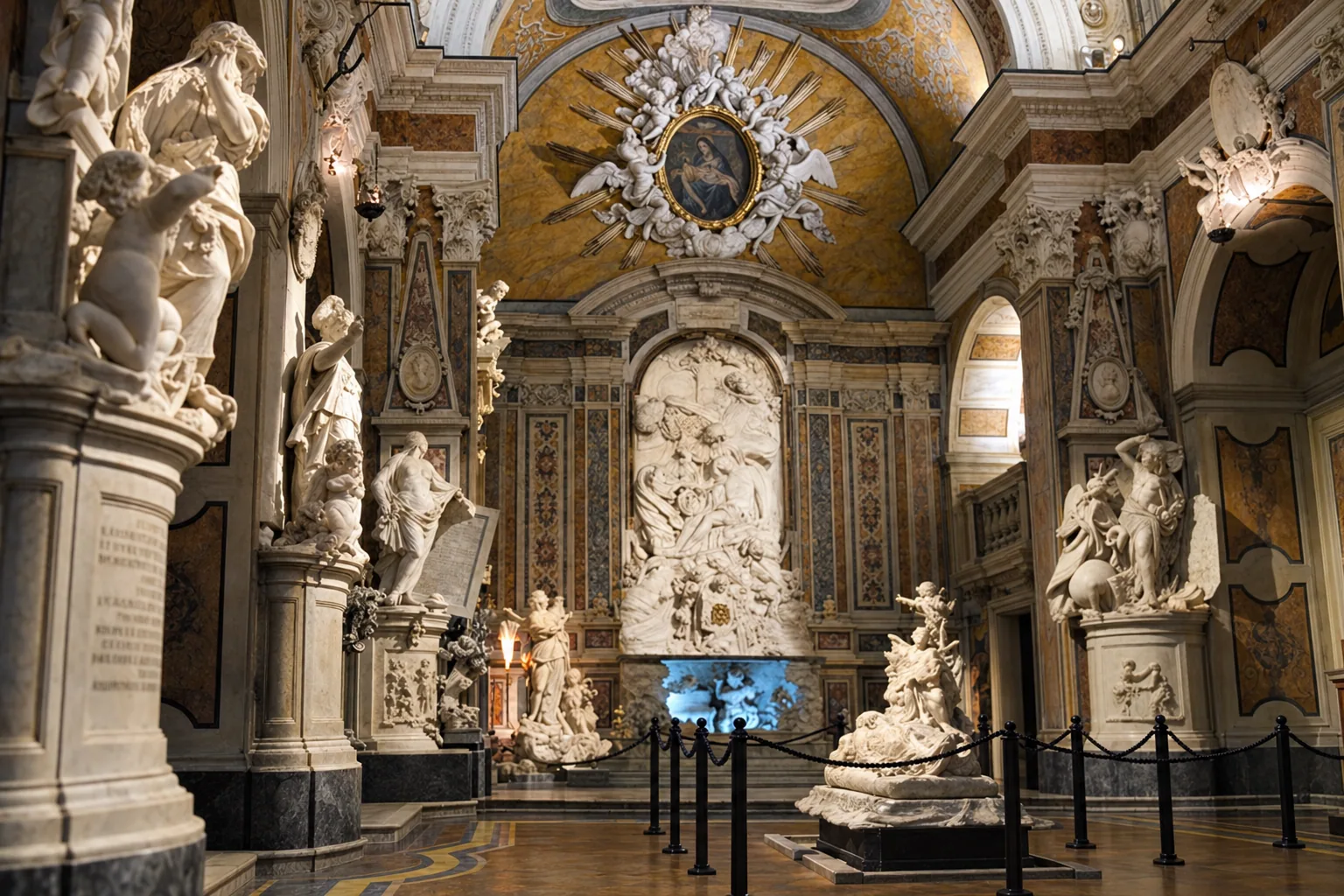 MuseoCappella SanseveroSanmartino's Veiled Christ, Corradini's Modesty, Queirolo's Disillusion, the Anatomical MachinesSansevero Chapel began in 1593 as the di Sangro family's private burial chapel, but Raimondo di Sangro, the eccentric seventh prince and a real scientist as well as a Freemason, rebuilt it in the 1740s into a single artistic and philosophical program completed by 1766. Giuseppe Sanmartino's Veiled Christ of 1753 anchors the room, a marble figure draped in a marble shroud so thin the body seems to breathe beneath it, carved entirely from one block despite centuries of rumors that Raimondo turned real cloth to stone by alchemy. Antonio Corradini's Modesty and Francesco Queirolo's Disillusion flank him in equally virtuoso marble, while the underground Cavea displays Giuseppe Salerno's so called Anatomical Machines, two skeletons with veins rendered in wax and wire, another Sansevero legend historians have since debunked.
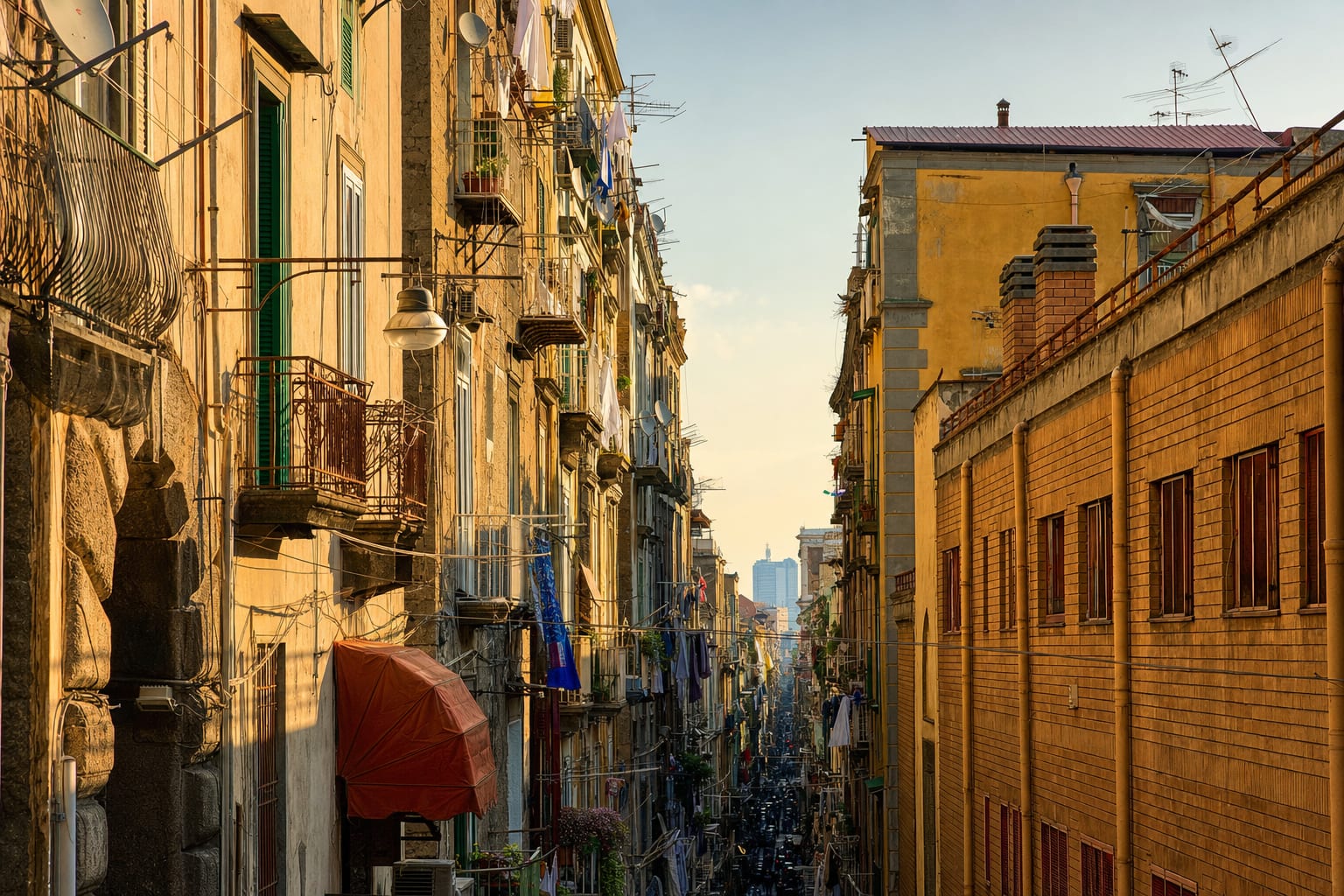 QuartiereSpaccanapoliGreek decumanus grid, Via San Biagio dei Librai, Palazzo Diomede Carafa, historic-center street lifeSpaccanapoli is the local name for Via San Biagio dei Librai and the streets that continue it, the lower decumanus that Greek settlers laid out for ancient Neapolis more than two thousand years ago. Walk it end to end and the grid the Greeks planned is still legible under the noise of scooters, drying laundry and open shopfronts. Along the way, Palazzo Diomede Carafa shows the moment Naples traded Gothic pointed arches for the calmer lines of the Renaissance, one of the clearest such transitions in the city. The street has never stopped being used exactly as intended: a through route, not a monument, which is precisely why it feels so alive.
Tour da prenotare a Napoli
Confrontati dai nostri editor, tra i vari operatori.
Prenotando da questi link Italia Magnifica può ricevere una commissione, senza costi per te.
- Viator
- 2 h 30 min
- 5,0★ · 17 recensioni
da 25 €Prenota questo tour- Viator
- 2 h
- 5,0★ · 11 recensioni
da 170 €Prenota questo tour- Viator
- 1 h 15 min
- 5,0★ · 8 recensioni
da 30 €Prenota questo tour- Viator
- 2 h 30 min
- 5,0★ · 14 recensioni
da 230 €Prenota questo tour- Viator
- 2 h
- 5,0★ · 14 recensioni
da 250 €Prenota questo tour- Viator
- 1 h 45 min
- 5,0★ · 9 recensioni
da 161 €Prenota questo tour


Nel raggio di una gita
Altri monumenti in Campania, a una gita di distanza.
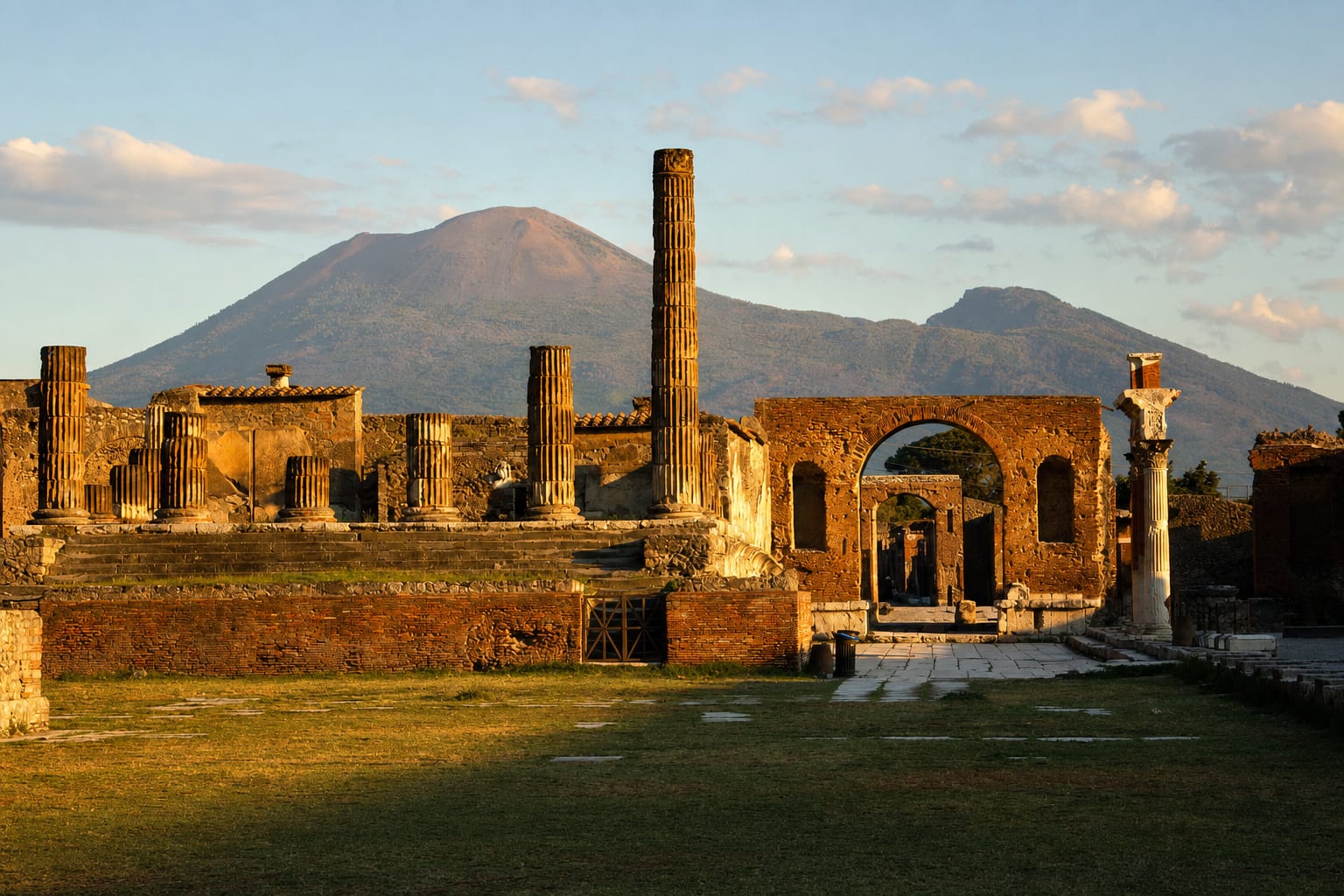 PompeiUNESCOScavi di PompeiThe 79 CE eruption, plaster casts of victims, the Forum, Villa of the Mysteries, an amphitheatre
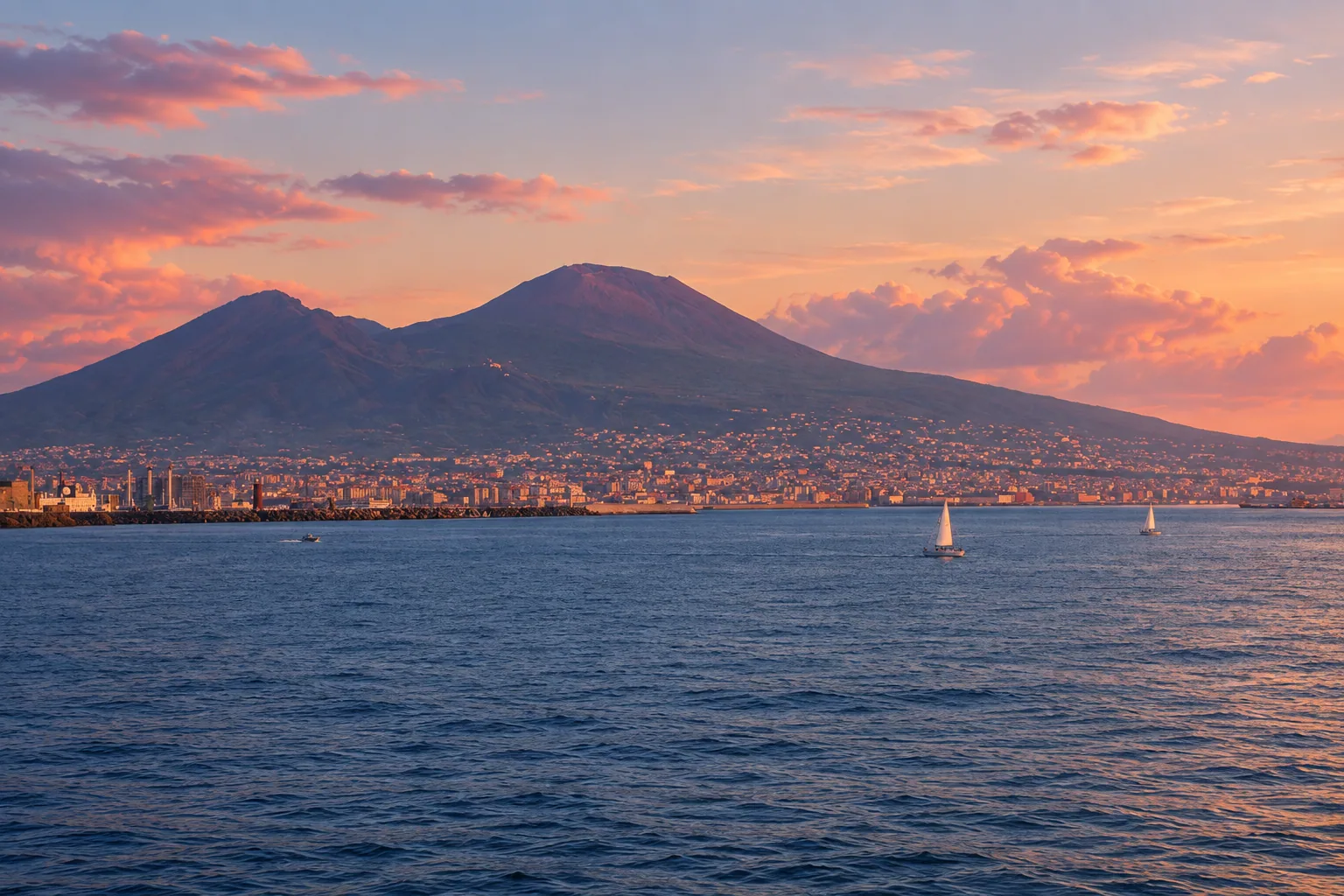 Torre del GrecoVesuvioThe 79 CE eruption, the Gran Cono crater trail, INGV monitoring, views over the Bay of Naples
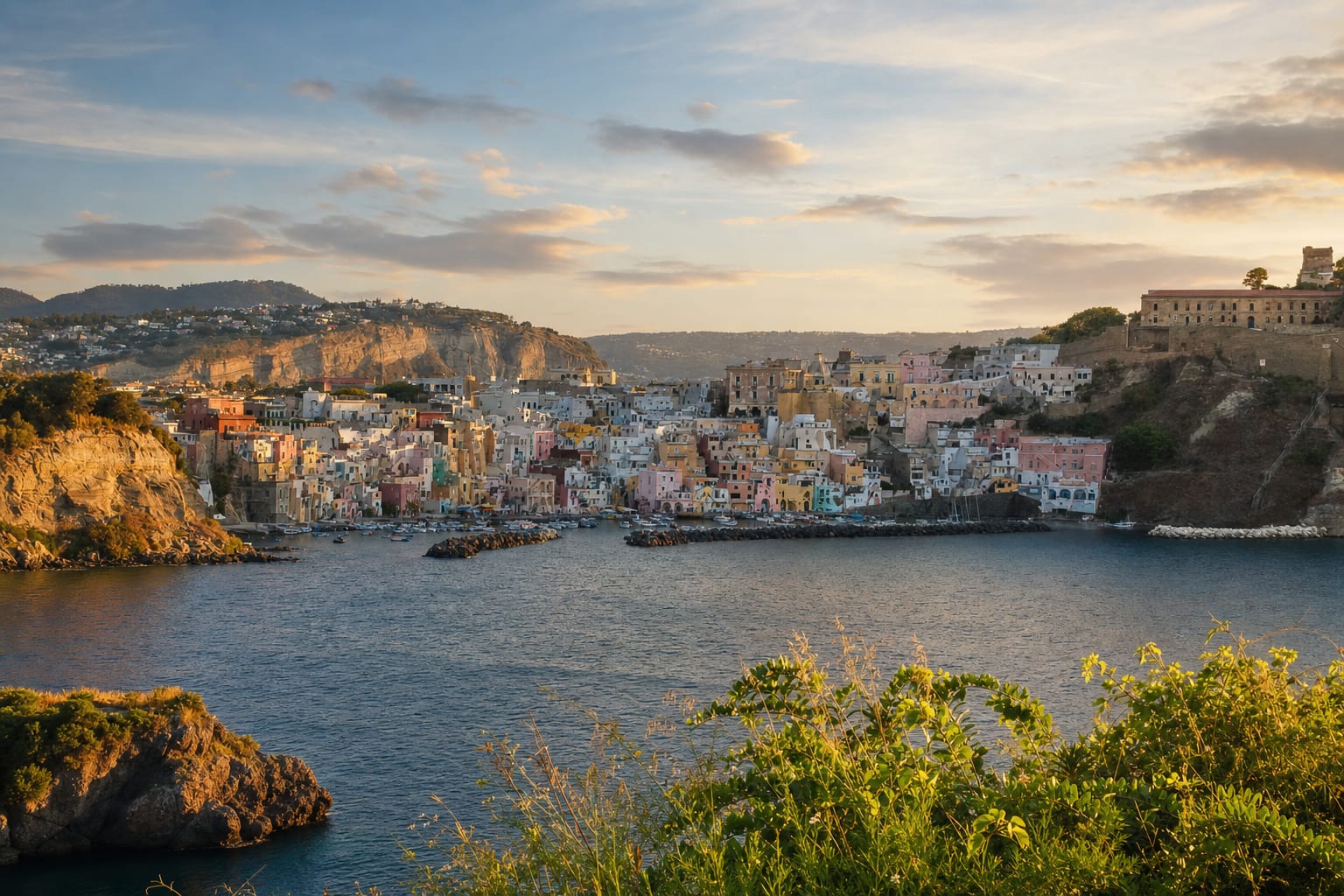 ProcidaProcidaTerra Murata, the pastel harbor of Corricella, Il Postino, Italian Capital of Culture 2022
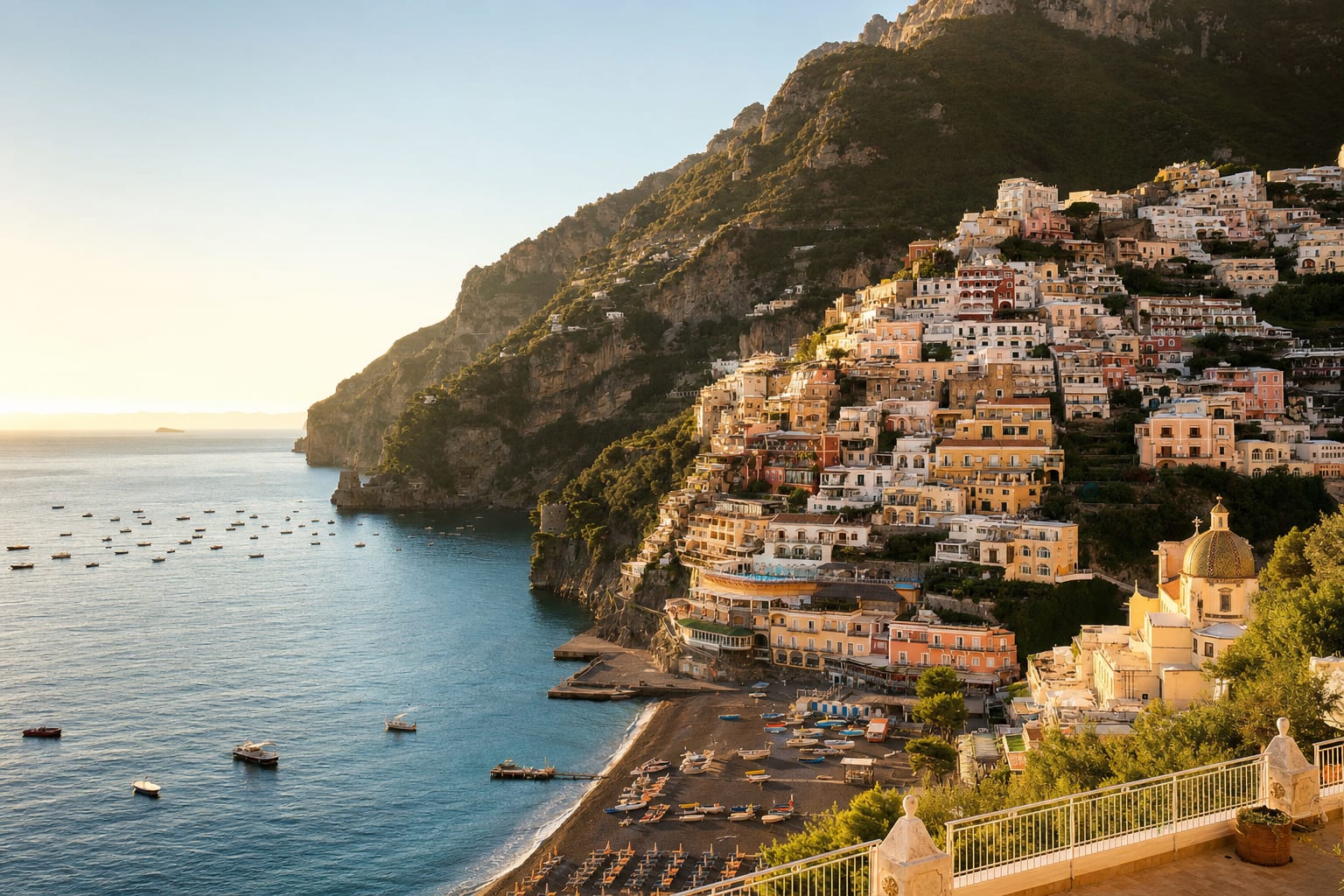 PositanoUNESCOPositanoIts stacked cliffside houses, the Amalfi Coast cultural landscape, Spiaggia Grande, its 1668 city status
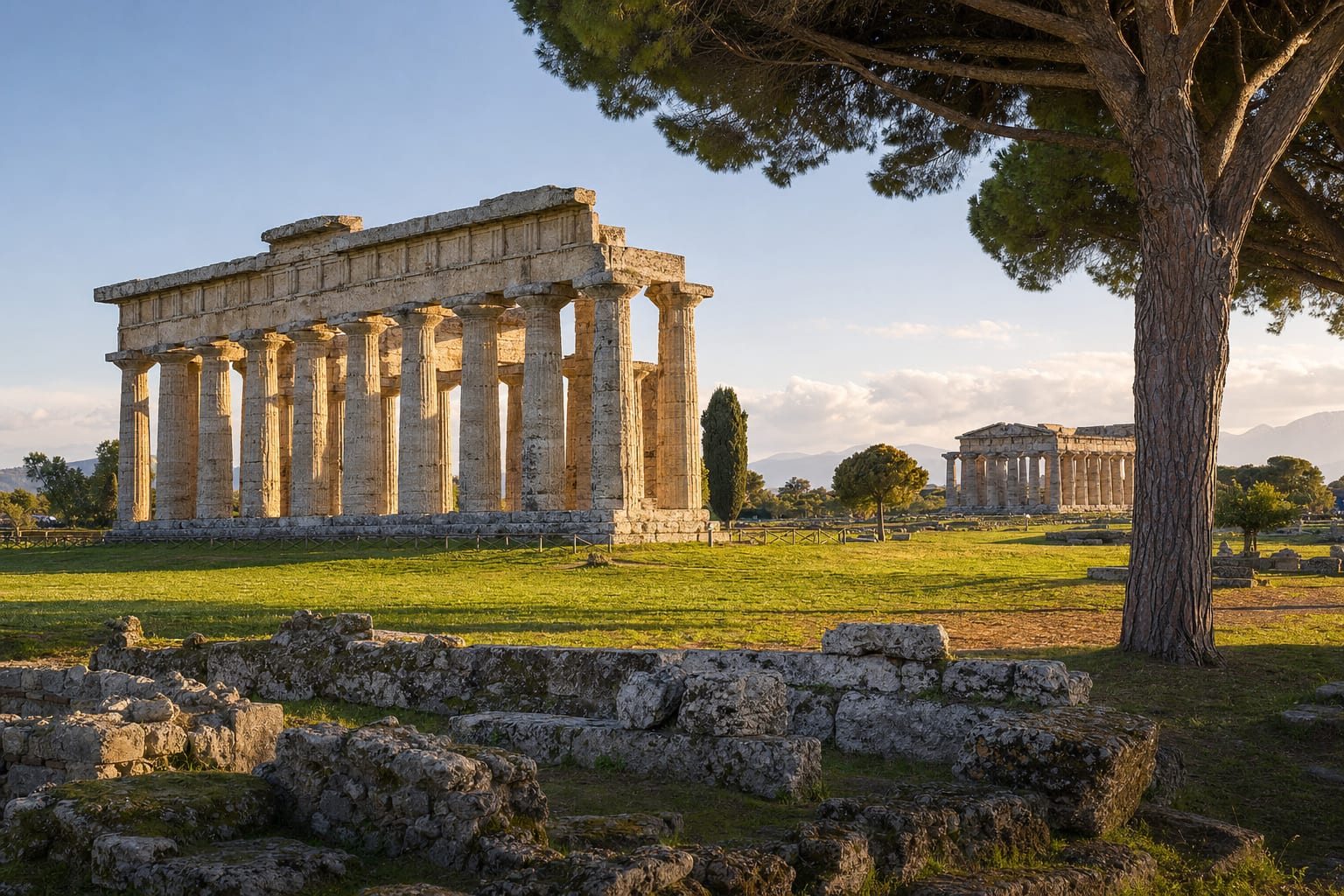 PaestumUNESCOTempli di PaestumThree Doric temples, Tomb of the Diver, Greek and Roman city walls, archaeological museum
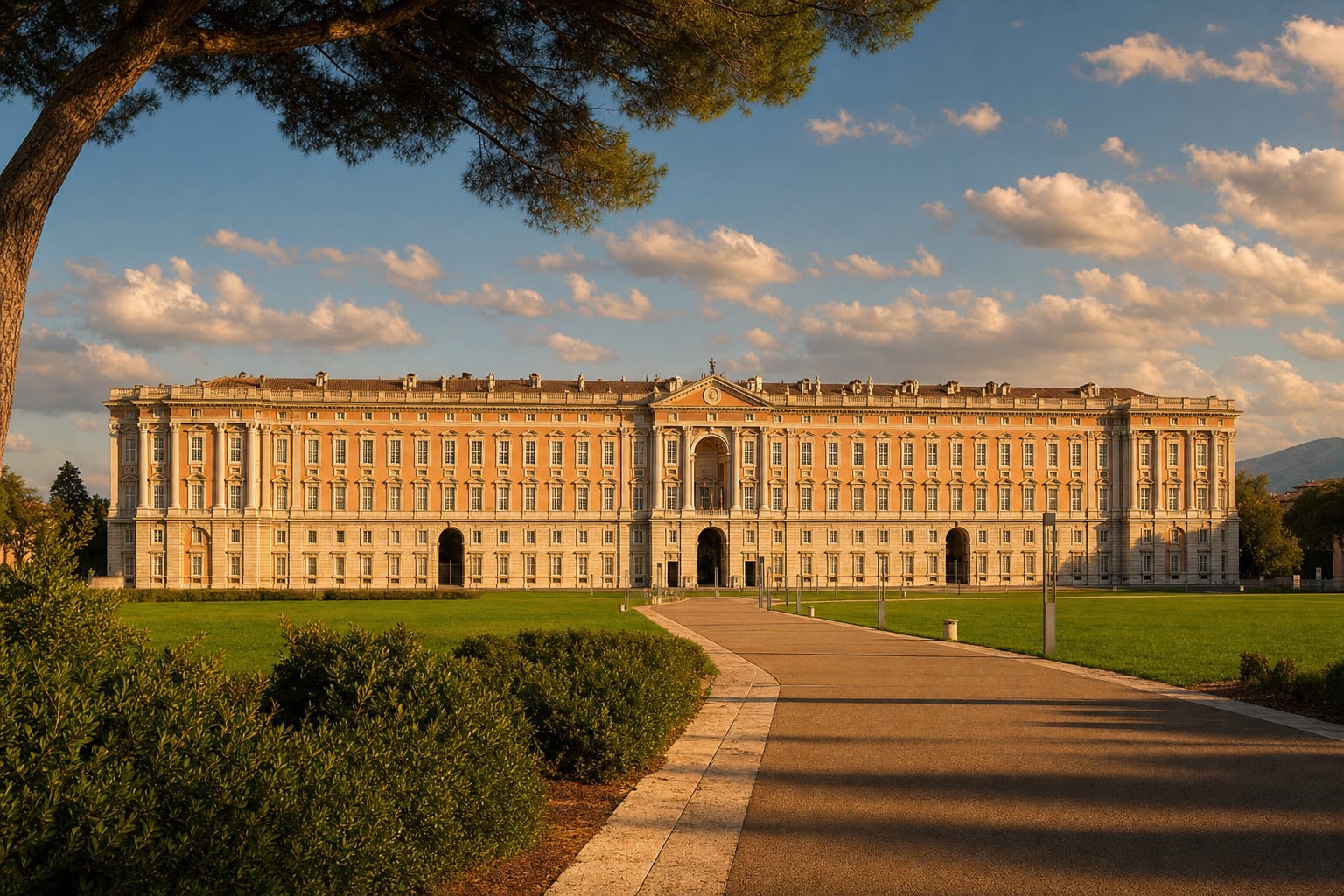 CasertaUNESCOReggia di CasertaLuigi Vanvitelli, Royal Staircase, Royal Apartments, Court Theatre, Royal Park cascades
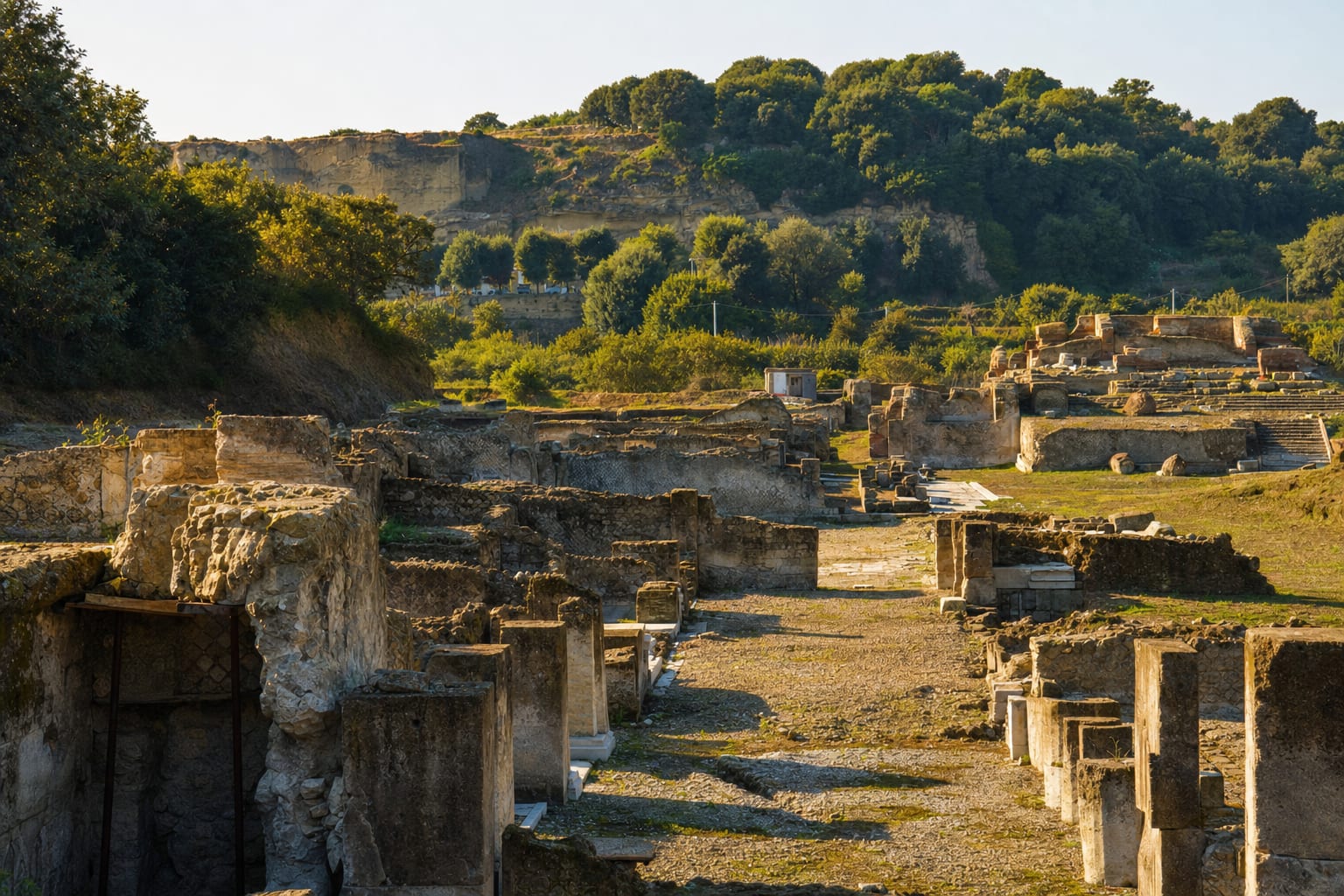 CumaParco Archeologico di CumaGreek acropolis, temples of Apollo and Jupiter, Cave of the Sibyl gallery, Virgil's Aeneid
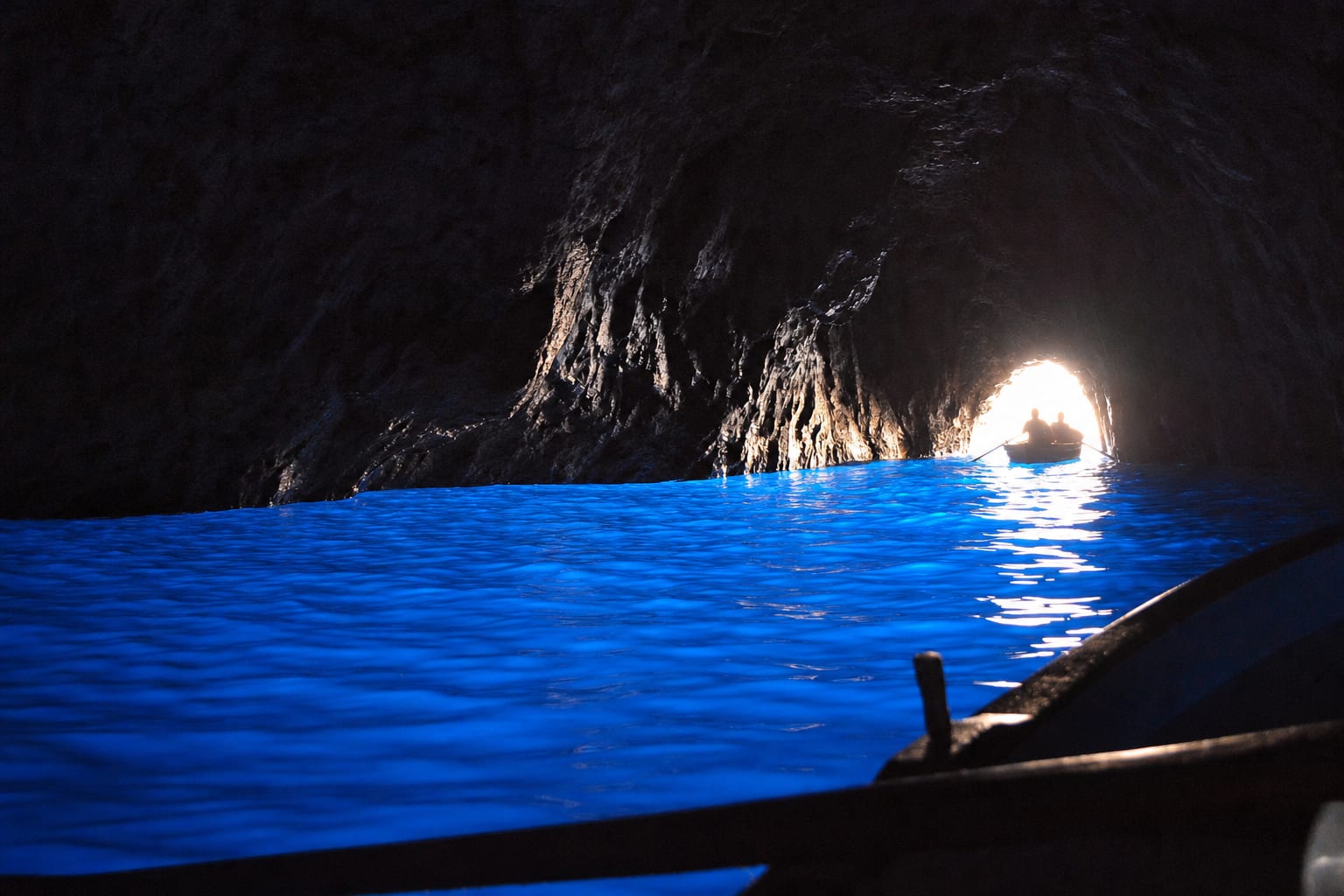 AnacapriGrotta AzzurraElectric-blue light, Roman maritime nymphaeum, rowboat entry, Villa di Gradola