

Tutti i monumenti di Sulmona
I luoghi e i capolavori attorno a cui vale la pena costruire una giornata.
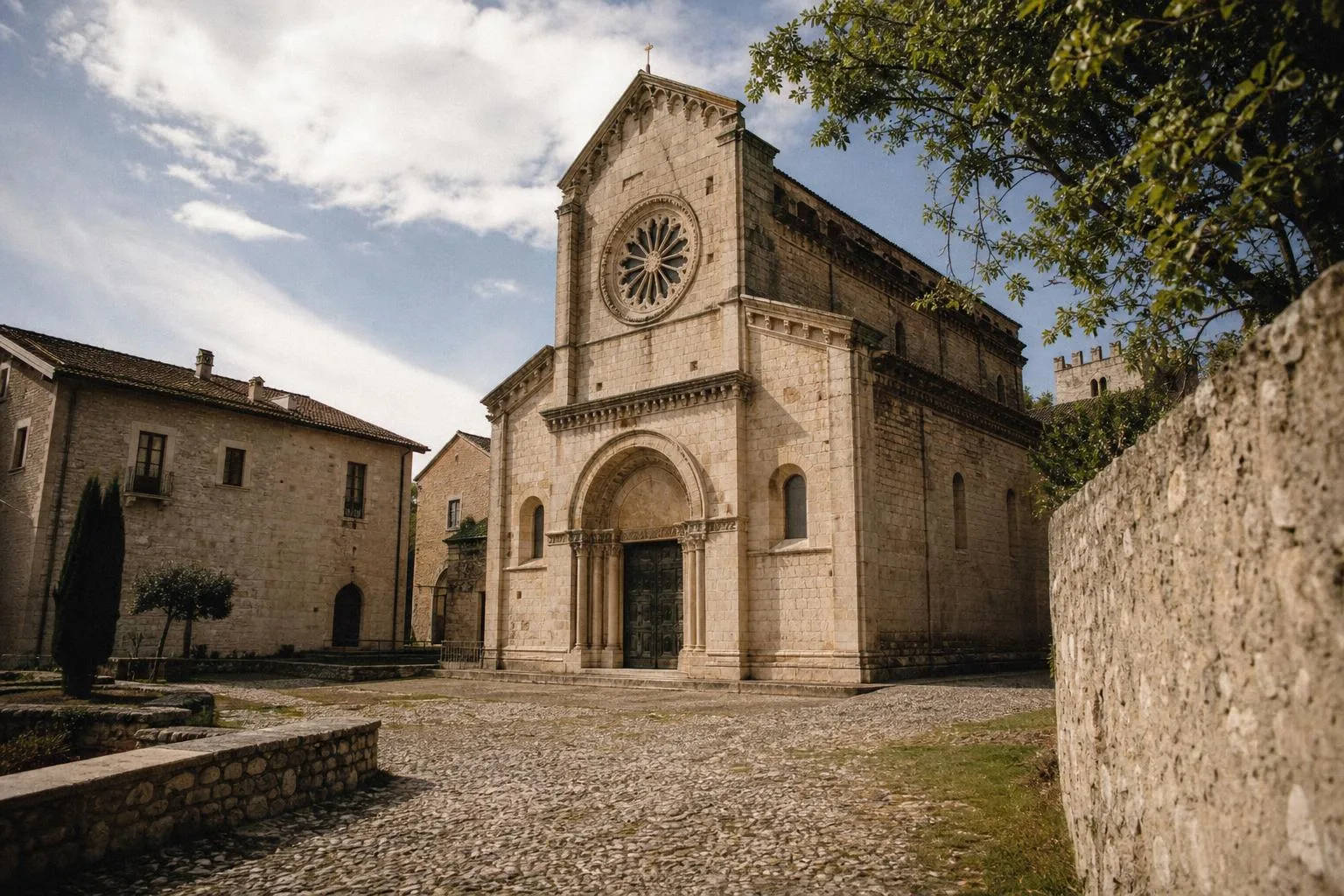 ChiesaGemma nascostaAbbazia di San Clemente a Casauria1191 bronze doors, Romanesque facade, Benedictine foundation of 871, Antiquarium museumLouis II, a descendant of Charlemagne, founded this abbey in 871 after promising a church to Saint Clement while held captive in Benevento. Saracen raiders wrecked it in the tenth century and Norman armies again in the eleventh; the Benedictines rebuilt it between the 1105 reconsecration and abbot Leonate's late-twelfth-century campaign. The facade's bronze doors, cast in 1191, still carry 72 panels of crosses, abbots and the fourteen castles the abbey once controlled in the Pescara valley. Earthquakes struck again and again after that: in 1349, in 1456, and most recently in 2009, when the L'Aquila quake closed the church until a restoration reopened it in April 2011. Set alone in open countryside above the Pescara river, the abbey looks less like a tourist stop than a monument that simply keeps rebuilding itself.Pianifica la visita
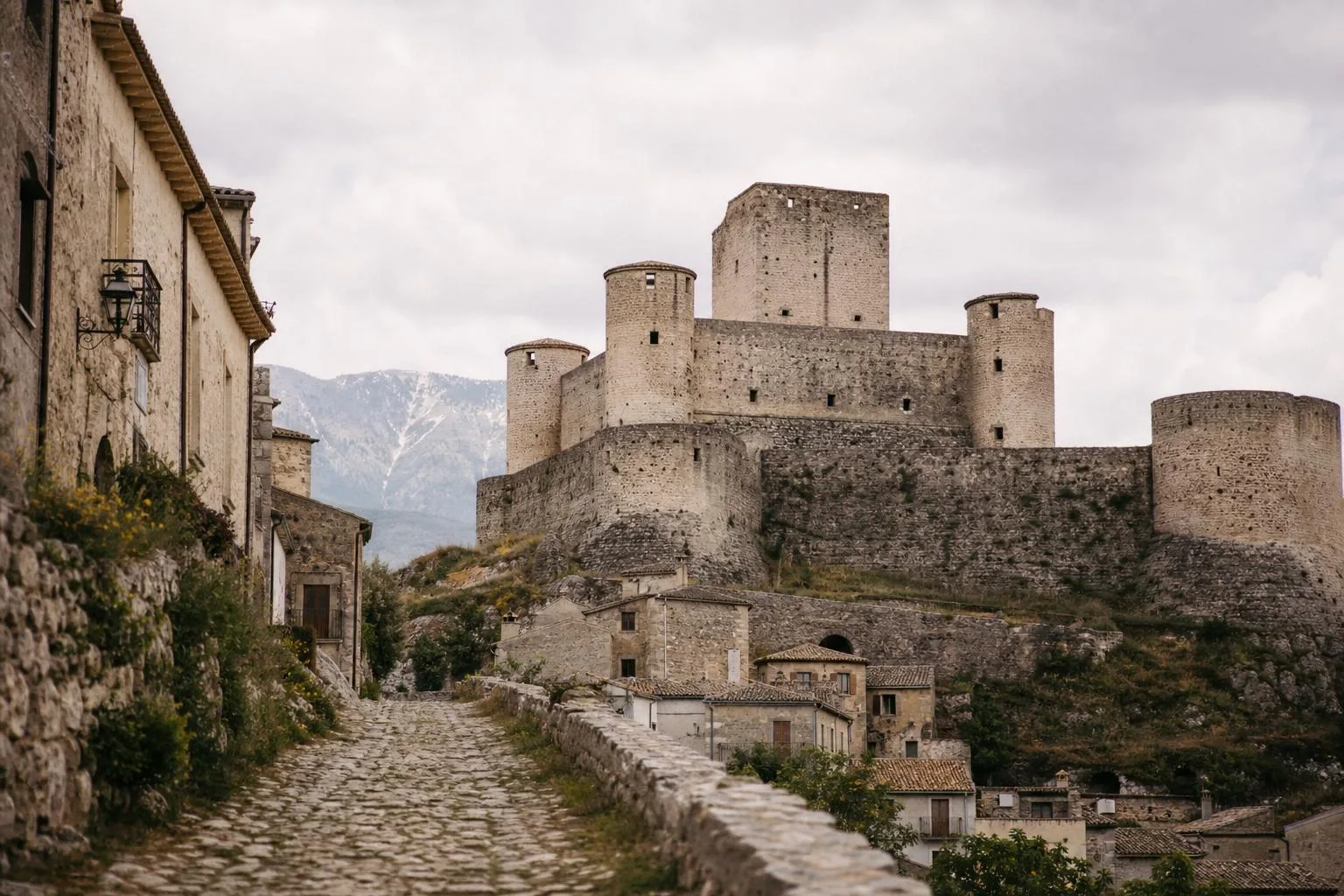 CastelloGemma nascostaCastello CaldoraSquare and round towers, double walls, Torre del Re terrace, Majella viewsCastello Caldora watches over Pacentro from a hill above the Peligna valley, at the foot of Monte Morrone in the Majella foothills. Records mention it from the eleventh century, and it takes its name from the Caldora family, who held it in the 1300s, followed by the Cantelmo, Orsini, Colonna and Barberini. The Orsini added the round bastions in the second half of the 1400s, so the trapezoid fortress now has three tall square towers (the Torre del Re rises 25 meters) and three round ones, inside a double wall. The town has owned it since 1957. You can climb the Torre del Re to a terrace for a wide view of the Majella and the village roofs.
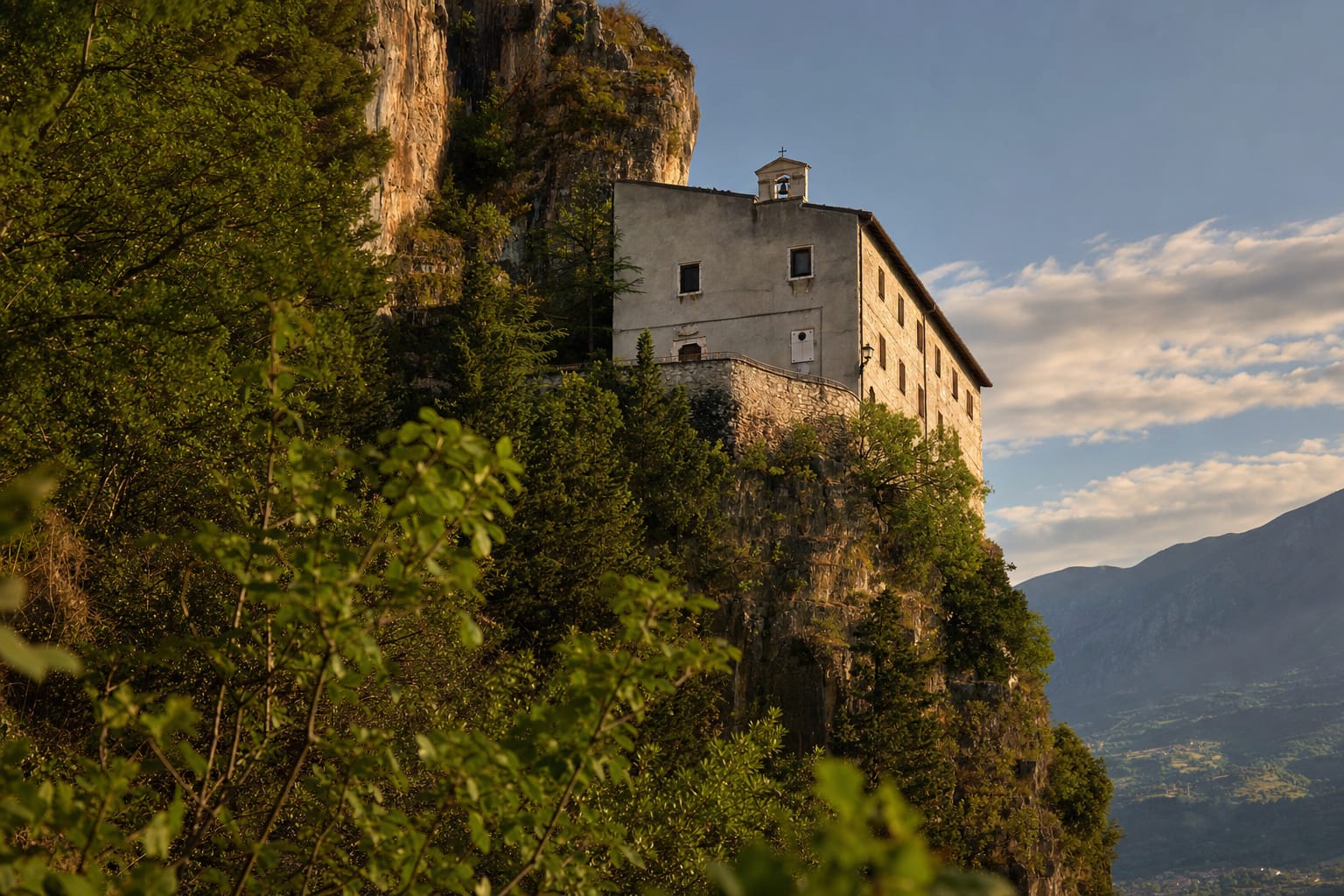 ChiesaEremo di Sant'Onofrio al MorroneCelestine V's hermit years, 1294 papal announcement, cliffside Morrone setting, 15th-century frescoesPietro Angelerio, later Pope Celestine V, first settled on this cliff ledge above Sulmona around 1239, drawn to a hermit's life on Monte Morrone years before history caught up with him. It did, dramatically, in 1294, when King Charles II of Anjou climbed the mountain himself to tell the hermit he had just been elected pope, an episode still commemorated at the hermitage. Celestine's papacy lasted barely four months before he abdicated, the only pope in history to resign voluntarily in the medieval period, and he returned briefly to monastic life before his successor, Boniface VIII, had him imprisoned at Fumone, where he died in 1296. The hermitage that shaped him survives with fifteenth-century frescoes, an original wooden ceiling, and a barrel-vaulted church, reachable only by a steep path from the hamlet of Badia.
Nel raggio di una gita
Altri monumenti in Abruzzo, a una gita di distanza.
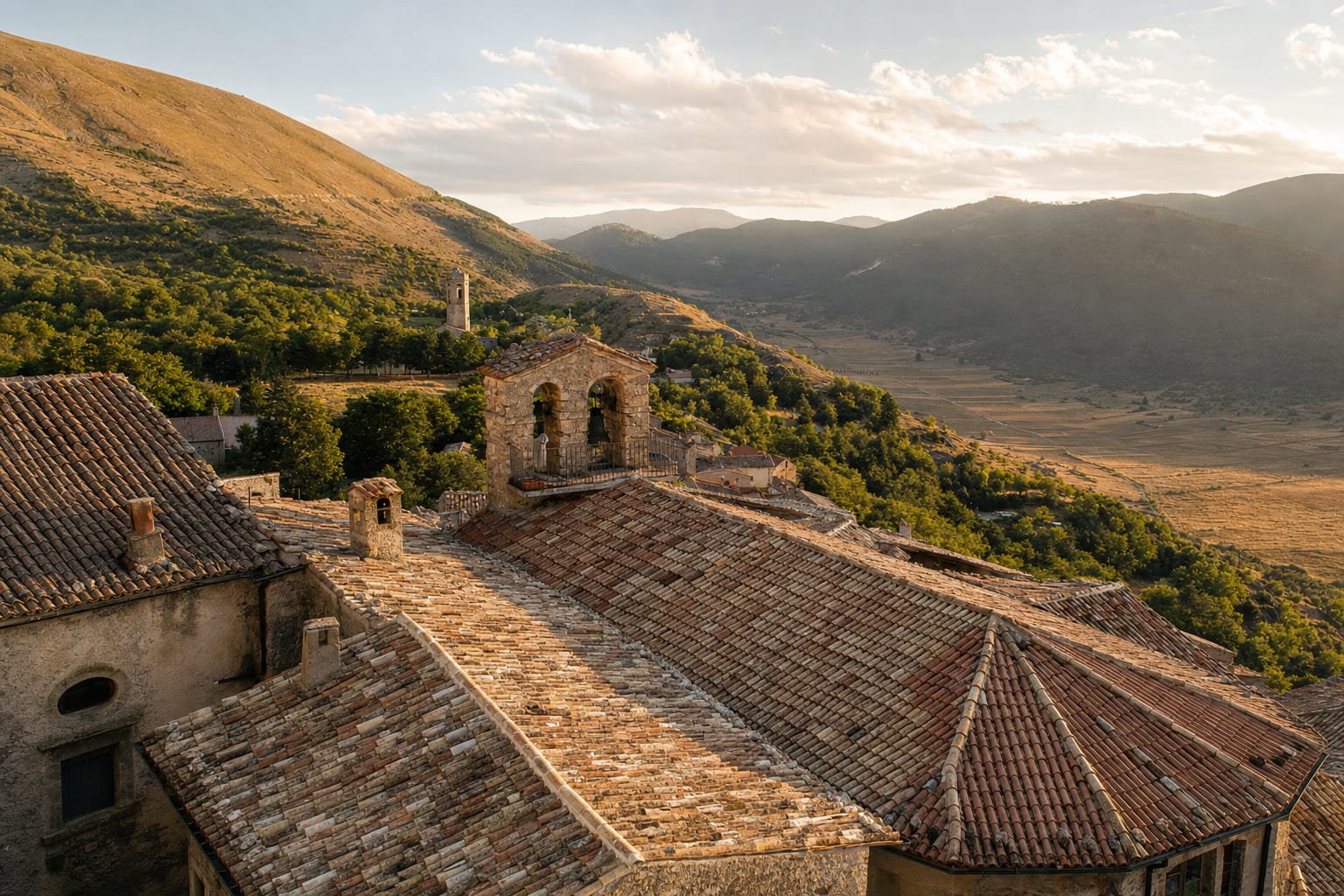 Santo Stefano di SessanioSanto Stefano di SessanioMedici mountain borgo, scattered-hotel revival, lentil terraces, stone lanes intact
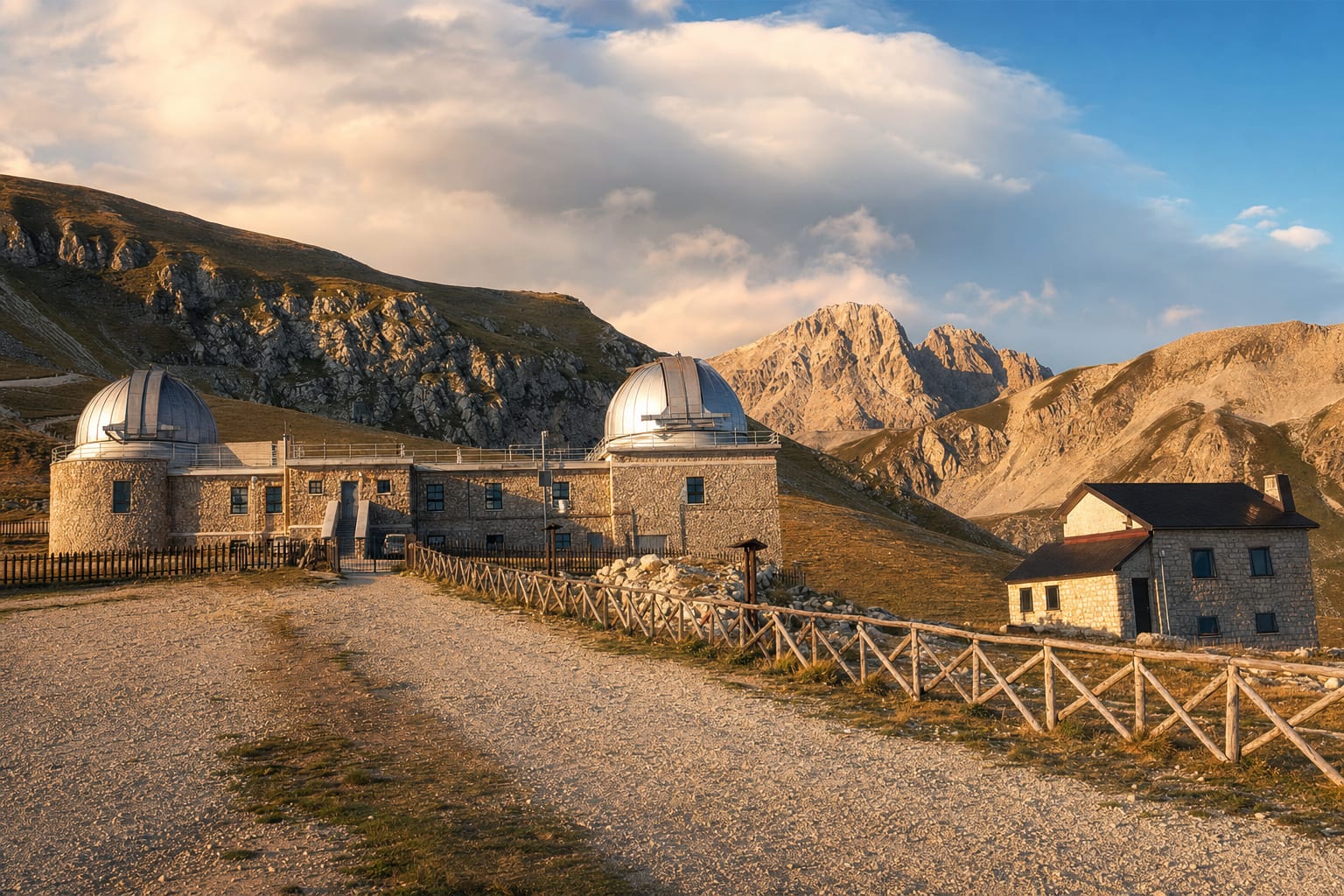 L'AquilaCampo ImperatoreLittle Tibet plateau, Corno Grande backdrop, Mussolini's 1943 prison hotel, observatory, high pastures
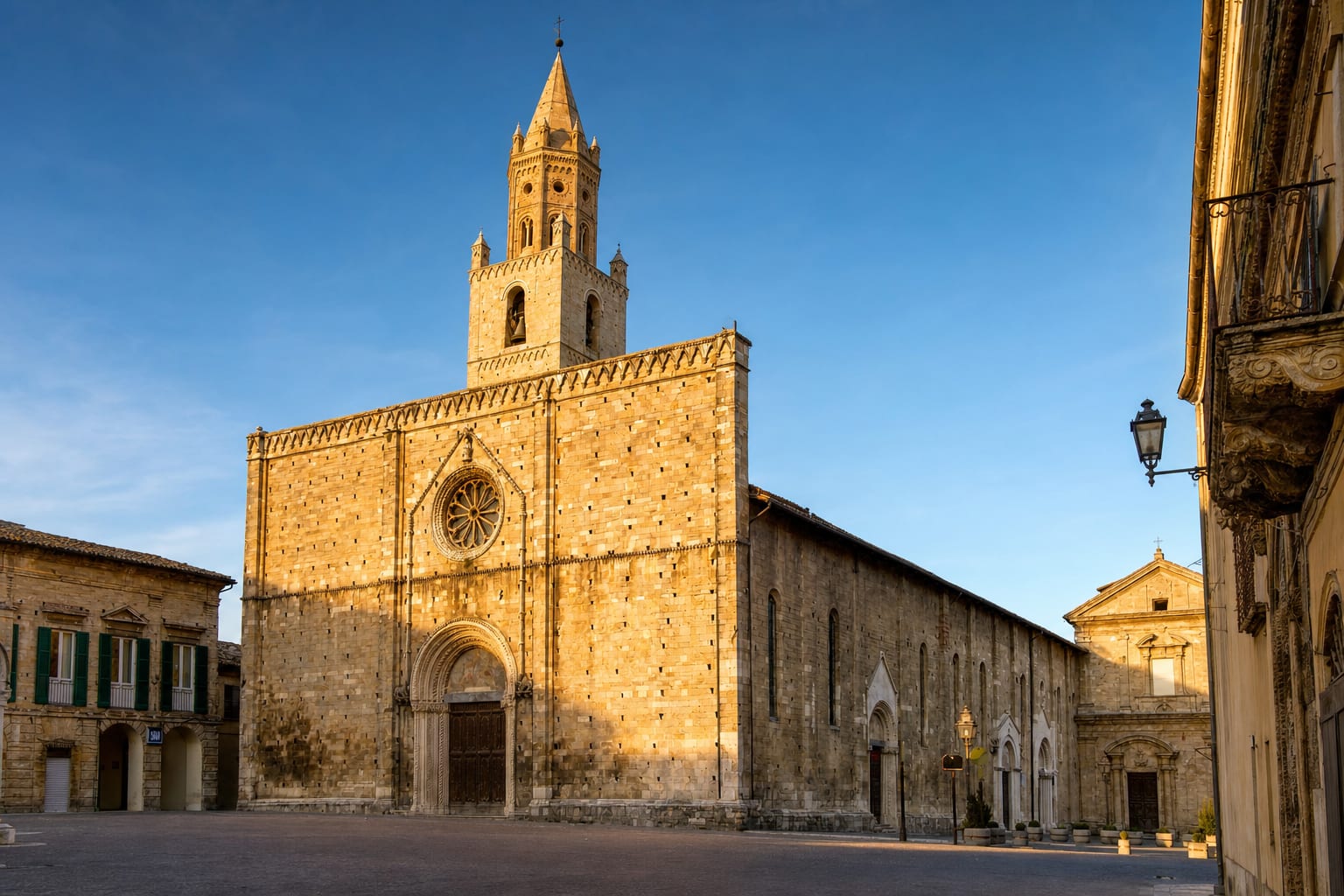 AtriCattedrale di AtriAndrea De Litio fresco cycle, Abruzzo's Sistine choir, Roman cistern crypt, calanchi badlands setting
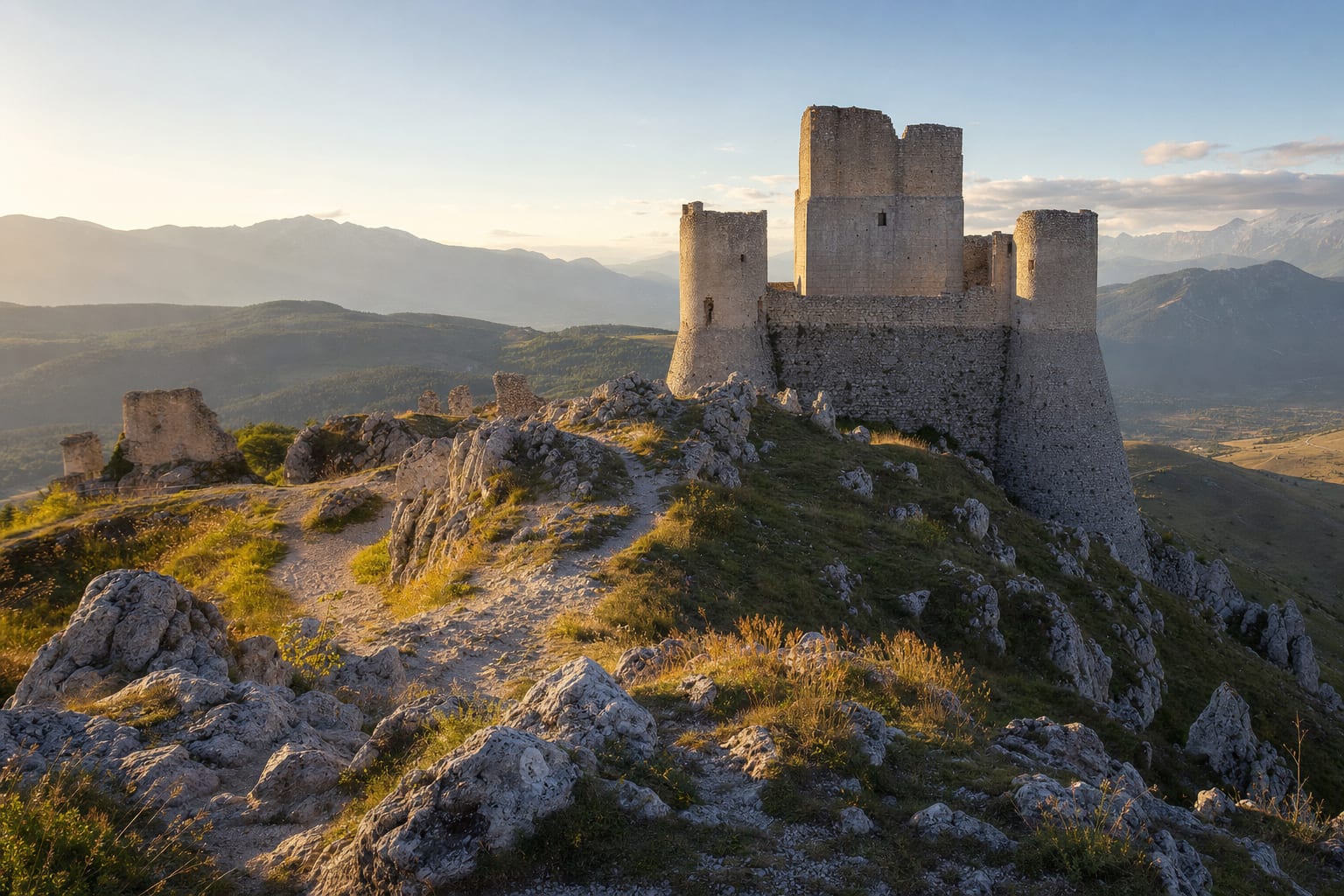 CalascioRocca CalascioApennine fortress at 1,460 meters, Gran Sasso views, film location (Ladyhawke), Santa Maria della Pietà chapel
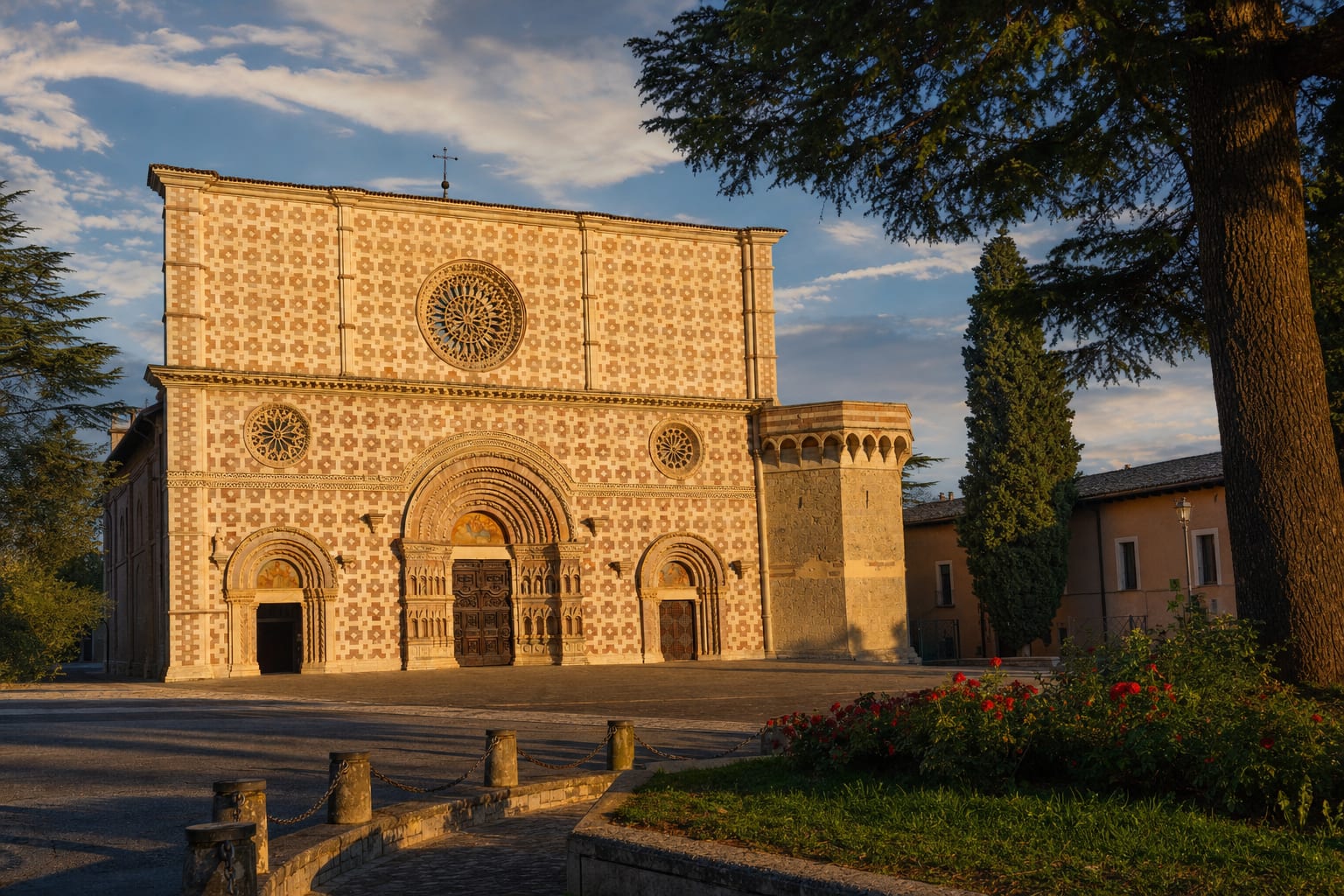 L'AquilaBasilica di Santa Maria di CollemaggioPink and white façade, Celestine V's tomb, Holy Door and the Perdonanza
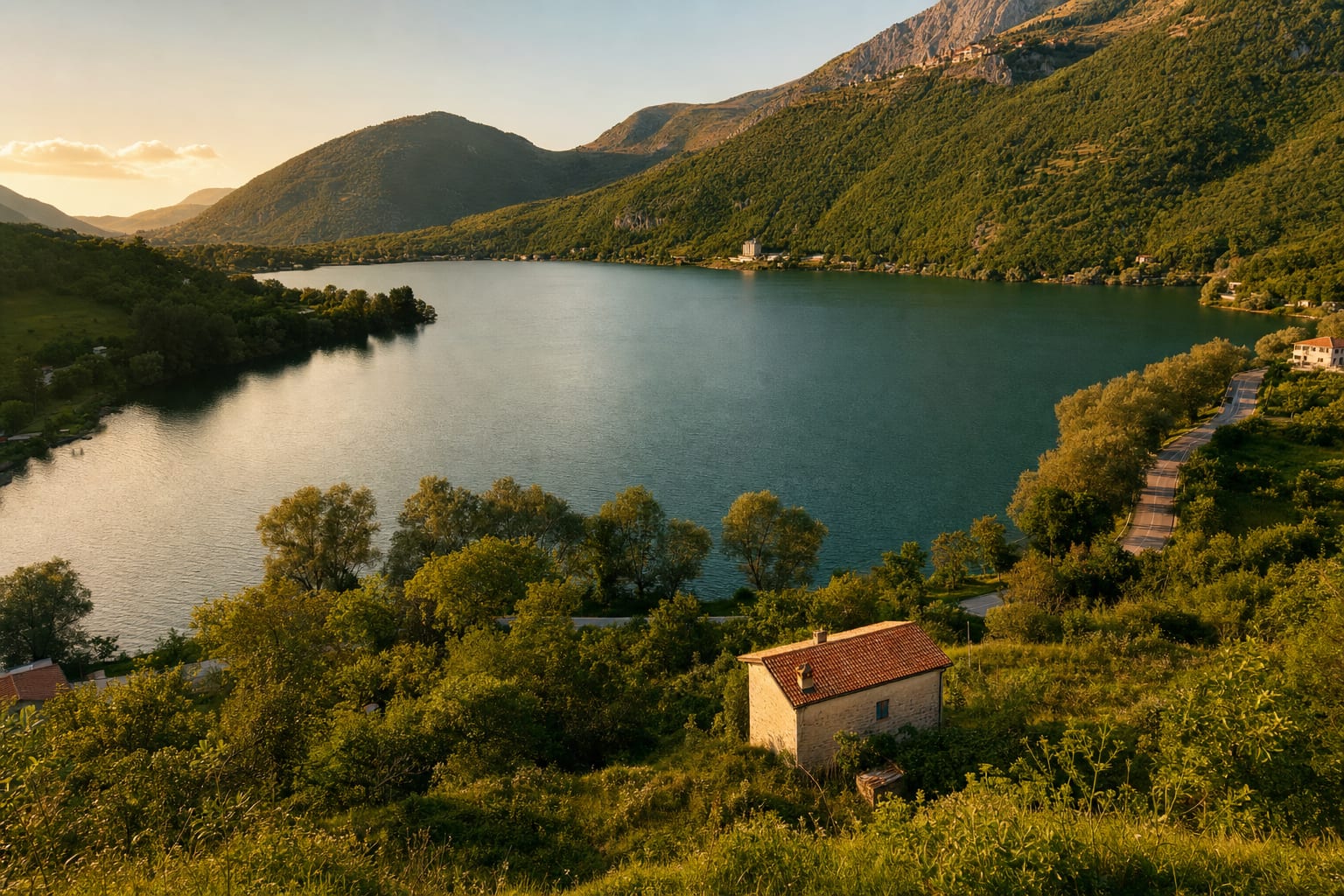 ScannoLago di ScannoHeart-shaped lake, Sentiero del Cuore viewpoint, Sagittario gorges, Scanno's costume and goldsmith tradition
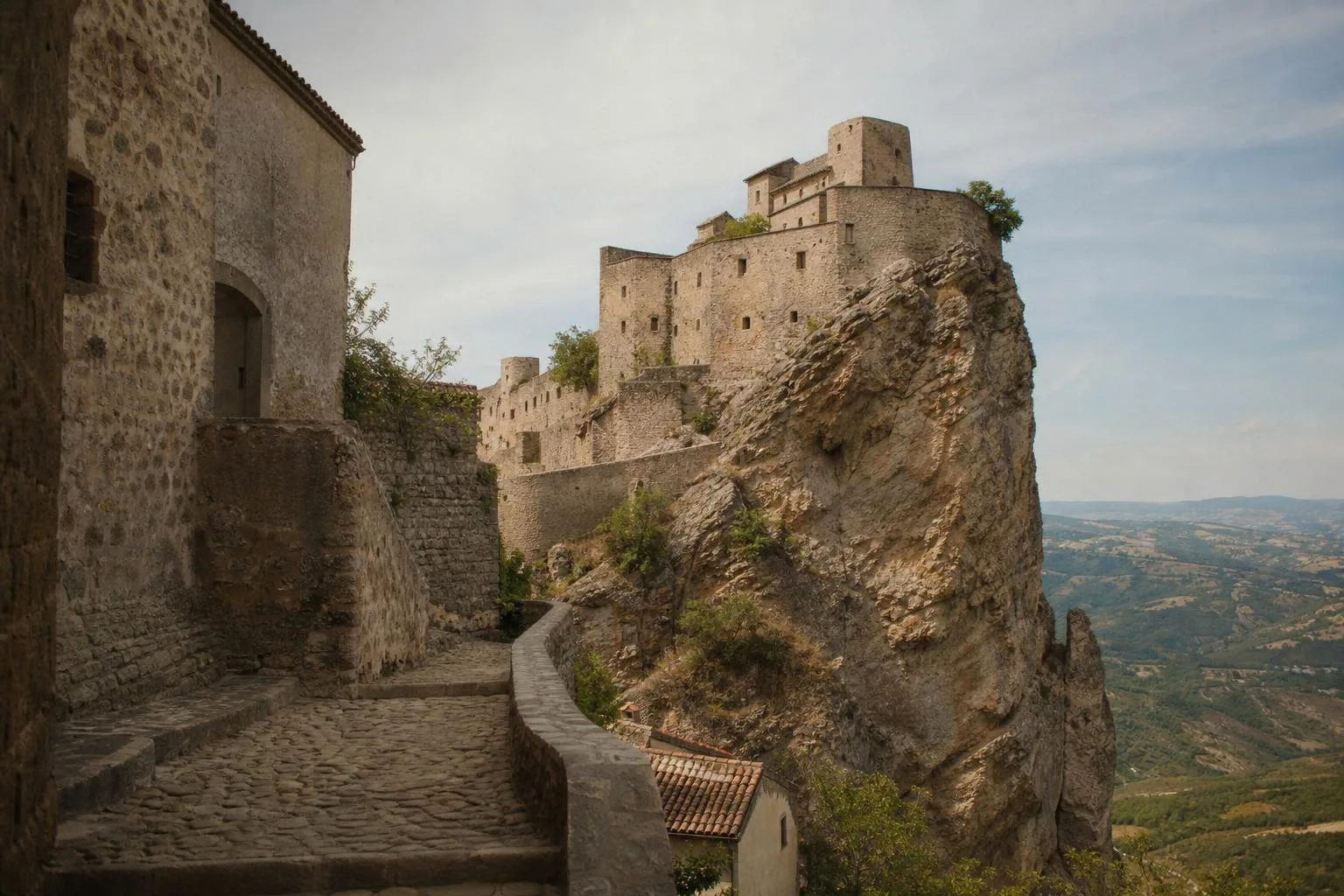 FossacesiaGemma nascostaCastello di RoccascalegnaCliffside silhouette, 12th-16th century fortress, feudal legend, Sangro valley views
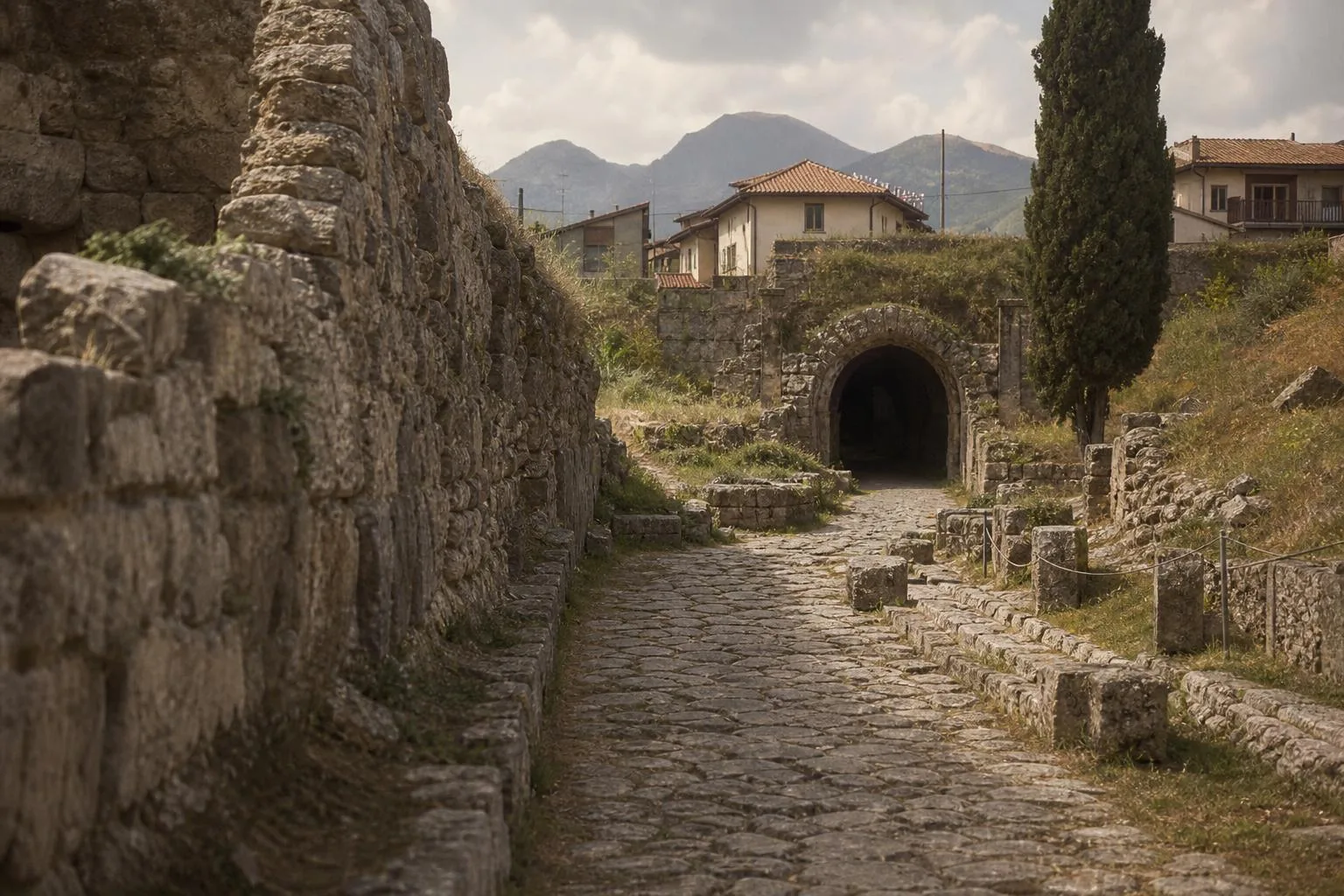 L'AquilaGemma nascostaCunicoli di ClaudioClaudius's six-kilometer emissary, Lake Fucino drainage, Monte Salviano shafts, guided underground walk