

12–18 months
- Aromas
- Milk, yogurt, fresh fruit
- Try it in
- Salads and cold dishes
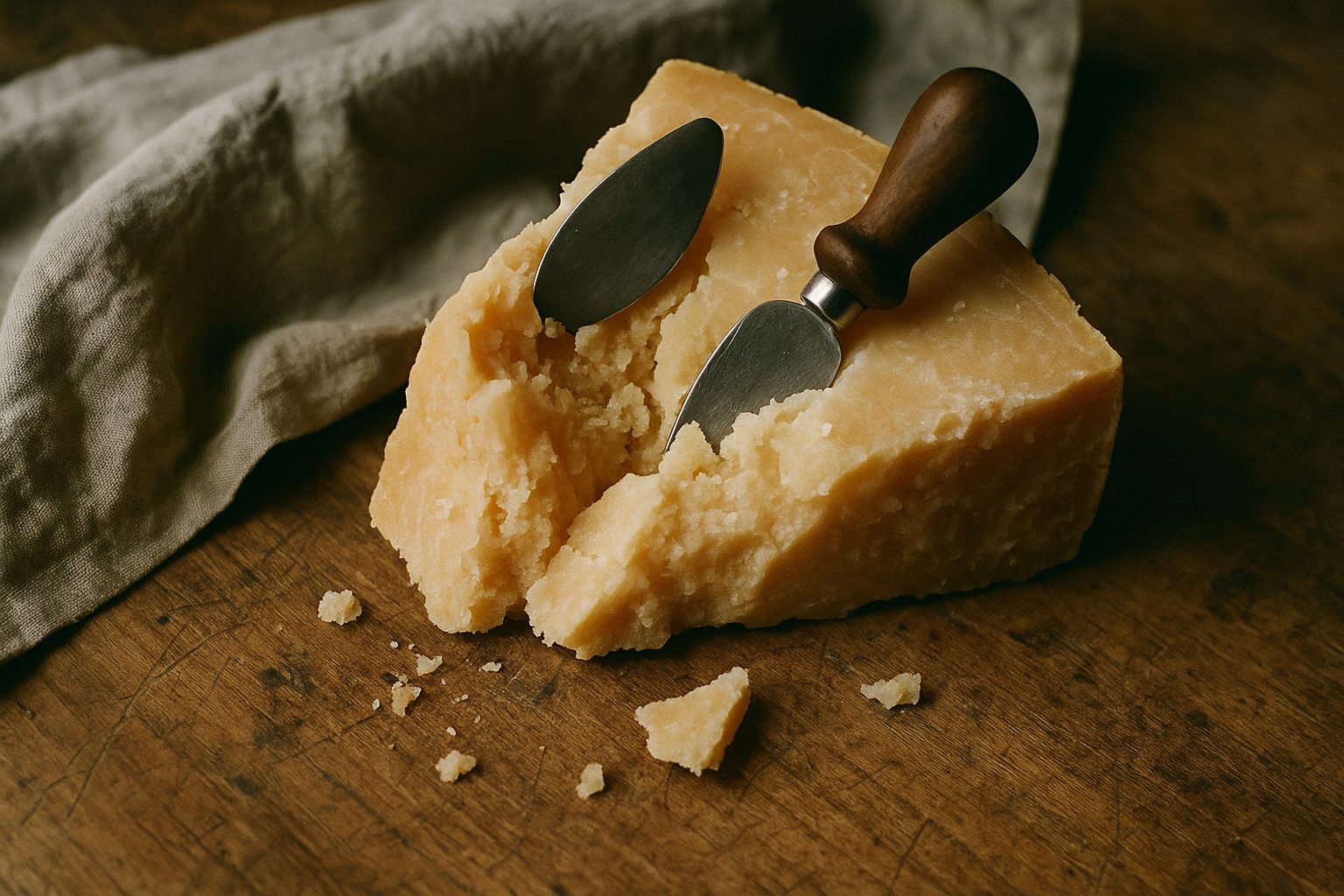
Parmigiano Reggiano is a hard, flaky cheese made from raw cow’s milk and matured for at least twelve months.
The Consorzio’s sensory guide describes these stages; individual wheels vary.
The Consorzio places the cheese's origins in the Middle Ages.
Its historical account also points to Boccaccio's Decameron: grated parmesan appears in the imaginary land of Bengodi, alongside gnocchi and ravioli cooked in broth. That literary image helps explain how deeply the cheese entered Italian food culture. It does not mean a medieval cheese was certified under today's DOP rules. The protected identity now rests on a written specification, controlled production and the marks on compliant wheels, rather than an origin story alone.
Morning milk is combined in copper vats with milk from the previous evening, partly skimmed by natural creaming. A whey starter carries the dairy's lactic cultures into the next batch. Calf rennet sets the milk; the curds are then broken and heated before the cheese mass is gathered into molds. Origin marks are applied early in the wheel's life. After several days, brine salting precedes the long maturation period.
After the minimum twelve-month maturation, the wheels undergo a quality inspection. Inspectors tap them with a hammer to assess their interior, alongside the other checks. Compliant wheels receive the oval firebrand. Some remain in maturation much longer. Time is therefore part of the production method, while inspection determines whether the wheel can continue bearing the protected identity.
The production area covers the provinces of Parma, Reggio Emilia and Modena, the part of Bologna province to the left of the Reno, and the part of Mantua province to the right of the Po. It is broader than Parma and crosses the administrative boundary into Lombardy. Milk production, cheesemaking and the minimum twelve-month maturation take place within the specified area.
Emilia-RomagnaFor tasting, break off small pieces instead of cutting uniform slices. The Consorzio describes using the tip of the traditional almond-shaped knife as a lever, preserving the irregular fracture of the paste. Grating offers a different result, distributing the cheese through a preparation rather than presenting a separate bite. Compare a broken piece and a little grated cheese from the same wedge to understand both uses.
Try broken pieces with ripe pear and a small dish of honey. Serve the honey beside the cheese so you can adjust each bite.
 LambruscoParmigiano Reggiano over 12 months with Lambrusco, an option suggested by the Consorzio.
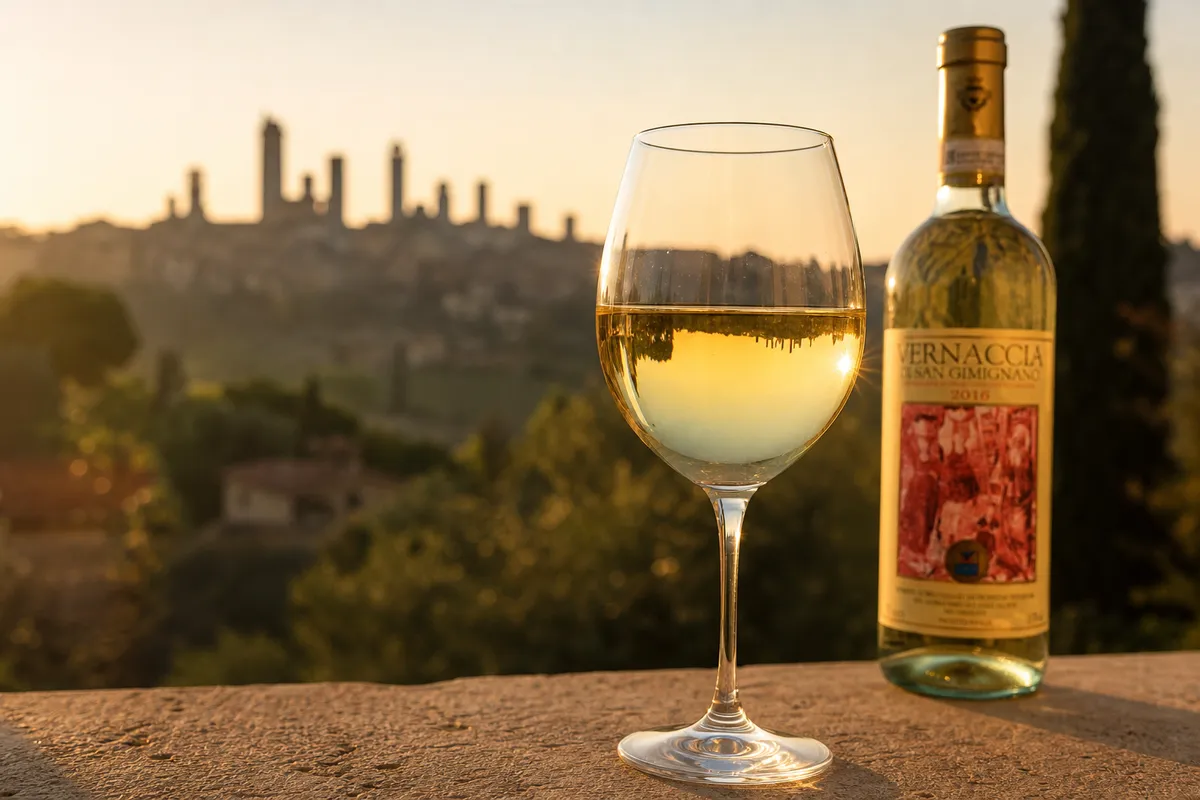 Vernaccia di San GimignanoParmigiano Reggiano over 24 months with Vernaccia di San Gimignano, as suggested by the Consorzio.
 Barbera d'AlbaTry Parmigiano Reggiano with Barbera d’Alba in a comparative cheese-and-wine tasting.
 Cannonau di SardegnaTry Parmigiano Reggiano with Cannonau di Sardegna in a comparative cheese-and-wine tasting.
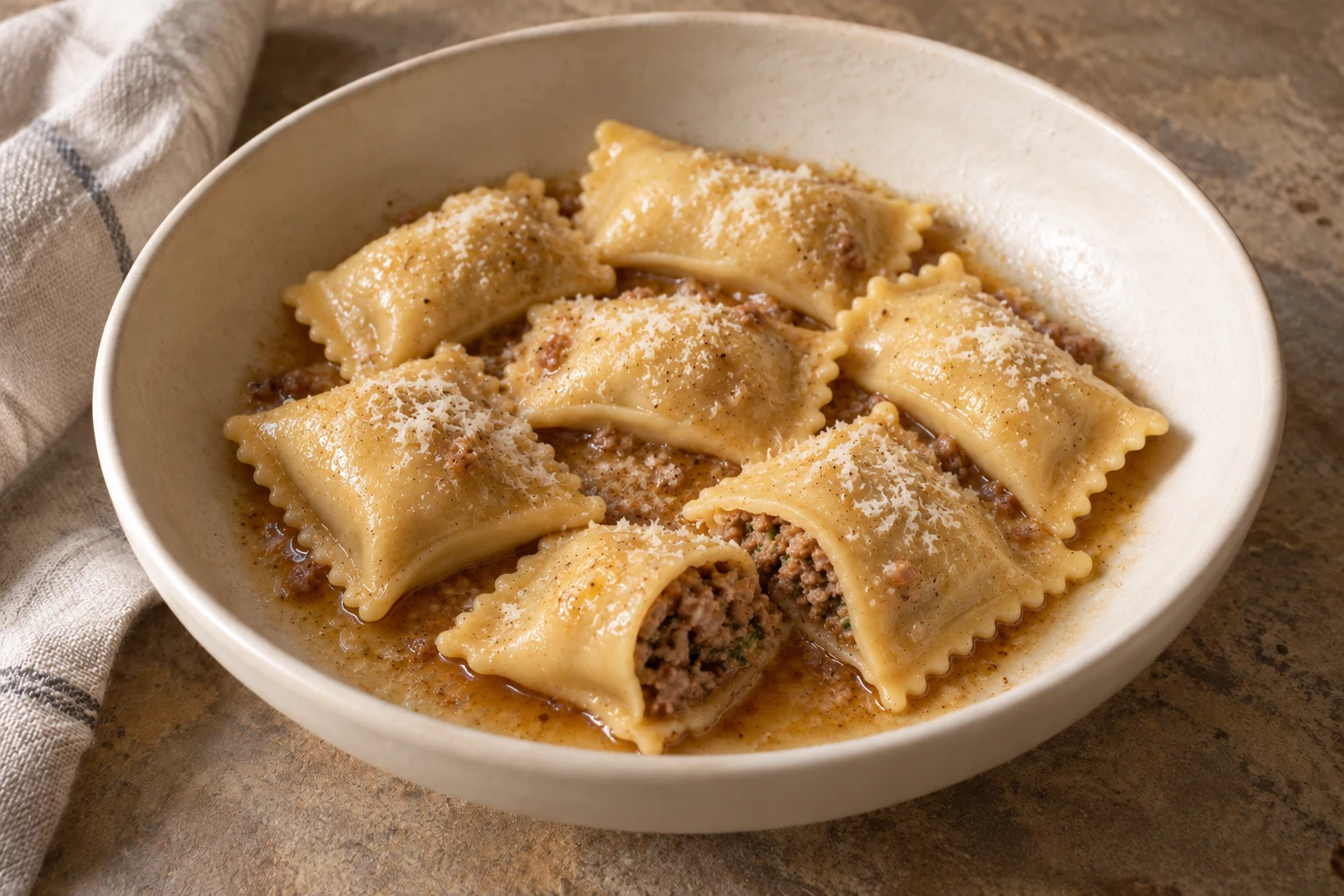 Agnolotti monferrini
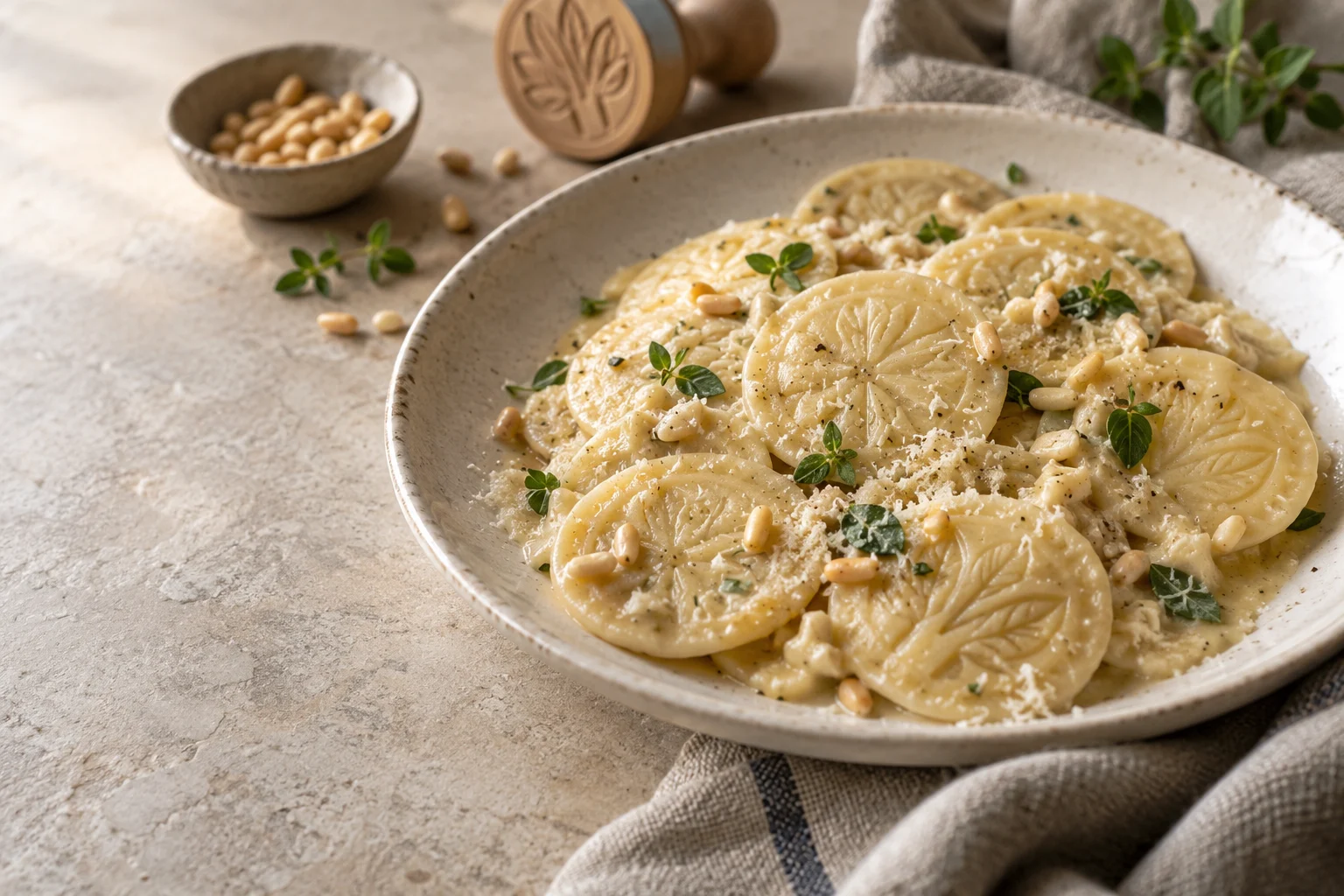 Levante-Style Stamped Corzetti with Pine Nut and Marjoram Sauce
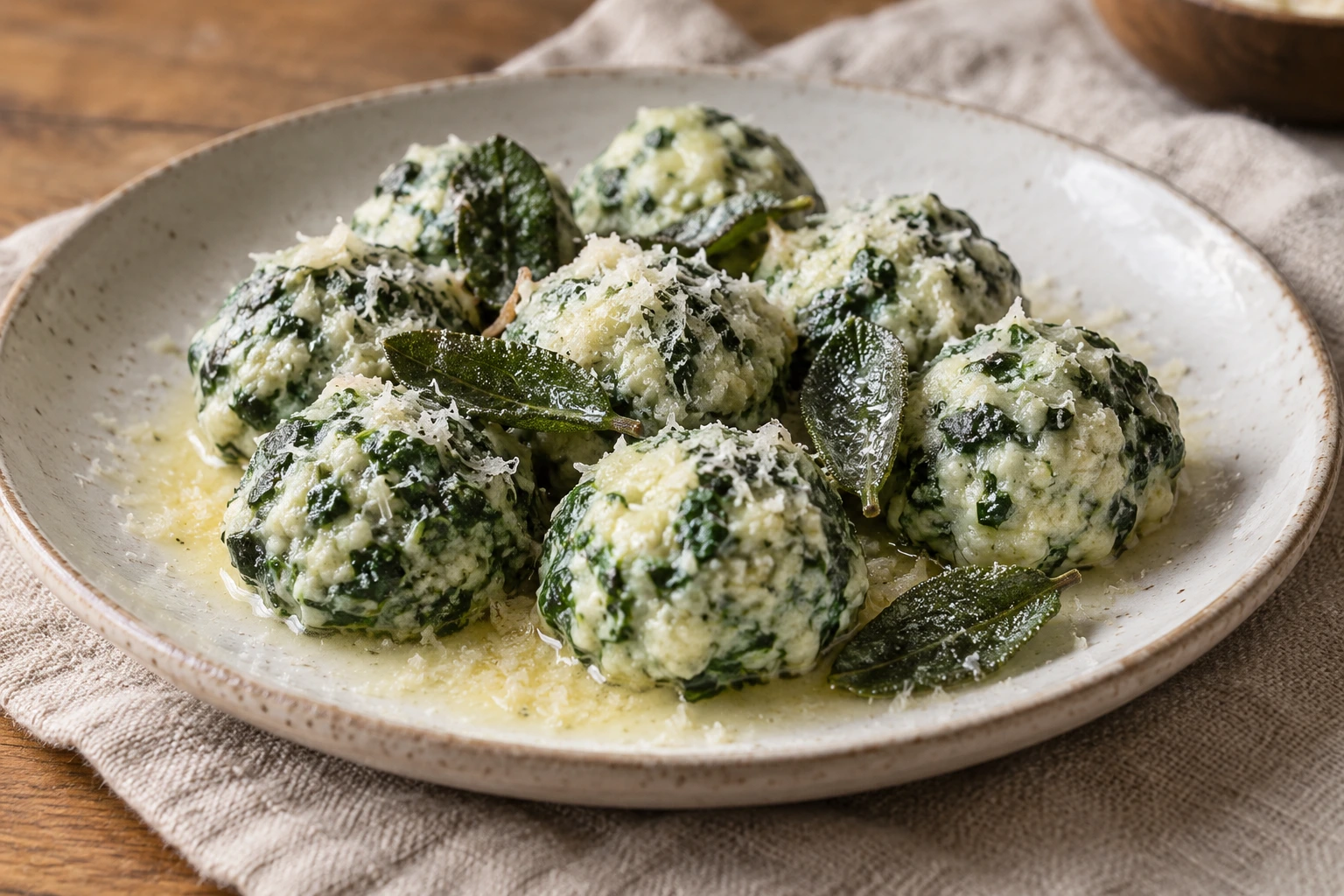 Spinach and ricotta gnudi with butter and sage
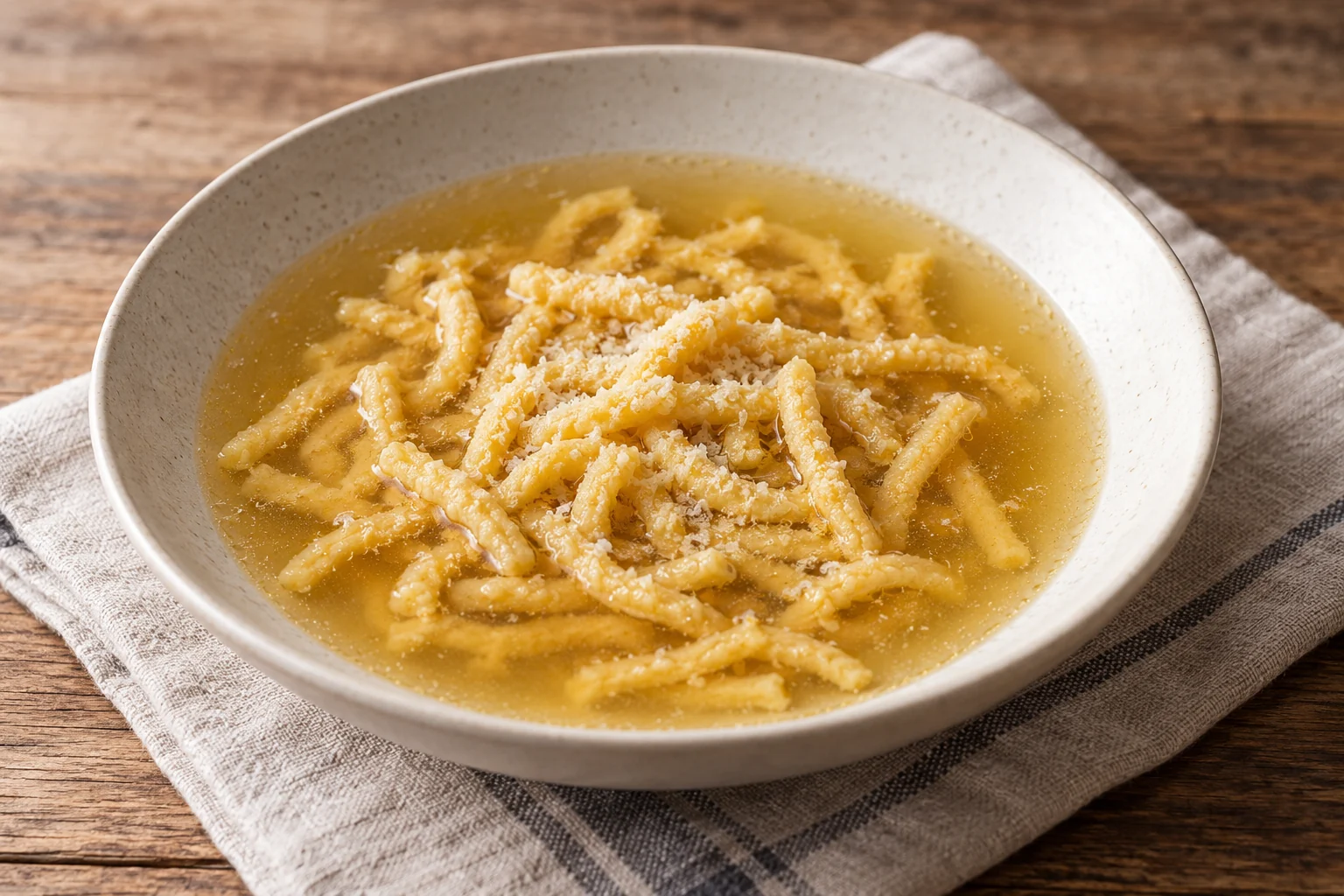 Passatelli in meat broth
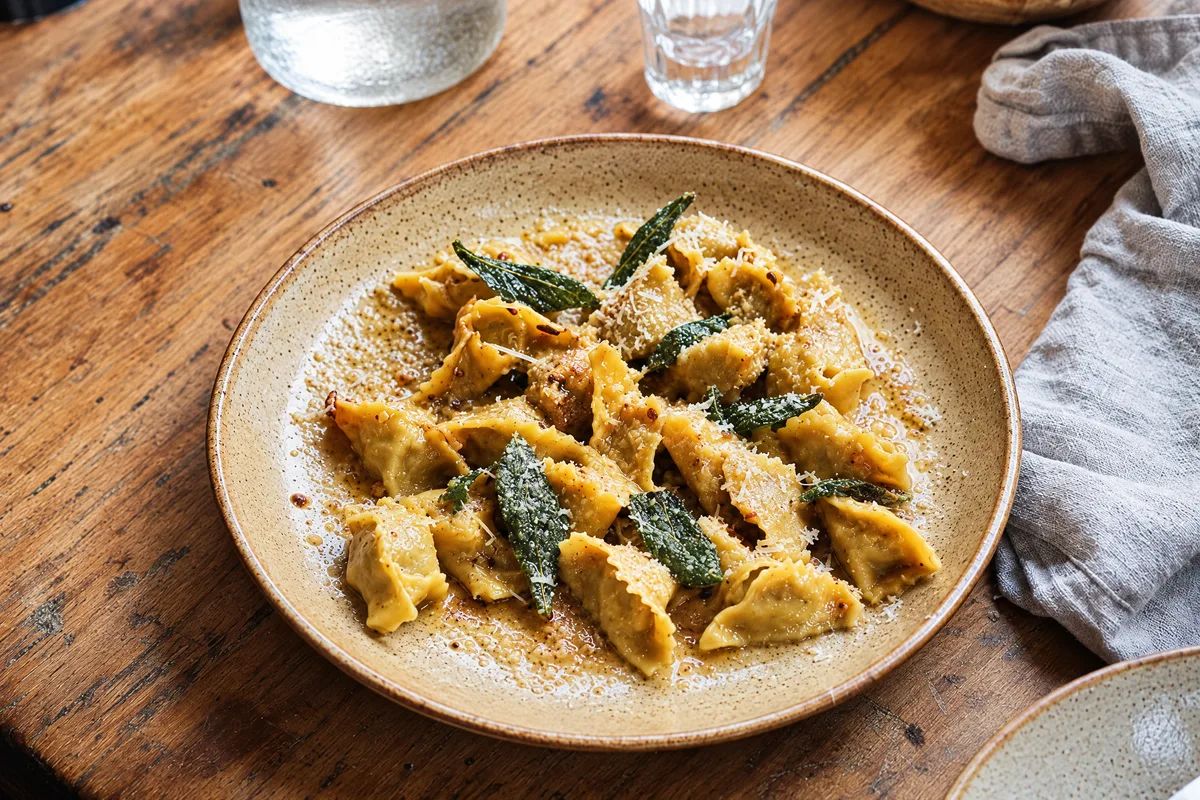 Agnolotti del Plin Burro e Salvia
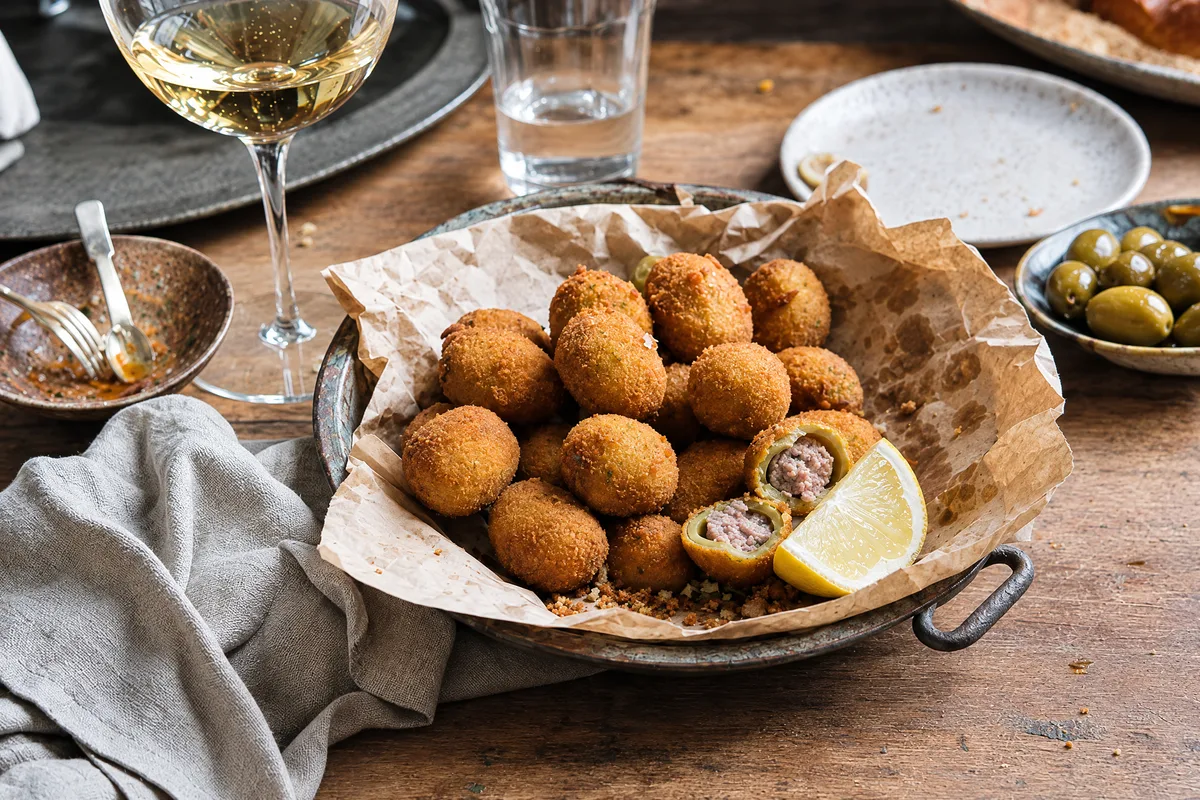 Olive all’Ascolana
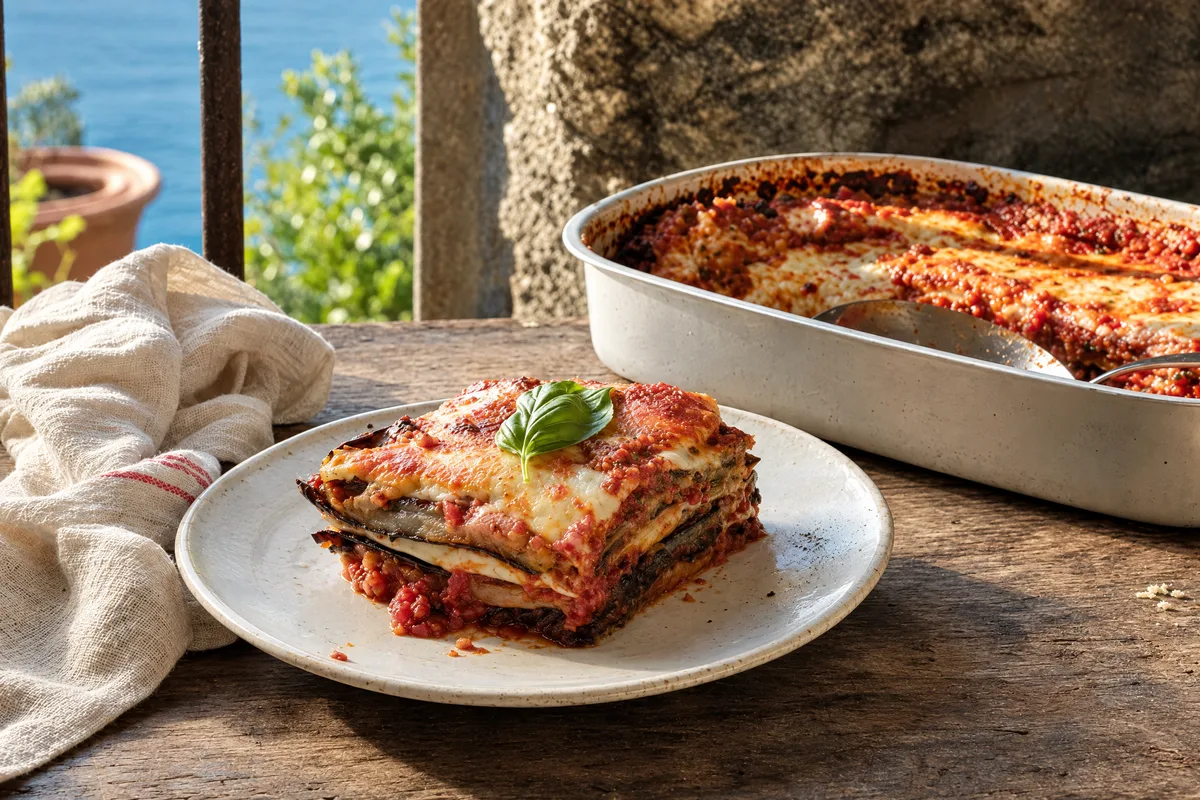 Parmigiana di Melanzane
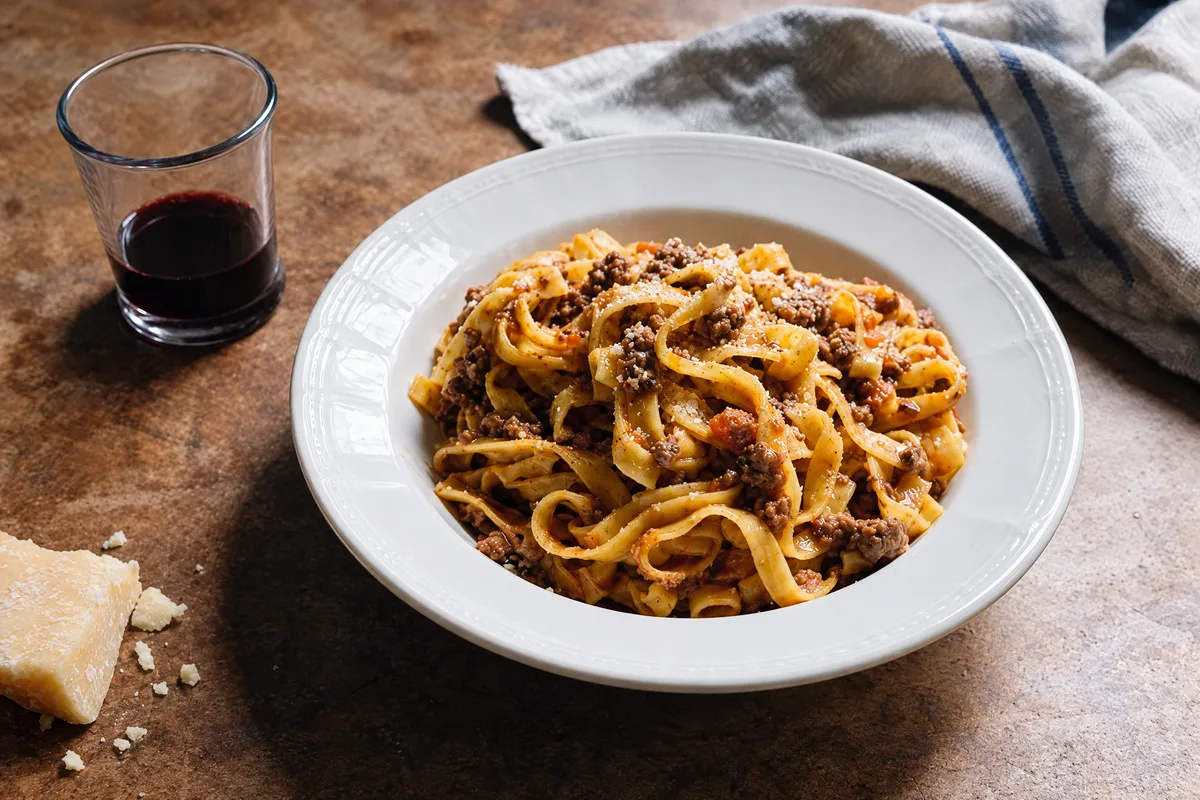 Tagliatelle al Ragù Bolognese
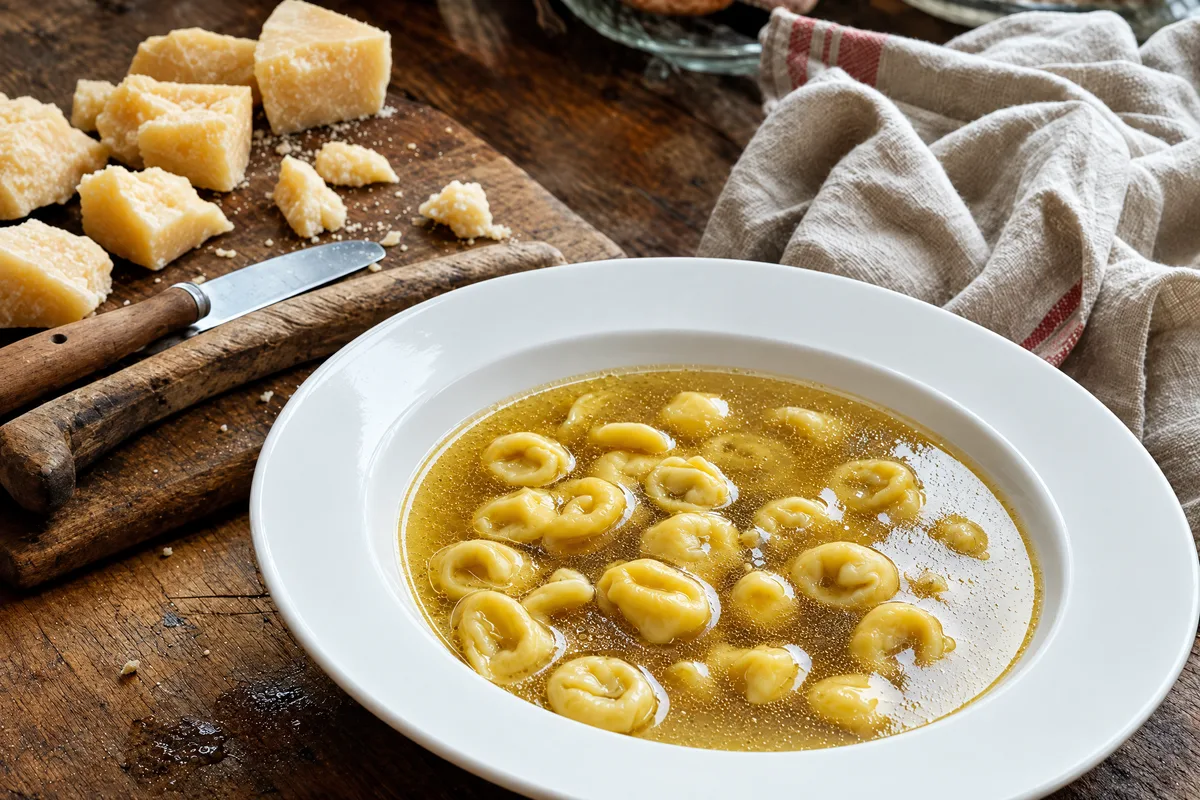 Tortellini in Brodo
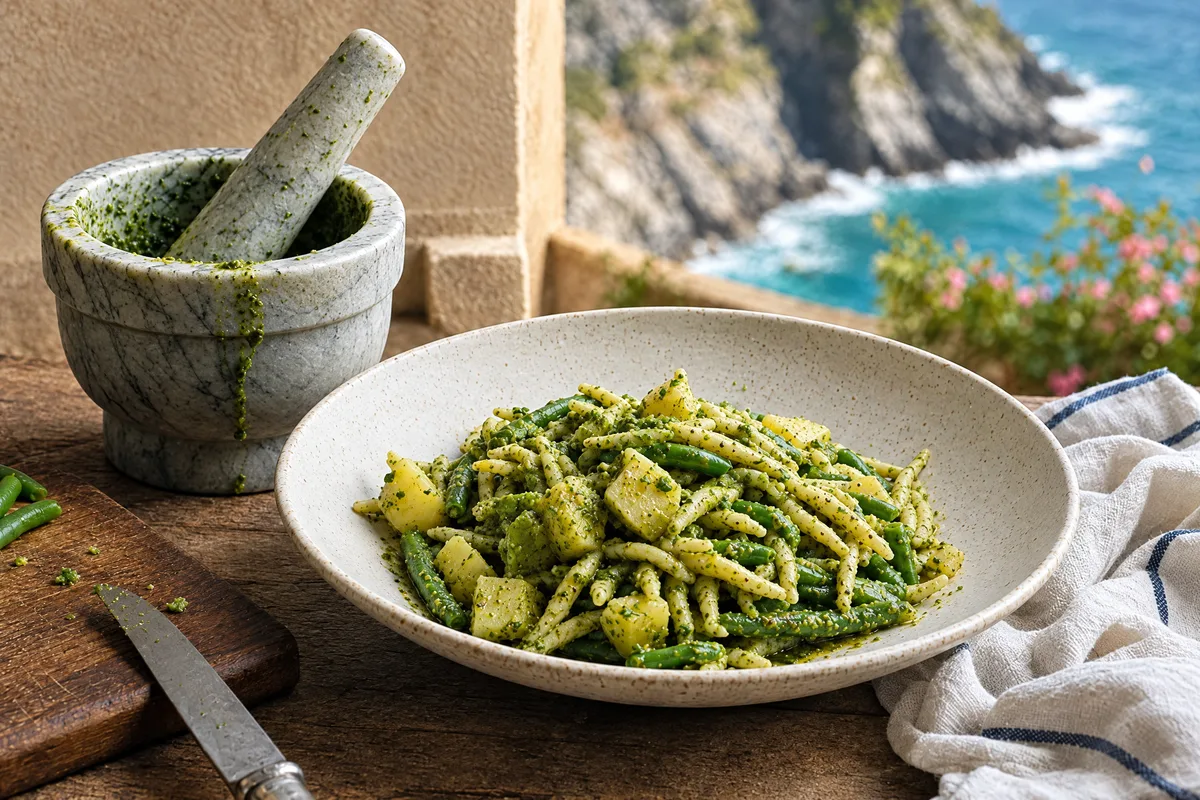 Trofie al Pesto Genovese
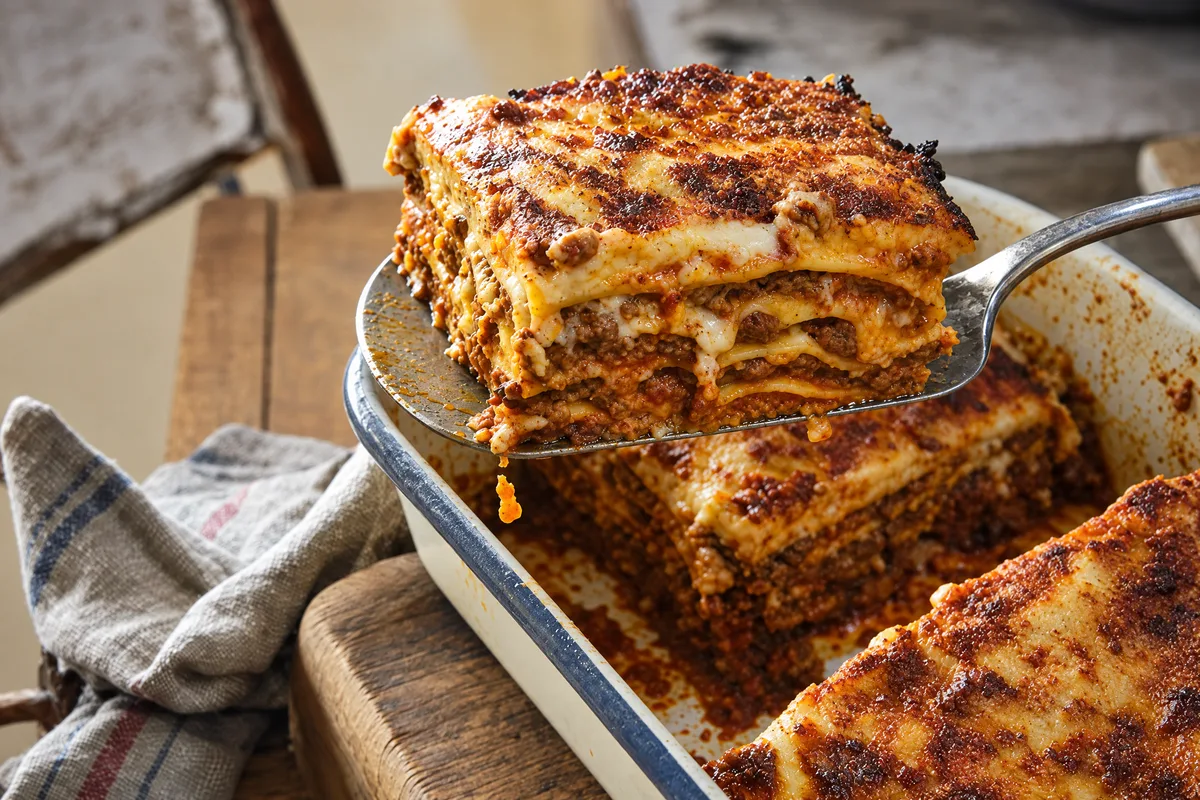 Vincisgrassi
On a whole wheel that passed selection, look for dotted Parmigiano Reggiano lettering, the dairy number and production month and year, together with the oval selection firebrand. Parallel grooves identify mezzano, a second category with minor or moderate defects that do not change the cheese's typical sensory characteristics. A pre-packed piece must carry the designation's wedge-and-wheel logo; a pre-packed portion over 15 g must also state its minimum maturation. It may have no dotted rind. The specification normally requires portioning and packaging in the production area, but permits these steps at a retail outlet when done solely for direct sale to the final consumer. Ask the seller for the producer and maturation; do not judge provenance from color alone.
The Consorzio advises refrigerating bought pieces at 4–8°C. Once a vacuum pack is opened, protect the wedge from air using a suitable container or food-grade wrapping. Follow the packer's storage and date instructions rather than applying a universal opened shelf life. These are instructions for keeping purchased cheese, not directions for maturing a wheel at home.
No. A portion may come from the flat face of a wheel or an unmarked part of its side. Check the packaging and seller's traceability information.
The specification requires calf rennet. A similar hard cheese using another coagulant does not follow this requirement.
The Consorzio says the untreated rind can be eaten after thorough cleaning to remove impurities from its maturation environment. That advice concerns an actual Parmigiano Reggiano rind, not the rind of any hard cheese. Remove any casein plate before using the rind.
The places, tables and makers we found worth your time. One email, no noise.
One letter a month. Unsubscribe at any time. We never share your address.
