

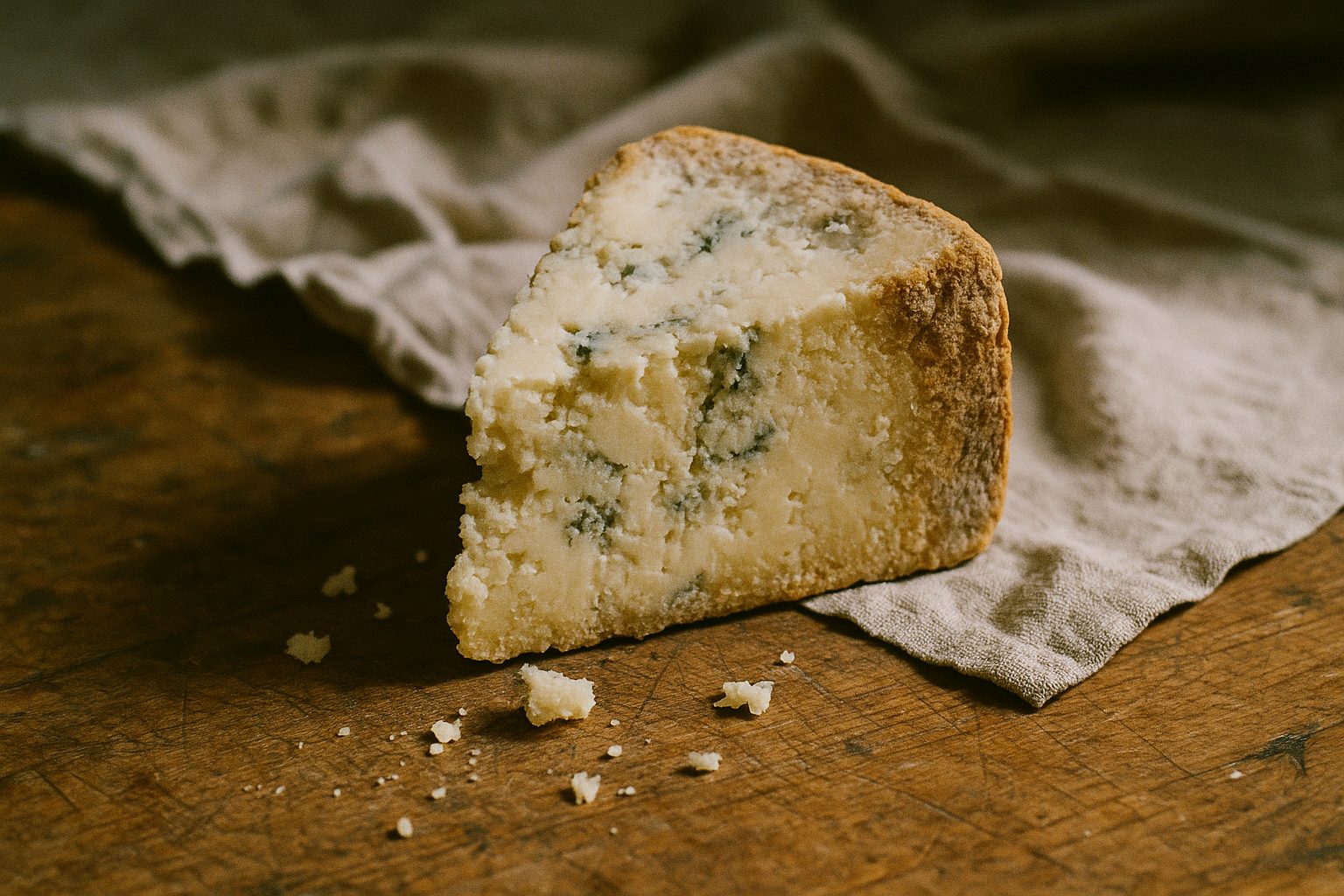
Castelmagno
Castelmagno is a crumbly, semihard raw-milk cheese made in three municipalities of the Grana Valley.
- Milk
- Raw cow’s milk; optional sheep/goat additions
- Protection
- DOP
- Maturation
- At least 60 days
A second life in the whey
Castelmagno is made with raw milk and calf rennet, without added starter cultures. The curd is broken while still in the whey, then gathered in a cloth called a risola and left to drain for at least 18 hours.
The drained curd is submerged in whey from earlier cheesemaking for two to four days of fermentation. It is then broken up, finely crumbled, mixed and salted before being wrapped in cloth and pressed in molds. Maturation lasts at least 60 days in cool, humid natural caves or rooms that reproduce those conditions.
Where Castelmagno is made
The protected area is limited to Castelmagno, Pradleves, and Monterosso Grana in Cuneo province, Piedmont.
Piedmont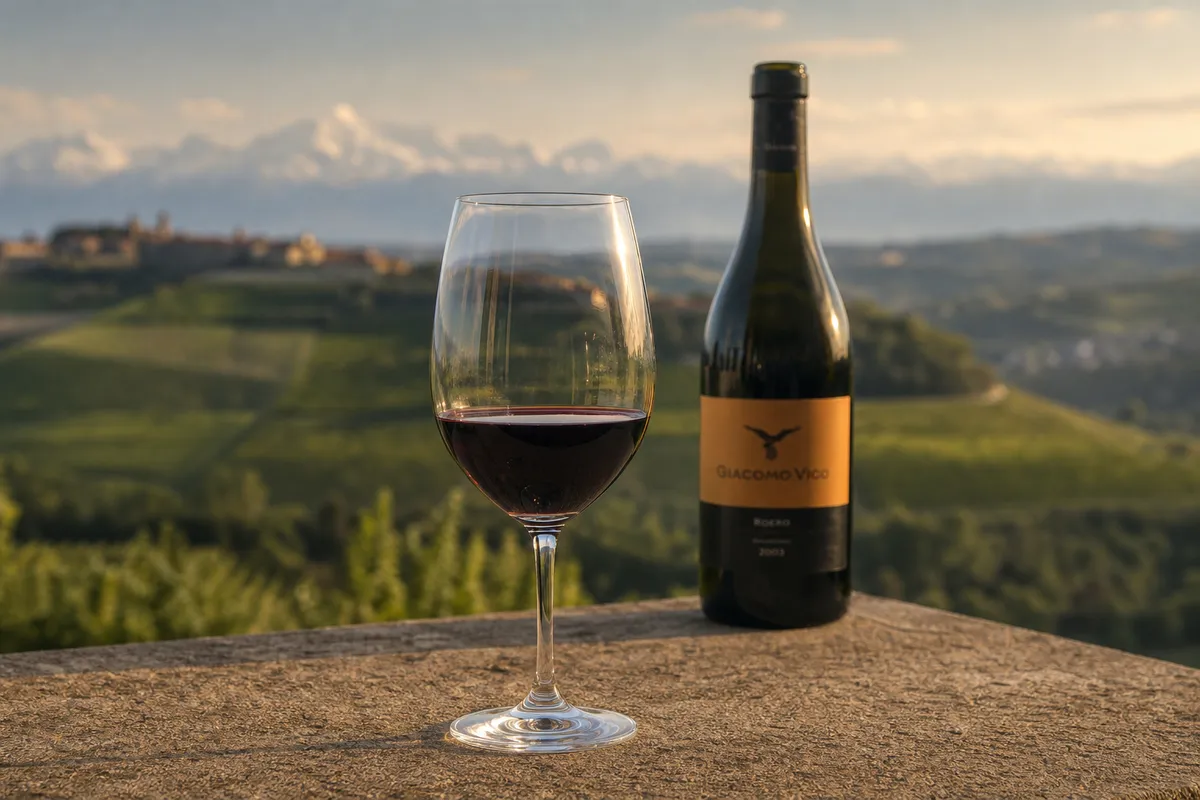
Choosing Castelmagno
Use the full protected name, Castelmagno DOP, when choosing this cheese. The specification sets its maturation as follows: At least 60 days.
Questions worth asking
Which milk is used?
The specification calls for raw cow’s milk; optional sheep/goat additions.
Where is the protected area?
The protected area is limited to Castelmagno, Pradleves, and Monterosso Grana in Cuneo province, Piedmont.
How long does it mature?
The specification gives these maturation requirements: At least 60 days.
