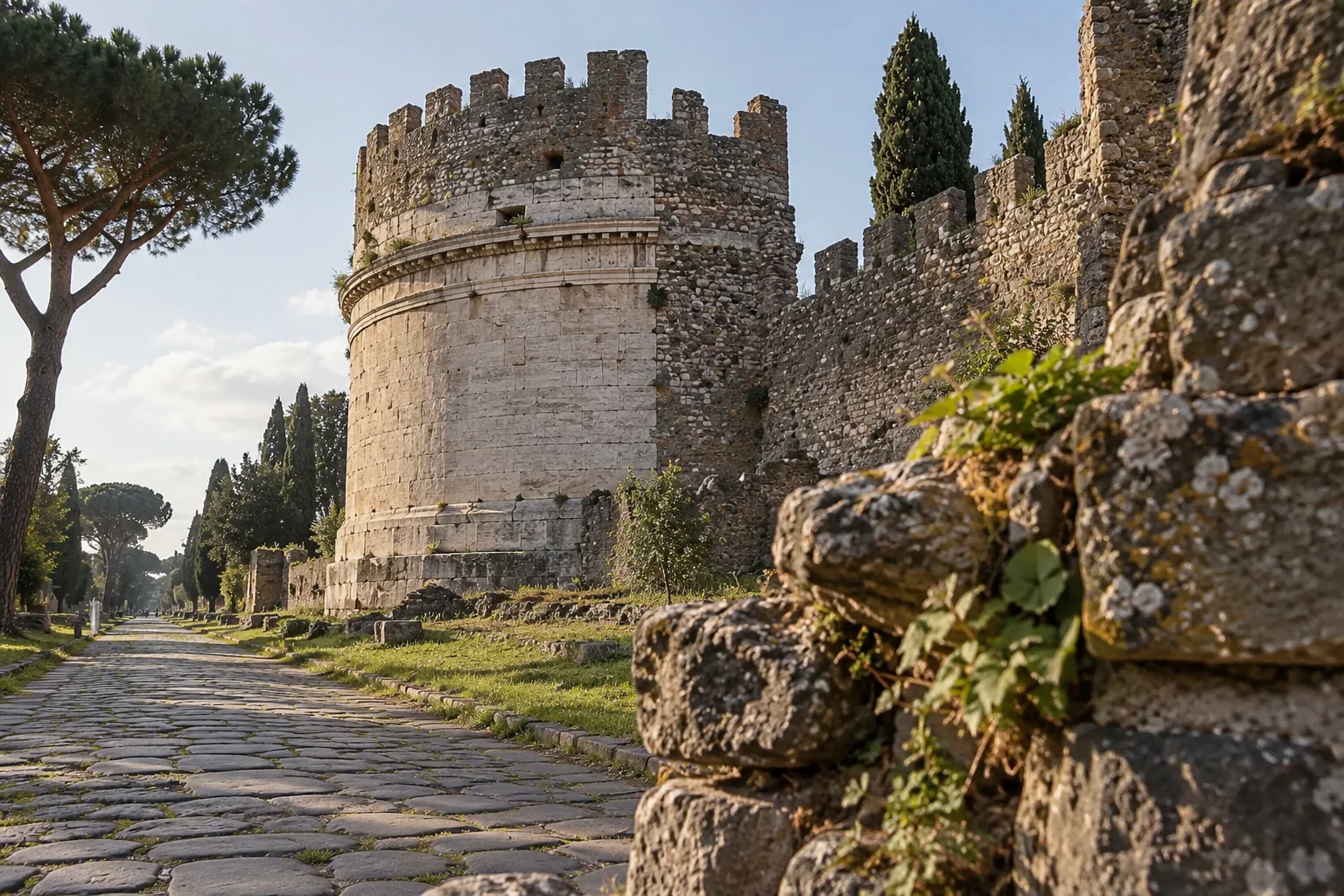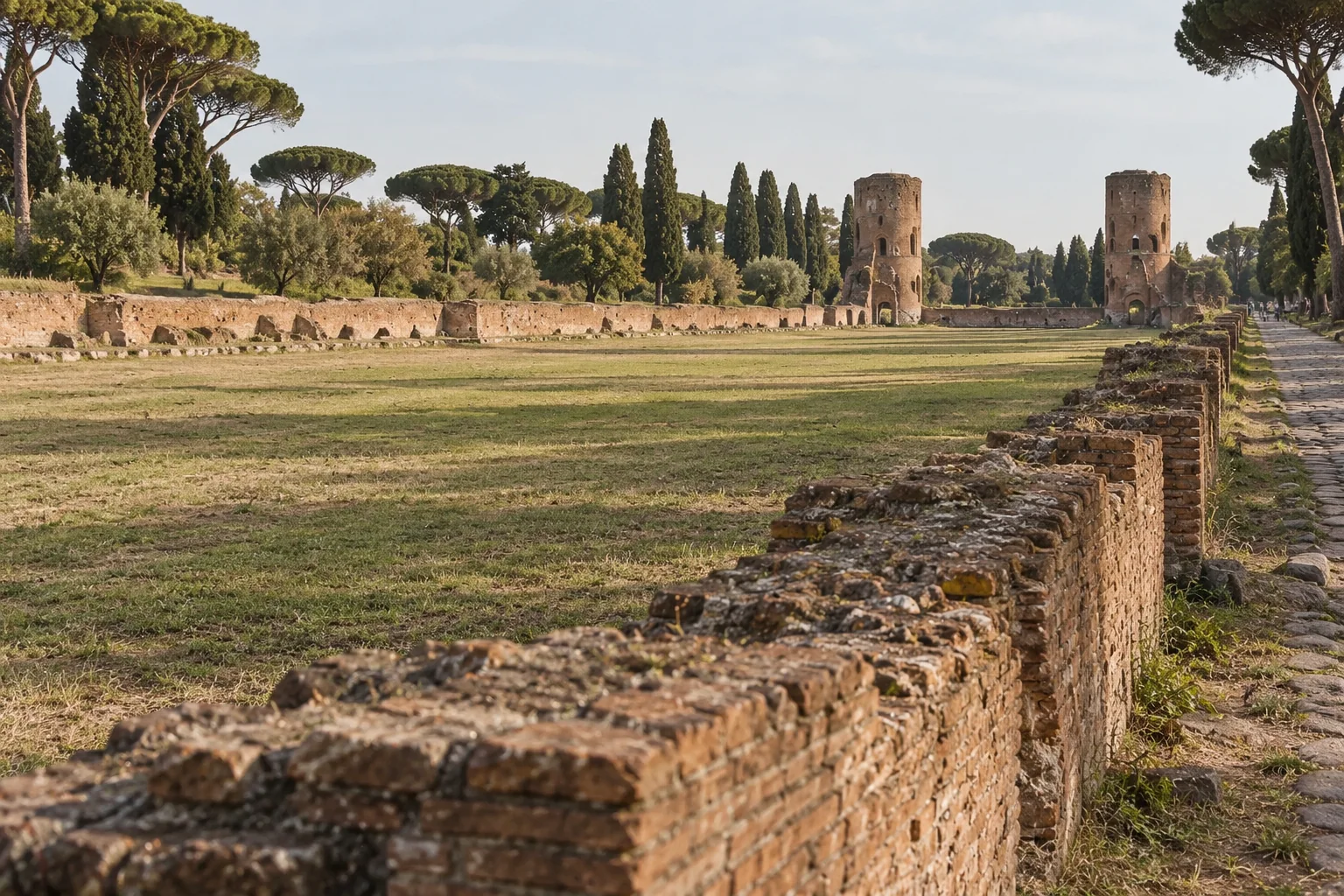
The Appian Way began in 312 BCE under the censor Appius Claudius Caecus, who also built Rome's first aqueduct in the same year, and it originally ran straight from Rome to Capua before later extensions pushed it all the way to the port of Brindisi on the Adriatic, earning it the nickname Regina Viarum, Queen of Roads.
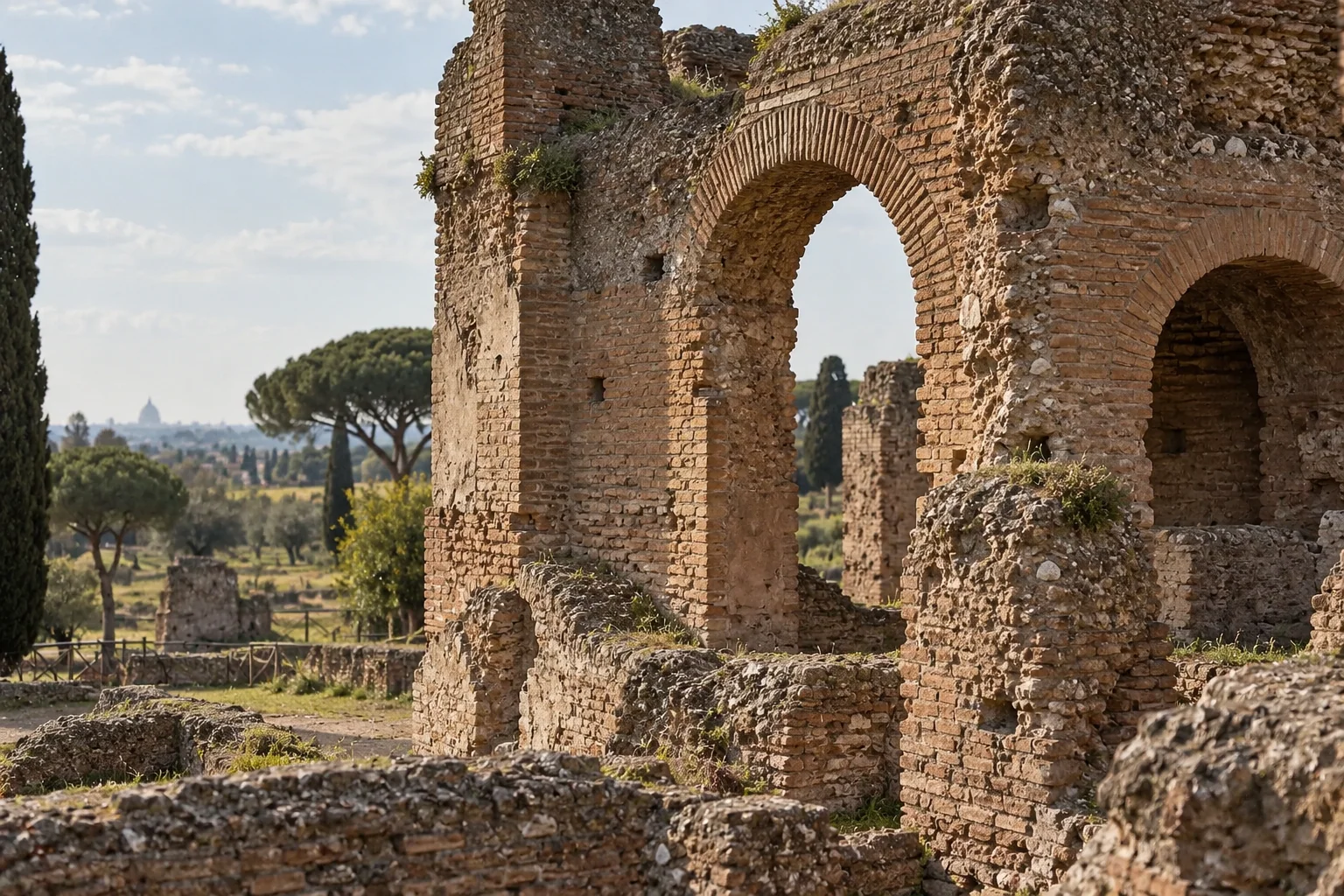
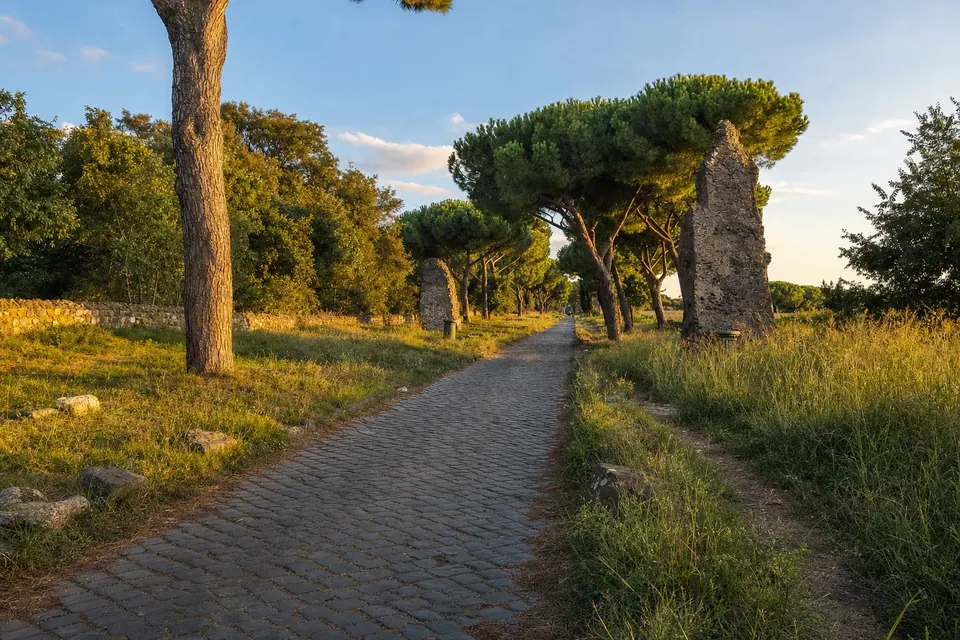
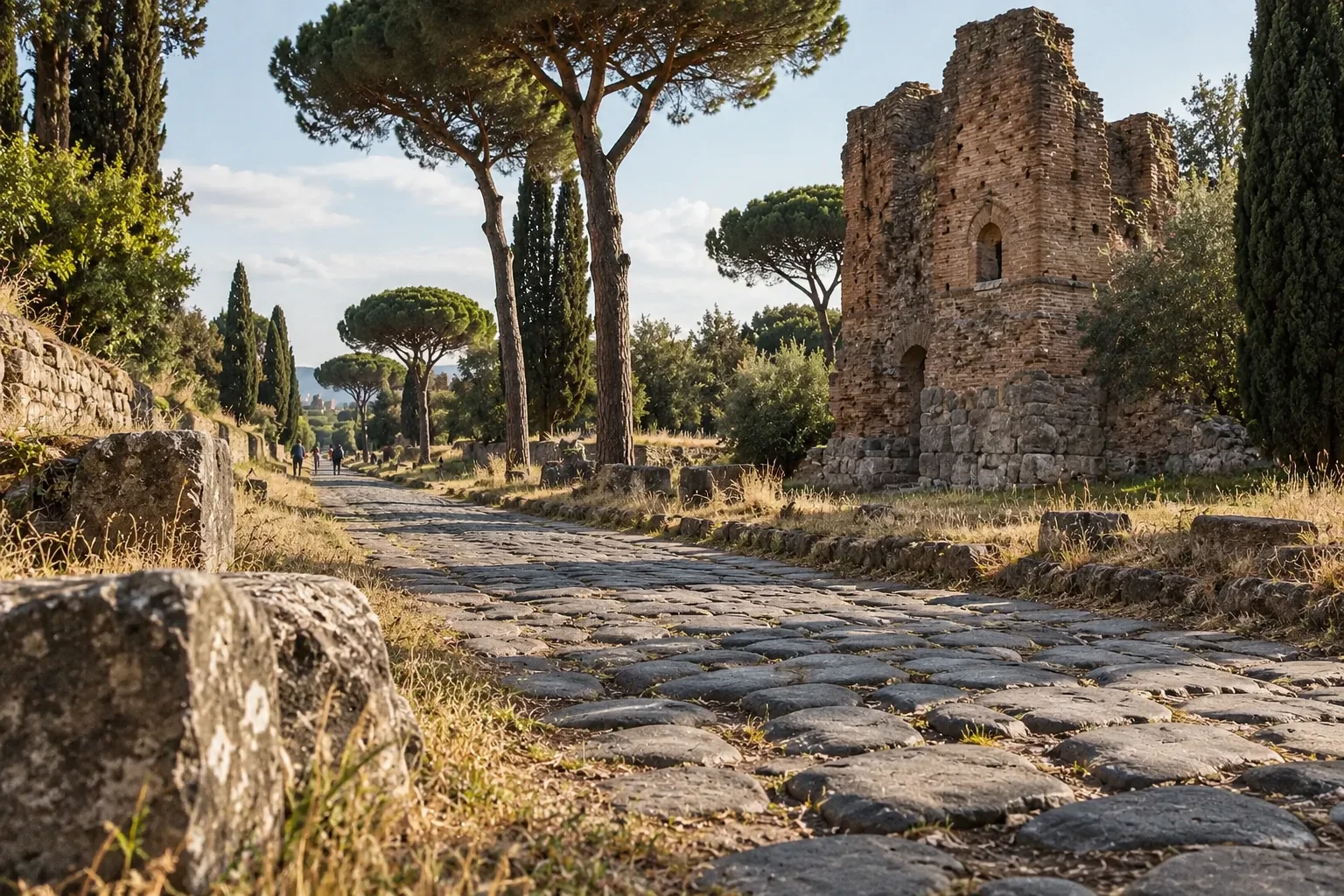
Long stretches near Rome still carry their original basalt paving stones, worn into ruts by two thousand years of cart wheels, and run past umbrella pines, ruined aqueduct arches and the entrances to Christian catacombs including San Callisto and Domitilla, where early Romans buried their dead outside the sacred city boundary. Because the road survives as a serial UNESCO property rather than one continuous open-air museum, sections differ enormously in condition and access: some stretches near the Appia Antica Regional Park are closed to cars and ideal for cycling, while others remain ordinary, traffic-heavy roads, so any visit has to be planned section by section rather than as a single continuous walk.
Sources and citations (1)
- UNESCO World Heritage CentreVia Appia. Regina ViarumProperty identity and criteriaRead source