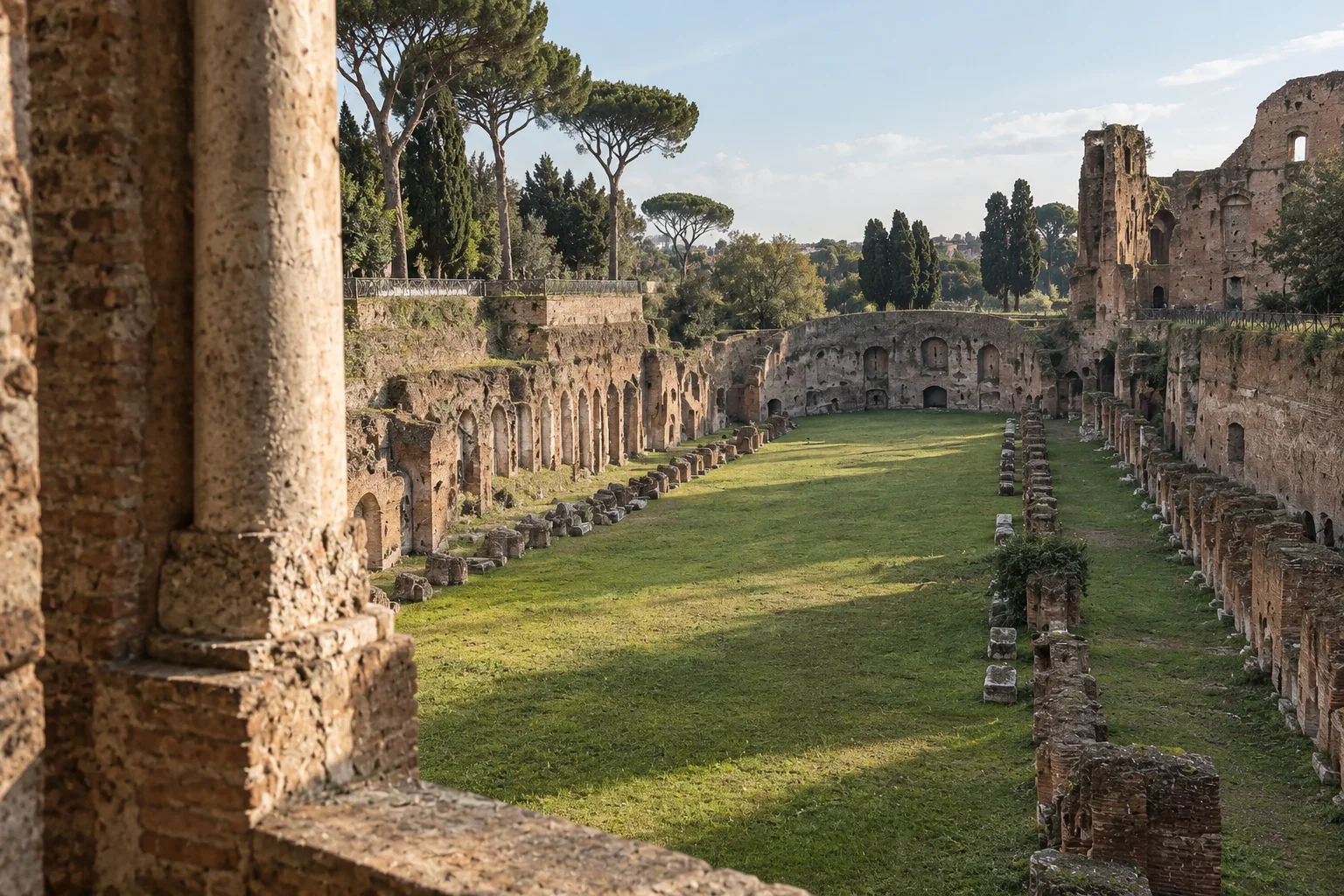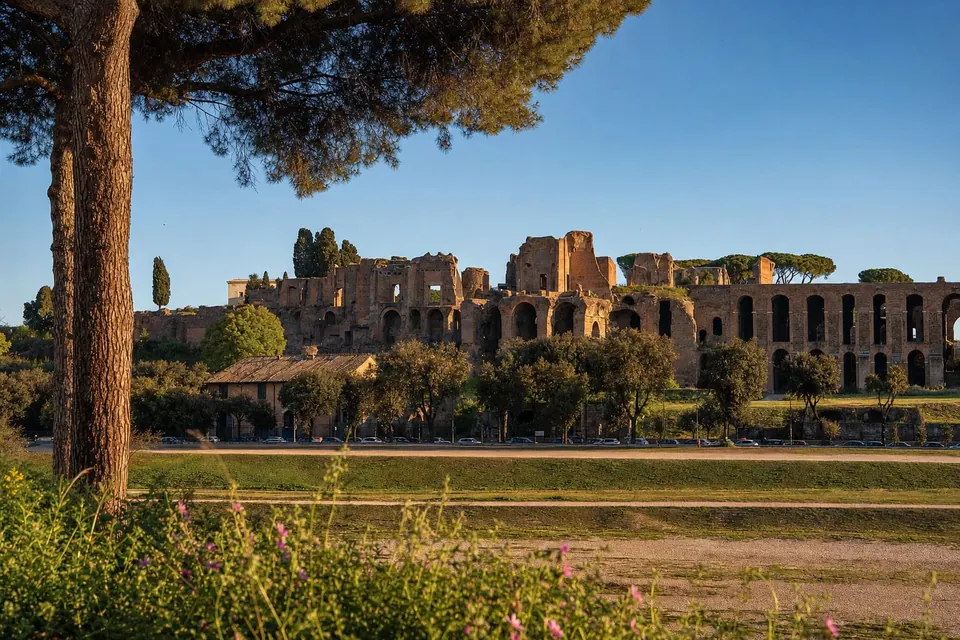
The Palatine Hill is where Rome's own foundation myth and its archaeology come closest to agreeing: excavations have found Iron Age huts dated to roughly the 8th century BCE, the same period tradition assigns to Romulus, on the very hill where he was said to have founded the city.
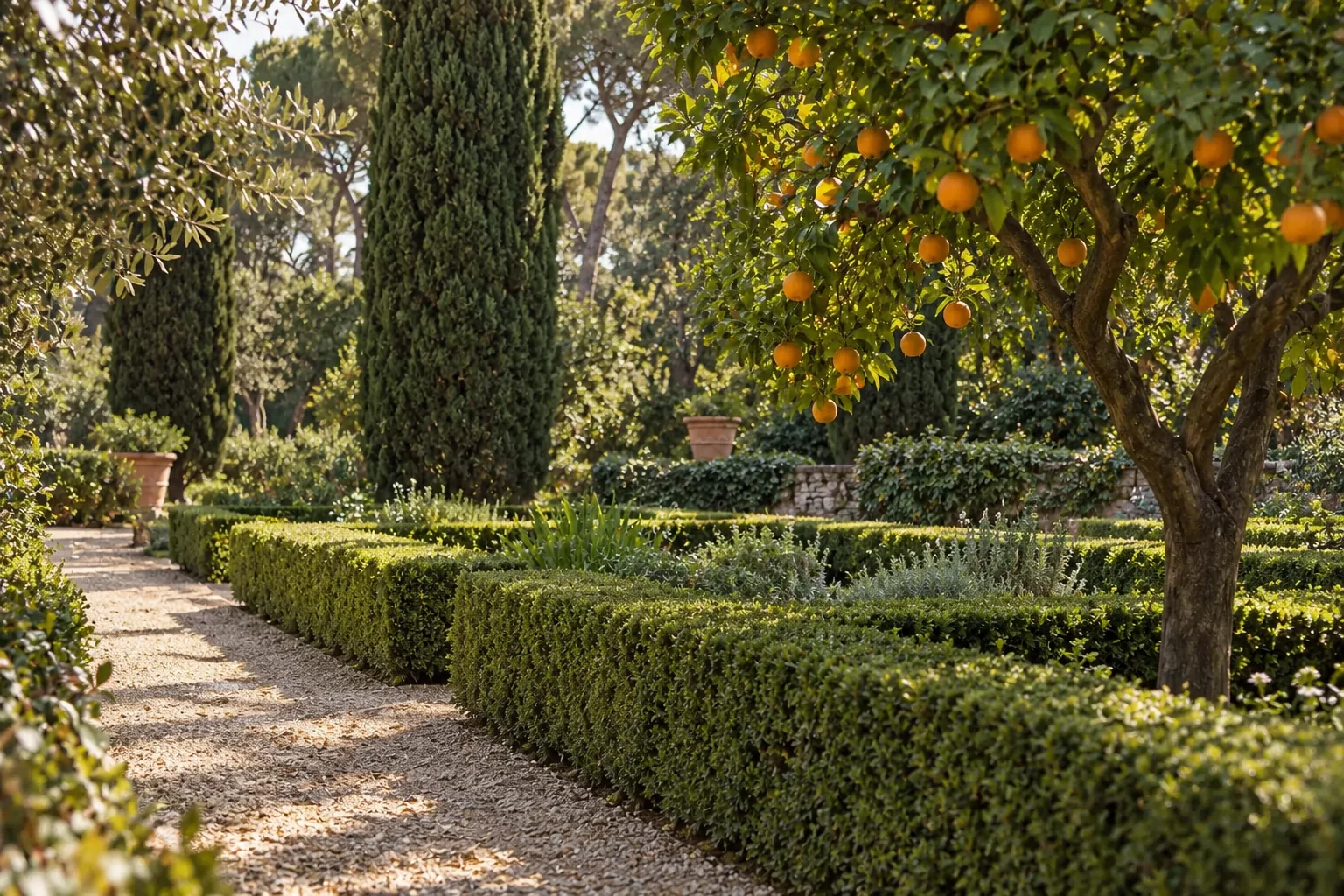
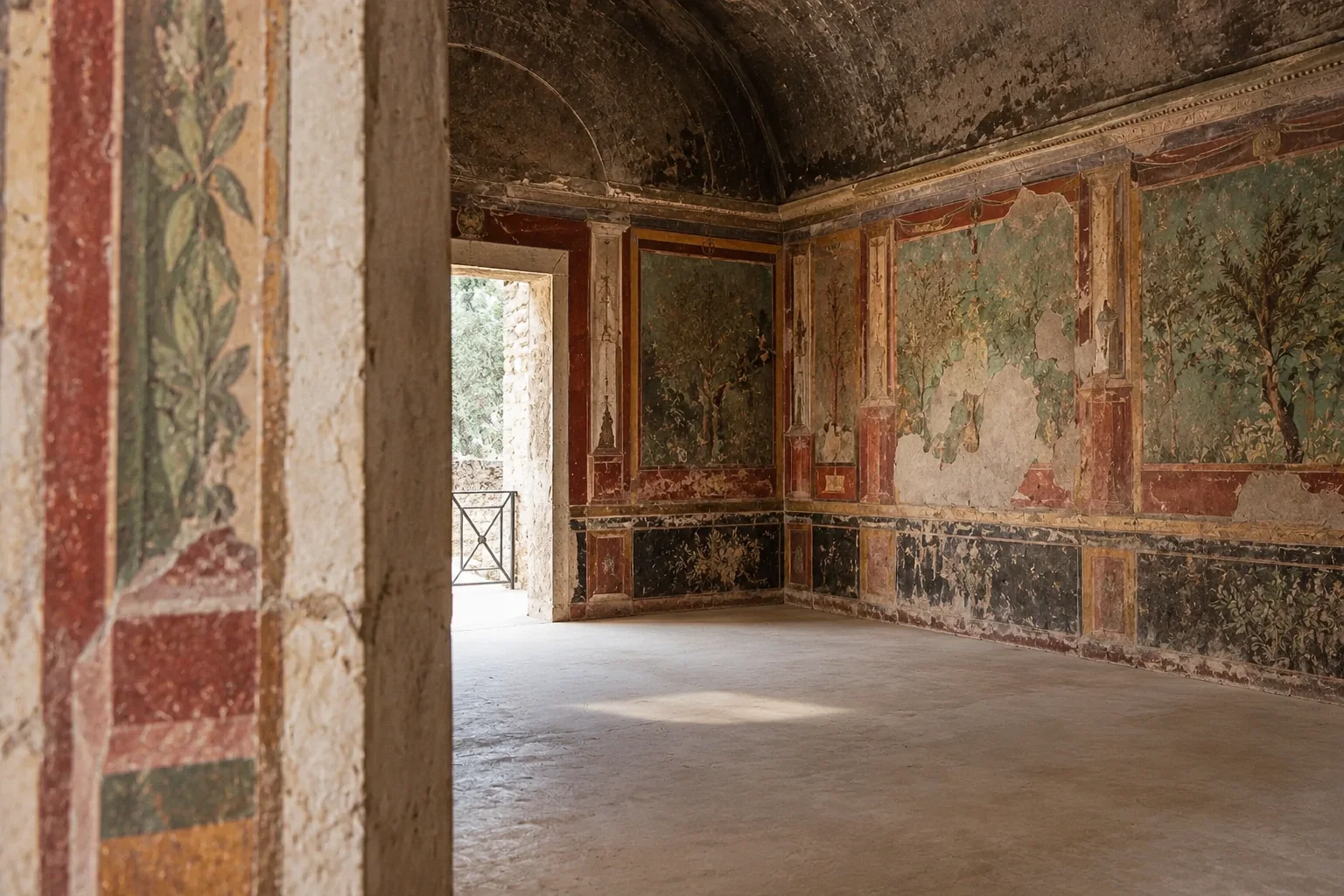
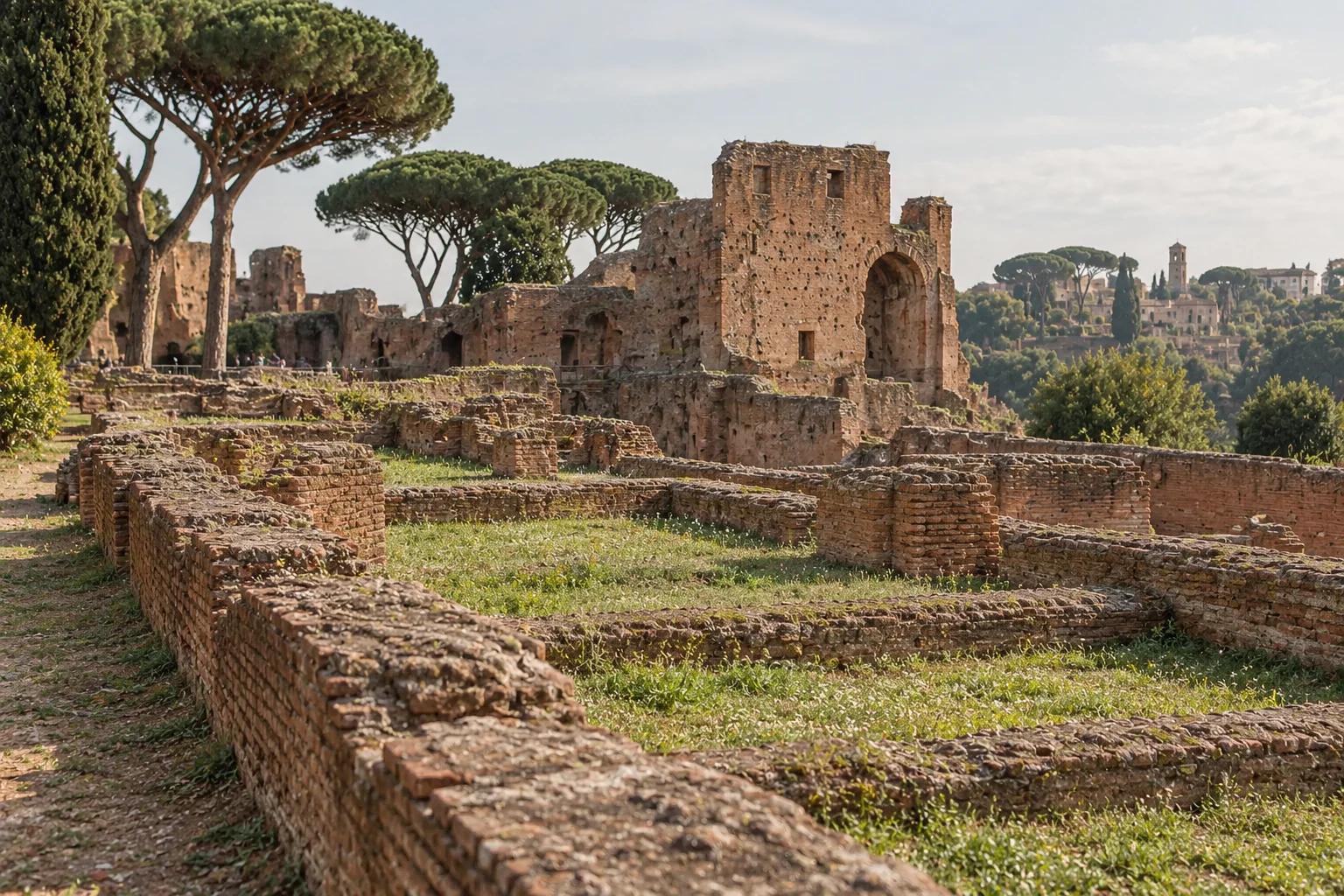
By the second and first centuries BCE it had become the address of choice for the Roman elite, and Augustus deliberately built his own relatively modest house here to align himself with that founding legend. His successors were less restrained: the Domus Tiberiana, Domus Transitoria, the enormous Domus Flavia and Nero's Domus Aurea layered increasingly extravagant palace complexes over the hill across the first century CE, some incorporating earlier structures rather than replacing them outright. The Farnese Gardens, planted in the 16th century over Tiberius's ruined palace, now shade one of the best views in Rome, looking directly down onto the Forum below.
Sources and citations (2)
- Parco archeologico del ColosseoThe PalatineThe Palatine overviewRead source
- UNESCO World Heritage CentreHistoric Centre of Rome, the Properties of the Holy See in that City Enjoying Extraterritorial Rights and San Paolo Fuori le MuraProperty scope and inscription metadataRead source