

All the monuments in Venice
The landmarks and masterpieces worth planning a day around.
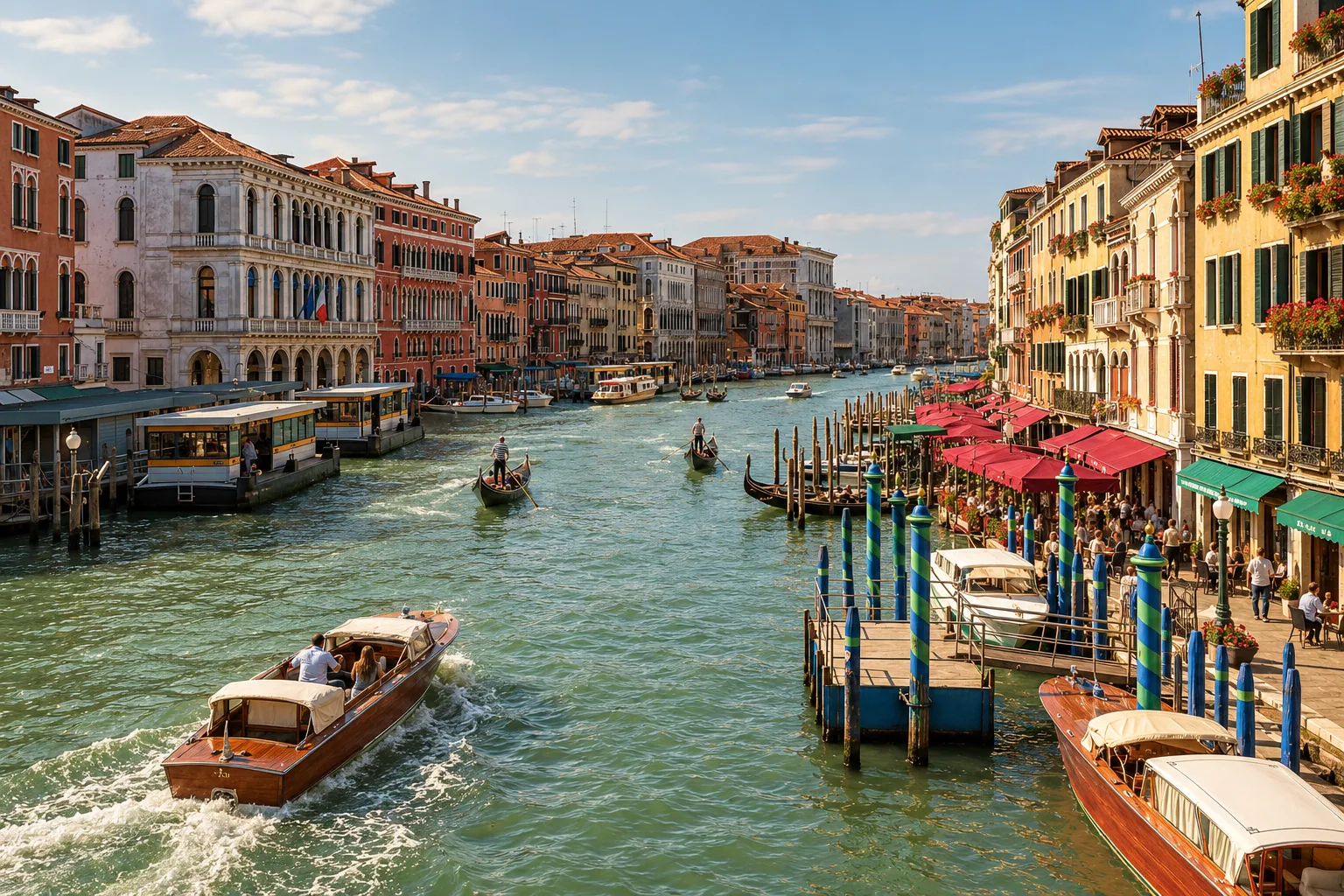 Canal GrandeGrand CanalVenice's main street of water, palace facades, vaporetto Line 1, reverse-S sweepThe Grand Canal traces what was likely once a branch of the Brenta River, and it became Venice's central artery once the doge's seat moved to the Rialto area in the early ninth century. Its reverse-S curve runs about 3.8 kilometers from the railway station to St. Mark's Basin, lined by more than 170 palazzi built mostly between the thirteenth and eighteenth centuries as Venice's noble families competed to outbuild one another along its banks: Ca' d'Oro's Gothic lace facade and Ca' Foscari among the best known. For nearly a thousand years the Rialto Bridge was the only fixed crossing, and even now just four bridges span it, so most Venetians still cross by traghetto or simply walk to the nearest one. Mechanized public transport (the vaporetto) has run its length since 1881, though routes and fares always need checking on the day, since Venice adjusts them often.Plan the visit
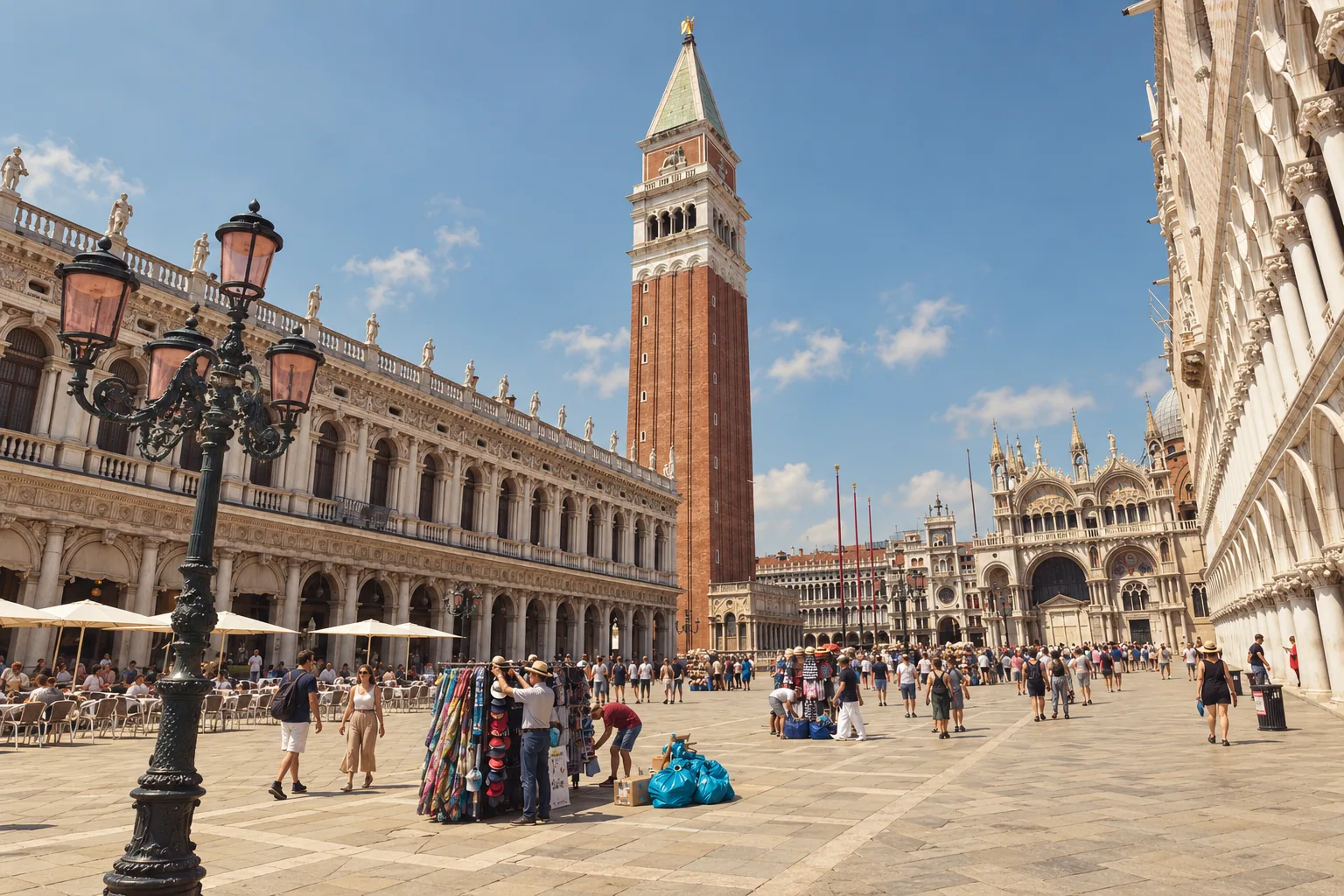 Piazza San MarcoSt. Mark's SquareNapoleon's "drawing room of Europe," the Campanile, Procuratie arcades, acqua alta floodingVenetians call it simply la Piazza, since it is the only square in the city entitled to the word; everywhere else is a campo. Doge Sebastiano Ziani gave it its current footprint in the 1170s, filling in a canal and shifting a church to open the space in front of St. Mark's Basilica, whose four bronze horses (looted by Napoleon in 1797 and restored in 1815) still preside over the western end. The Clocktower dates to 1499, Sansovino redesigned the Biblioteca Marciana in the 1530s, and the long arcaded wings, the Procuratie Vecchie and Nuove, once housed the republic's chief magistrates and now shelter cafés including Caffè Florian, open since 1720. Low-lying and close to sea level, the square floods during acqua alta storm surges, when raised walkways appear overnight and the pavement briefly mirrors the basilica's domes.
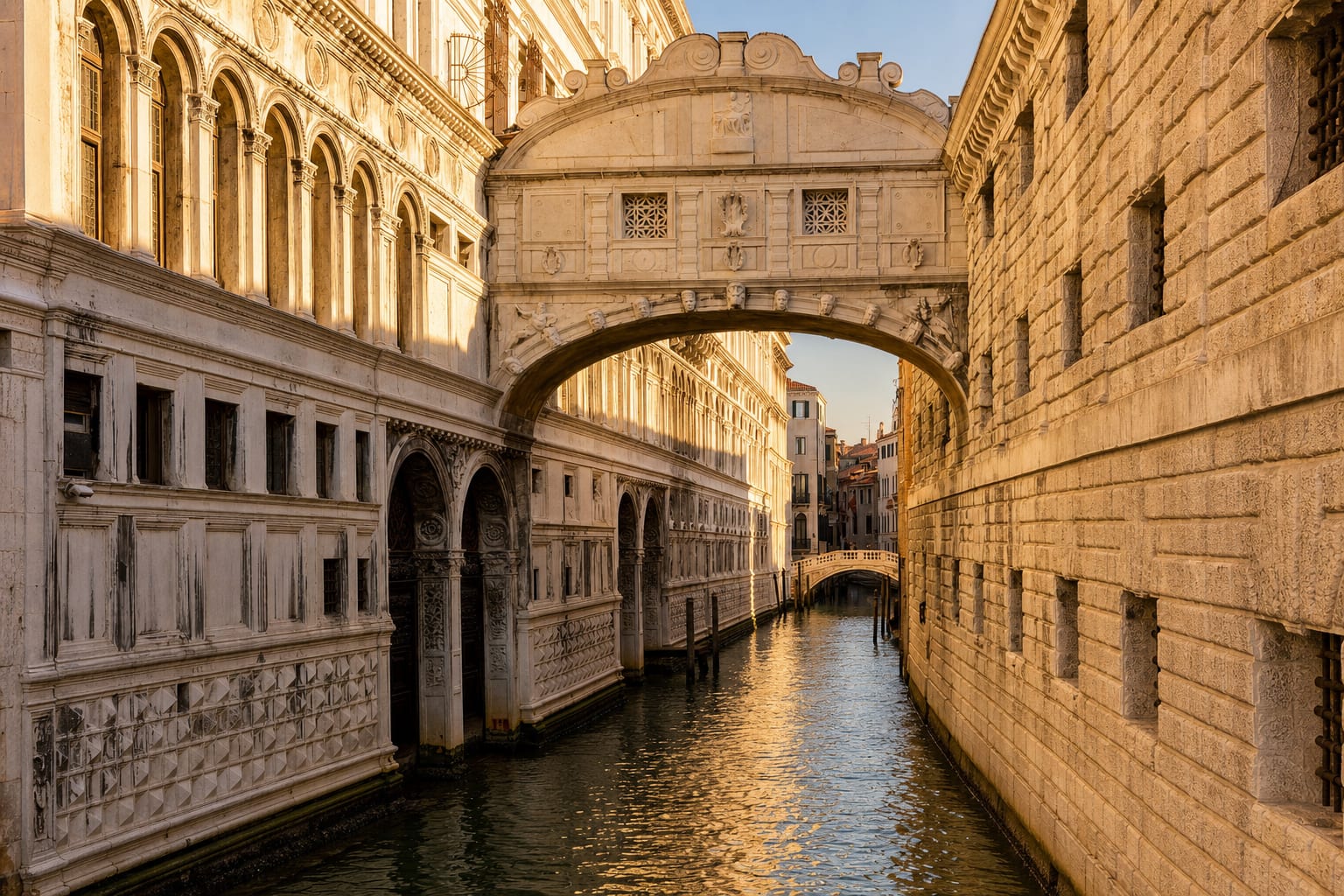 Ponte dei SospiriBridge of SighsEnclosed prison bridge, last view of the lagoon legend, Baroque limestone screen, gondola vantageVenice built this enclosed limestone crossing around 1600 to solve an overcrowding problem: the Doge's Palace dungeons, the pozzi, could no longer hold everyone awaiting trial, so architect Antonio Contin (nephew of Antonio da Ponte, who had built the Rialto) designed a covered bridge linking the interrogation rooms to a new prison across the Rio di Palazzo. Two separate corridors run inside, divided by a wall so prisoners walking each direction could never meet, lit only by small stone-grilled windows. Its wistful English name is a nineteenth-century invention, popularized by Lord Byron, who imagined condemned prisoners sighing at their last glimpse of the lagoon through the grille; Venetians of the time gave it no such name. Visitors can view it from the Ponte della Paglia or from a gondola on the canal below, or walk through its interior with a ticket to the Doge's Palace.
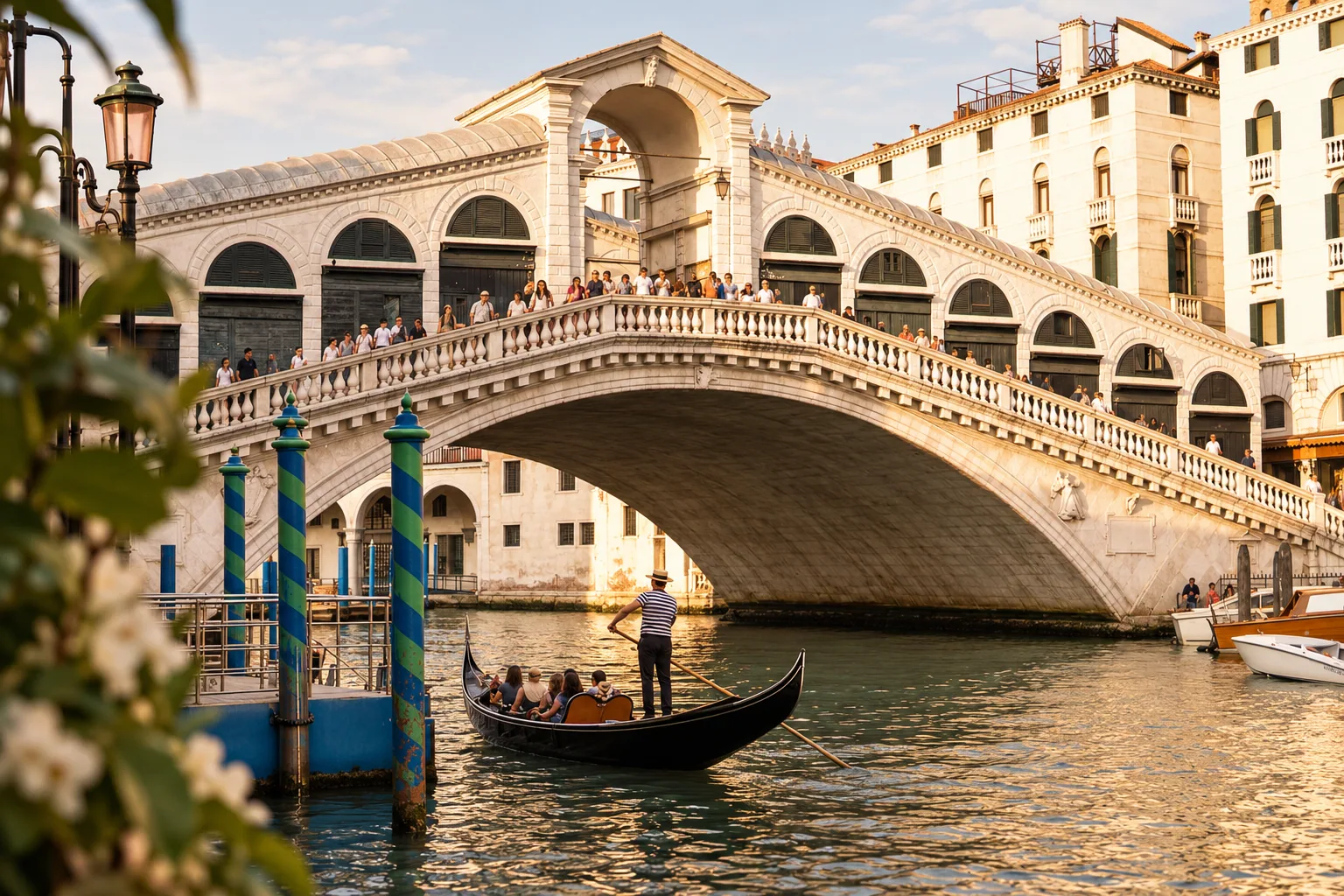 Ponte di RialtoRialto BridgeSingle stone span of 1591, shop-lined arcades, Grand Canal crossing, market quarter gatewayA pontoon crossing built in 1181 was the first bridge at this narrow point of the Grand Canal, near Venice's main marketplace; it was rebuilt in wood, fitted with a drawbridge section, burned once in a 1310 conspiracy and collapsed twice more under crowds before the Republic finally commissioned a stone replacement. Antonio da Ponte won the commission over Palladio, Sansovino and Michelangelo's own former pupil Vignola, and his single-arch design, considered so daring at the time that architect Vincenzo Scamozzi predicted it would collapse, was built between 1588 and 1591 and has stood ever since. Two ramps rise to a central portico lined with shops on both sides, a commercial function the bridge has kept since it opened, and it remained the only fixed crossing of the Grand Canal until the nineteenth century. Shakespeare even has Shylock name it in The Merchant of Venice, written within a few years of its completion.
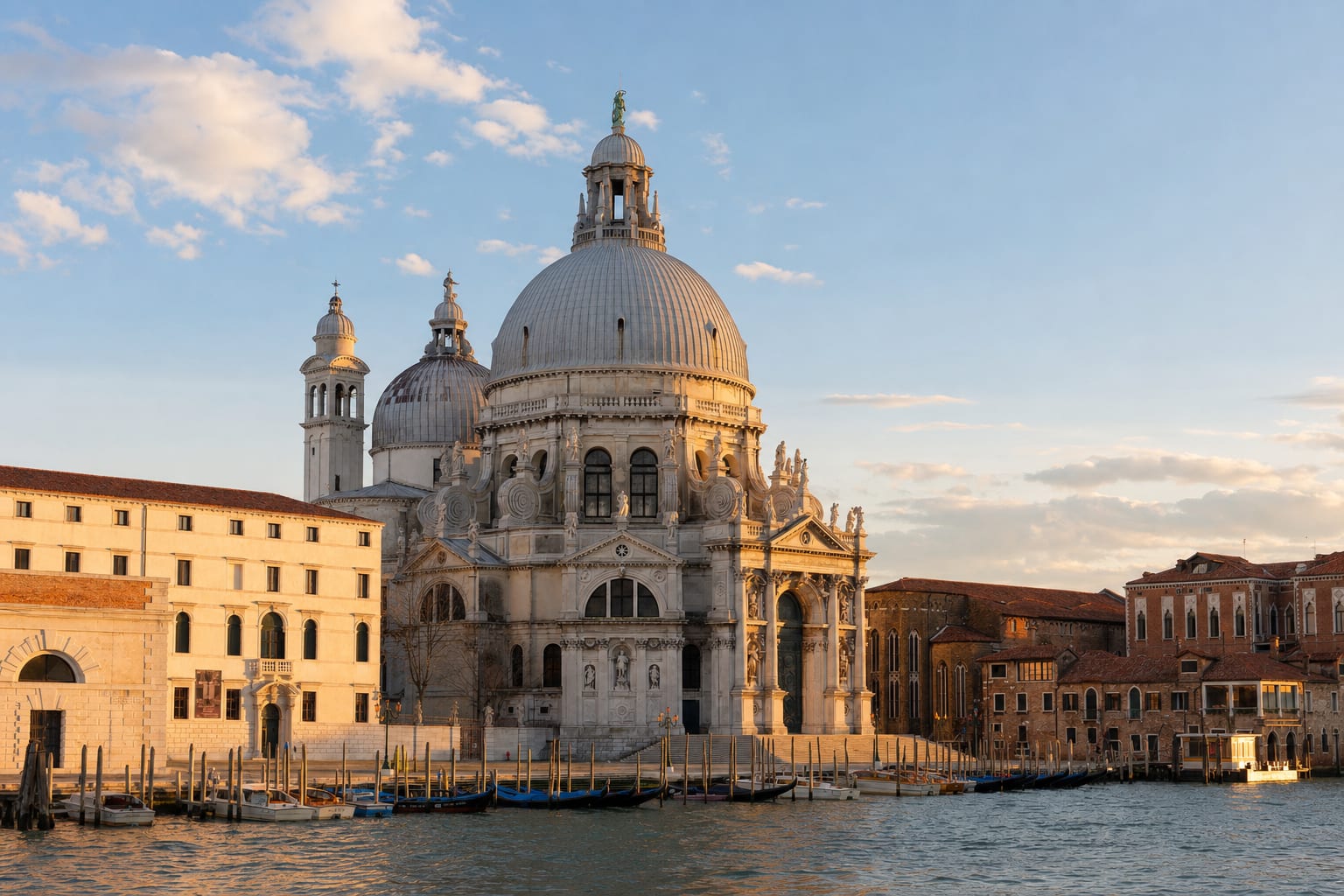 Basilica di Santa Maria della SaluteSanta Maria della SalutePlague-vow basilica, Longhena's octagon, scrolled buttresses, Punta della Dogana silhouetteThe Venetian Senate vowed to build this church in 1630, at the height of a plague outbreak that would eventually kill roughly a third of the city's population, promising the Virgin Mary a shrine in exchange for deliverance. Baldassare Longhena, still in his twenties and a student of Vincenzo Scamozzi, won the design commission and spent the rest of his career, decades, seeing it built: a broad octagon crowned by a great dome and ringed by dramatic scrolled buttresses, or volutes, that visually anchor the whole structure to the ground. It occupies the Punta della Dogana, the narrow spit where the Grand Canal meets the Giudecca Canal, making it one of the first things visitors see arriving from the lagoon and one of the most photographed skylines in Venice. Titian paintings hang in the sacristy, and every November 21, the Festa della Salute still sends a procession across a pontoon bridge of boats to the church's door, exactly as it has since the plague first lifted.
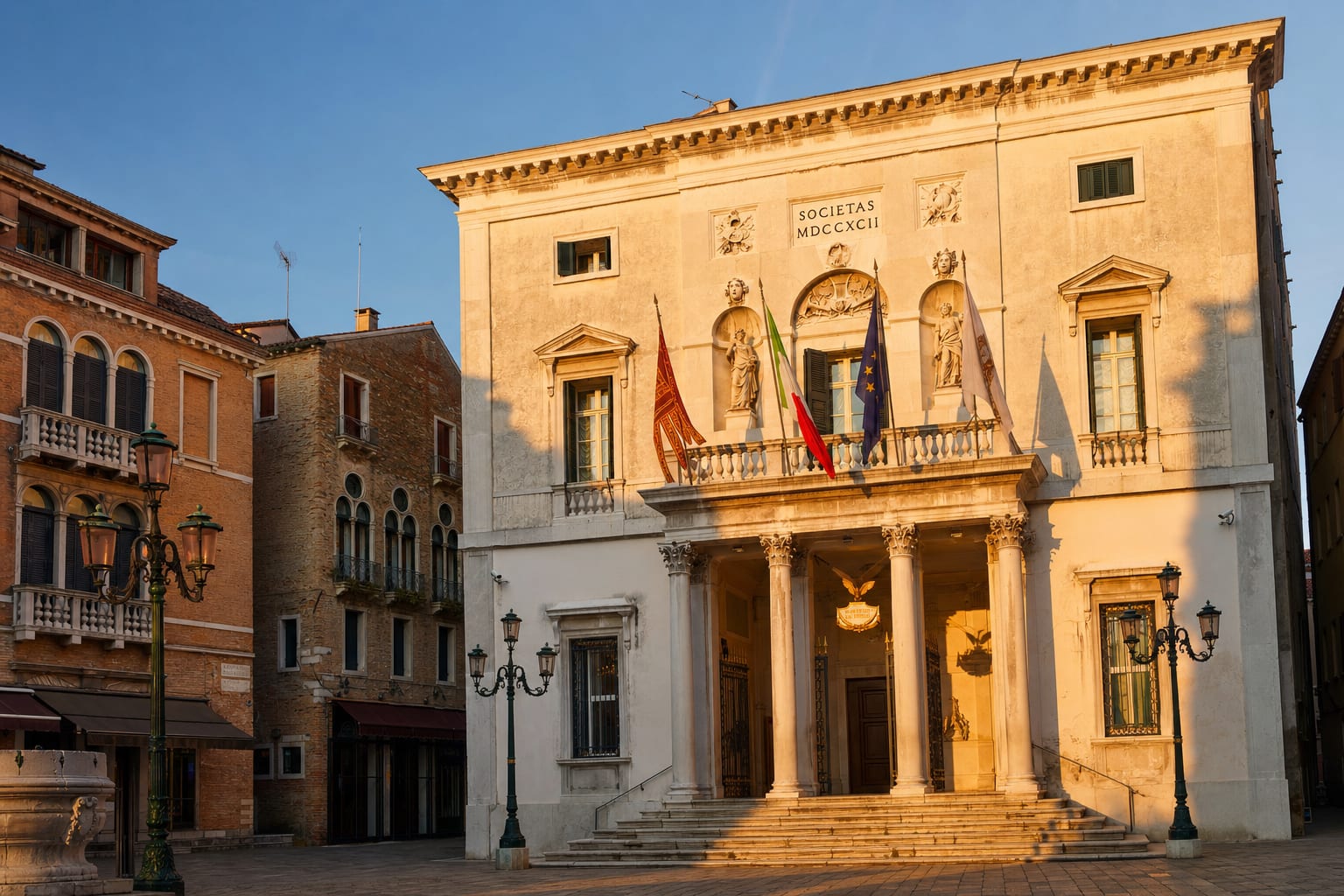 TheatreTeatro La FeniceThe phoenix opera house risen from three fires, Verdi premieres, gilded horseshoe hall, Maria Callas exhibitionVenice needed a new opera house after losing its leading theater to fire in 1774, and the replacement, opened in 1792, took the name La Fenice, the Phoenix, for its promise to rise again from any future disaster. It has had to keep that promise twice more: a second fire in 1836 saw the house rebuilt within a year, and a catastrophic arson fire in 1996 left only the exterior walls standing, with reconstruction, closely following the historic gilt-and-stucco design, finally reopening the theater in November 2004. In between disasters, La Fenice built a genuine claim to musical history, hosting premieres of Rossini's Tancredi, Bellini's I Capuleti e i Montecchi and Verdi's Rigoletto and La Traviata, and drawing conductors from Toscanini to Karajan and Bernstein onto its podium. Visitors can walk the horseshoe of boxes on a self-guided daytime tour, which also includes a permanent exhibition on Maria Callas's years performing here.
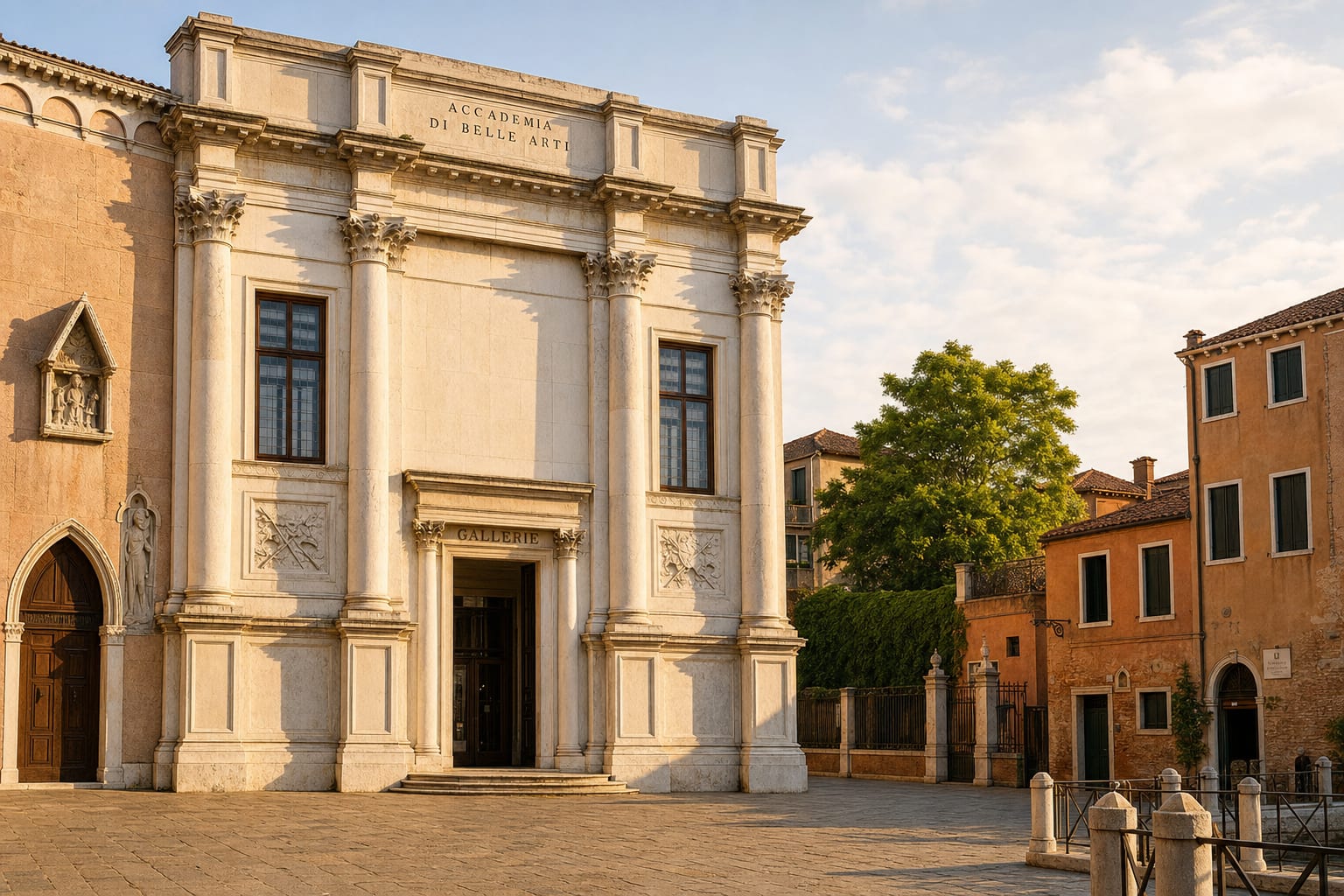 GalleryGallerie dell'AccademiaVenetian painting's full arc, Veronese's Feast, Giorgione's Tempest, Carpaccio's narrative cyclesNapoleon founded the Accademia di Belle Arti di Venezia in 1807, installing its gallery in the former Scuola Grande, church and convent of Santa Maria della Carità, and filled its early collection largely with paintings confiscated from suppressed churches and monasteries across the fallen Venetian Republic. What resulted is close to a complete survey of five centuries of Venetian painting under one roof: Giovanni Bellini's serene madonnas, Giorgione's small, still-unexplained Tempest, which has kept scholars guessing at its meaning for five hundred years, and Paolo Veronese's enormous Feast in the House of Levi, originally painted as a Last Supper and renamed only after the Inquisition objected to its riot of dwarves, drunkards and dogs. Vittore Carpaccio's narrative cycles round out the collection, painted panel by panel like an unfolding comic strip. The academy of art itself moved to separate quarters in 2004, leaving the museum to occupy the entire historic complex.
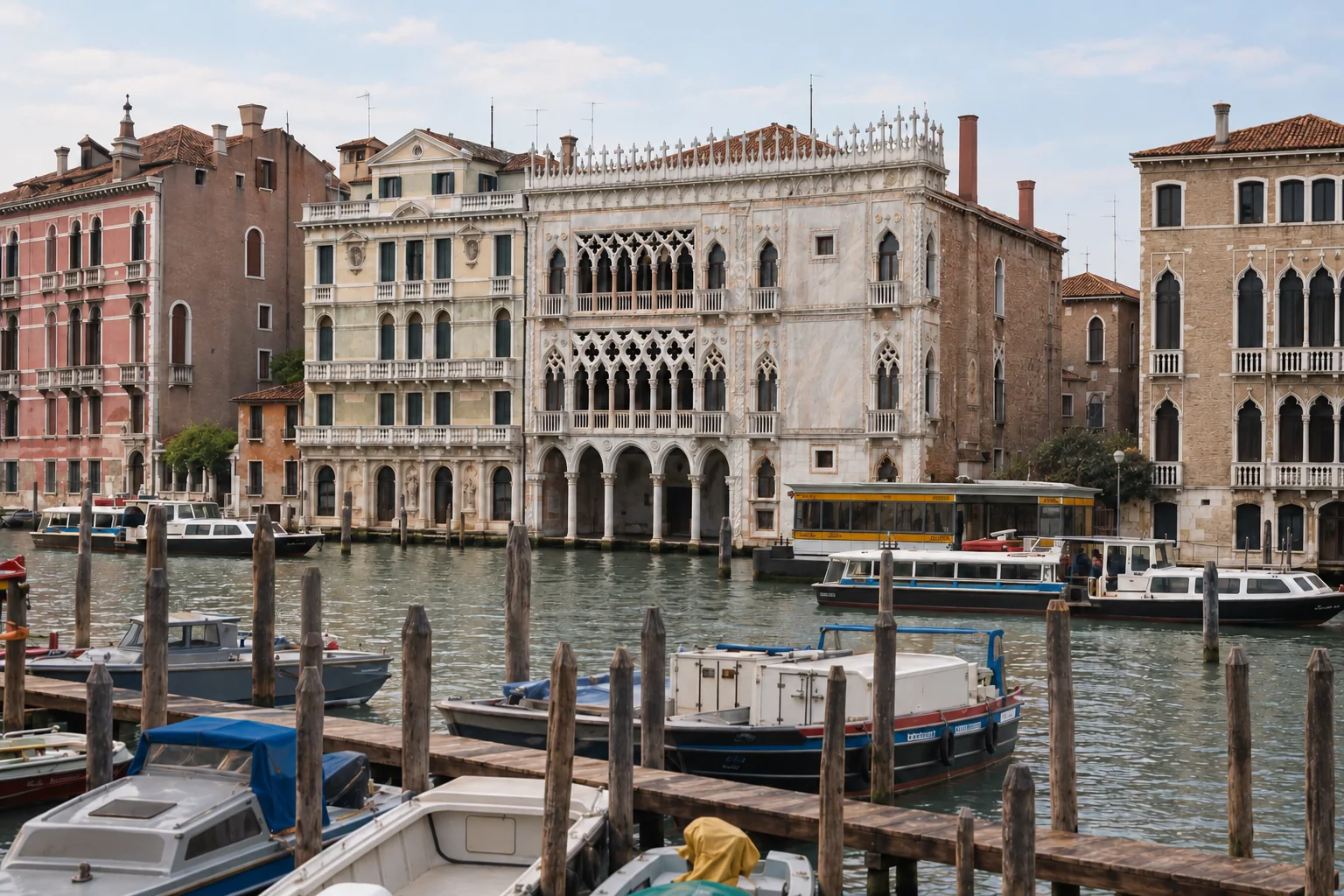 PalaceCa' d'OroIts openwork Gothic loggias, lost facade colors, Franchetti’s opus sectile floor and collection, and Mantegna’s Saint Sebastian.On the Grand Canal, the Ca’ d’Oro is both a Venetian Gothic palace and the setting of a museum shaped by its collector. Marino Contarini commissioned its construction between 1421 and 1440, bringing together Lombard craftsmen led by Matteo Raverti and Venetian sculptors Giovanni Bon and his son Bartolomeo. The French painter Jean Charlier, known in Venice as Zuane de Franza, worked color into the marble and carved details: red, ultramarine blue, black, white lead and gold once marked the facade and pinnacles. That palette is gone, but the openwork loggias still give the palace its lace-like silhouette. Our <a href="/en/attractions/grand-canal">Grand Canal guide</a> places the palace among the waterway’s historic buildings; continue with our <a href="/en/regions/veneto/venice">Venice city guide</a> to plan the wider visit.
Giorgio Franchetti bought the palace in 1894 and donated the building and the nucleus of his collection to the Italian state in 1916; the museum opened in 1927. In the porticoed entrance atrium, his geometric opus sectile floor brings antique marbles into a design inspired by Venetian basilicas and Cosmatesque patterns. His first museum intervention was the so-called Mantegna Chapel, a marble-clad room arranged around Andrea Mantegna’s Saint Sebastian, which Franchetti acquired in 1893. In the courtyard, a pointed-arch stair was reassembled partly from original fragments, while the marble wellhead carved by Bartolomeo Bon dates to 1427. Read together, facade, atrium and chapel show the Gothic palace alongside Franchetti’s later vision for its collection.
PalaceCa' d'OroIts openwork Gothic loggias, lost facade colors, Franchetti’s opus sectile floor and collection, and Mantegna’s Saint Sebastian.On the Grand Canal, the Ca’ d’Oro is both a Venetian Gothic palace and the setting of a museum shaped by its collector. Marino Contarini commissioned its construction between 1421 and 1440, bringing together Lombard craftsmen led by Matteo Raverti and Venetian sculptors Giovanni Bon and his son Bartolomeo. The French painter Jean Charlier, known in Venice as Zuane de Franza, worked color into the marble and carved details: red, ultramarine blue, black, white lead and gold once marked the facade and pinnacles. That palette is gone, but the openwork loggias still give the palace its lace-like silhouette. Our <a href="/en/attractions/grand-canal">Grand Canal guide</a> places the palace among the waterway’s historic buildings; continue with our <a href="/en/regions/veneto/venice">Venice city guide</a> to plan the wider visit.
Giorgio Franchetti bought the palace in 1894 and donated the building and the nucleus of his collection to the Italian state in 1916; the museum opened in 1927. In the porticoed entrance atrium, his geometric opus sectile floor brings antique marbles into a design inspired by Venetian basilicas and Cosmatesque patterns. His first museum intervention was the so-called Mantegna Chapel, a marble-clad room arranged around Andrea Mantegna’s Saint Sebastian, which Franchetti acquired in 1893. In the courtyard, a pointed-arch stair was reassembled partly from original fragments, while the marble wellhead carved by Bartolomeo Bon dates to 1427. Read together, facade, atrium and chapel show the Gothic palace alongside Franchetti’s later vision for its collection.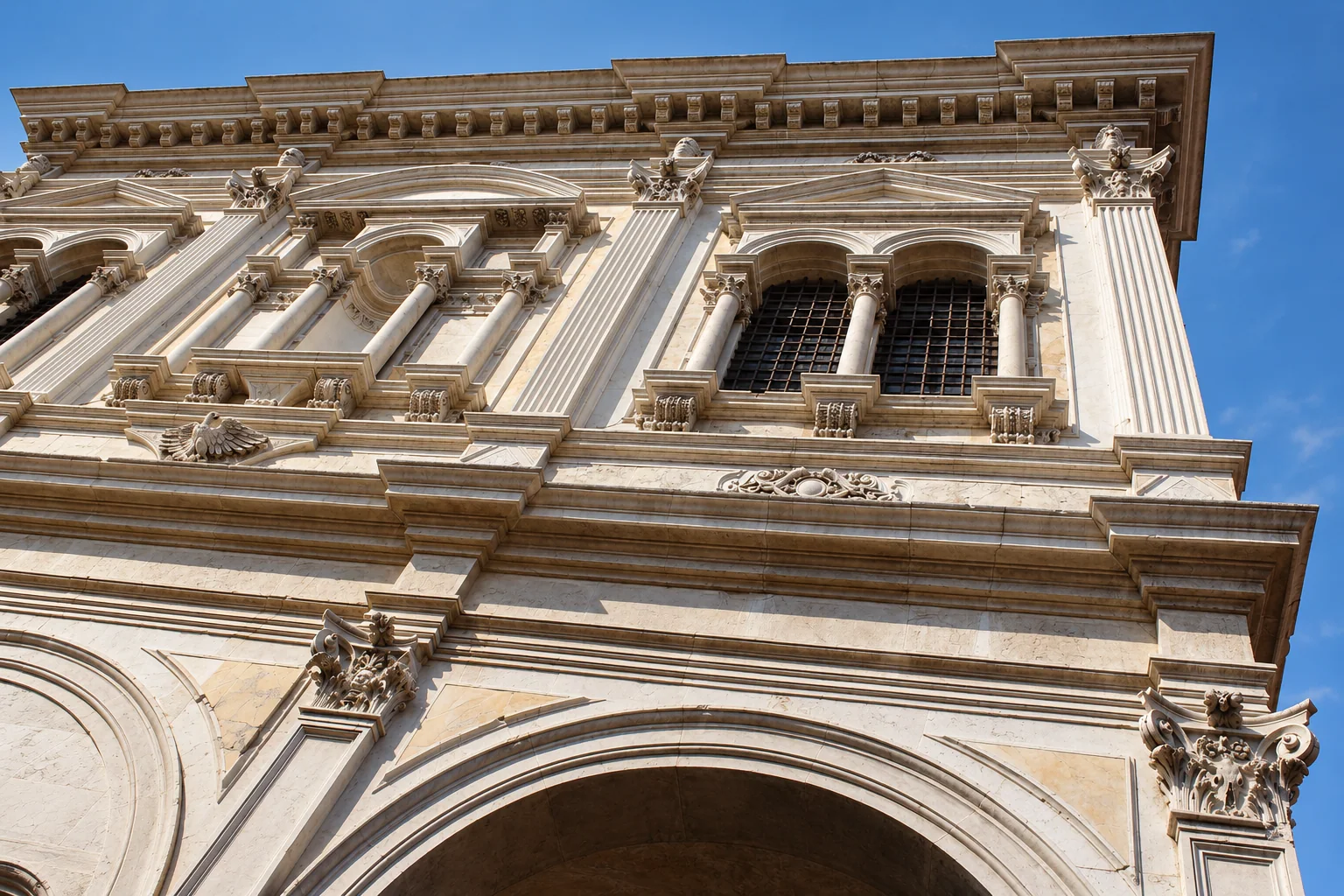 MuseumScuola Grande di San RoccoTintoretto’s more-than-two-decade pictorial cycle across the Scuola’s halls, the 1565 Crucifixion, and Scarpagnino’s imperial staircase.<p>Founded in 1478, the Scuola Grande di San Rocco grew around the cult of the saint whose relics the confraternity had held since 1485. In 1517 its governing body decided to build a monumental new headquarters. The plan still makes the institution legible: a broad, three-aisled hall at ground level; the Chapter Room above for plenary meetings; and the smaller Sala dell’Albergo, where the brotherhood’s governing boards met. Antonio Abbondi, known as Scarpagnino, later shaped the campo-facing facade with eight detached columns and designed the imperial staircase. Its project was approved in 1545; the work was completed in 1550 under Giangiacomo de’ Grigi after Scarpagnino’s death in 1549.</p><p>Jacopo Tintoretto’s cycle unfolded through these rooms over more than two decades, and more than sixty paintings remain in their original setting. The Sala Terrena turns to the Virgin’s life and Christ’s childhood; upstairs, Old Testament scenes on the Chapter Room ceiling join New Testament paintings on its walls; the Sala dell’Albergo centers on the Passion and the monumental 1565 <em>Crucifixion</em>. The staircase has its own later plague paintings by Antonio Zanchi and Pietro Negri. Follow the sequence of rooms to see how painting served the life of the confraternity. To follow the wider history of Venetian painting, continue to the <a href="/en/attractions/gallerie-dell-accademia">Gallerie dell’Accademia</a>.</p>
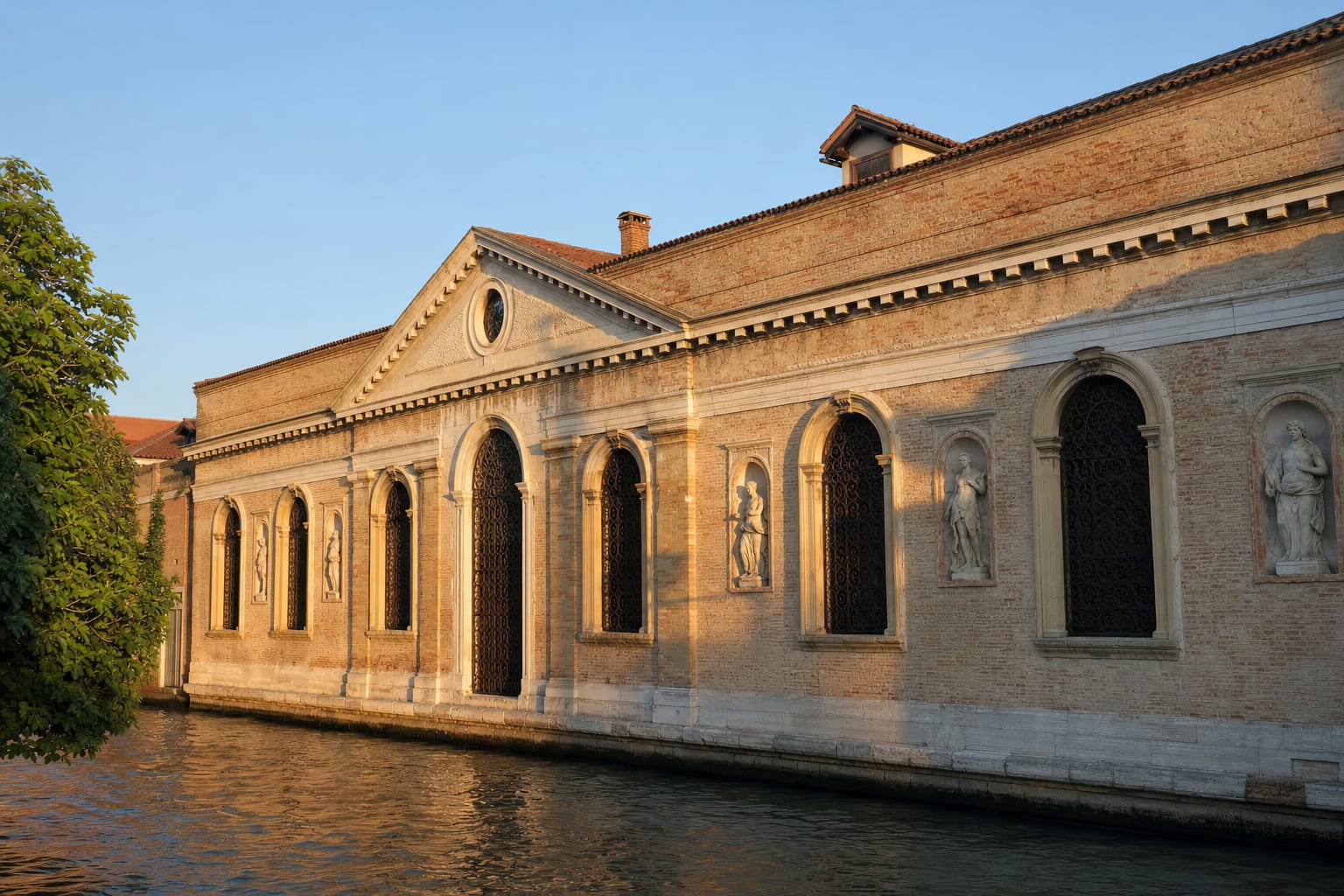 Museo del Vetro di MuranoMurano Glass MuseumSeven centuries of Venetian glass, Barovier wedding cup, furnace island heritage, Palazzo GiustinianVenice exiled its furnaces to Murano in 1291, ostensibly to protect the wooden city from fire, and the island has blown glass ever since. Its museum occupies the Palazzo Giustinian, once home to the bishops of Torcello, and lines up seven centuries of the craft: Roman shards recovered from local digs, medieval beads, and the Barovier Wedding Cup of about 1470, an enameled blue glass piece so fine that it is usually named as the single greatest survivor of Renaissance Murano. Later rooms trace the island's slow reinvention through the 18th-century mirror trade and the modern designers, from Venini to Barovier & Toso, who turned old furnace skills into twentieth-century art. It's the clearest place in Venice to understand why this small island still matters.
Tours worth booking in Venice
Compared by our editors, across providers.
Booking through these links may earn Italia Magnifica a commission, at no cost to you.
- Viator
- 2h
- 5.0★ · 21 reviews
from €80Book this tour- Viator
- 2h
- 5.0★ · 61 reviews
from €85Book this tour- Viator
- 4h
- 5.0★ · 20 reviews
from €94Book this tour- Viator
- 2h
- 5.0★ · 5 reviews
from €25Book this tour- Viator
- 2h
- 5.0★ · 5 reviews
from €68Book this tour- Viator
- 2h
- 5.0★ · 20 reviews
from €70Book this tour


More within reach
Monuments a day trip away, elsewhere in Veneto.
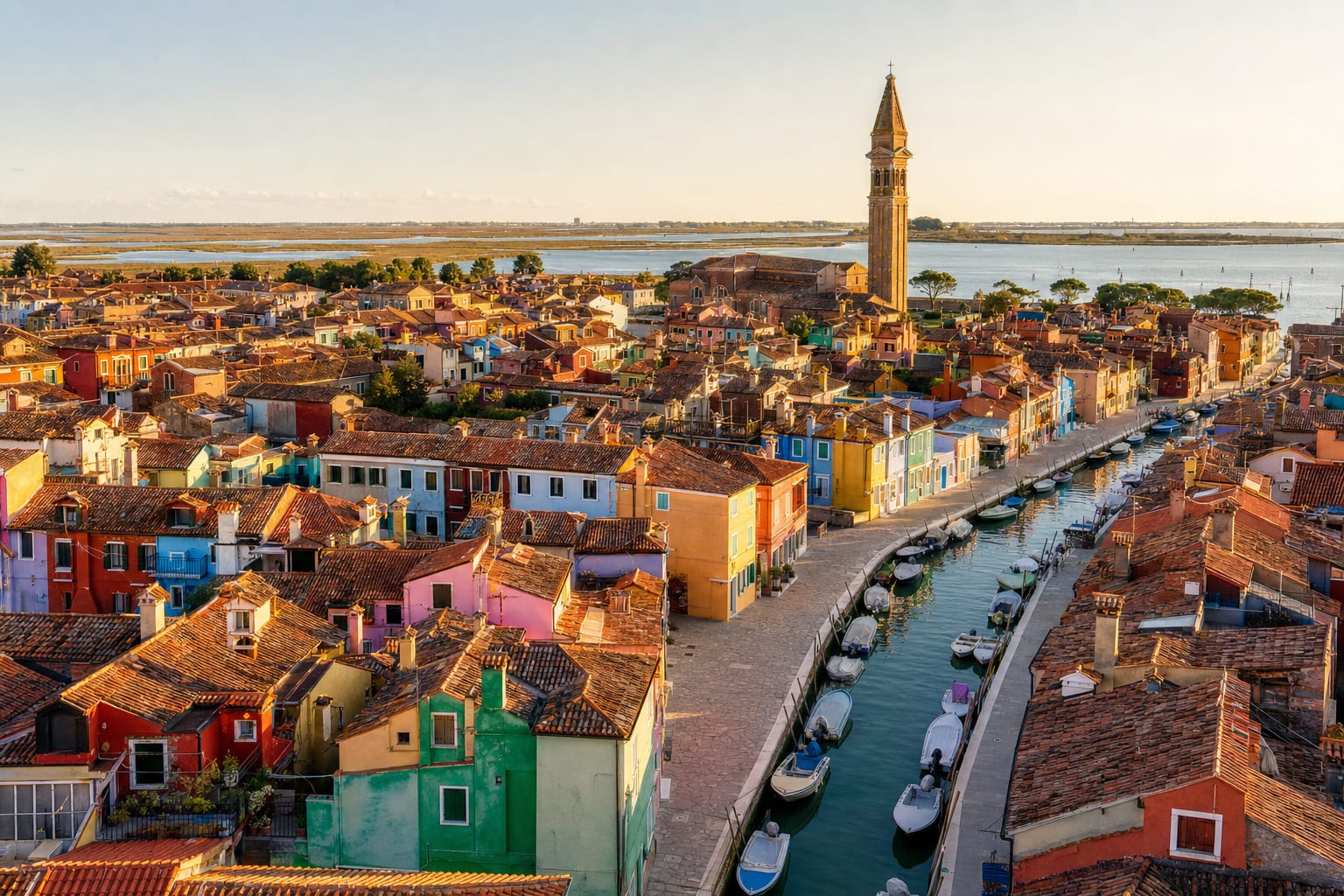 BuranoBuranoPainted fishermen's houses, lace-making tradition, leaning campanile, lagoon colors
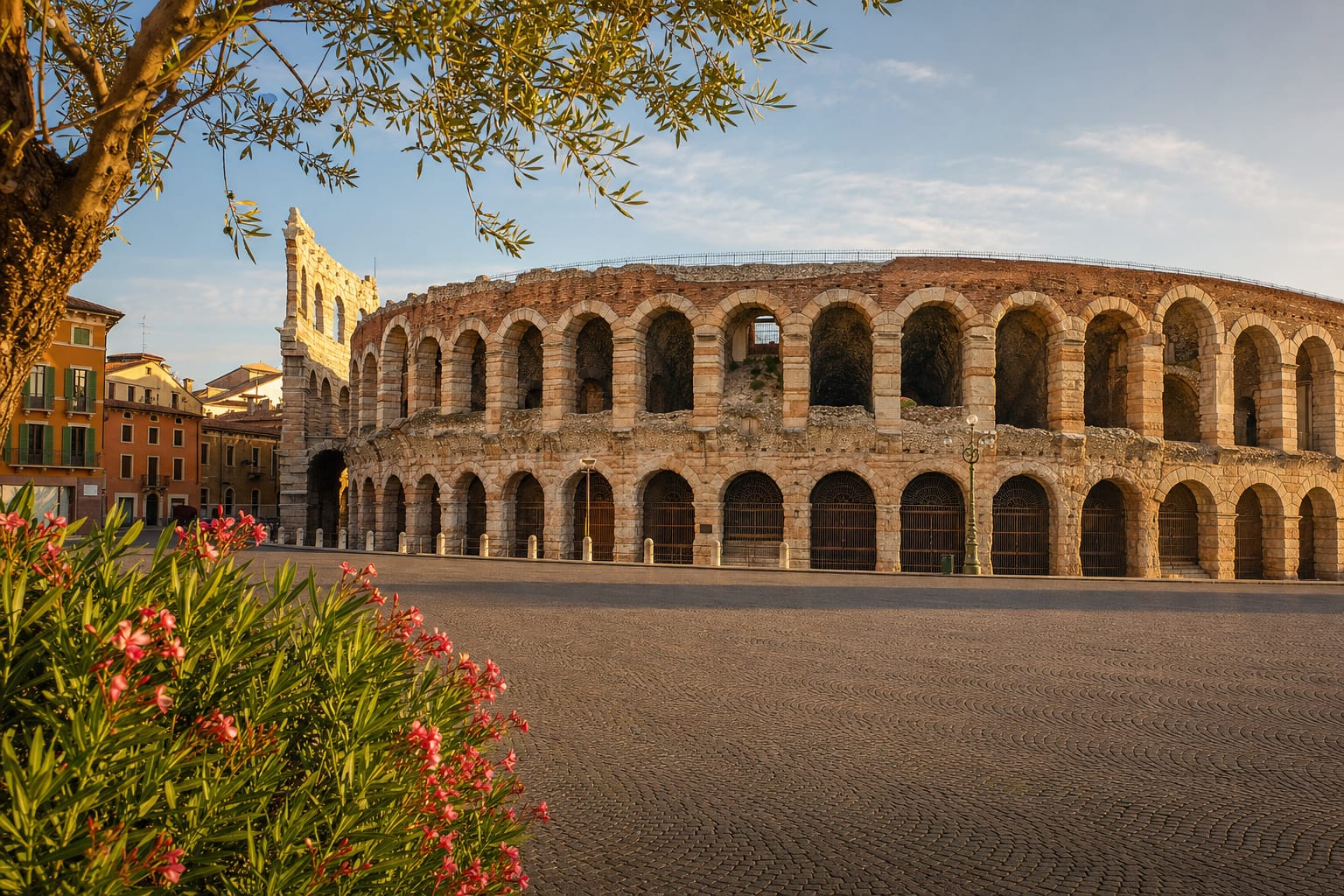 VeronaArena di VeronaFirst-century amphitheatre, summer opera festival, the ala arches, pink Veronese stone
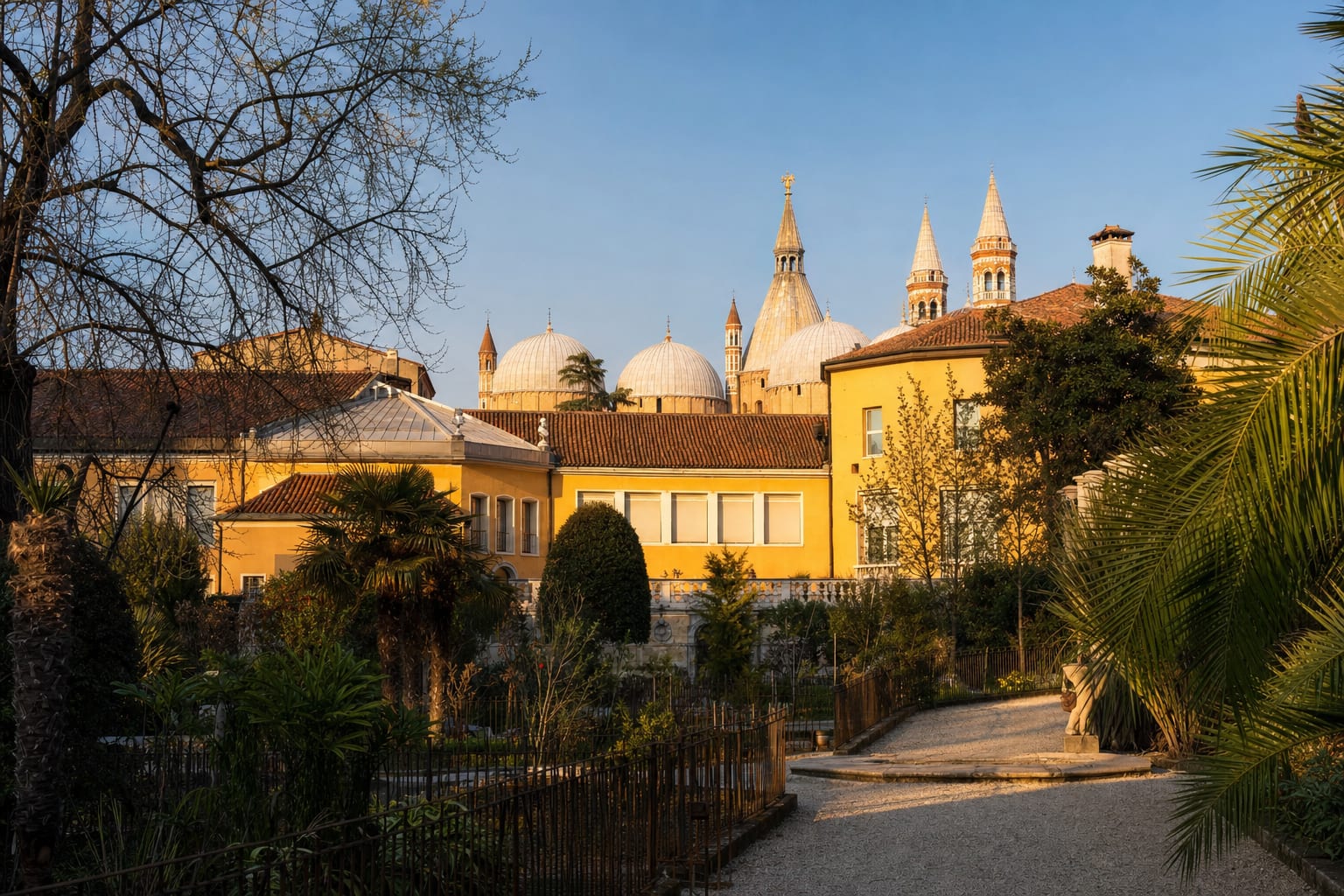 PaduaUNESCOPadua Botanical GardenWorld's oldest academic garden, Goethe's palm, circular Renaissance plan, medicinal plants
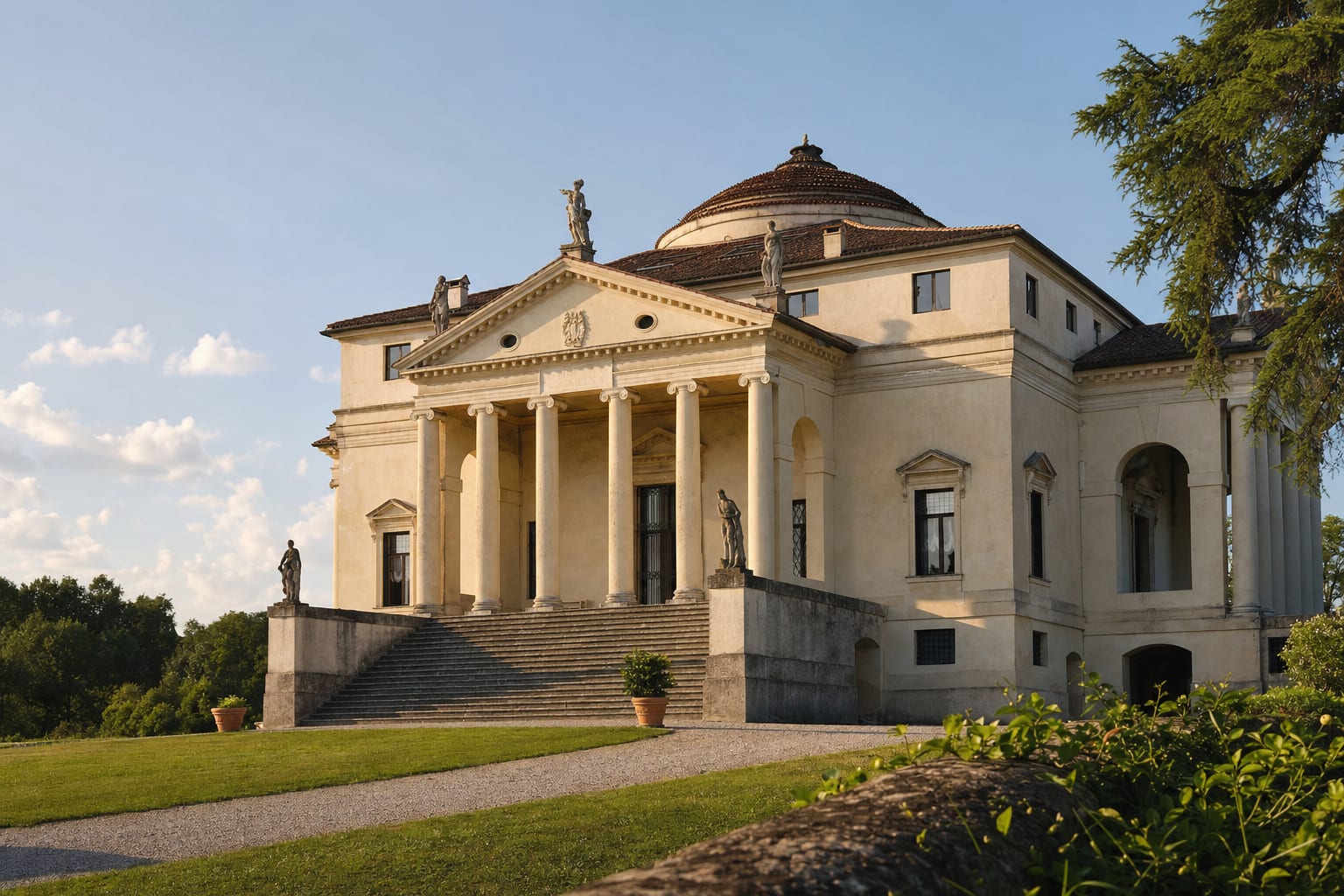 VicenzaUNESCOVilla La RotondaFour identical porticoes, central dome inspired by the Pantheon, template for villas and capitols worldwide
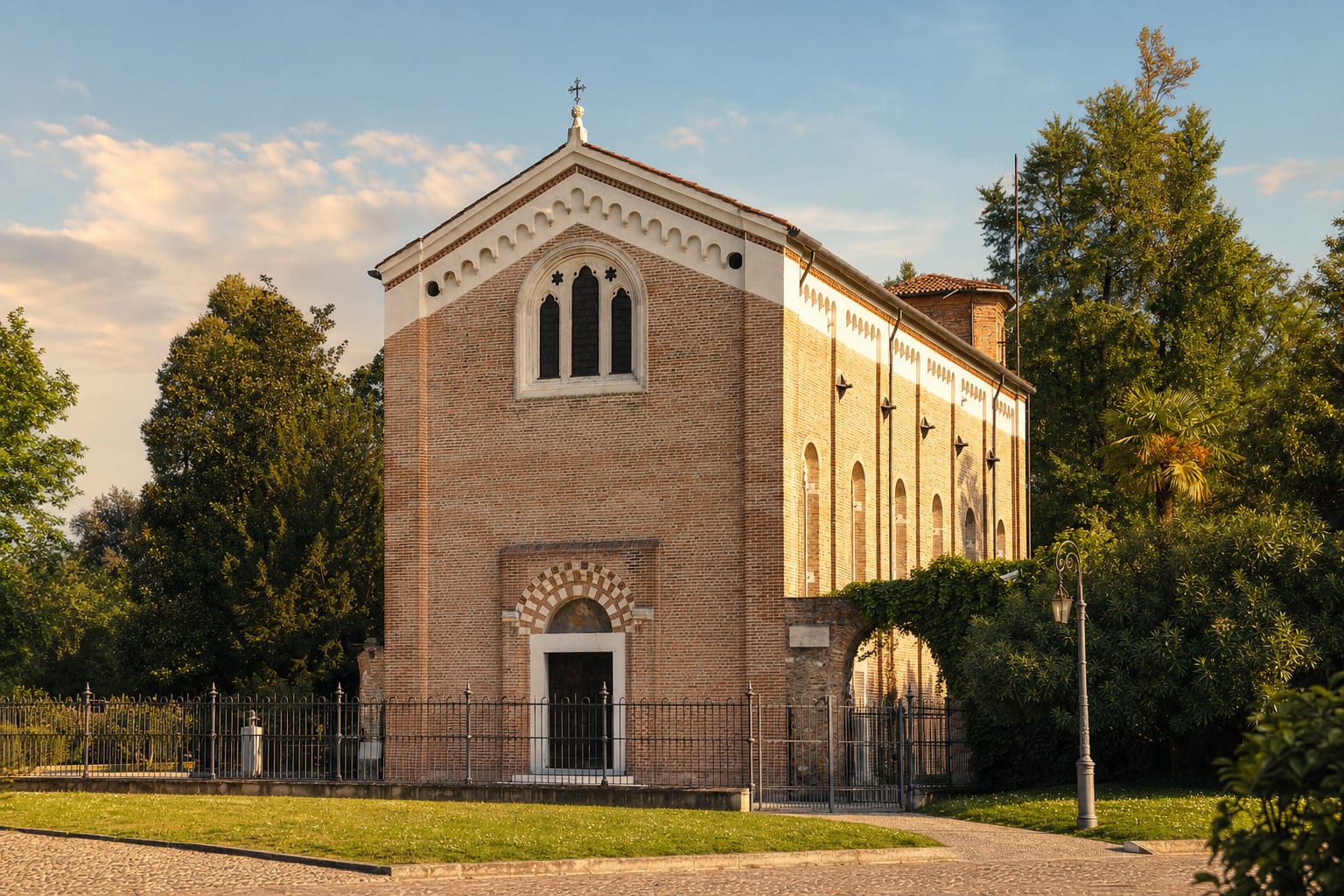 PaduaUNESCOScrovegni ChapelGiotto's fresco cycle, Last Judgment wall, star-filled blue vault, birth of modern painting
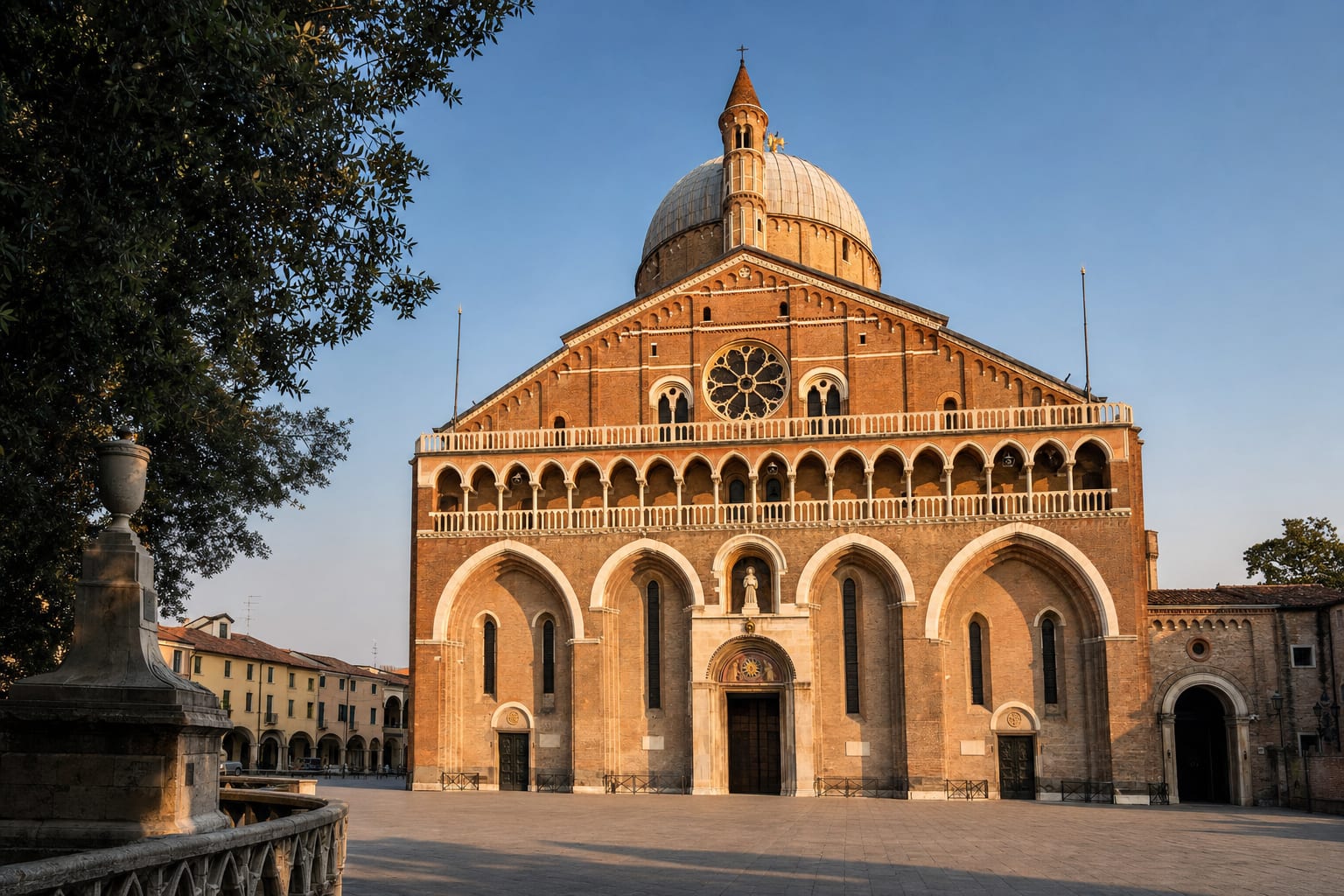 PaduaBasilica of Saint AnthonyPilgrimage basilica of the Saint, Donatello's high altar bronzes, Byzantine-influenced domes, the Gattamelata outside
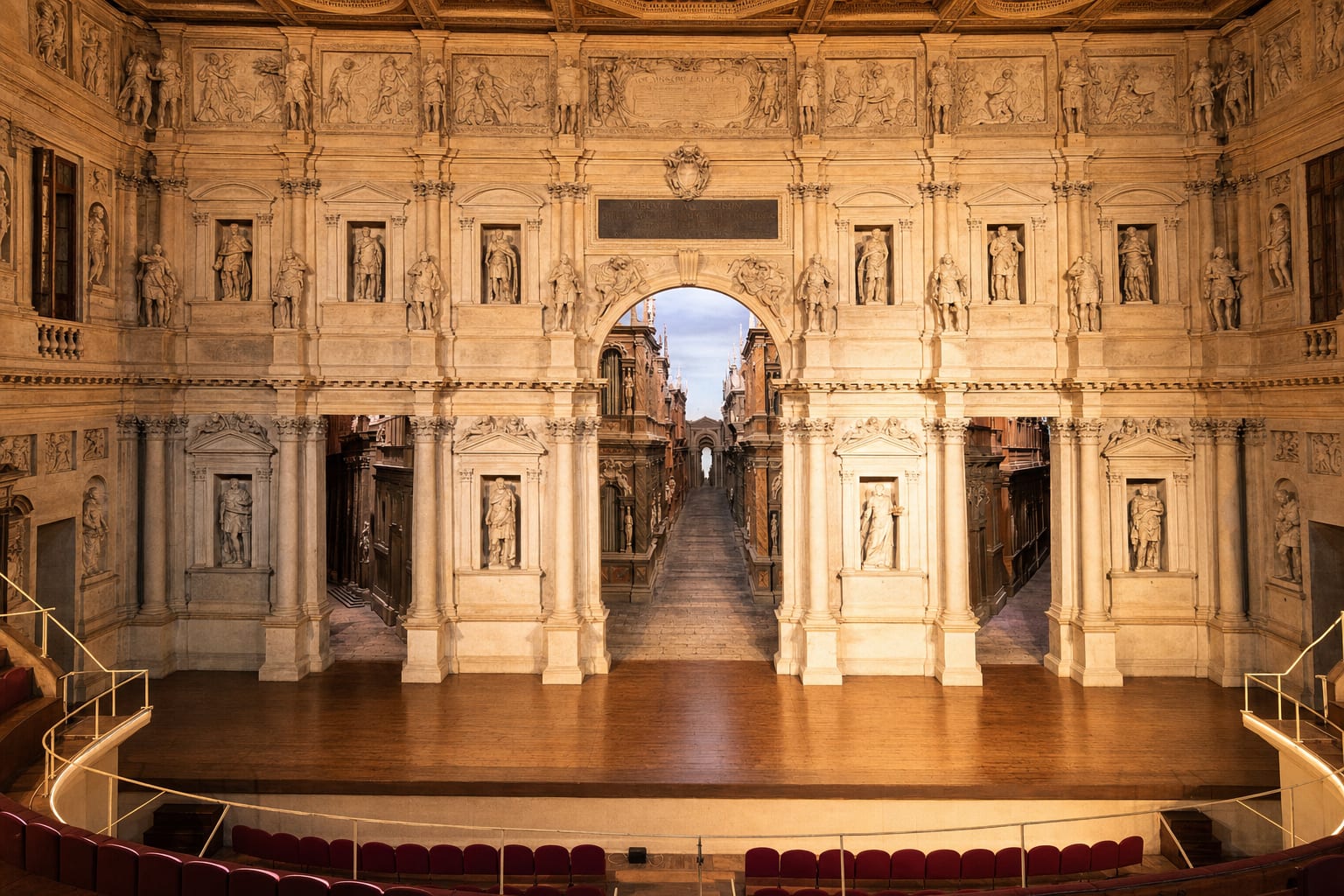 VicenzaUNESCOTeatro OlimpicoPalladio's last work, oldest surviving stage set, forced-perspective streets of Thebes
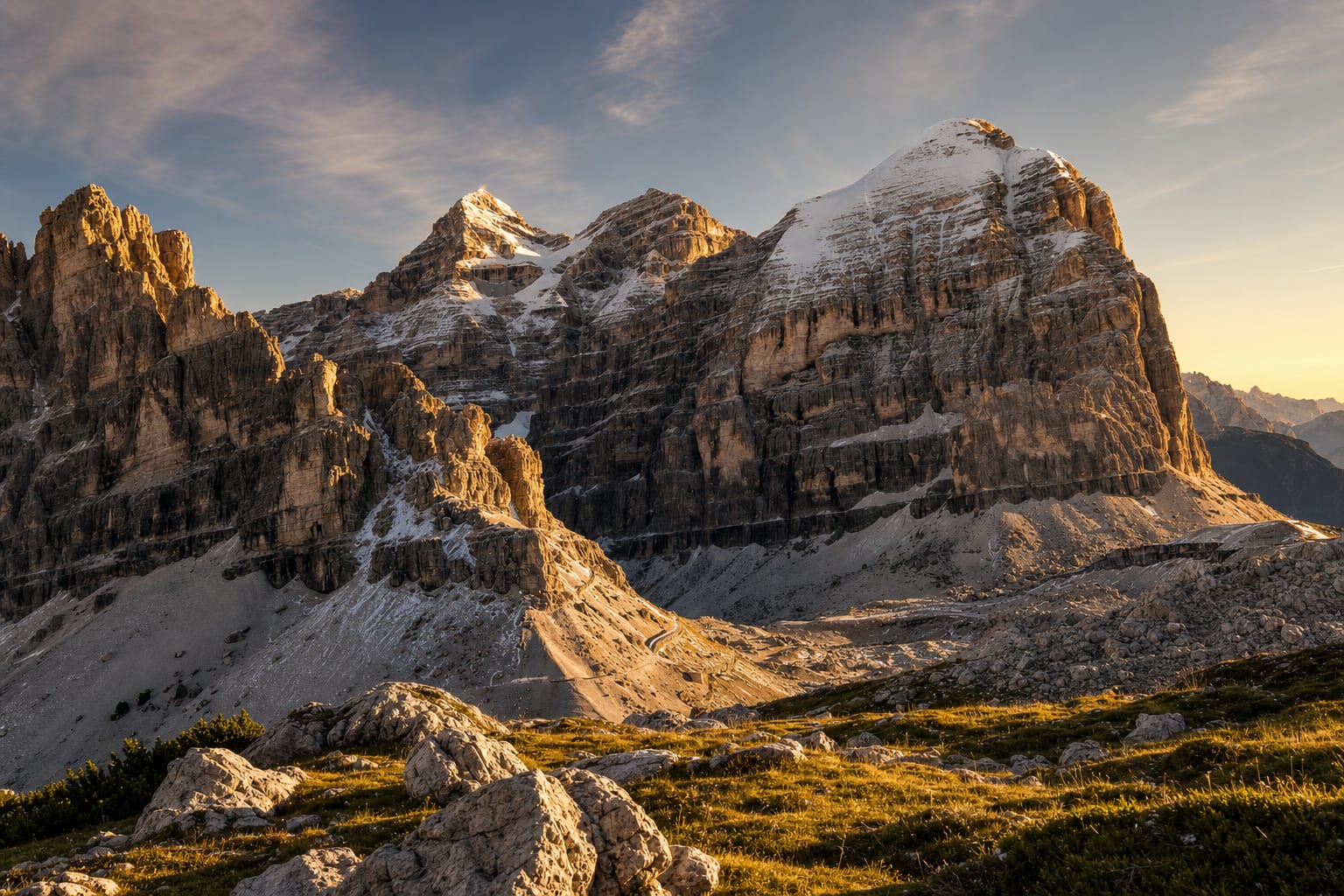 Cortina d'AmpezzoUNESCOTofaneTofana di Mezzo (3,244 m), Freccia nel Cielo cable car, 1956 Olympic slopes, enrosadira