Skip to content

Basilica of Saint Anthony

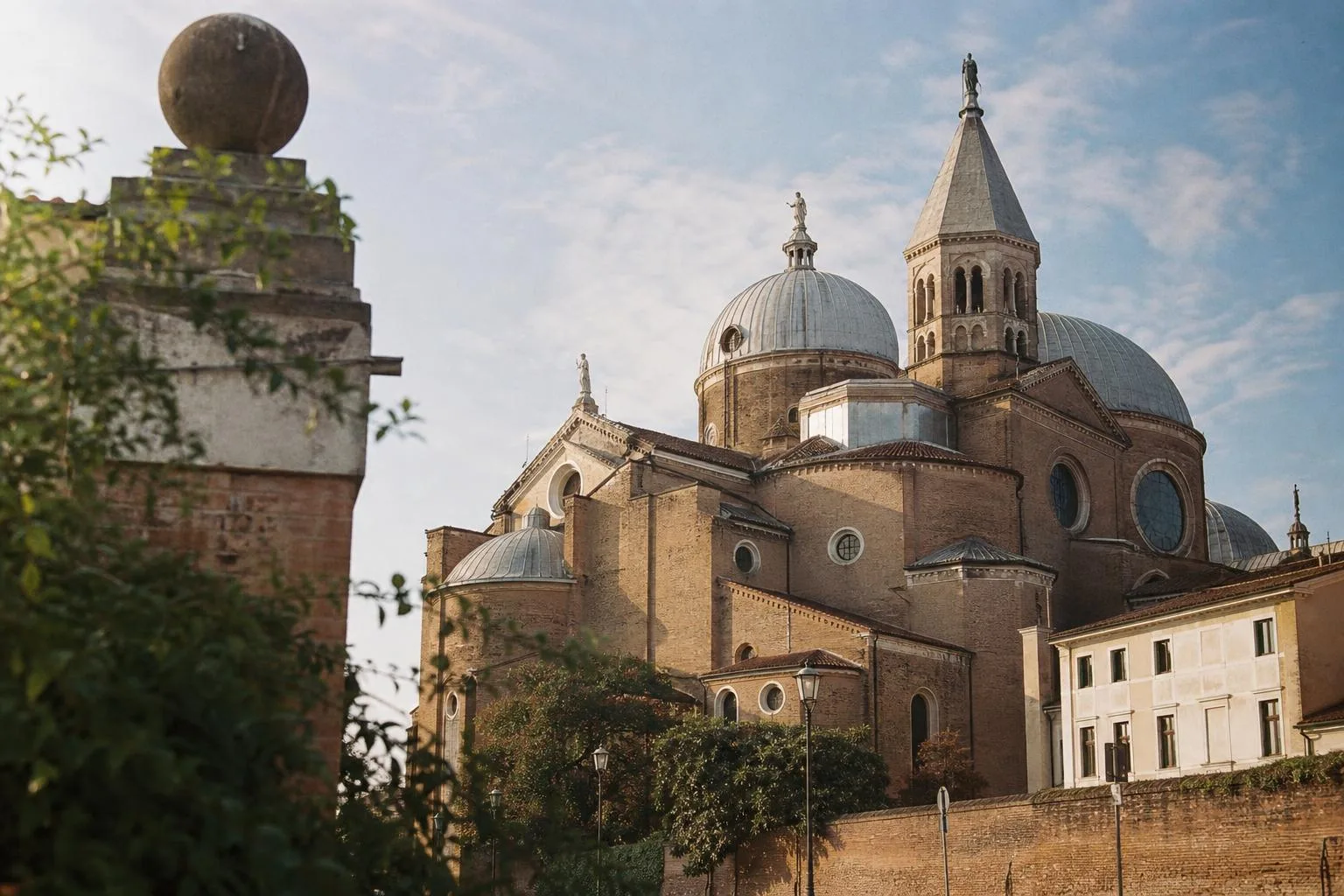
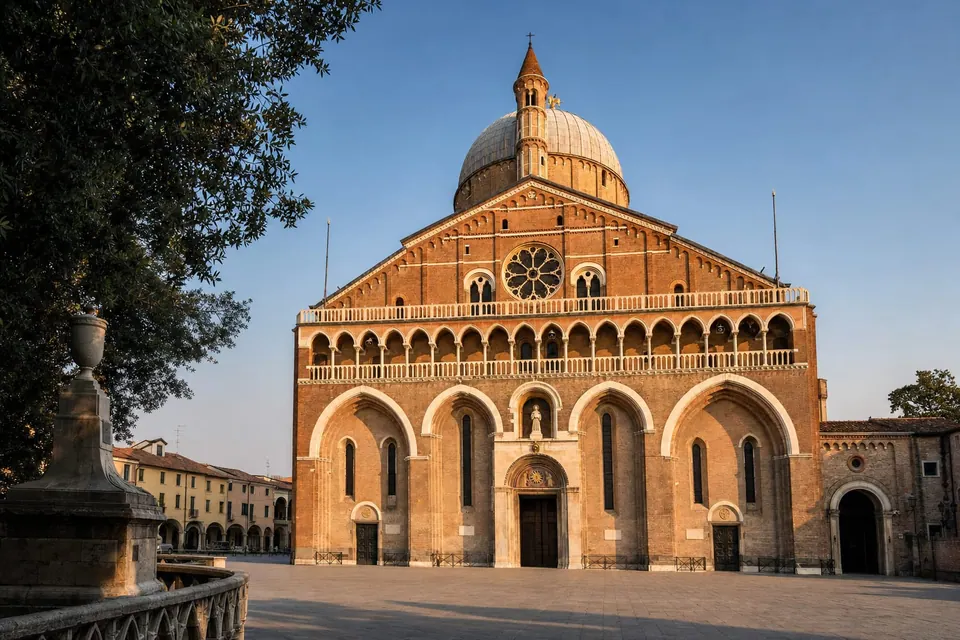
The domed pilgrimage basilica of Saint Anthony, with Donatello's bronzes at the altar and outside it.

  • Padua
  • Church
Where
Padua
Best for
Pilgrimage basilica of the Saint
Allow
1 hour
Tickets
Free

Construction began around 1232, just a year after Anthony of Padua's death, wrapping a growing basilica around the small church of Santa Maria Mater Domini where he had already been buried; the result, completed in essentially its present form by 1310, blends Romanesque, Gothic and Byzantine influences into a skyline of domes and slender towers that still locals simply call "il Santo." Pilgrims have never really stopped coming: the saint's tomb chapel, its walls carved with nine marble relief scenes of his miracles by multiple Renaissance sculptors, still draws a steady stream of visitors touching the marble in front of it.

Donatello, working in Padua from 1443 to 1453, cast the bronze reliefs and statues for the high altar, then, in the piazza outside, created the Gattamelata, the first full-scale bronze equestrian monument since antiquity and a work that revived a form Roman sculptors had mastered a thousand years earlier. Two of the basilica's chapels also form part of a UNESCO-listed fresco cycle recognized in 2021.
Four things worth finding

If you see nothing else, see these.

  1. The tomb of Saint Anthony

    Marble reliefs of the saint’s miracles surround the tomb, and pilgrims touch the stone.Chapel of the Saint, left transept

  2. Donatello’s high altarDonatello, 1443 to 1453

    Bronze reliefs and statues, including a Madonna and a Crucifix, among the great works of early Renaissance sculpture.High altar

  3. The frescoes of the Chapel of Saint JamesAltichiero da Zevio, 14th century

    A fresco cycle by Altichiero, part of Padua’s UNESCO-listed fourteenth-century frescoes.Right transept

  4. The GattamelataDonatello, 1453

    The first large bronze equestrian monument since antiquity, just outside.Piazza in front of the basilica

Plan your visit

Everything you need before you go.

Tickets
Free
Booking
No booking needed
Time needed
1 hour
Best time
Weekday mornings, avoiding June 13 (the saint's feast day), when the basilica and piazza fill with pilgrims
Getting there
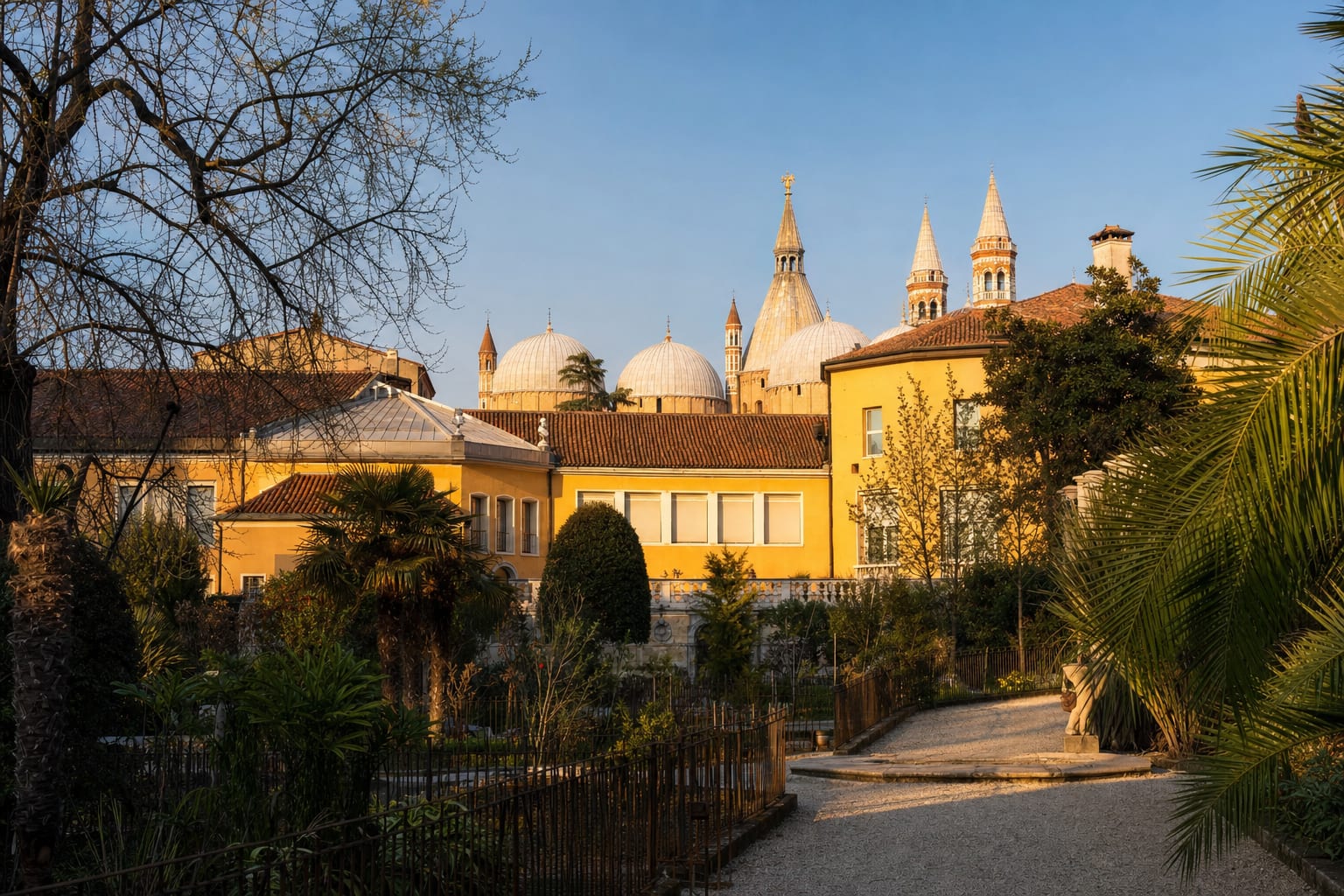
The basilica is a walk from Padua's train station, or a short tram ride to the Santo stop, near the Padua Botanical Garden.

Entry to the basilica is free, as it is an active place of pilgrimage and worship rather than a state museum; donations are welcomed and modest dress (covered shoulders and knees) is expected. Photography is restricted near the saint's tomb.

Walk around to the cloisters beside the basilica, easy to miss from the main nave: they're quiet even when the church itself is crowded with pilgrims, and hold their own small museum of the basilica's history.

Get directionsGoogle MapsApple Maps

Good to know

How long should you spend at the Basilica of Saint Anthony?

About an hour for the basilica, the tomb and the altar. Allow more if you want to see the cloisters and the outside square.

Is the Basilica of Saint Anthony worth visiting?

Yes, both for faith and for art. Donatello’s altar alone justifies the trip, and the pilgrims give the place a living feel.

Do you need to book the Basilica of Saint Anthony?

No booking, but the basilica is an active place of worship with a dress code, so cover shoulders and knees. Avoid 13 June, the saint’s feast day, if you want quiet.

A letter from Italy, once a month.

The places, tables and makers we found worth your time. One email, no noise.

One letter a month. Unsubscribe at any time. We never share your address.

Help us get it right

What is it about?