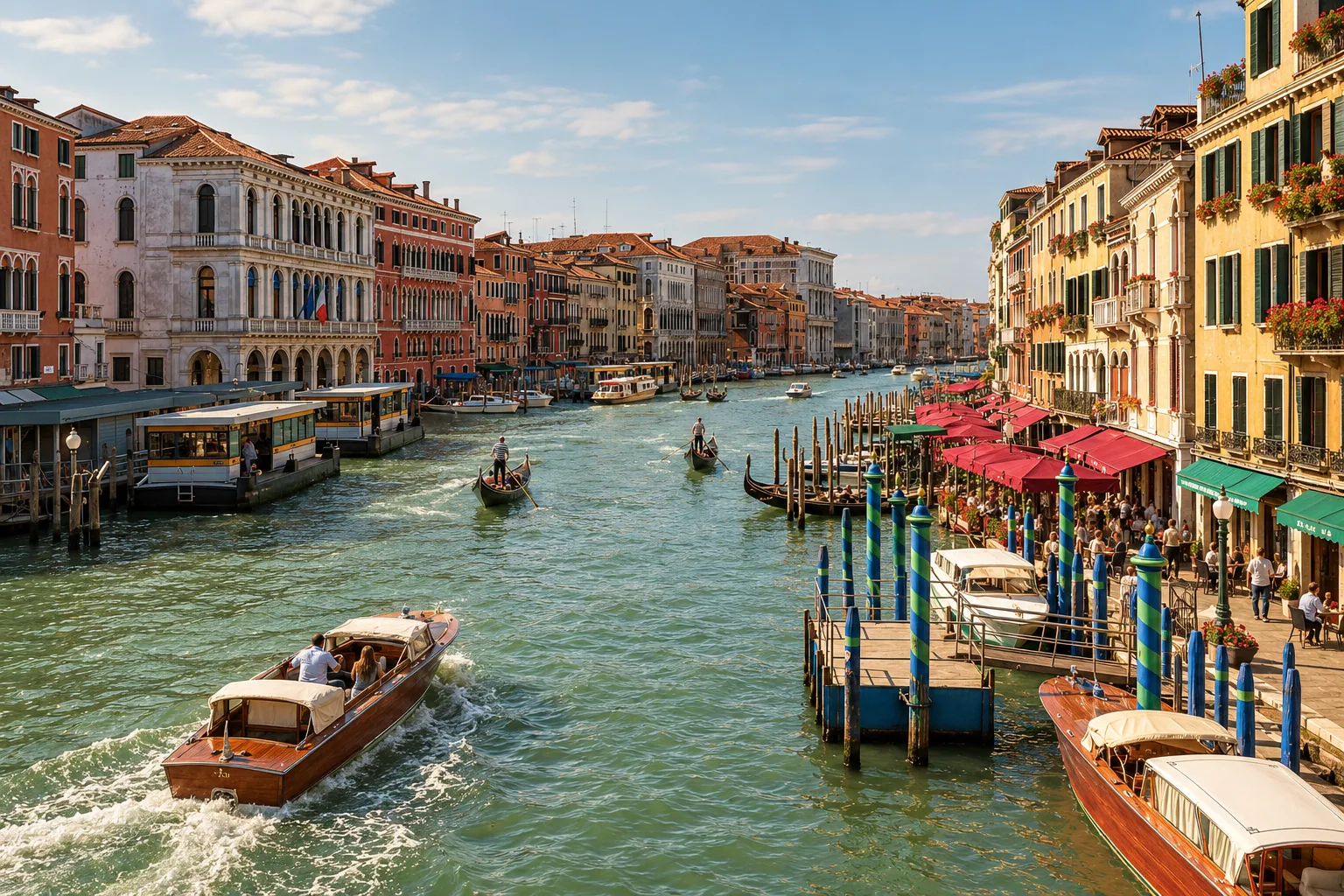
The Grand Canal traces what was likely once a branch of the Brenta River, and it became Venice's central artery once the doge's seat moved to the Rialto area in the early ninth century.
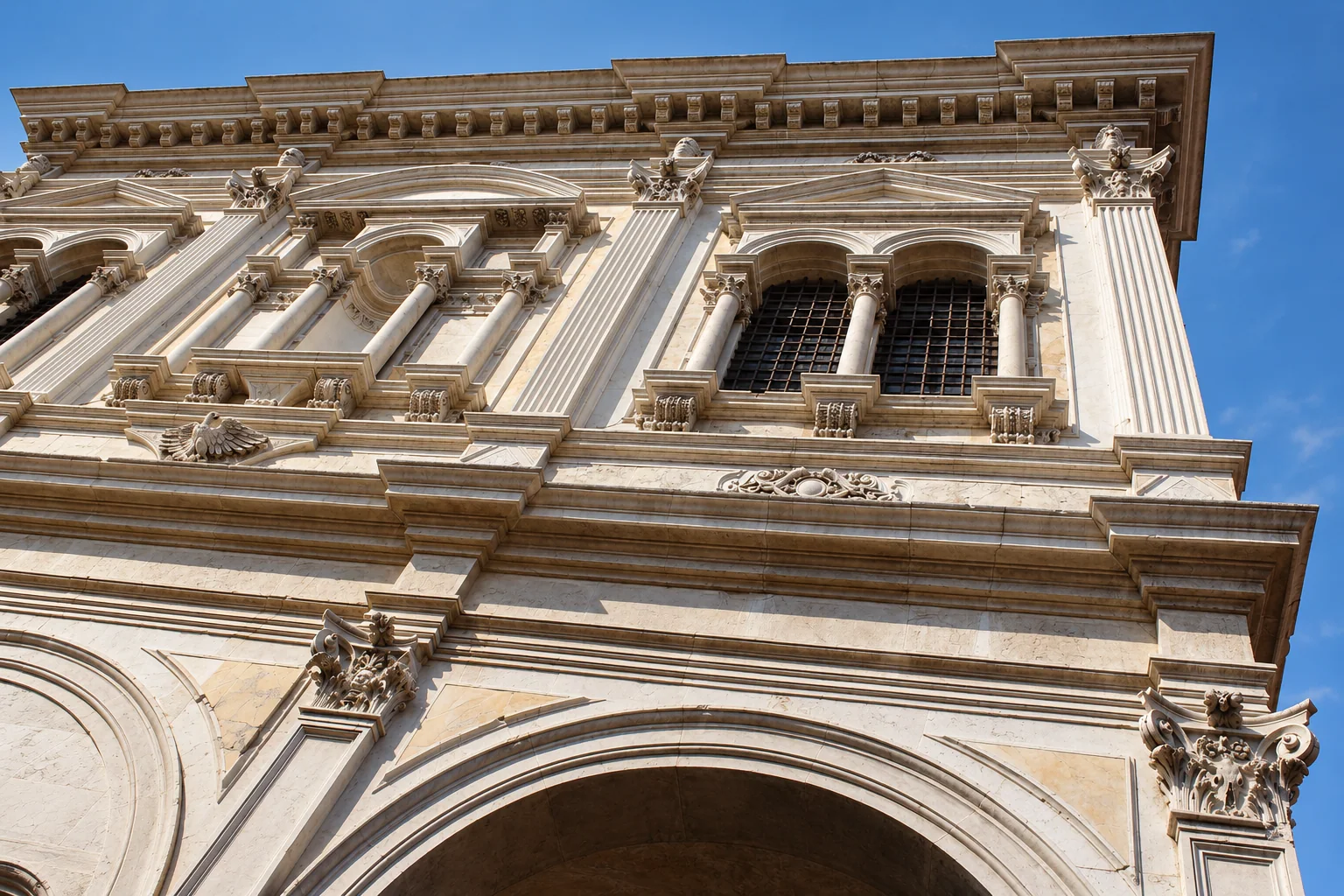
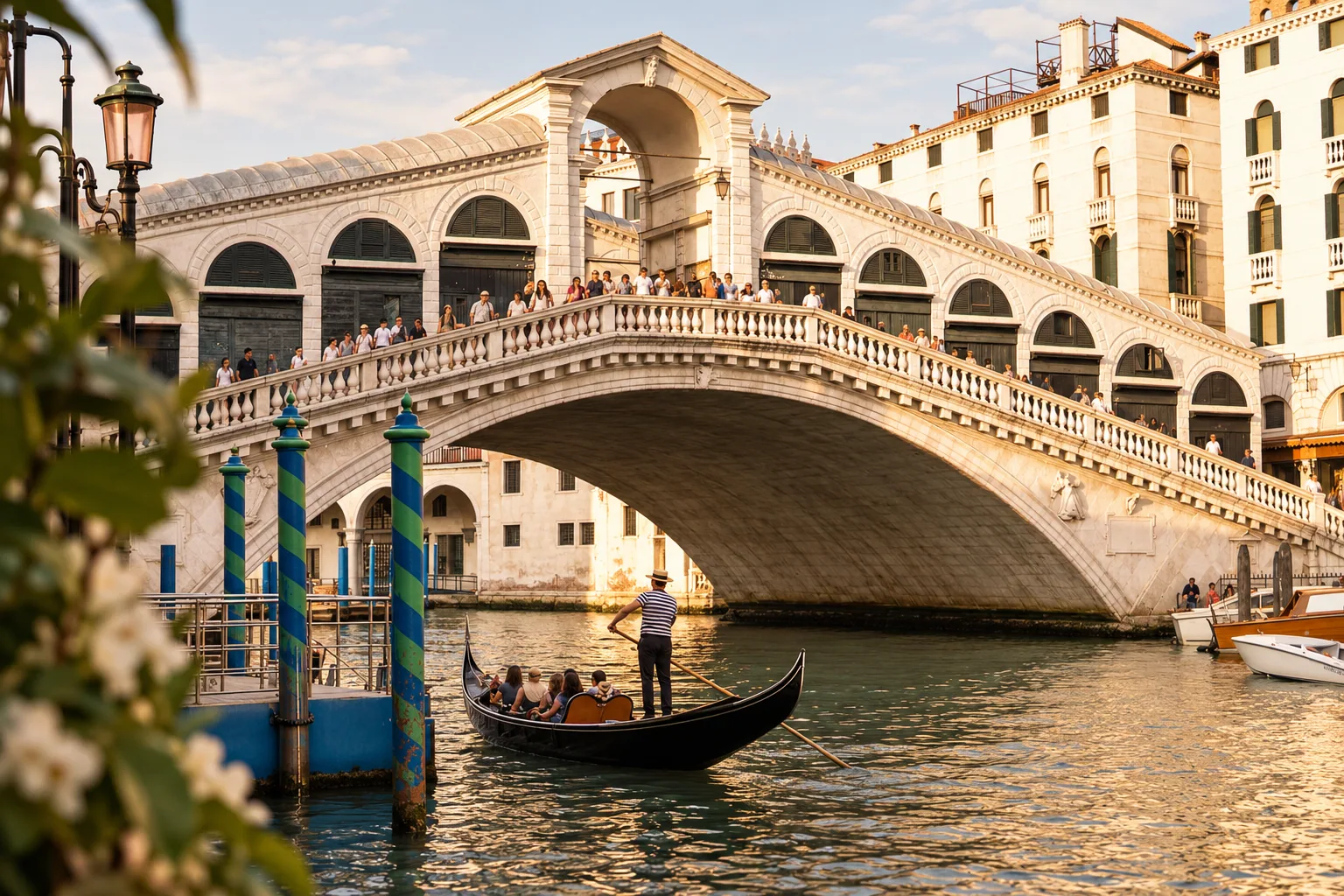
Its reverse-S curve runs about 3.8 kilometers from the railway station to St. Mark's Basin, lined by more than 170 palazzi built mostly between the thirteenth and eighteenth centuries as Venice's noble families competed to outbuild one another along its banks: Ca' d'Oro's Gothic lace facade and Ca' Foscari among the best known. For nearly a thousand years the Rialto Bridge was the only fixed crossing, and even now just four bridges span it, so most Venetians still cross by traghetto or simply walk to the nearest one. Mechanized public transport (the vaporetto) has run its length since 1881, though routes and fares always need checking on the day, since Venice adjusts them often.
Sources and citations (3)
- Meeting VeniceThe Grand CanalThe Grand Canal overviewRead source
- ACTVHistoryHistoryRead source
- UNESCO World Heritage CentreVenice and its LagoonDescription and Outstanding Universal ValueRead source