

All the monuments in Padua
The landmarks and masterpieces worth planning a day around.
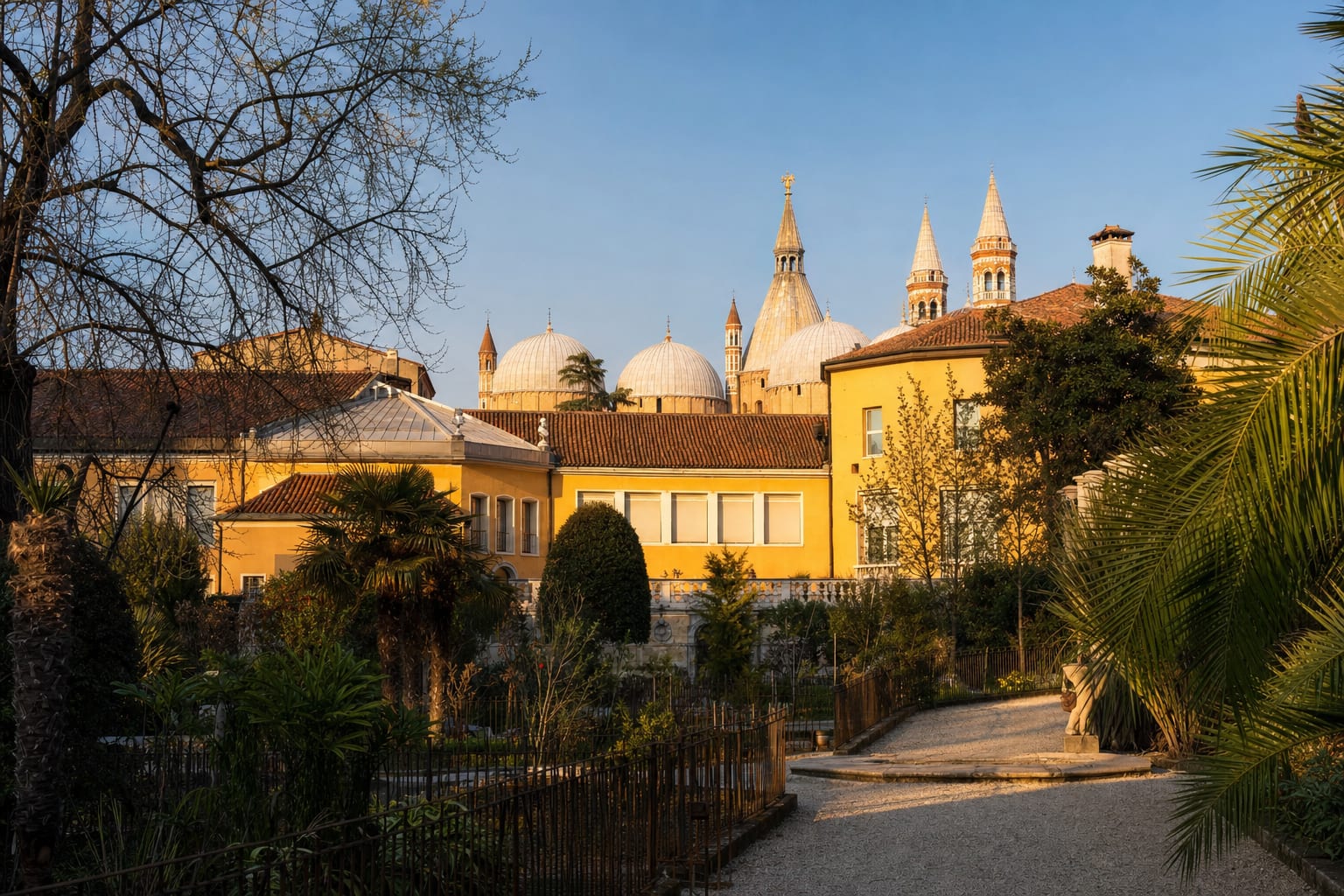 Orto Botanico di PadovaUNESCOPadua Botanical GardenWorld's oldest academic garden, Goethe's palm, circular Renaissance plan, medicinal plantsPadua's Orto Botanico was founded in 1545 by the Venetian Republic so that medical students could learn to tell real medicinal plants from dangerous look-alikes, and it has stayed in the same place ever since, making it the oldest academic botanical garden in the world still at its original site. Its layout is the point: a square inscribed in a circle 84 meters across, cut into four beds by paths to the cardinal directions, designed by the Venetian nobleman Daniele Barbaro. The oldest plant, Goethe's palm, a dwarf palm planted in 1585, grows in its own greenhouse; Goethe cited it in his essay on the metamorphosis of plants. UNESCO inscribed the garden in 1997, and today it grows some six thousand kinds of plants.Plan the visit
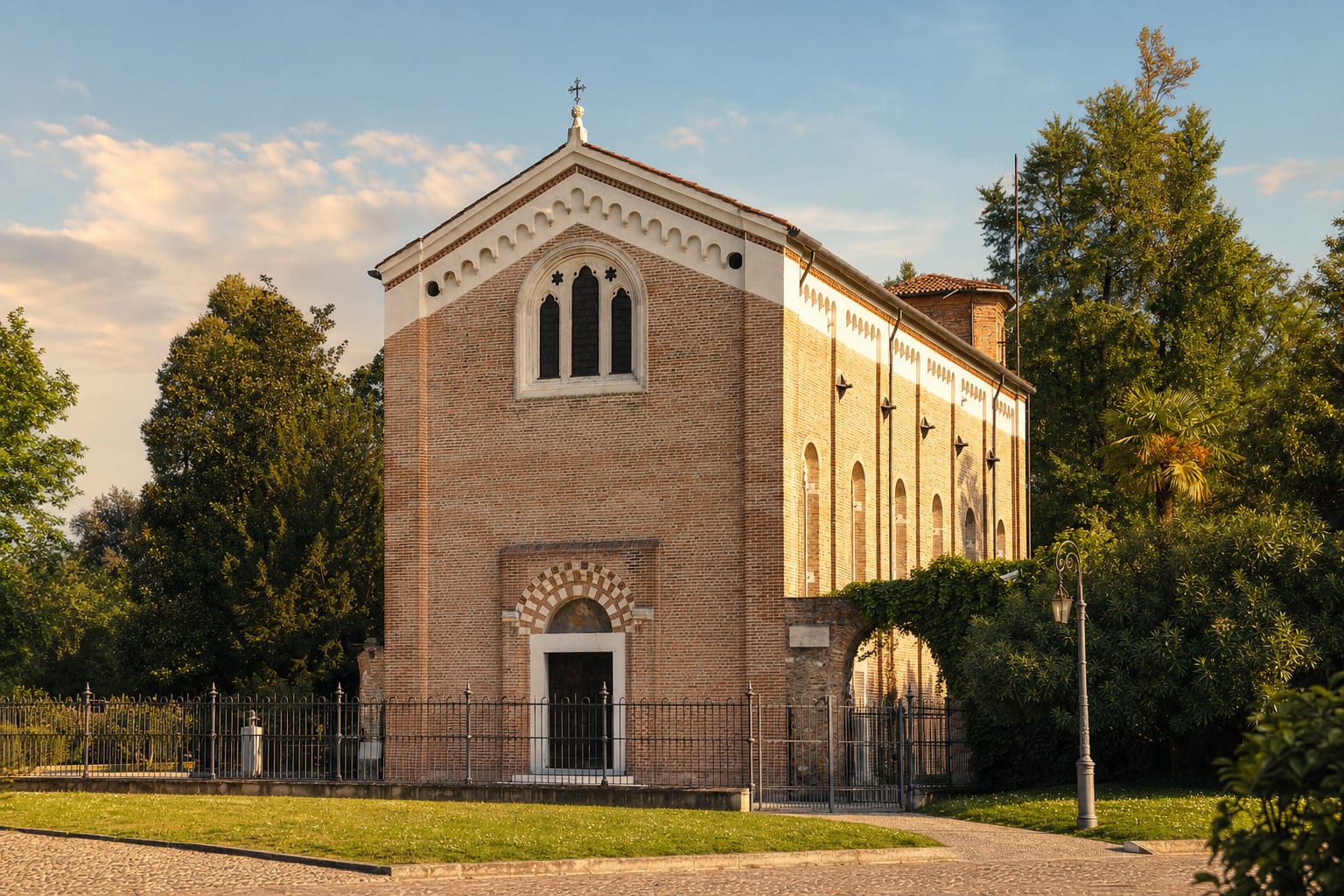 Cappella degli ScrovegniUNESCOScrovegni ChapelGiotto's fresco cycle, Last Judgment wall, star-filled blue vault, birth of modern paintingEnrico Scrovegni built this chapel partly to atone for his father's usury (Dante later placed Reginaldo Scrovegni among the damned in the Inferno), and between 1303 and 1305 he hired Giotto to paint it floor to ceiling. The result changed European painting: Giotto gave his figures weight and grief instead of Byzantine flatness, and the Judas kiss and the mourning angels over Christ's body still read as real human moments eight centuries later. The west wall's Last Judgment shows Enrico himself, kneeling, handing a model of the chapel to the Virgin. Conservation rules are strict: visitors wait in a climate-controlled anteroom before a timed visit beneath the lapis blue, star-filled vault. UNESCO listed the chapel among Padua's fresco cycles in 2021.
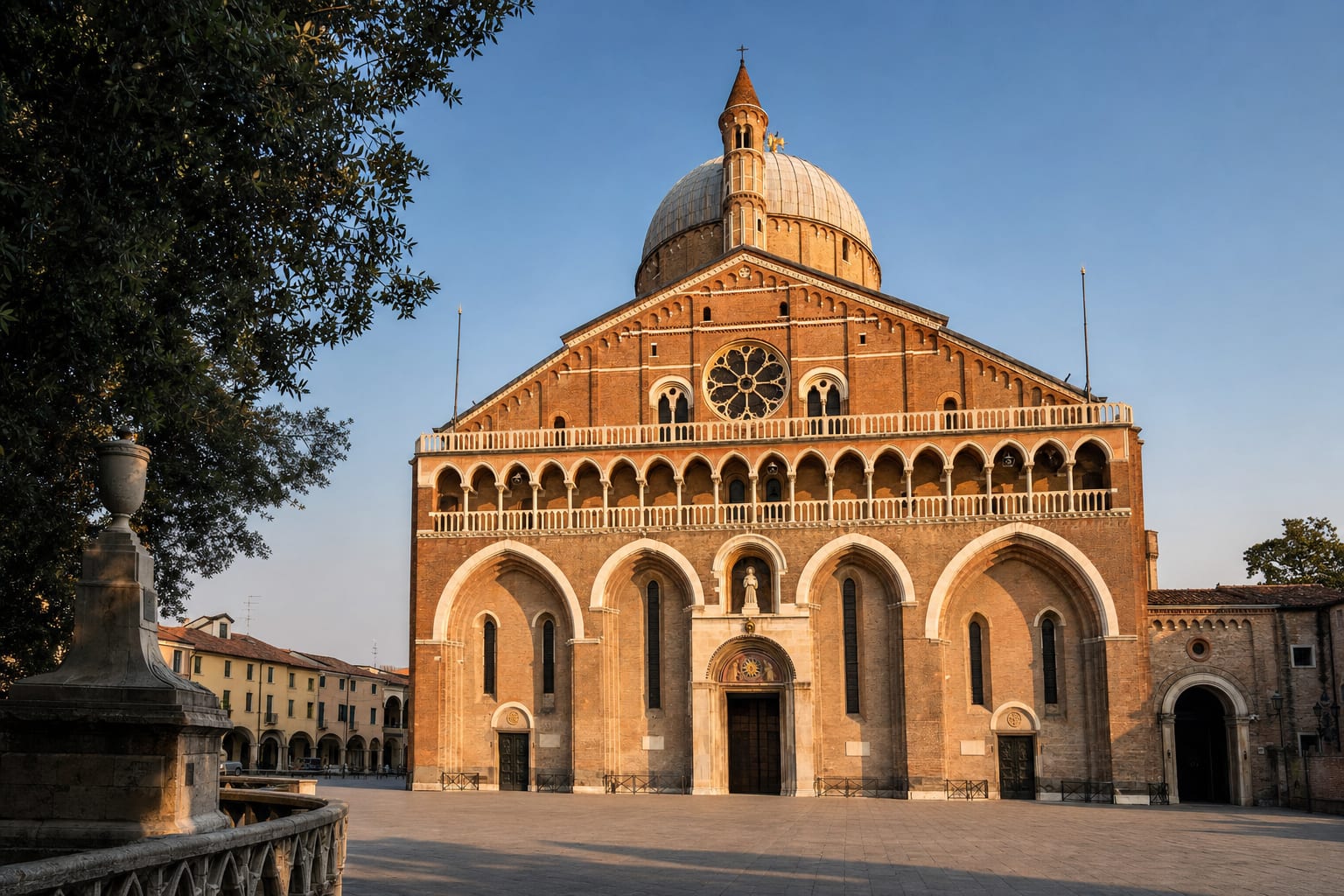 Basilica di Sant'Antonio di PadovaBasilica of Saint AnthonyPilgrimage basilica of the Saint, Donatello's high altar bronzes, Byzantine-influenced domes, the Gattamelata outsideConstruction began around 1232, just a year after Anthony of Padua's death, wrapping a growing basilica around the small church of Santa Maria Mater Domini where he had already been buried; the result, completed in essentially its present form by 1310, blends Romanesque, Gothic and Byzantine influences into a skyline of domes and slender towers that still locals simply call "il Santo." Pilgrims have never really stopped coming: the saint's tomb chapel, its walls carved with nine marble relief scenes of his miracles by multiple Renaissance sculptors, still draws a steady stream of visitors touching the marble in front of it. Donatello, working in Padua from 1443 to 1453, cast the bronze reliefs and statues for the high altar, then, in the piazza outside, created the Gattamelata, the first full-scale bronze equestrian monument since antiquity and a work that revived a form Roman sculptors had mastered a thousand years earlier. Two of the basilica's chapels also form part of a UNESCO-listed fresco cycle recognized in 2021.
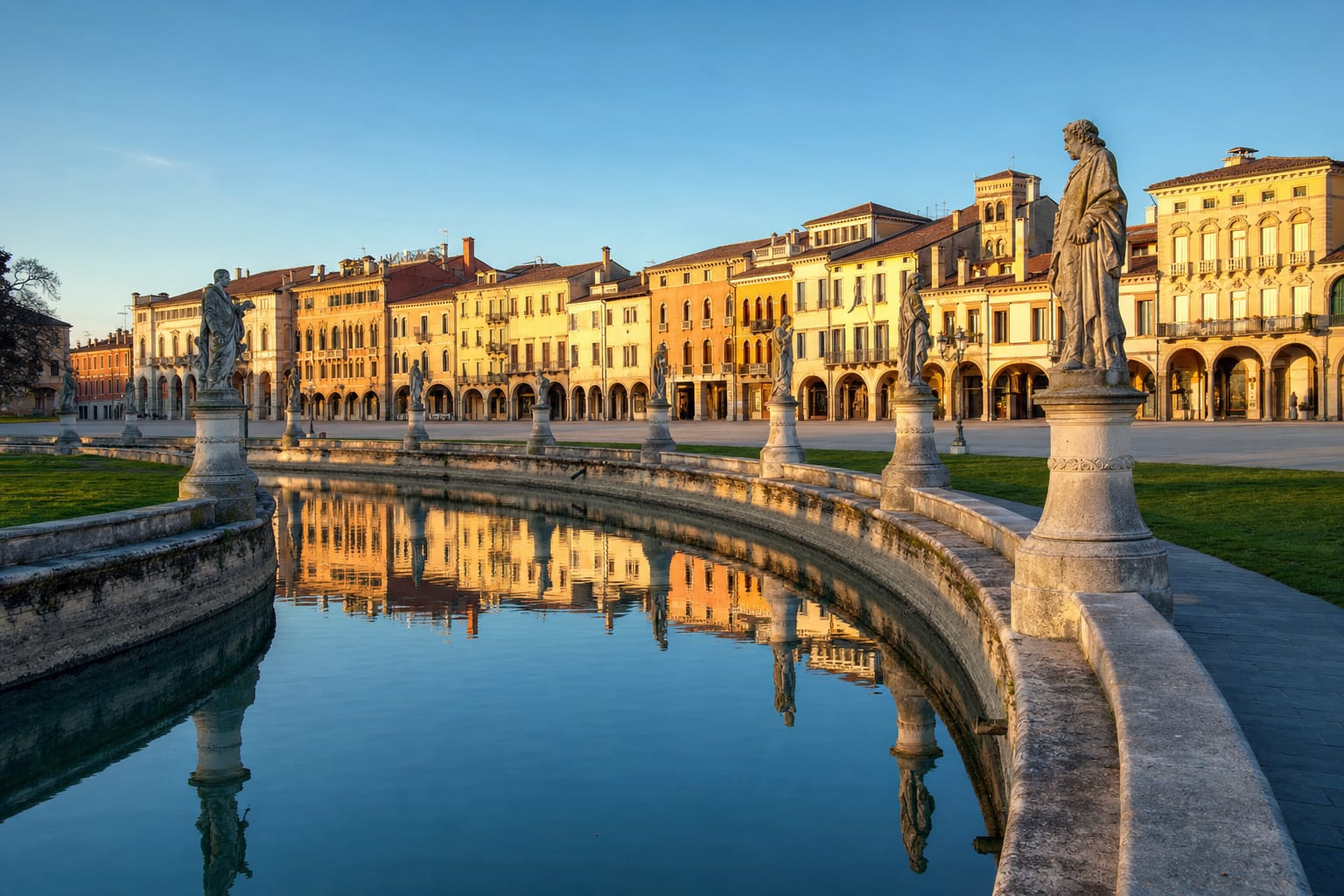 SquarePrato della ValleElliptical canal and Isola Memmia, seventy eight statues, Saturday market, one of Italy's largest squaresPadua turned a swampy, largely unused stretch of ground into a theater for equestrian mock battles in 1636, then remade it entirely in 1775 under Andrea Memmo into the civic square that survives today. An elliptical canal, spanned by four bridges, rings the central Isola Memmia and is itself lined by two rows of statues, honoring poets, scholars and statesmen connected to Padua; of an originally planned 88, 78 still stand, carved from Vicenza stone between 1775 and 1883. At roughly 90,000 square meters it ranks among Europe's largest squares, though sources differ on whether it is the largest or second largest in Italy. Markets, student gatherings and evening strolls now fill the same ground that once staged horse races.
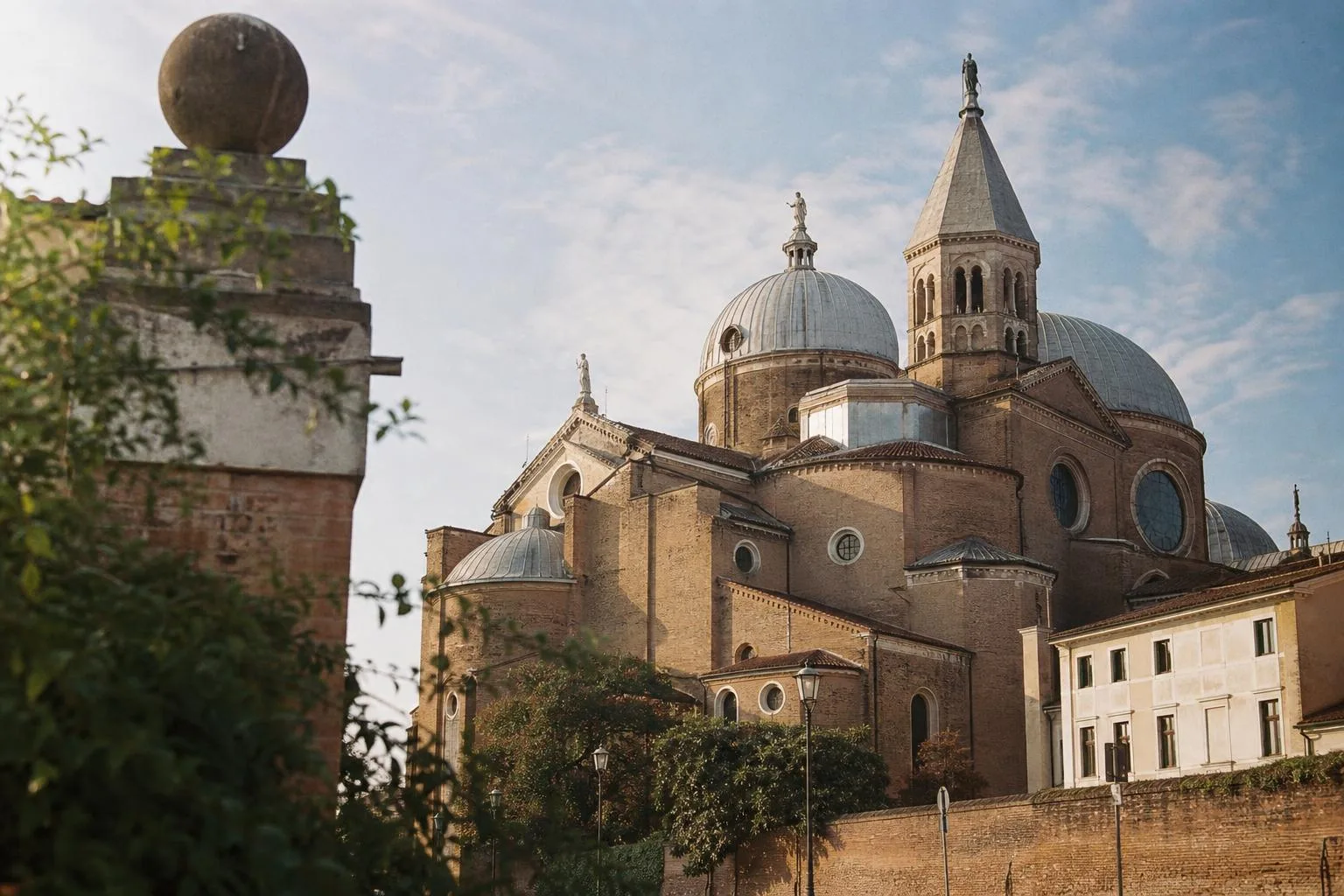 Basilica di Santa GiustinaHidden GemAbbey of Santa GiustinaVeronese altarpiece, tombs of Saint Luke and Saint Matthias, huge dome, Benedictine cloistersSanta Giustina is one of the largest churches in Italy, a Benedictine basilica on the south side of Prato della Valle in Padua. A church for the martyr Justina stood here by the 520s, and the monks have lived on the site since 971. The present building was rebuilt from the 1500s and measures some 118 meters long, with a great central dome. Inside, Paolo Veronese’s altarpiece of the Martyrdom of Saint Justina (1576) dominates the apse. The basilica also keeps the relics of Saint Luke the Evangelist and Saint Matthias, and the Sanctuary of Prosdocimus, a rare sixth-century survivor. Napoleon’s forces suppressed the community in 1797; monks returned in 1917. Cloisters and the Martyrs’ Corridor are part of the visit.
Tours worth booking in Padua
Compared by our editors, across providers.
Booking through these links may earn Italia Magnifica a commission, at no cost to you.
- Viator
- 3h
- 5.0★ · 2 reviews
from €310Book this tour- Viator
- 3h 30m
- 5.0★ · 2 reviews
from €95Book this tour- Viator
- 3h
- 5.0★ · 1 reviews
from €220Book this tour- Viator
- 1h 30m
- 5.0★ · 2 reviews
from €53Book this tour- Viator
- 4h
- 5.0★ · 1 reviews
from €319Book this tour- Viator
- 2h
- 4.9★ · 15 reviews
from €35Book this tour



More within reach
Monuments a day trip away, elsewhere in Veneto.
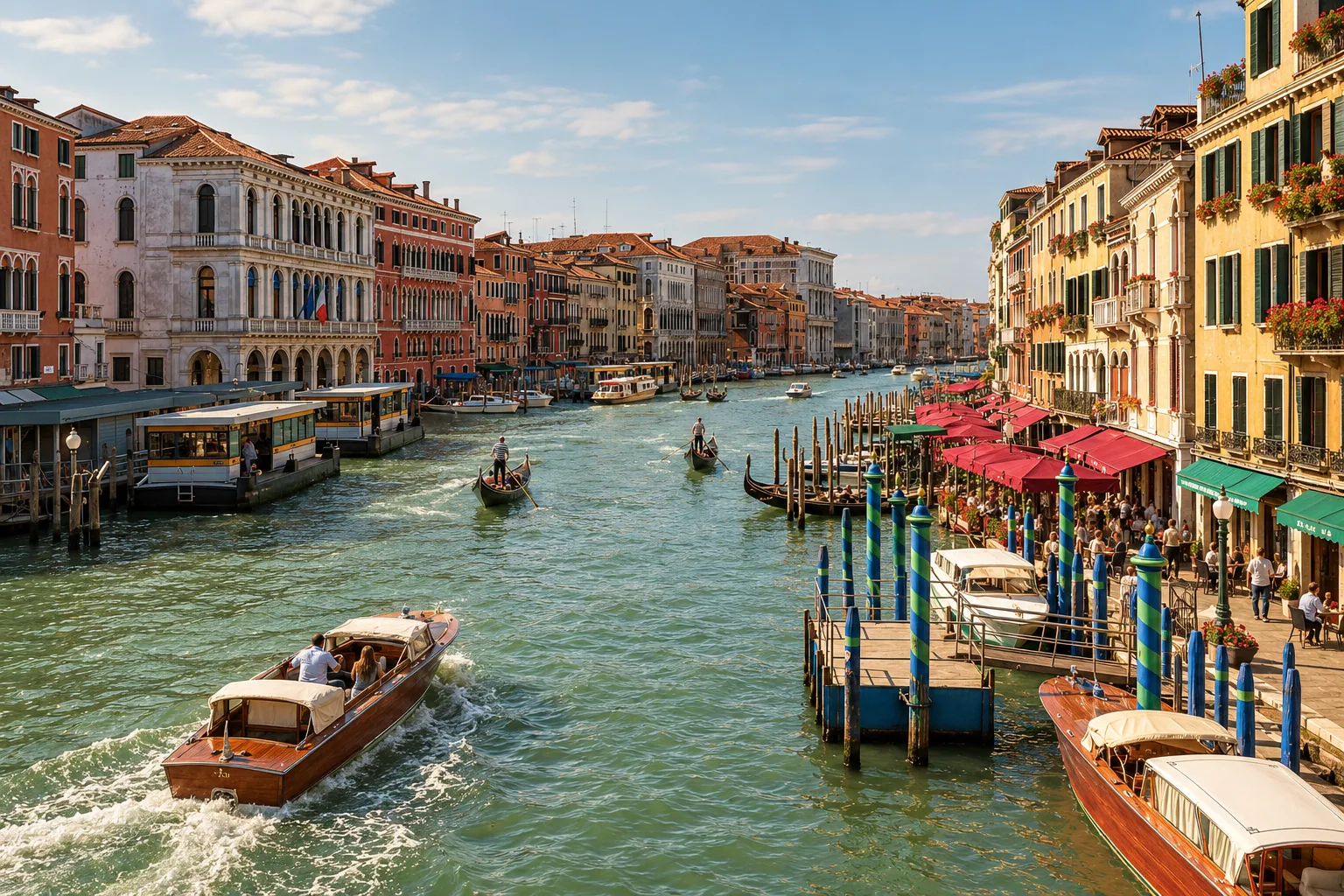 VeniceGrand CanalVenice's main street of water, palace facades, vaporetto Line 1, reverse-S sweep
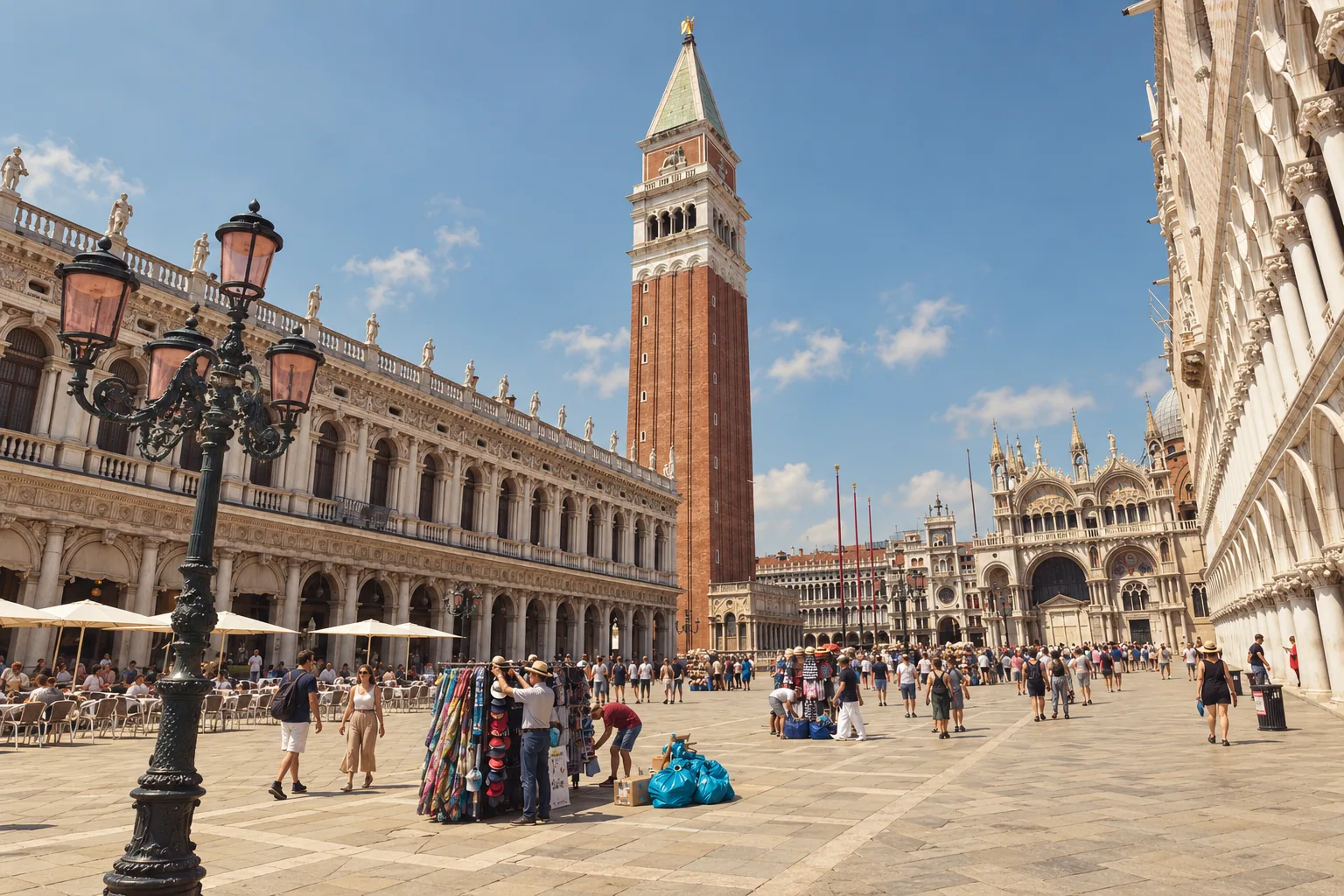 VeniceSt. Mark's SquareNapoleon's "drawing room of Europe," the Campanile, Procuratie arcades, acqua alta flooding
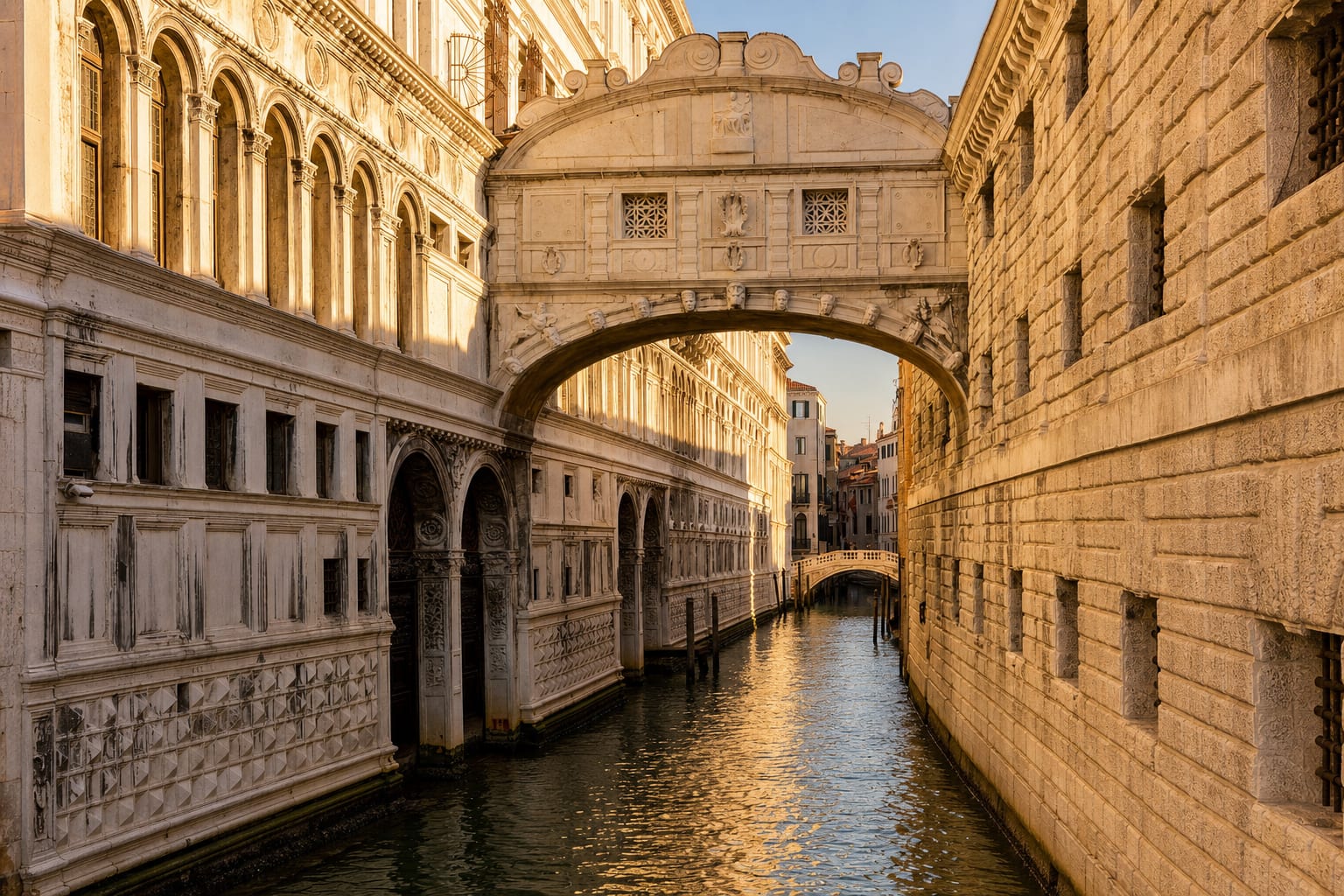 VeniceBridge of SighsEnclosed prison bridge, last view of the lagoon legend, Baroque limestone screen, gondola vantage
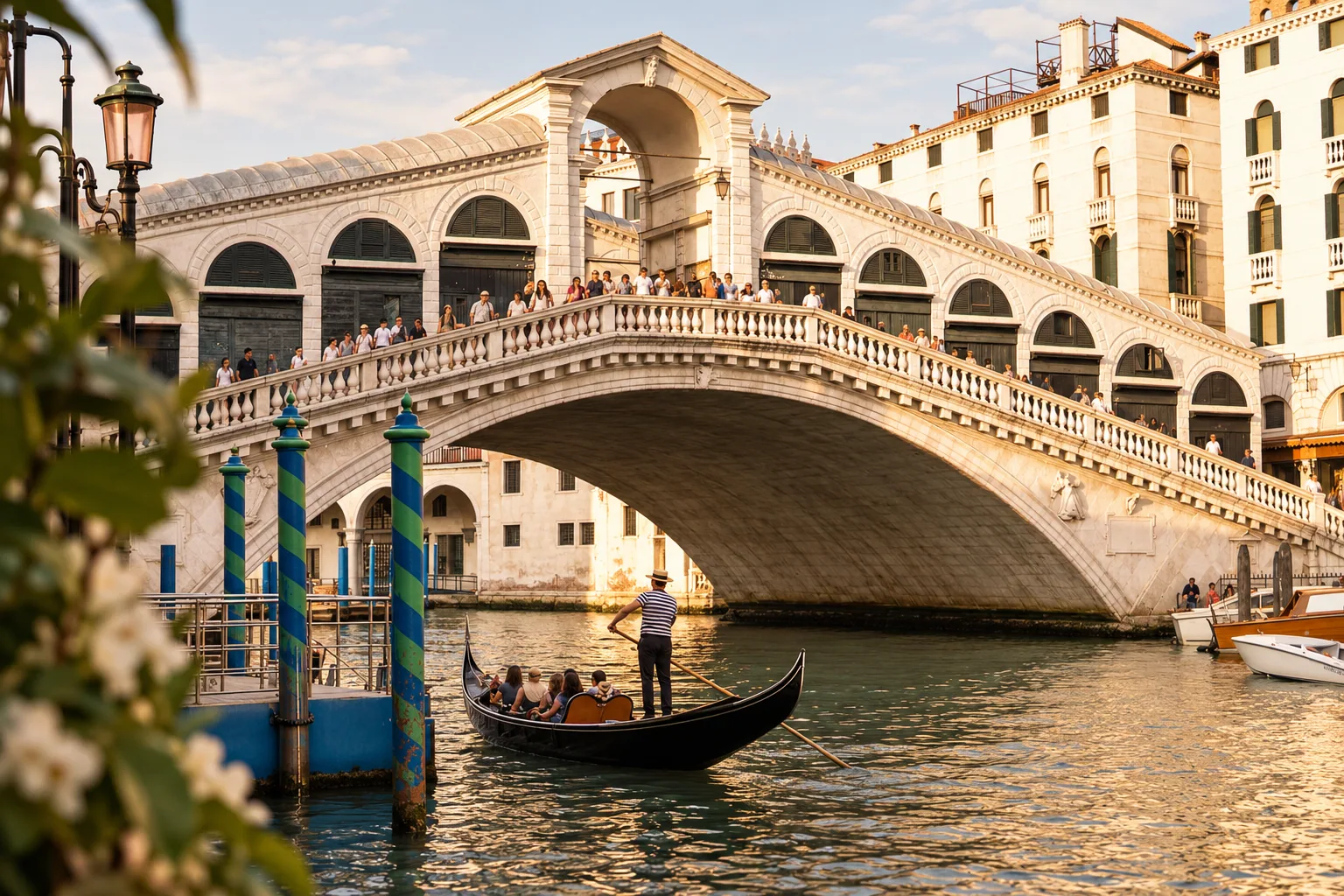 VeniceRialto BridgeSingle stone span of 1591, shop-lined arcades, Grand Canal crossing, market quarter gateway
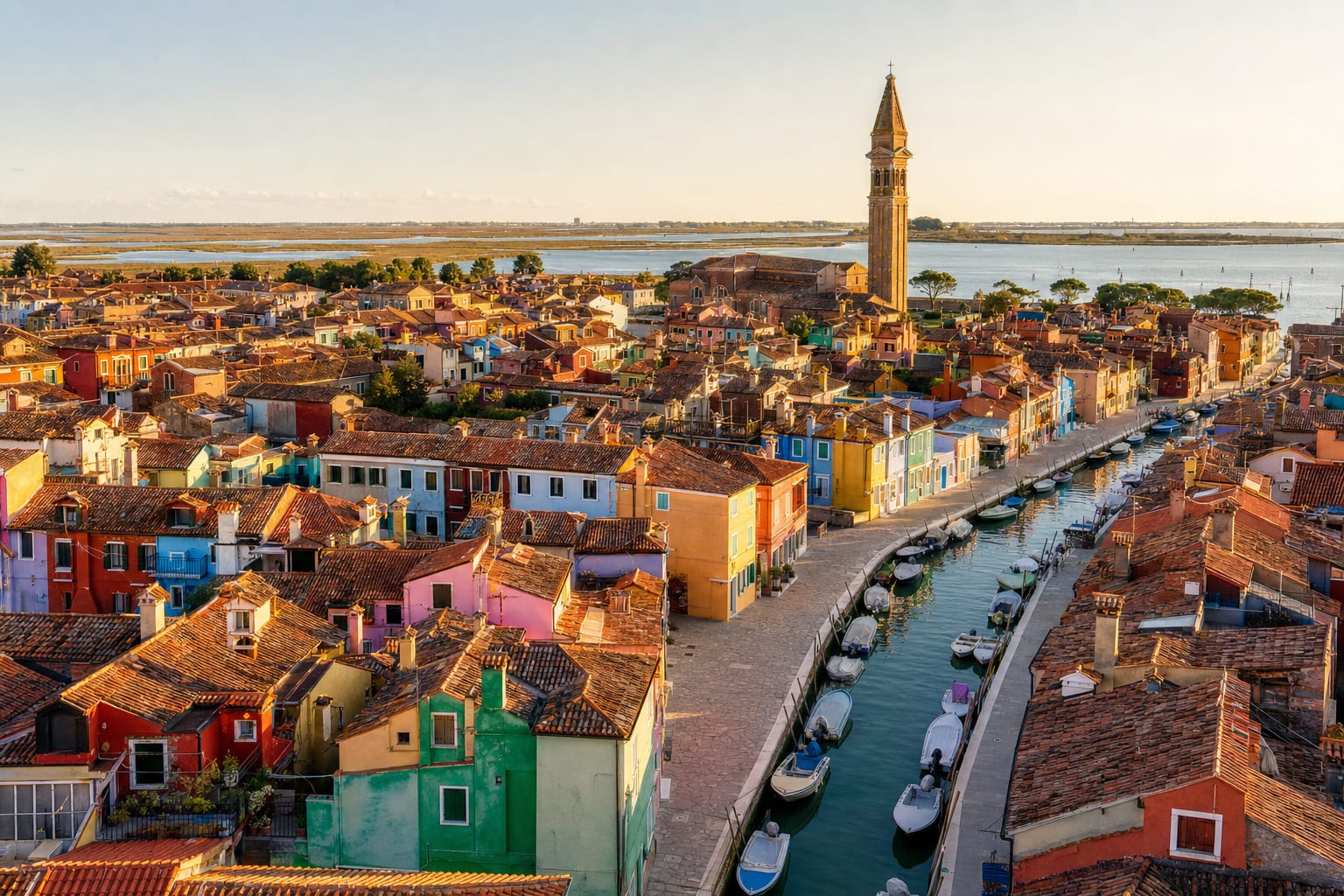 BuranoBuranoPainted fishermen's houses, lace-making tradition, leaning campanile, lagoon colors
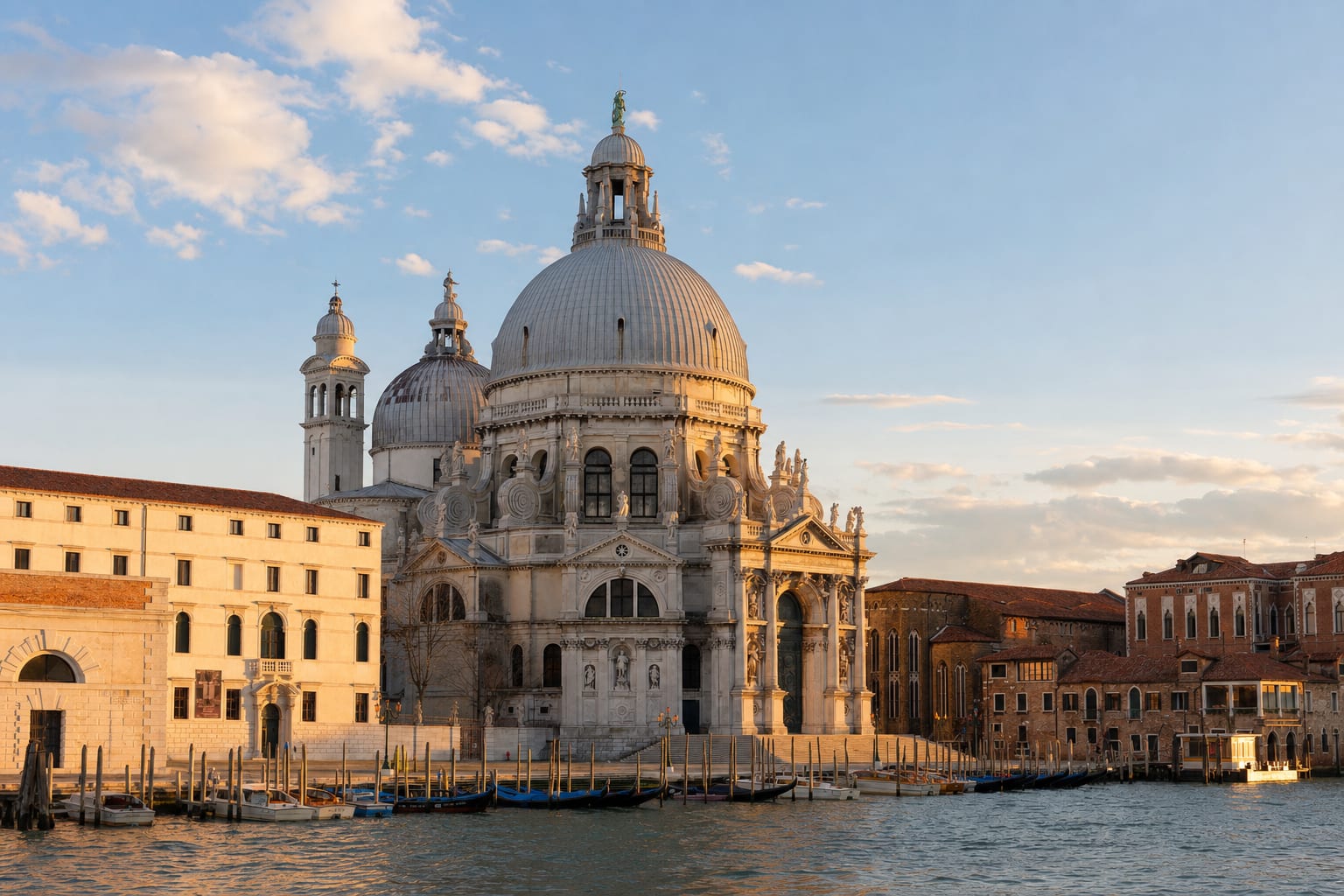 VeniceSanta Maria della SalutePlague-vow basilica, Longhena's octagon, scrolled buttresses, Punta della Dogana silhouette
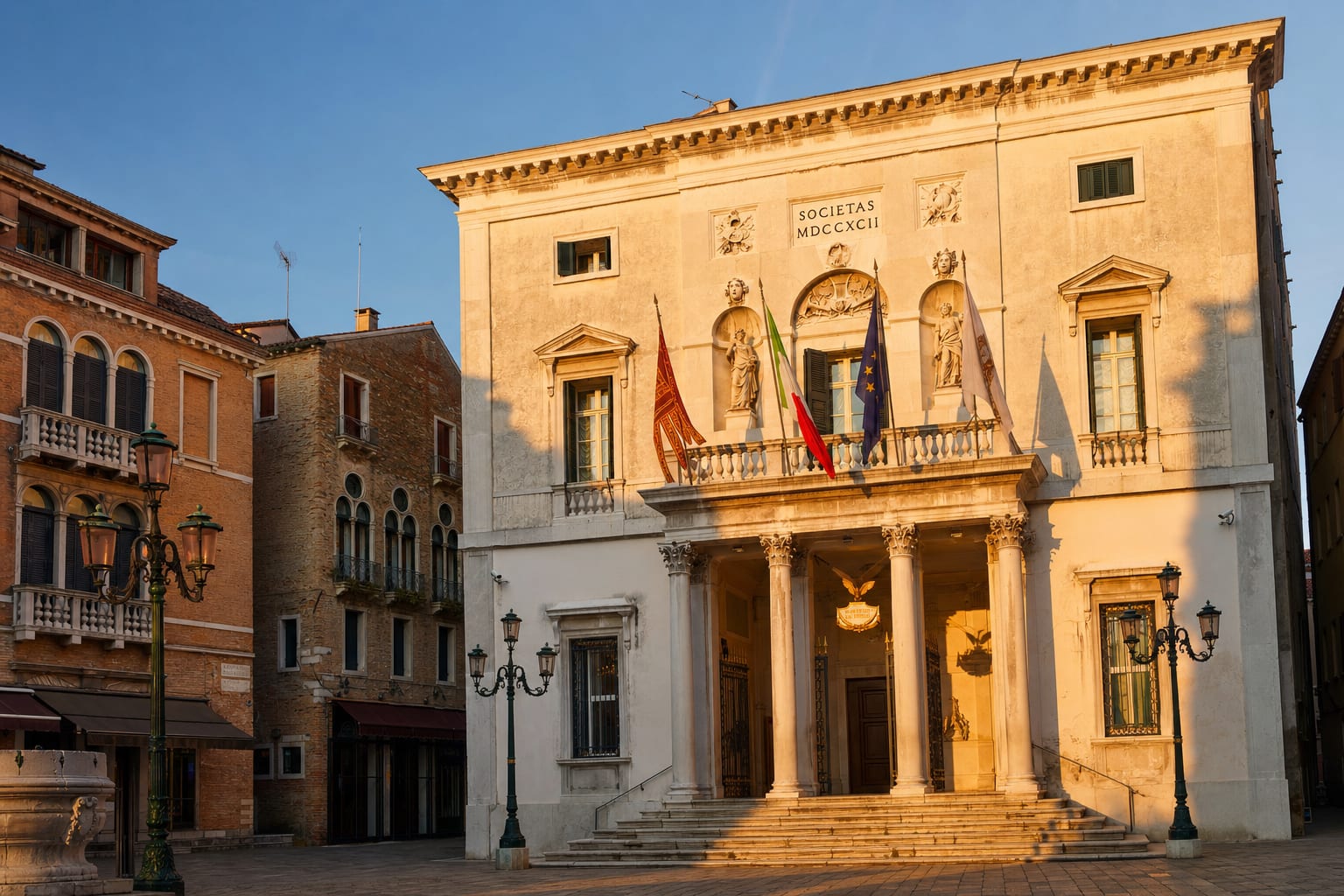 VeniceTeatro La FeniceThe phoenix opera house risen from three fires, Verdi premieres, gilded horseshoe hall, Maria Callas exhibition
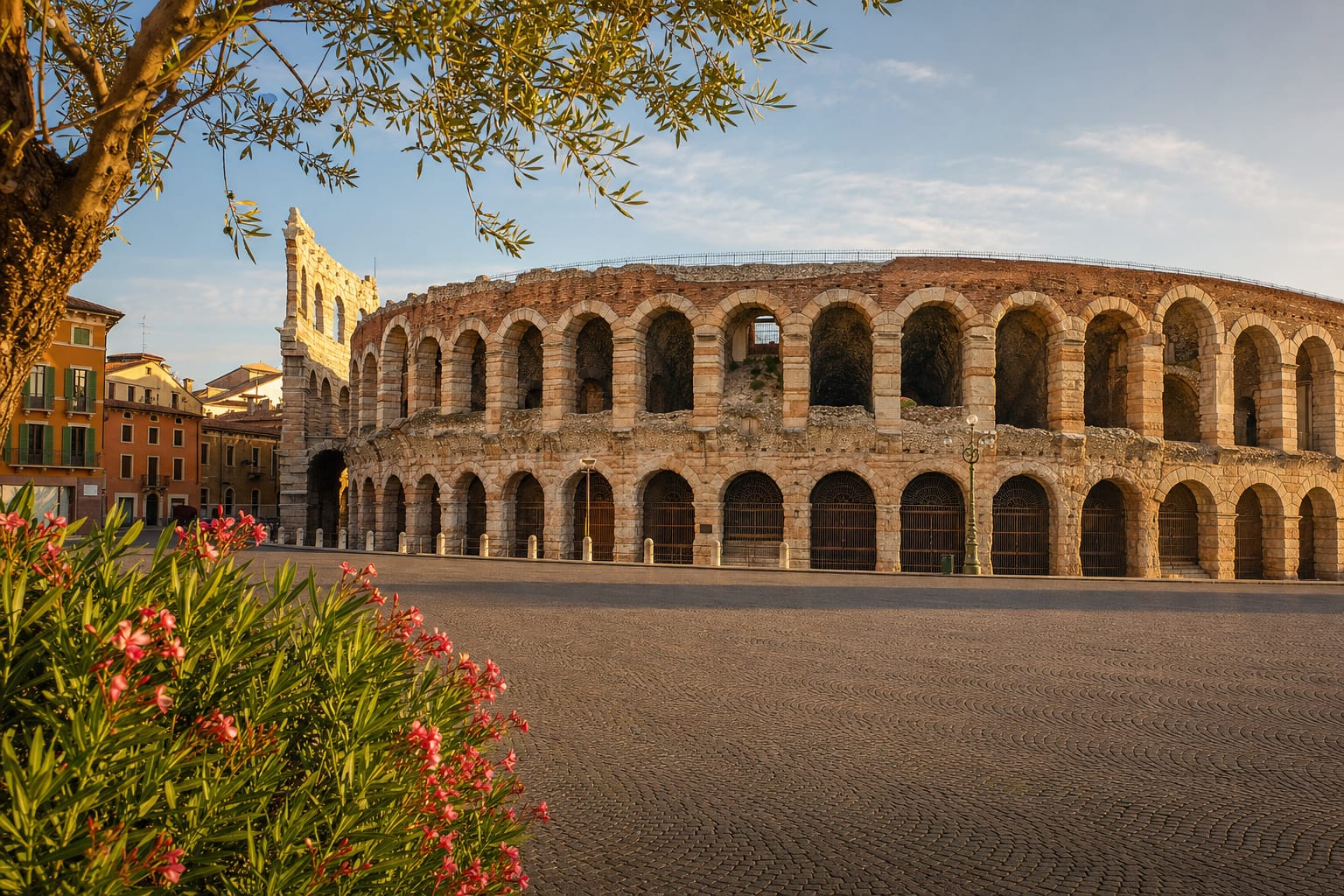 VeronaArena di VeronaFirst-century amphitheatre, summer opera festival, the ala arches, pink Veronese stone