Skip to content

Pecorino di Farindola

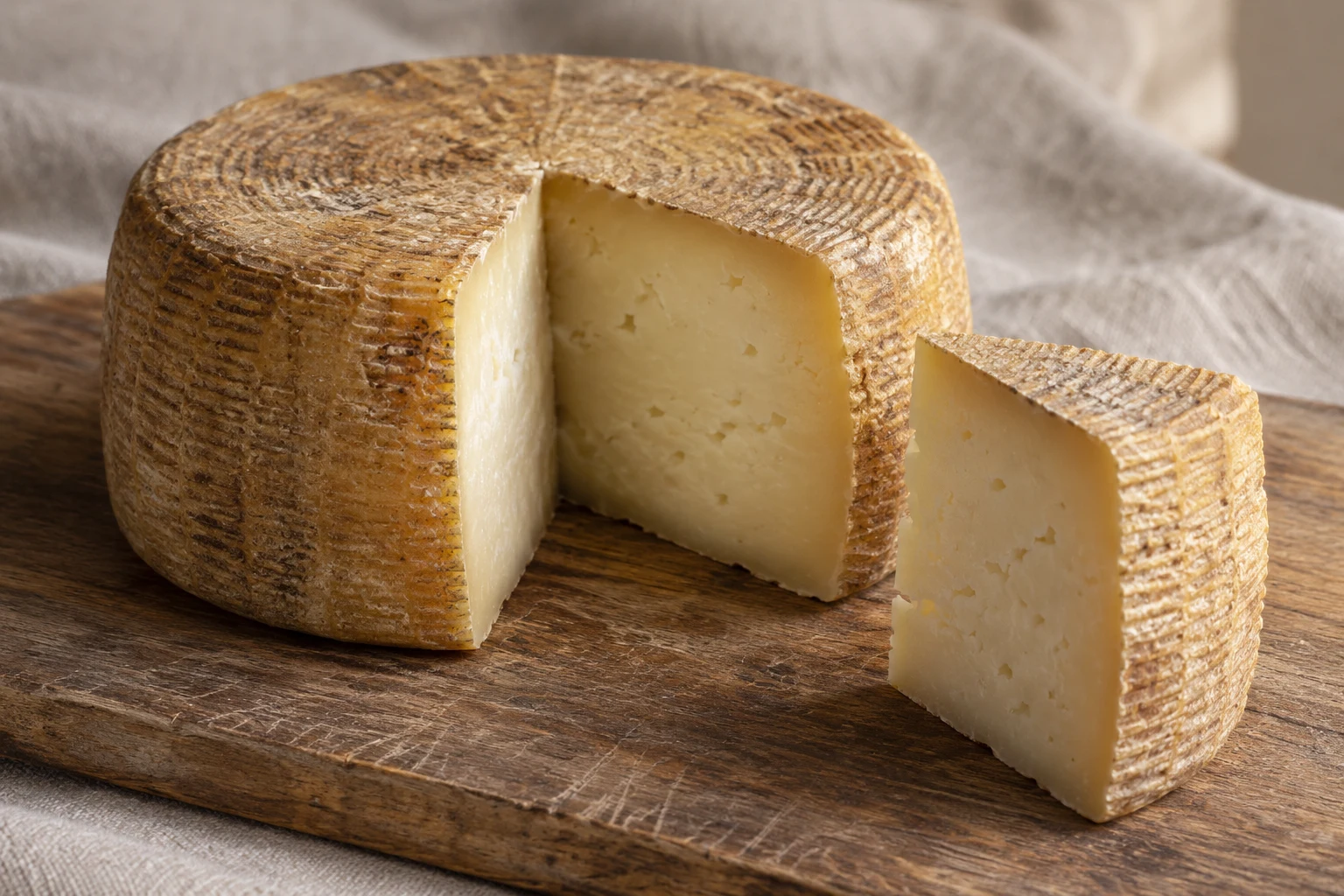
Pecorino di Farindola is an Abruzzese raw sheep’s milk cheese set with pig-derived rennet.

Milk
Raw sheep’s milk
Rennet
Pig-derived
Area
Eastern Gran Sasso

The hands behind Farindola

This eastern Gran Sasso cheese carries the memory of farm households as well as the name of a town.

Women have a central role in the cheese’s history, from milking to cheesemaking and maturation, alongside trade in the local markets. Its connection to ancient Roman cheeses remains uncertain. Ask the producer who makes and tends the wheels to learn about this family craft.
Basket marks and dry salt

The consortium’s specification calls for basket-patterned molds and dry salting on the two faces. The rind is treated with extra virgin olive oil.

Read beyond the town name

Look for the full name and a named producer. Pig rennet is a defining feature, so ask about it if rennet matters to your choice. Request the maturation of the portion you are buying and instructions for its rind.

Ask about the rind

Ask the producer how to handle the rind and store the cut portion. Follow that cheese’s label.

Questions worth asking

Does it use vegetable rennet?

No: the traditional identity described by the consortium includes pig rennet. Check the producer’s label if this affects your purchase.

Can its history be traced directly to Roman cheese?

The consortium discusses ancient references but says they do not establish that those cheeses were the present-day Pecorino di Farindola.

Which landscape is associated with this cheese?

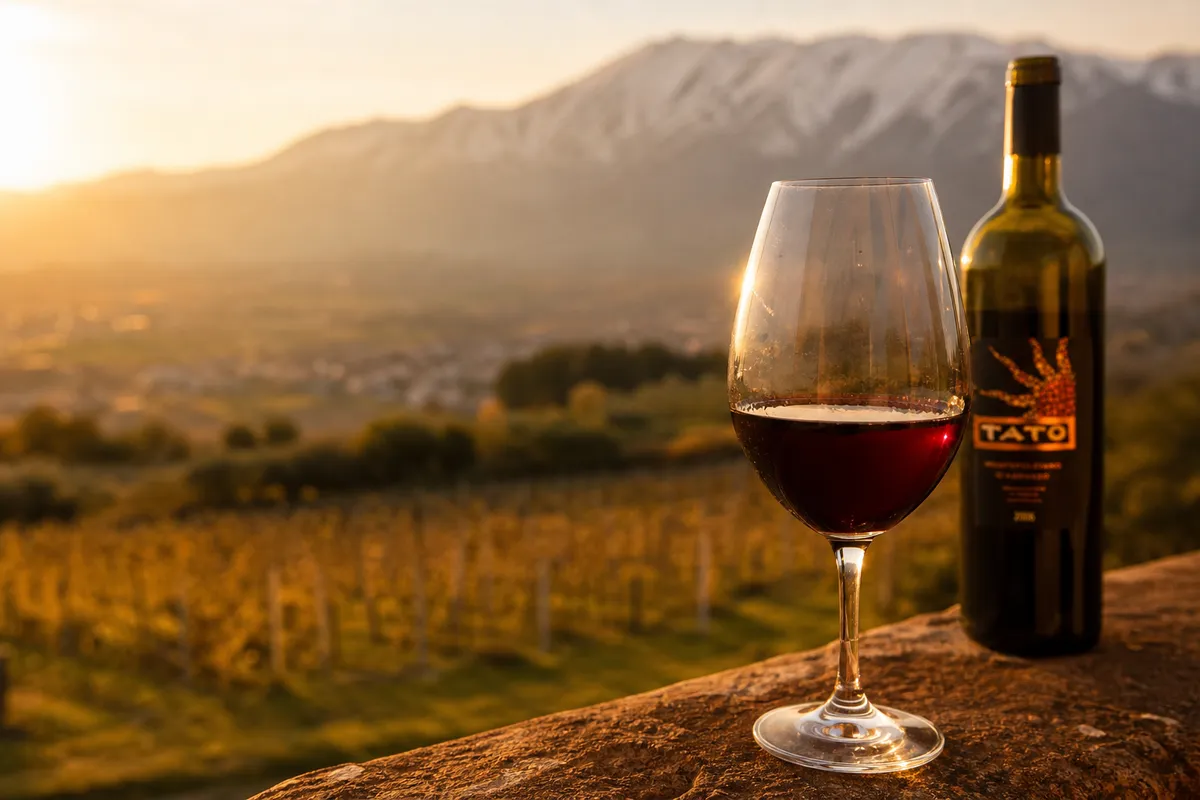
The consortium places its tradition on the eastern side of the Gran Sasso, in the Vestina area. The town name points into that wider pastoral setting.

A letter from Italy, once a month.

The places, tables and makers we found worth your time. One email, no noise.

One letter a month. Unsubscribe at any time. We never share your address.

Help us get it right

What is it about?