Skip to content

Caciofiore della Campagna Romana

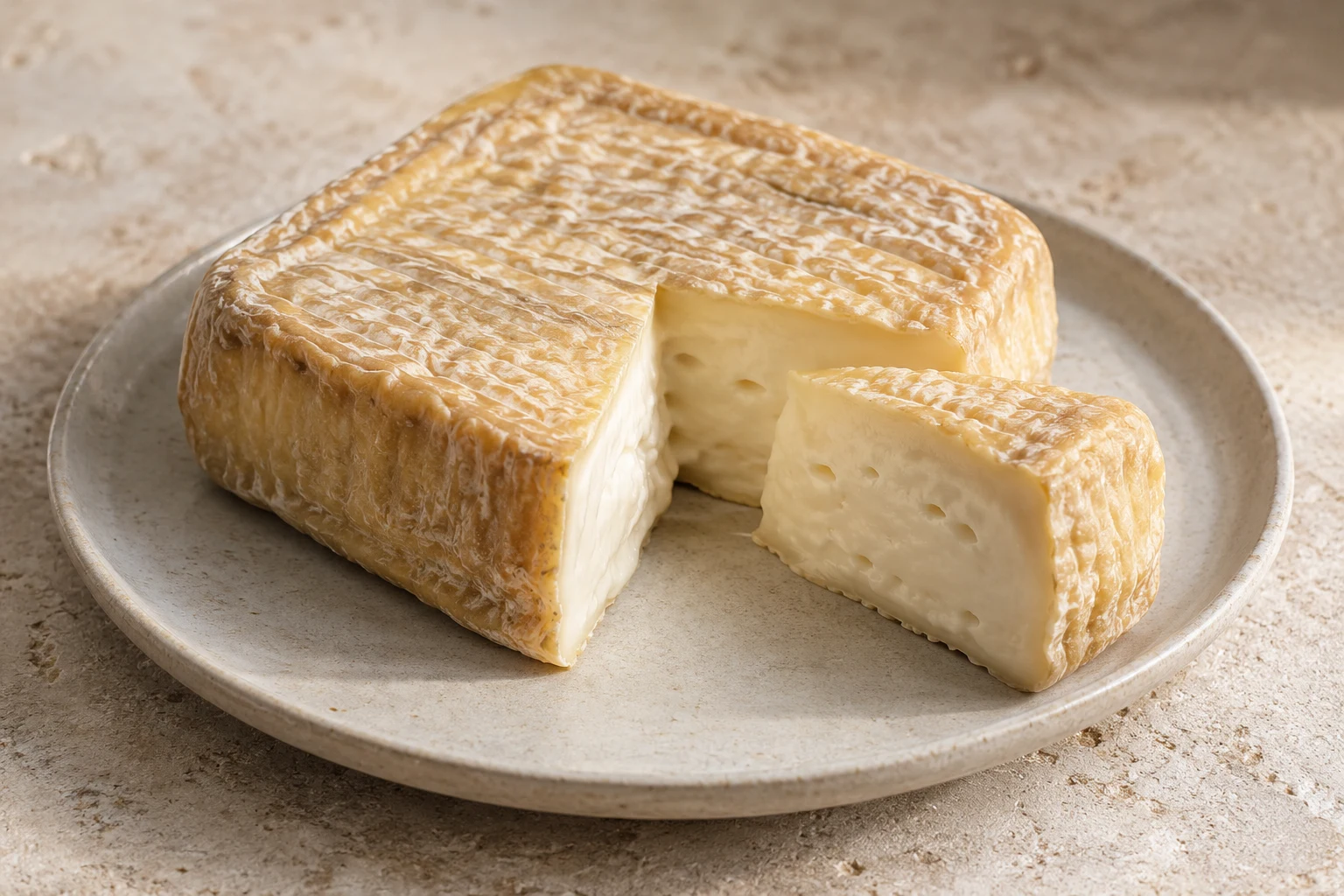
Caciofiore della Campagna Romana is a soft, creamy sheep’s milk cheese coagulated with thistle flowers.

Milk
Raw sheep’s milk
Coagulant
Vegetable rennet from thistle flowers
Area
Rome province

A flower in Rome’s dairy story

The thistle gives this cheese a connection to the countryside that goes beyond its name.

Caciofiore belongs to a revived Roman-area tradition of vegetable coagulation, recalling the thistle described by Columella. That connection concerns the technique; it does not mean that the recipe has remained unchanged for two millennia. Taste a small piece on its own before adding anything else, so the cheese’s lightly bitter character has room to speak.


Flowers at the heart of the curd

ARSIAL describes using dried thistle stamens to prepare the vegetable coagulant. The cheese has a lightly bitter flavor; the method varies in salting and maturation between producers.

Give the creamy center some space

Begin with a plain piece of bread and the creamy cheese, then try briefly heating a slice in a pan with a little balsamic vinegar. Keep the vinegar light: the point is to notice how the cheese changes with warmth, rather than cover its character. A small tasting beside Pecorino Romano also makes the contrast between a creamy cheese and an aged grating cheese easy to explore.

Ask how this wheel was made

Ask the cheesemaker about the batch’s salting and maturation, which differ between producers. Look for the square form and a wrinkled, yellowish rind. Buy a portion with a cut face you can inspect, and ask for serving and storage advice specific to that cheese.

Keep the label with the cut

Keep the producer’s label with your cut portion, including its storage instructions and date. Ask for advice specific to the cheese you are buying.

Questions worth asking

Why is it called Caciofiore?

Its defining coagulant comes from thistle flowers. ARSIAL describes preparing it from dried stamens.

Is it simply a soft Pecorino Romano?

No. Caciofiore has its own identity and vegetable-coagulation tradition. Comparing the two is a tasting suggestion, not a claim that they are interchangeable.

What is the texture inside?

ARSIAL describes a soft, creamy paste with small, irregular holes. Its square form and wrinkled yellowish rind are also part of that description.

A letter from Italy, once a month.

The places, tables and makers we found worth your time. One email, no noise.

One letter a month. Unsubscribe at any time. We never share your address.

Help us get it right

What is it about?