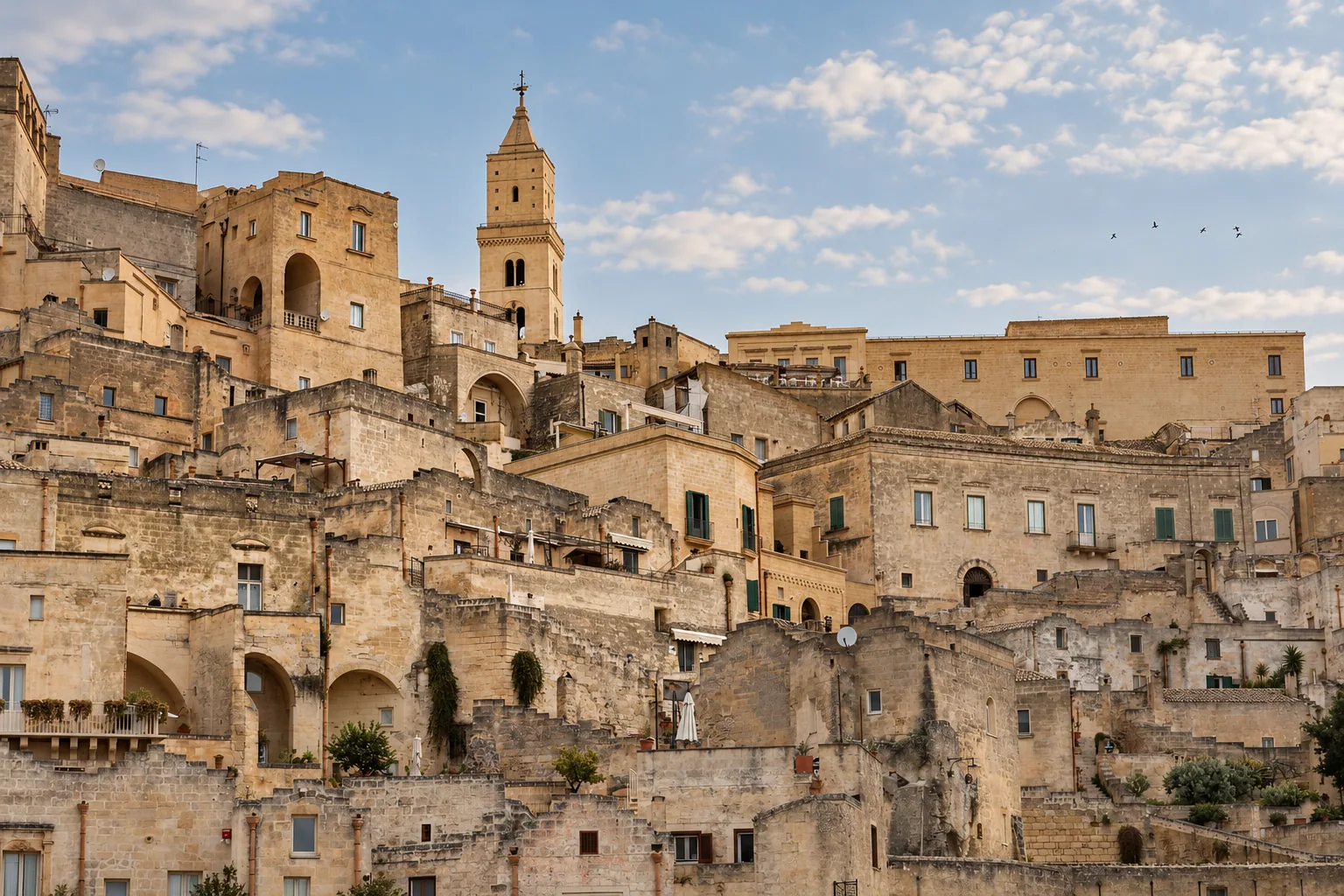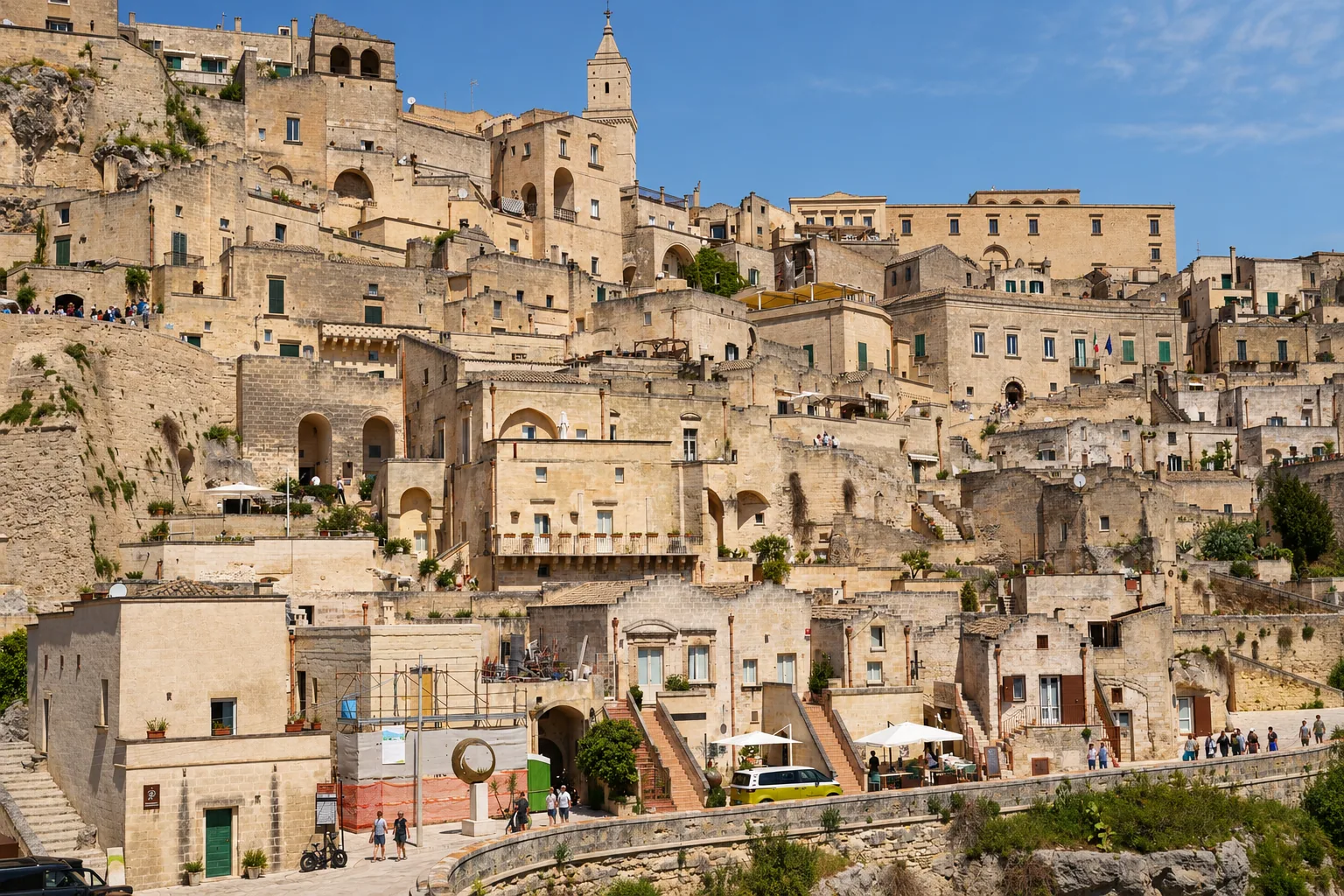
People have lived continuously in these limestone ravine caves since the Paleolithic era, and by the mid-20th century as many as 15,000 people were still crowded into the Sassi without running water or electricity, conditions grim enough that Italy's government forcibly relocated most residents in the 1950s under a national law that branded the district a disgrace.
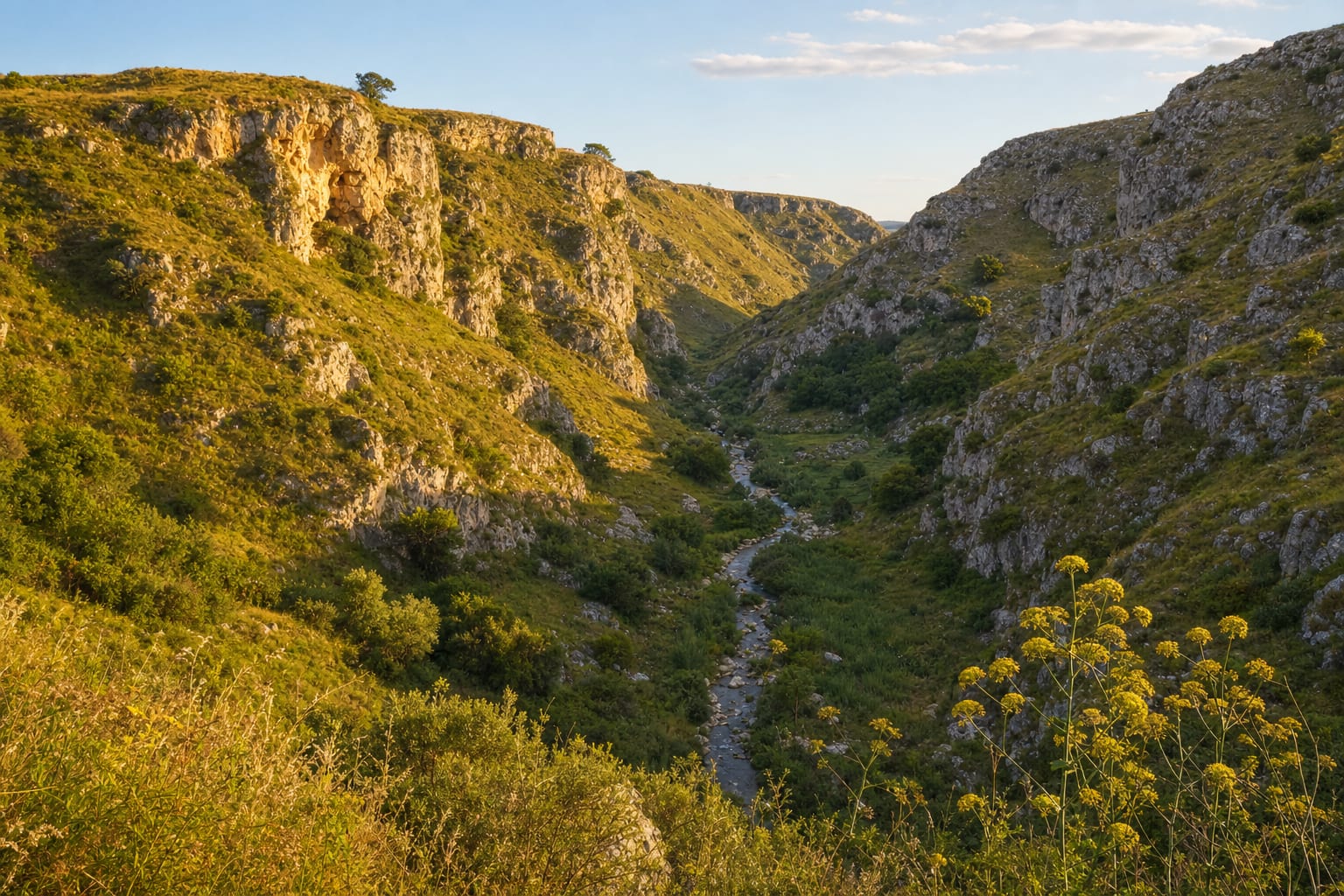
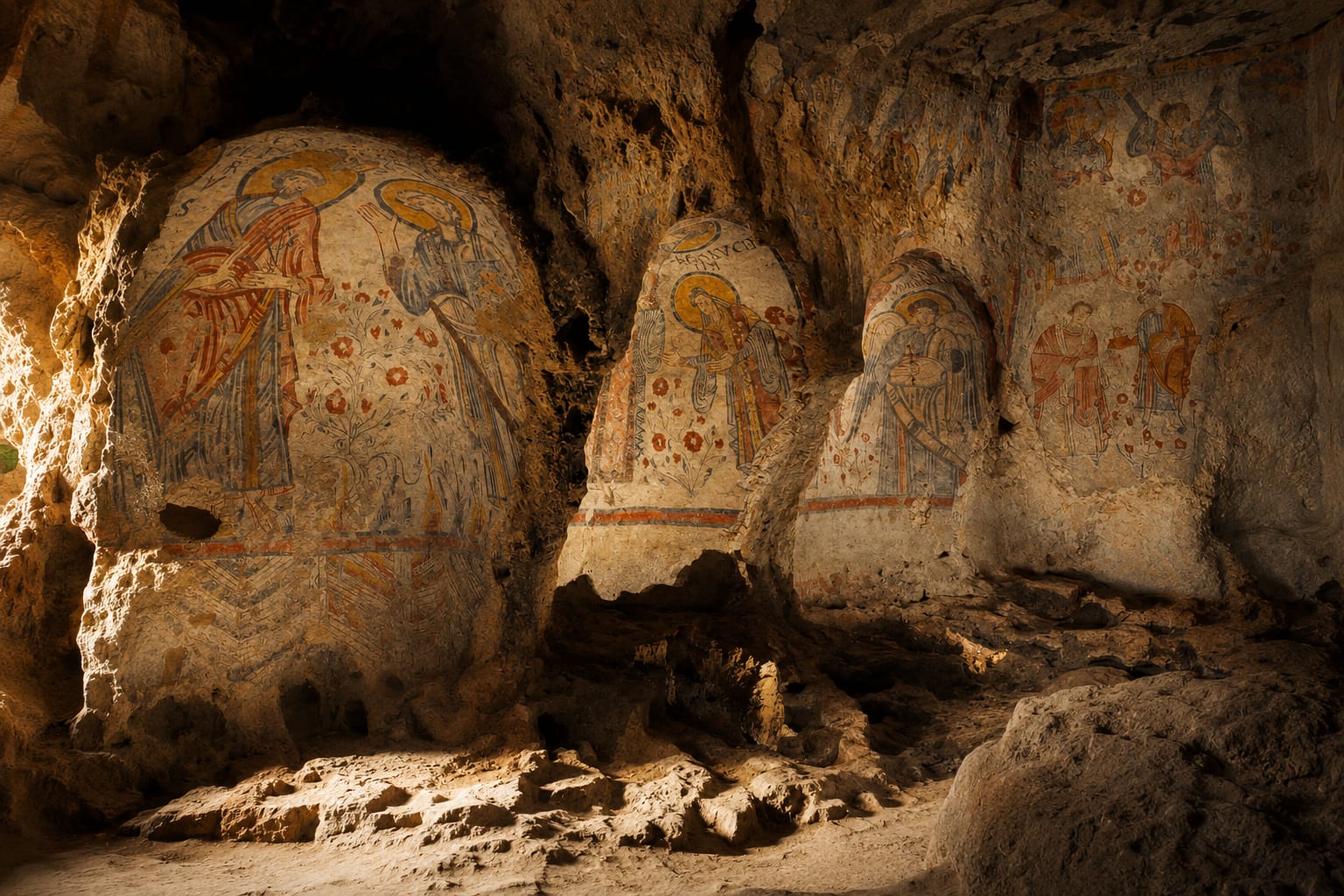
Prime Minister Alcide De Gasperi visited in 1950 and reportedly called the poverty there a shame for Italy. The two quarters, Sasso Caveoso and Sasso Barisano, tumble down opposite sides of a ravine facing the Murgia plateau, honeycombed with rock-cut churches, and since a slow repopulation that began in the 1980s, many caves have been converted into hotels, restaurants, and homes. UNESCO inscribed the Sassi as a World Heritage Site in 1993.
Sources and citations (2)
- UNESCO World Heritage CentreThe Sassi and the Park of the Rupestrian Churches of MateraBrief synthesis and historic-centre urban layersRead source
- Agenzia di Promozione Territoriale della BasilicataThe Sassi districtDistrict descriptionsRead source