Skip to content

Sacro Monte di Orta

Orta's hillside sanctuary of twenty frescoed chapels retelling Saint Francis's life above the lake.

  • Orta San Giulio
  • Church
Where
Orta San Giulio
Best for
Twenty chapels of Saint Francis
Allow
1 hr 30 min
Tickets
Free

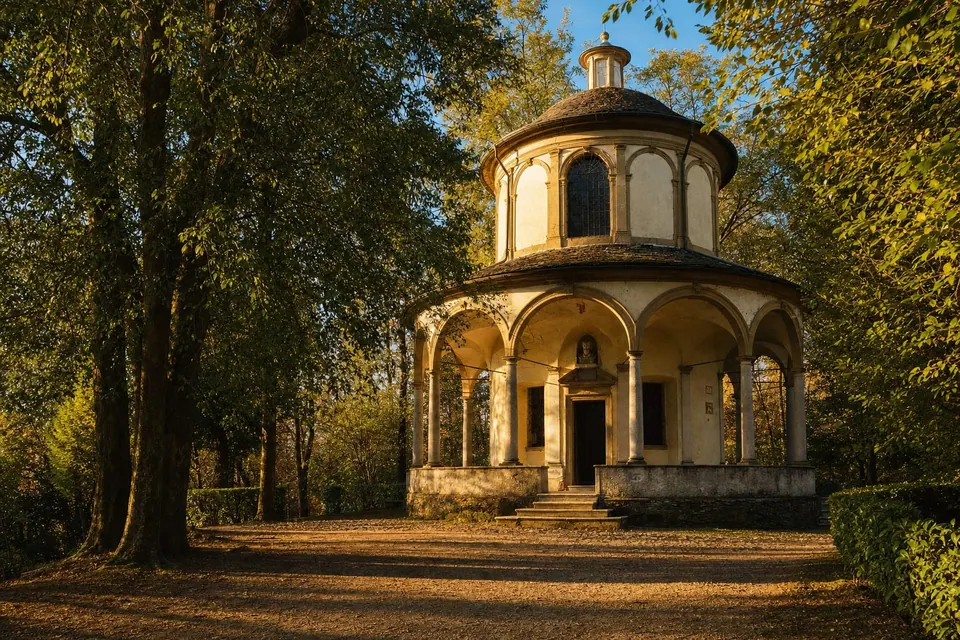
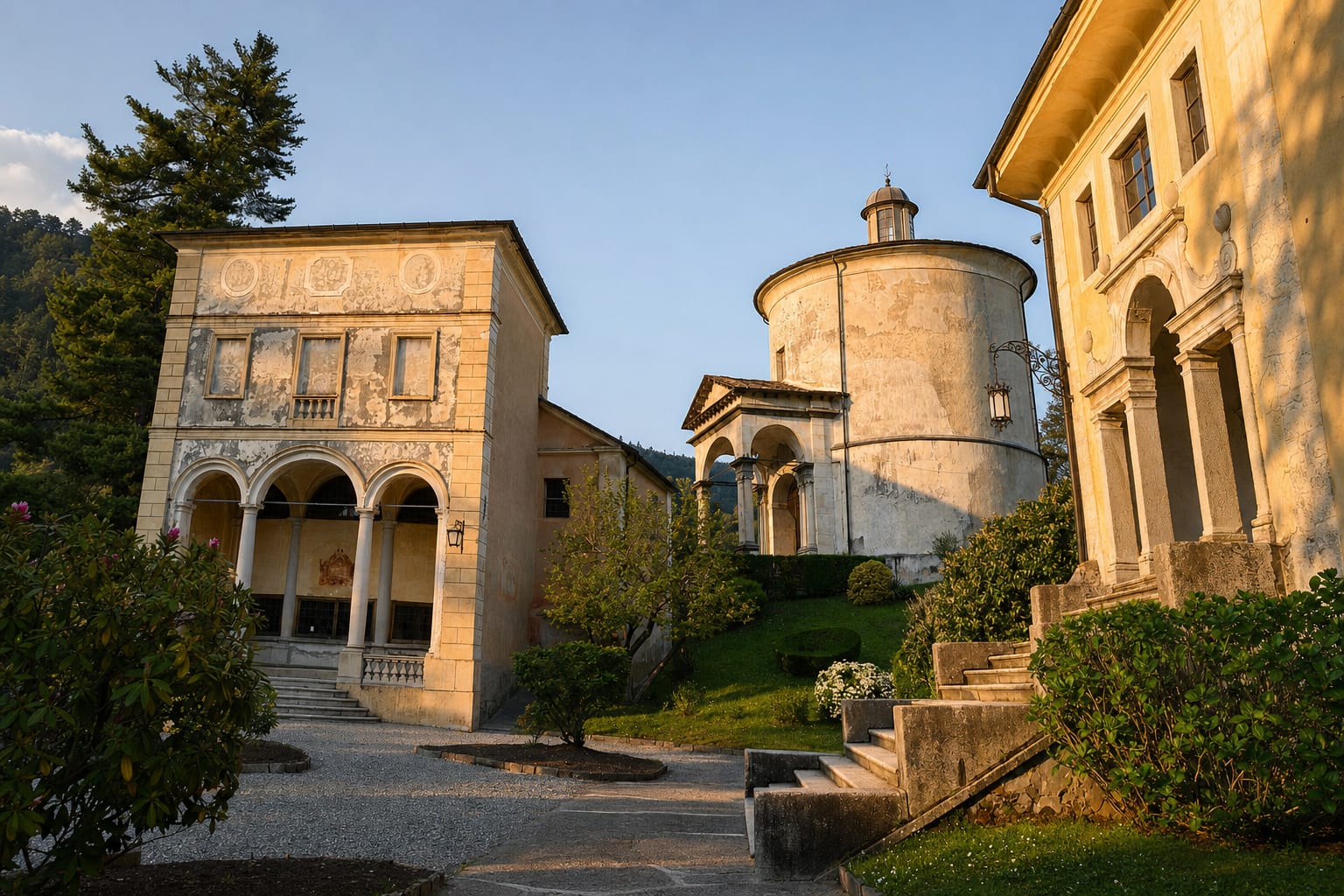
Twenty chapels climb the wooded hill above Orta, built between 1591 and the 1780s so pilgrims could walk the life of Saint Francis of Assisi without leaving Piedmont. Inside each one, life-size terracotta figures act out a scene: the saint preaching to birds, renouncing his father's wealth, receiving the stigmata on La Verna, all set against frescoed skies painted by local artists over two centuries.

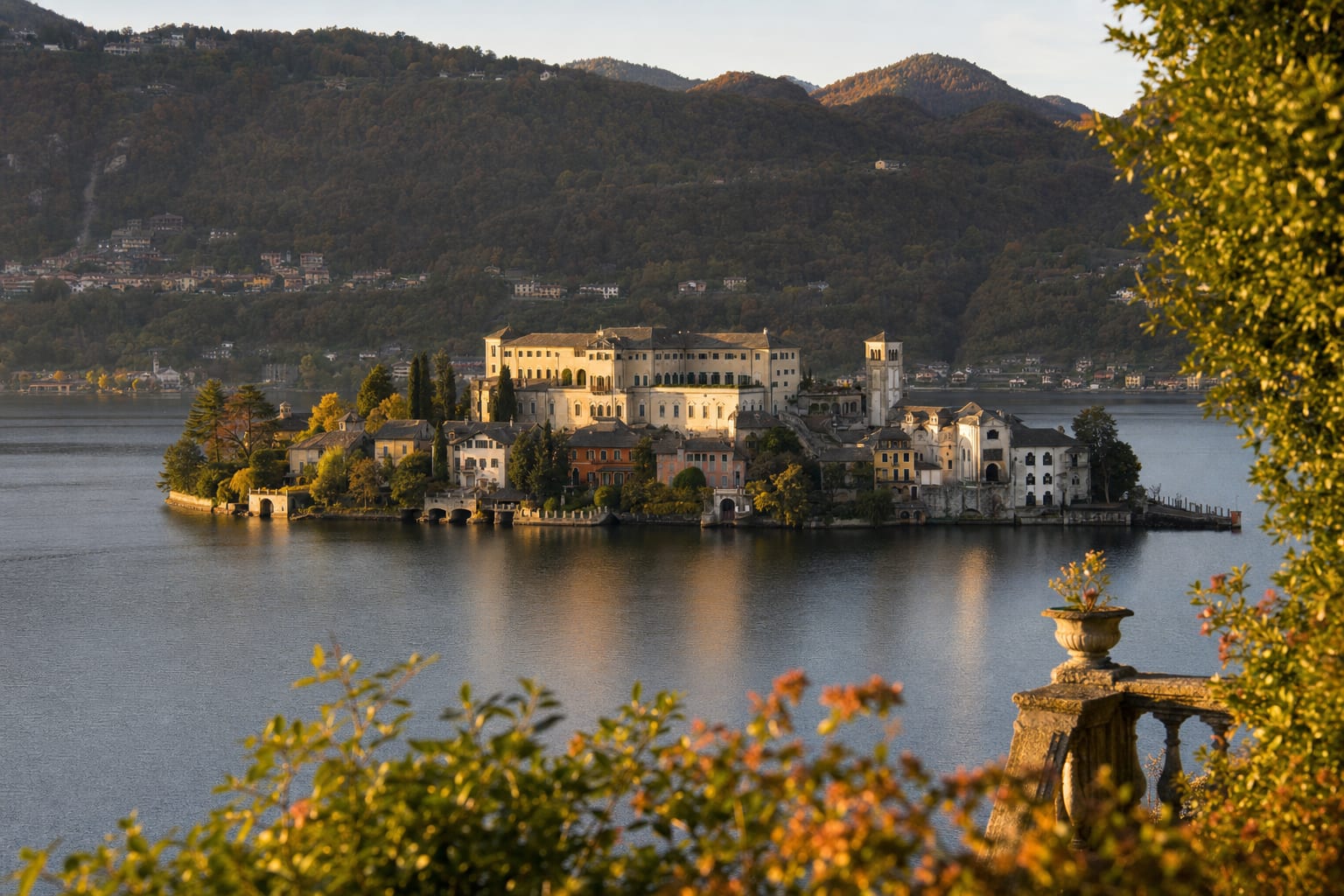
The path between chapels keeps opening onto Lake Orta and the wooded island of San Giulio below, one reason UNESCO listed this Sacro Monte, one of nine such sanctuaries across Piedmont and Lombardy, as a World Heritage Site in 2003. The final chapel and the church of San Nicolao crown the hill; the walk back down into Orta's lakefront takes about twenty unhurried minutes.
Five things worth finding

If you see nothing else, see these.

  1. Saint Francis above the entrance archDionigi Bussola

    The statue that greets you is by the sculptor who served as chief statue-maker at Milan Cathedral, a sign of the ambition behind the whole complex.At the monumental gate, where the path begins

  2. The chapel of Francis's birthCristoforo Prestinari

    The earliest terracotta tableau, with life-size figures, sets the tone for the series: lively, theatrical and deeply human.The first chapel on the path

  3. The chapel of the Victory over TemptationsCarlo Francesco Nuvolone (frescoes)

    Look at how the frescoed background continues the sculpted scene, blurring the line between painted and modeled figures.Halfway up the hill

  4. The church of San Nicolao

    The church that crowns the hill, rebuilt in 1600, is the spiritual center of the sanctuary and a good place to pause.At the top of the hill

  5. Lake Orta and Isola San Giulio from the path

    The trees open onto the lake and the wooded island at several points, one reason UNESCO listed the site in 2003.In the gaps between the chapels

Plan your visit

Everything you need before you go.

Tickets
Free
Booking
No booking needed
Time needed
1 hr 30 min
Best time
Weekday mornings, or the last hour before closing when the lake light turns golden.
Getting there
It is a steep twenty-minute walk uphill from Orta San Giulio's lakefront, or a short walk from Orta-Miasino train station; drivers leave the A26 and park near the entrance (paid parking).
Accessibility
The path between chapels has steps, cobblestones and gravel and is not wheelchair accessible; visitors with limited mobility can reach the church of San Nicolao by car with prior arrangement.

Entry to the chapels and grounds is free. Guided tours in Italian run weekends at 10:30 a.m., 3:30 p.m. and 5 p.m. for €12 (€10 reduced for ages 12-18, 65+ and students; free under 12 and for disabled visitors); reservation recommended.

Come up in the late afternoon after the day-trip buses from the lake cruises have left, and end at the loggia by the last chapel for the clearest view down to Isola San Giulio.

Get directionsGoogle MapsApple Maps

Good to know

How long should you spend at the Sacro Monte di Orta?

Allow about an hour and a half for the walk through the chapels, with time to look into each one. The descent to the lakefront adds roughly another twenty unhurried minutes.

Is the Sacro Monte di Orta worth visiting?

Yes. It is a UNESCO site where the chapels, the sculpture and the lake views come together, and it is a calm, shaded walk right above Orta.

Do you need to book the Sacro Monte di Orta?

No, it is an open path you can enter freely. Go on a weekday morning, or in the last hour before closing when the light over the lake turns golden.

A letter from Italy, once a month.

The places, tables and makers we found worth your time. One email, no noise.

One letter a month. Unsubscribe at any time. We never share your address.

Help us get it right

What is it about?