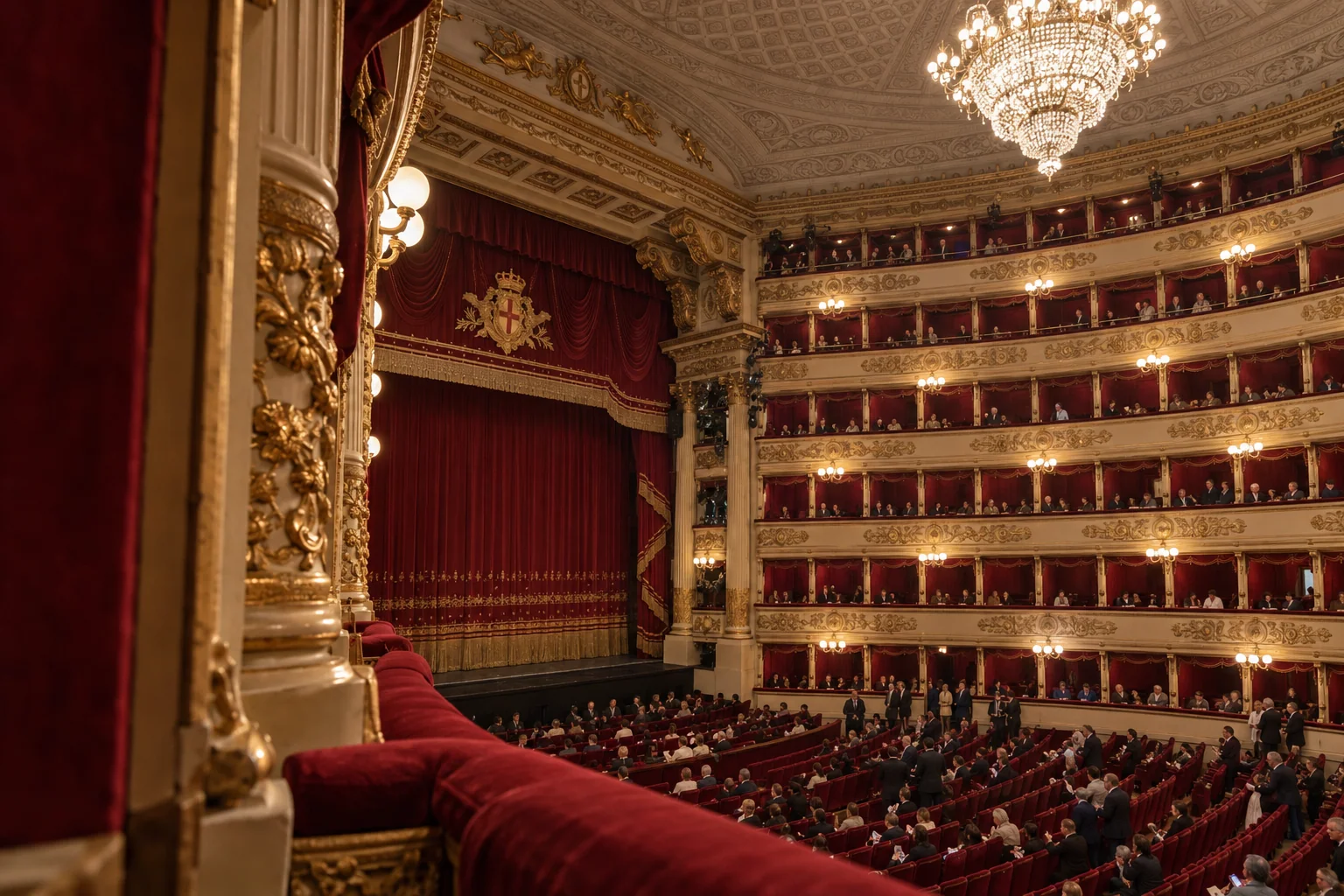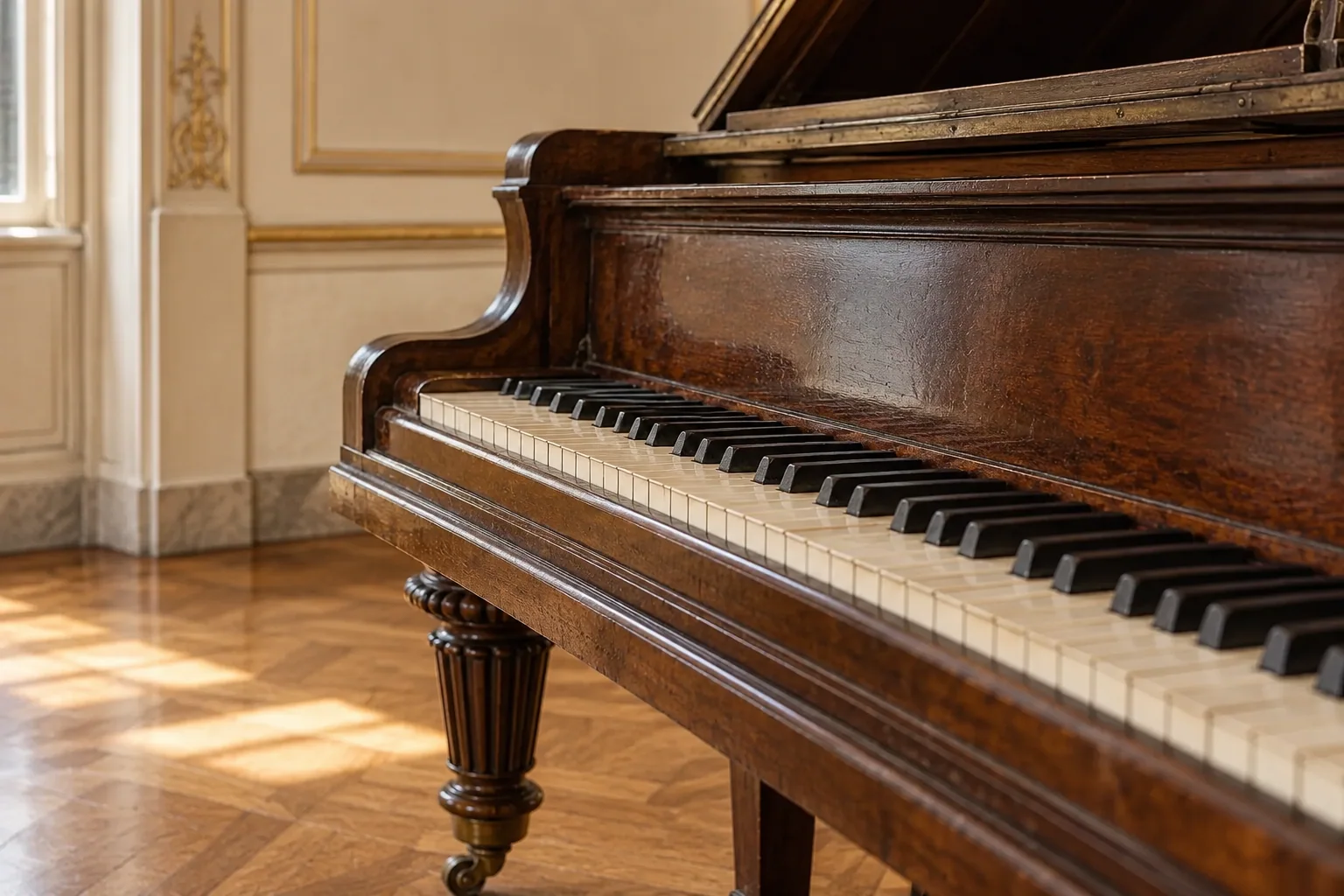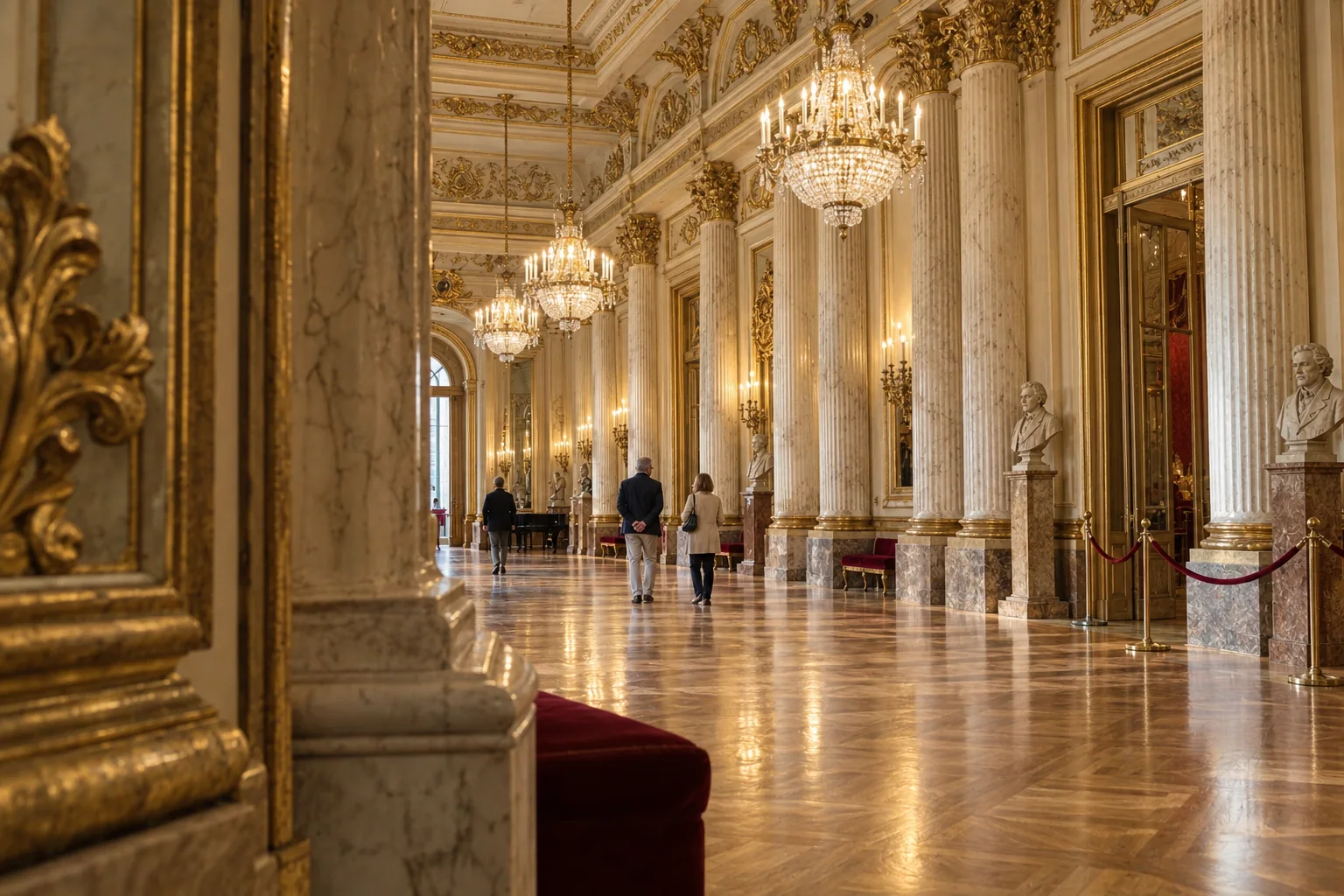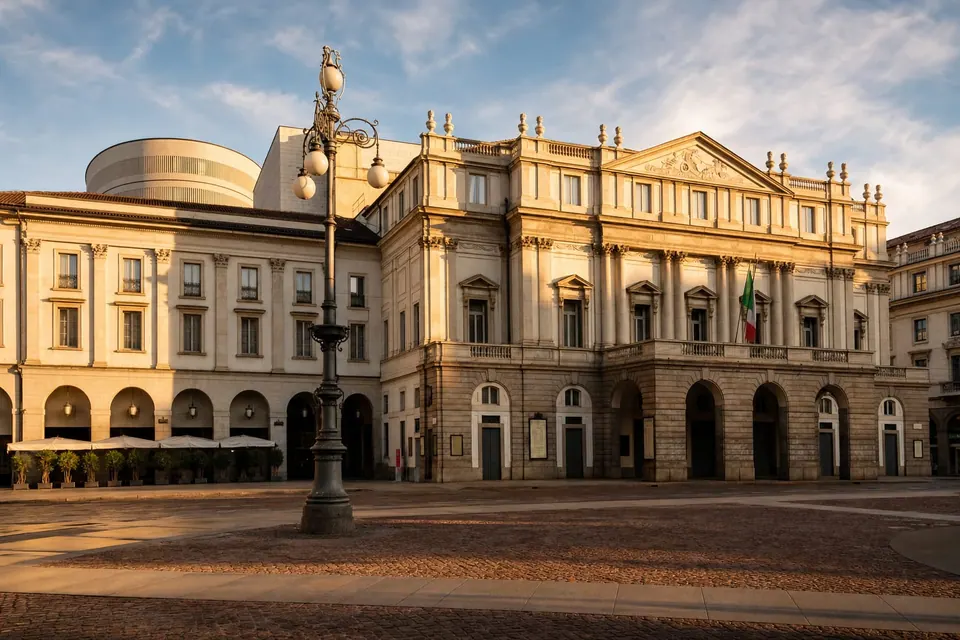
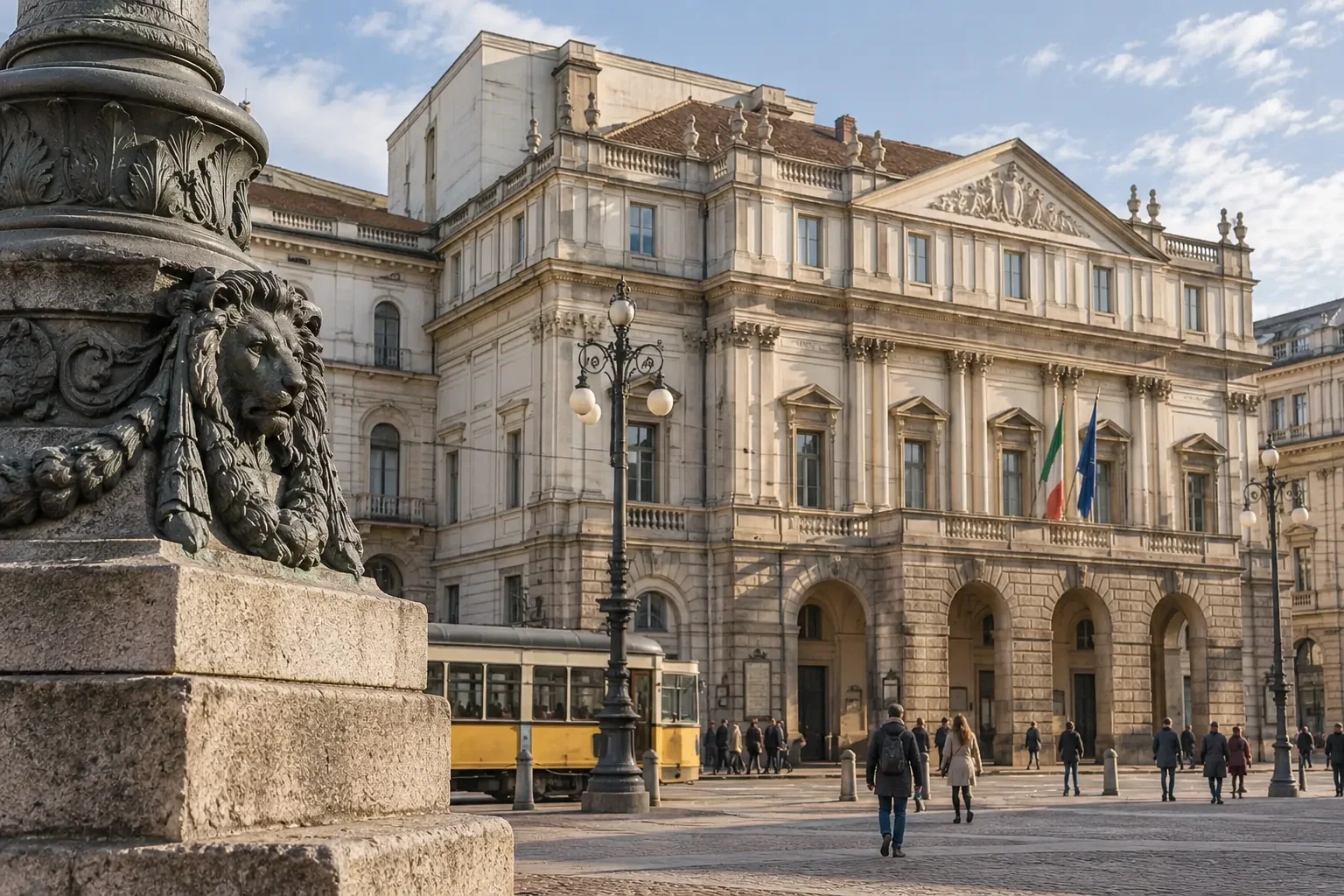
La Scala opened in 1778 to replace Milan's Royal Ducal Theatre, destroyed by fire the year before, and Giuseppe Piermarini gave it a restrained Neoclassical shell that hid one of the most demanding opera houses in the world behind a modest facade. Rossini and Verdi both built their reputations here, and Arturo Toscanini's celebrated 1946 reopening concert, staged after Allied bombing gutted the theatre in 1943, became one of postwar Italy's defining cultural moments. A careful 2002 to 2004 restoration modernized the stage machinery while preserving the horseshoe auditorium's gilded boxes and famously unforgiving acoustics, where singers know within a few notes whether the house is on their side. The adjoining Museo Teatrale, founded in 1911, holds instruments, costumes, portraits and Verdi memorabilia, and its ticket includes a discreet look into the theatre itself from a box on the third tier.
A Milan performance institution founded to replace the fire-damaged Royal Ducal Theatre, rebuilt after the 1943 bombing and modernised in the early 2000s.
Sources and citations (3)
- Teatro alla ScalaHistory timeline1776 / Giuseppe PiermariniRead source
- Teatro alla ScalaFranco Fantini's life at La Scala: memoryOpening paragraphsRead source
- Museo Teatrale alla ScalaIl Museo TeatralePage 2, opening paragraphRead source