Skip to content

National Archaeological Museum of Abruzzo

Chieti's museum of the Warrior of Capestrano, a 6th-century BC disk-hatted Picene funerary statue.

  • Chieti
  • Museum
Where
Chieti
Best for
Warrior of Capestrano statue
Allow
1 hr 15 min

A farmer's plow struck Italy's strangest surviving ancient statue in 1934: a Picene funerary monument to a king named Nevio Pompuledio, carved around the sixth century BC in limestone, shown with arms crossed over his armor and crowned by an enormous disk-shaped hat found nowhere else in ancient Italian sculpture.

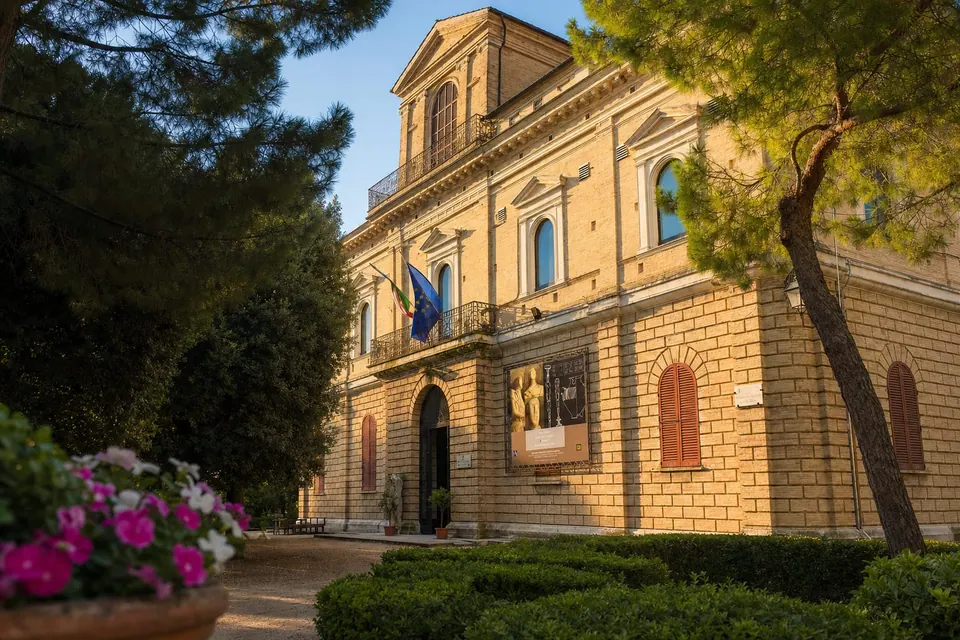
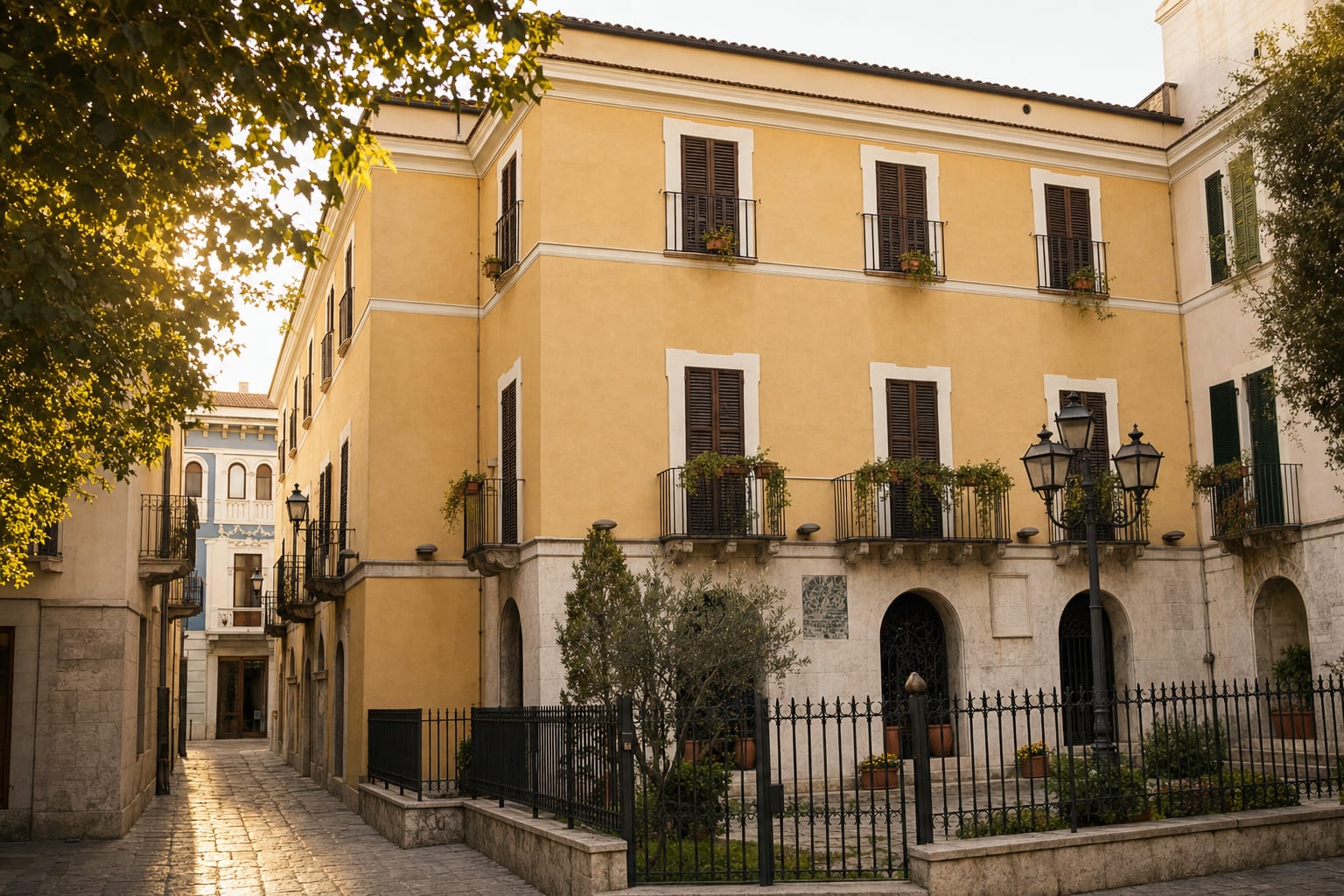
Known as the Warrior of Capestrano for the necropolis where it was found, the statue anchors this museum's collection as the emblem of pre-Roman Abruzzo, housed since 1959 in Villa Frigerj, a neoclassical building from around 1830. Galleries beyond the Warrior span prehistory through the late Roman Empire, including the Pansa Collection and a numismatic collection of some fifteen thousand coins, and the museum now welcomes a modest but steady stream of visitors each year to a region far less touristed than Rome or Naples to its west and south.
Five works worth finding

If you see nothing else, see these.

  1. The Warrior of CapestranoPicene limestone statue of King Nevio Pompuledio, 6th century BC

    A funerary statue with arms crossed over his armor and an enormous disk-shaped hat, unlike anything else in ancient Italian sculpture.Room at the entrance, designed by Mimmo Paladino

  2. The female torso and stelae of Penna Sant’AndreaItalic sculptors, 6th century BC

    The Capestrano female torso and three funerary stelae inscribed in South Picene give a rare look at pre-Roman Abruzzo.First floor, Italic sculpture

  3. Hercules EpitrapeziosRoman, 1st century BC

    A colossal statue found at Alba Fucens, the star of the Roman sculpture gallery.Entrance hall

  4. The Pansa CollectionCollected by Giovanni Pansa (1865 to 1929)

    Bronzes, jewelry, glass, ivories, helmets and brooches from Italic peoples.Ground floor

  5. The coin collectionFrom the 4th century BC to the 19th century

    About fifteen thousand coins found in Abruzzo, including a gold aureus of Galba.Ground floor

Plan your visit

Everything you need before you go.

Booking
No booking needed
Time needed
1 hr 15 min
Best time
A weekday morning, when the galleries around the Warrior are quietest
Getting there
In Villa Frigerj on Via Guido Costanzo in Chieti, a short taxi or bus ride from Chieti's train station.

Walk all the way around the Warrior's case: the disk hat and crossed arms read completely differently from the back than from the front, and most visitors only see the front view.

Get directionsGoogle MapsApple Maps

Good to know

How long should you spend at the National Archaeological Museum of Abruzzo?

About an hour and a quarter. The Warrior room and the first-floor Italic sculpture take most of the time. Add time if you want the coin room and the Pansa Collection.

Where can you see the Warrior of Capestrano?

At the National Archaeological Museum of Abruzzo in Chieti, in a room at the entrance designed by the artist Mimmo Paladino. The statue has left for exhibitions in the past, so check that it is on display before you plan around it.

Is the Abruzzo archaeological museum worth visiting?

Yes, for the Warrior alone, the emblem of pre-Roman Abruzzo. The museum sits in a neoclassical villa in Chieti, a region far less touristed than Rome or Naples. It pairs well with the other archaeological sites in Chieti.

A letter from Italy, once a month.

The places, tables and makers we found worth your time. One email, no noise.

One letter a month. Unsubscribe at any time. We never share your address.

Help us get it right

What is it about?