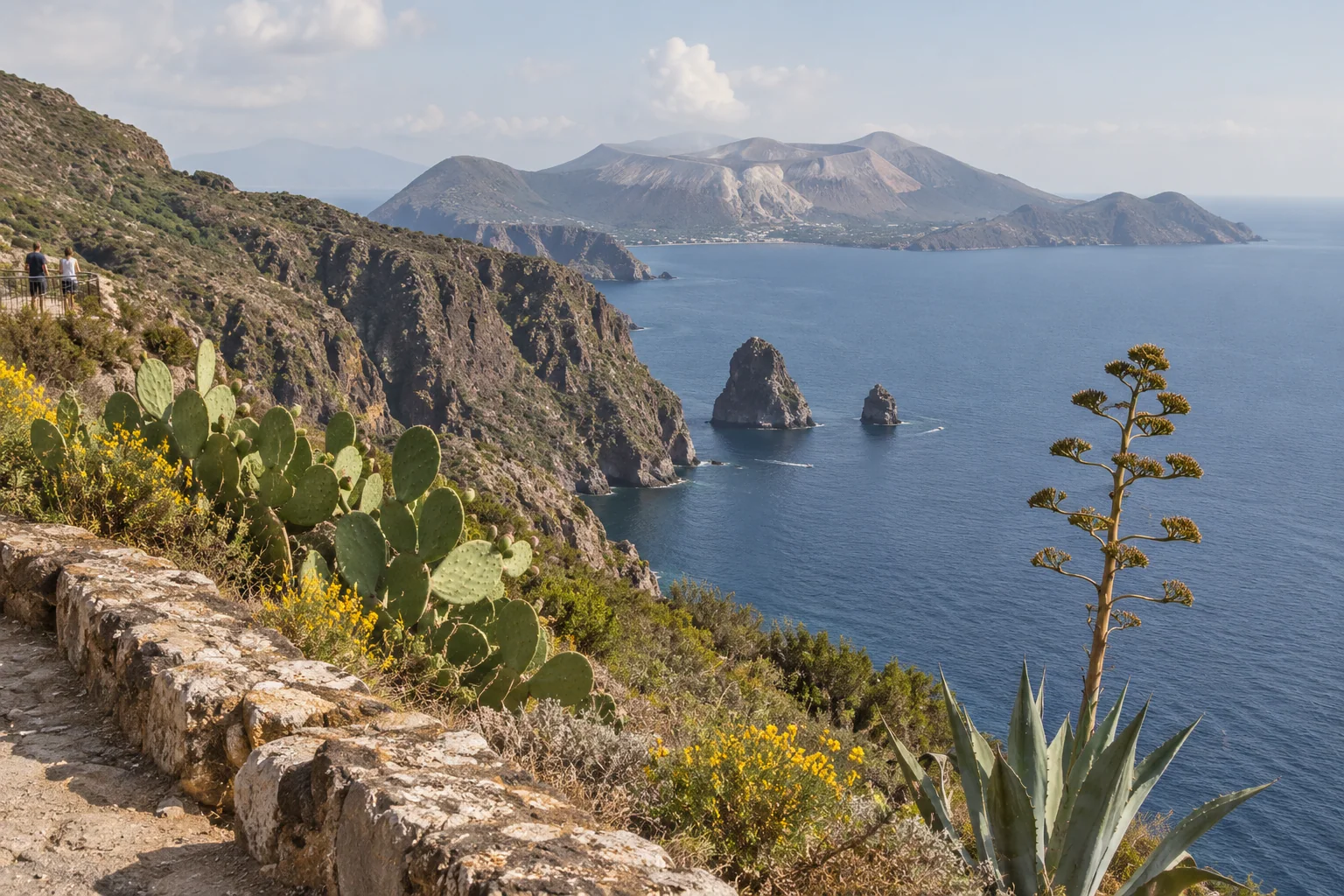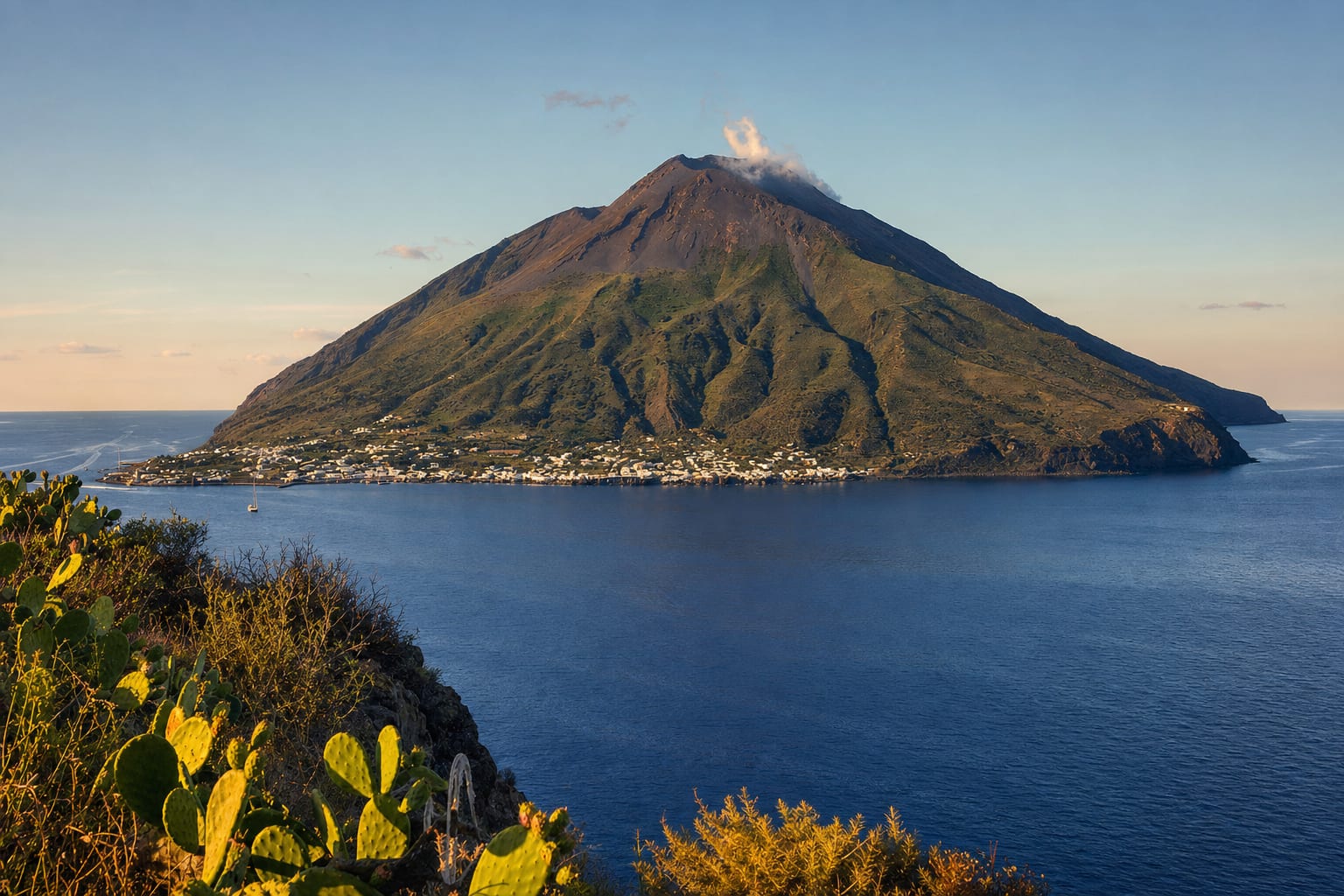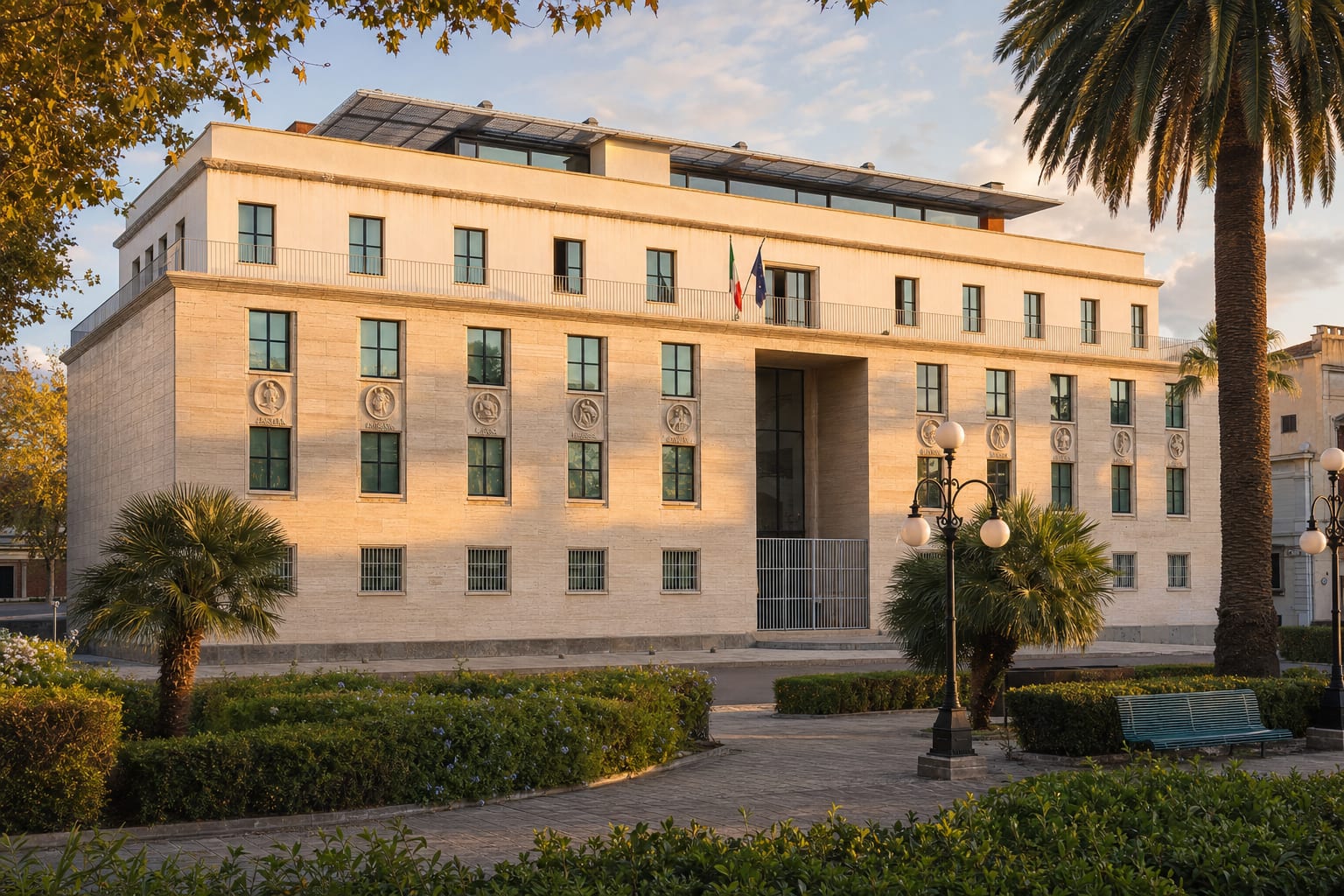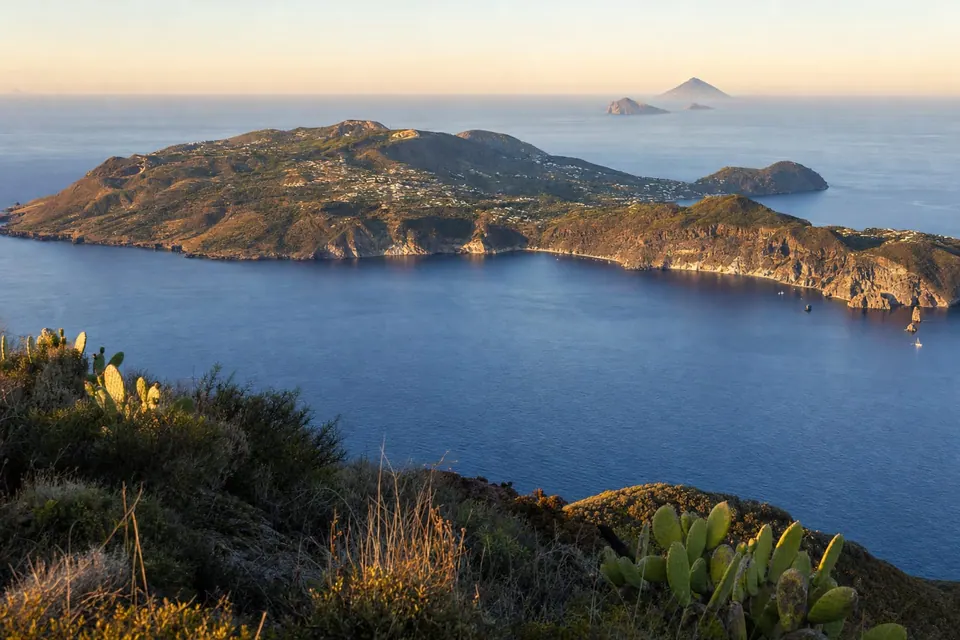
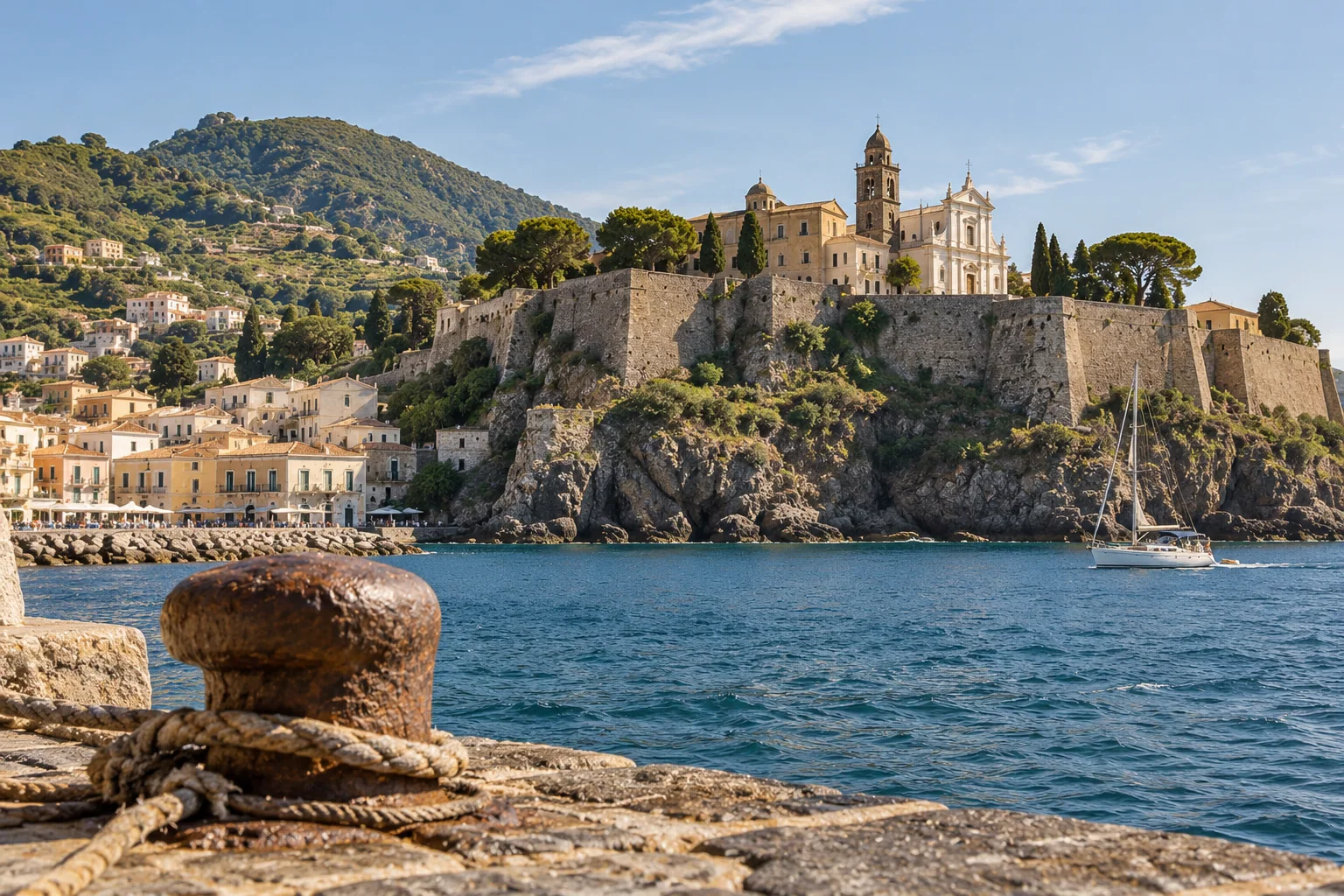
Lipari is the largest and most populated of the Aeolian Islands, and its walled acropolis, rebuilt in the 16th and 17th centuries over foundations reaching back to Greek and Roman times, still gathers a cathedral and one of the Mediterranean's most respected small archaeology museums inside a single fortified enclosure above the harbor.
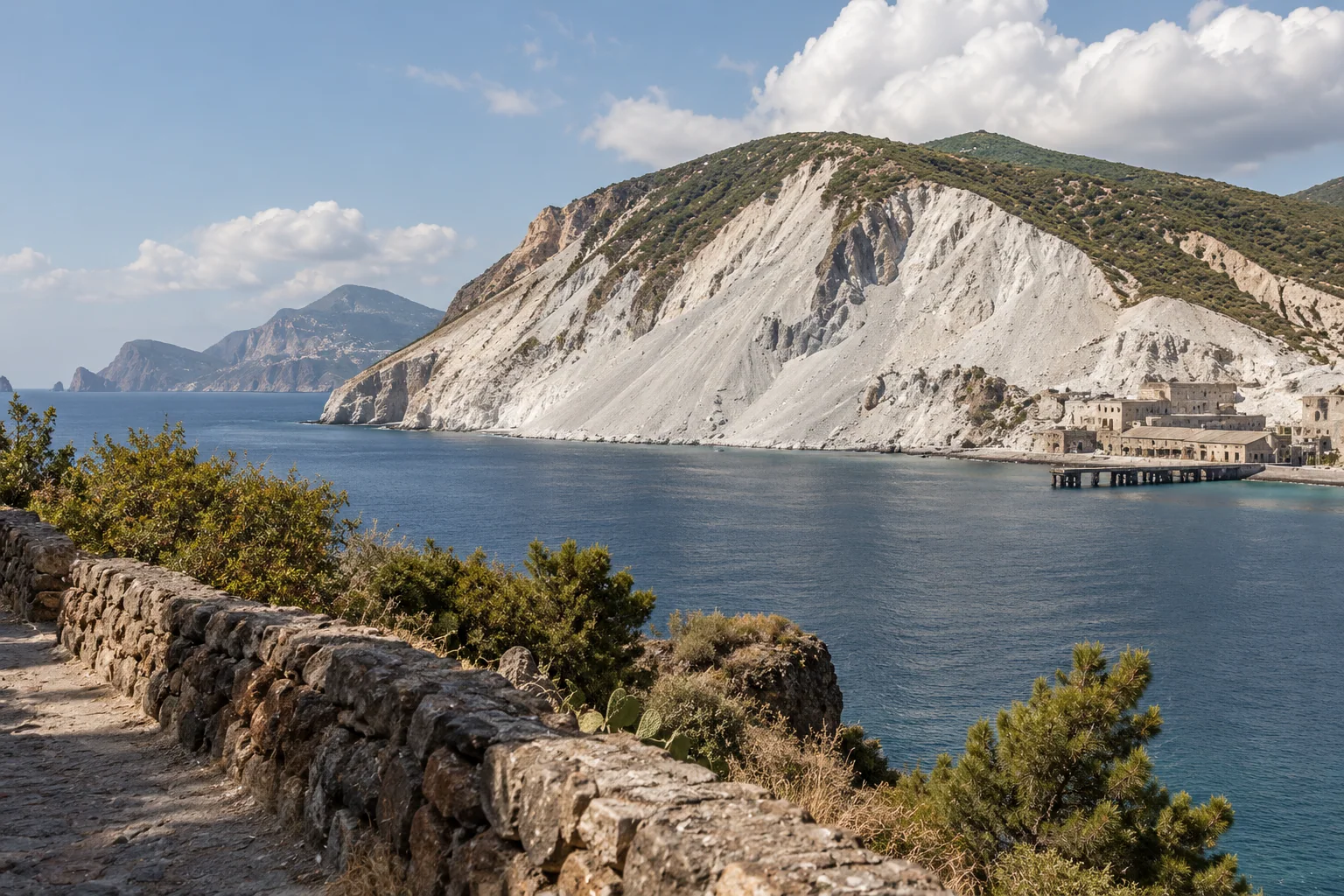
The Museo Archeologico Regionale Eoliano lays out finds from layer upon layer of settlement stretching back some six thousand years, evidence of how early this obsidian rich island attracted trade long before recorded history. That volcanic geology is still visible everywhere around the coast: white pumice quarries and beaches on one side of the island contrast sharply with black obsidian flows on the other, a stark two tone geology that also once made Lipari's obsidian a prized Neolithic trade good, sharp enough to cut and valuable enough to travel across the whole Mediterranean basin.
Sources and citations (2)
- UNESCO World Heritage CentreAeolian IslandsWorld Heritage property recordRead source
- Comune di LipariIsola di Lipari: storia e cultura delle Isole EolieIsland overviewRead source