Skip to content

Archaeological Area of Aquileia

The excavated remains, and vast unexcavated reserve, of the Roman trading city of Aquileia.

  • Aquileia
  • Archaeological site
Where
Aquileia
Best for
Roman river port
Allow
2 hours
Tickets
Free

Rome founded Aquileia in 181 BCE on the Natissa river, and it grew into one of the empire's largest cities, a trading hub linking the Mediterranean to central Europe, before Attila's Huns destroyed it in 452.

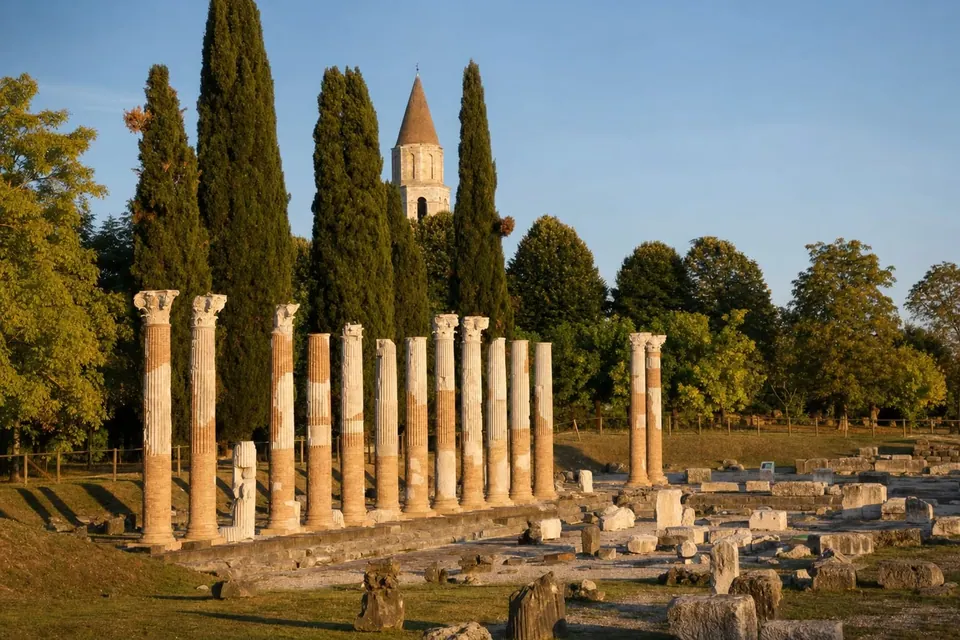
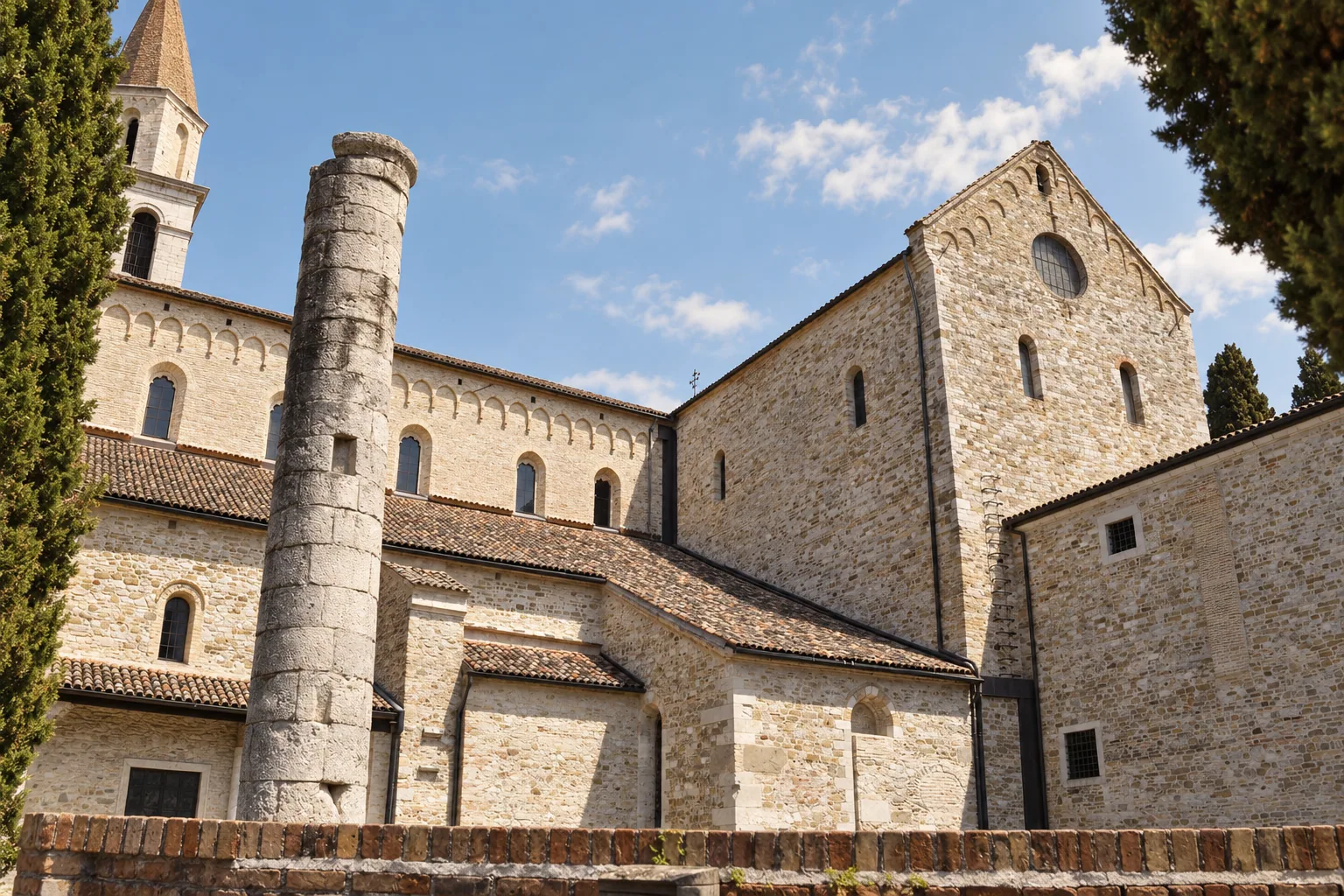
The excavated area preserves stretches of the forum colonnade, a Roman basilica, late-antique warehouses (horrea), baths, residential complexes and the remains of the river port that made the city rich, while most of ancient Aquileia is thought to still lie unexcavated beneath the fields and the modern town. It forms part of a wider UNESCO listing alongside the separately managed Patriarchal Basilica, whose floor mosaics are the largest of their kind anywhere in the West.

Sources and citations (2)
  1. UNESCO World Heritage CentreArchaeological Area and the Patriarchal Basilica of AquileiaProperty identity and criteriaRead source
  2. UNESCO Ufficio Patrimonio MondialeArchaeological Area and the Patriarchal Basilica of AquileiaProject overviewRead source
Four things worth finding

If you see nothing else, see these.

  1. The river port and the Via SacraRoman port, 1st century BC and later

    The quay and its embankment are what remains of the harbor that made Aquileia rich.Along the old course of the Natissa river

  2. The forum colonnadeRoman forum, rebuilt with columns

    A row of columns with their bases marks the long forum, still a wide open space.City center, Roman forum area

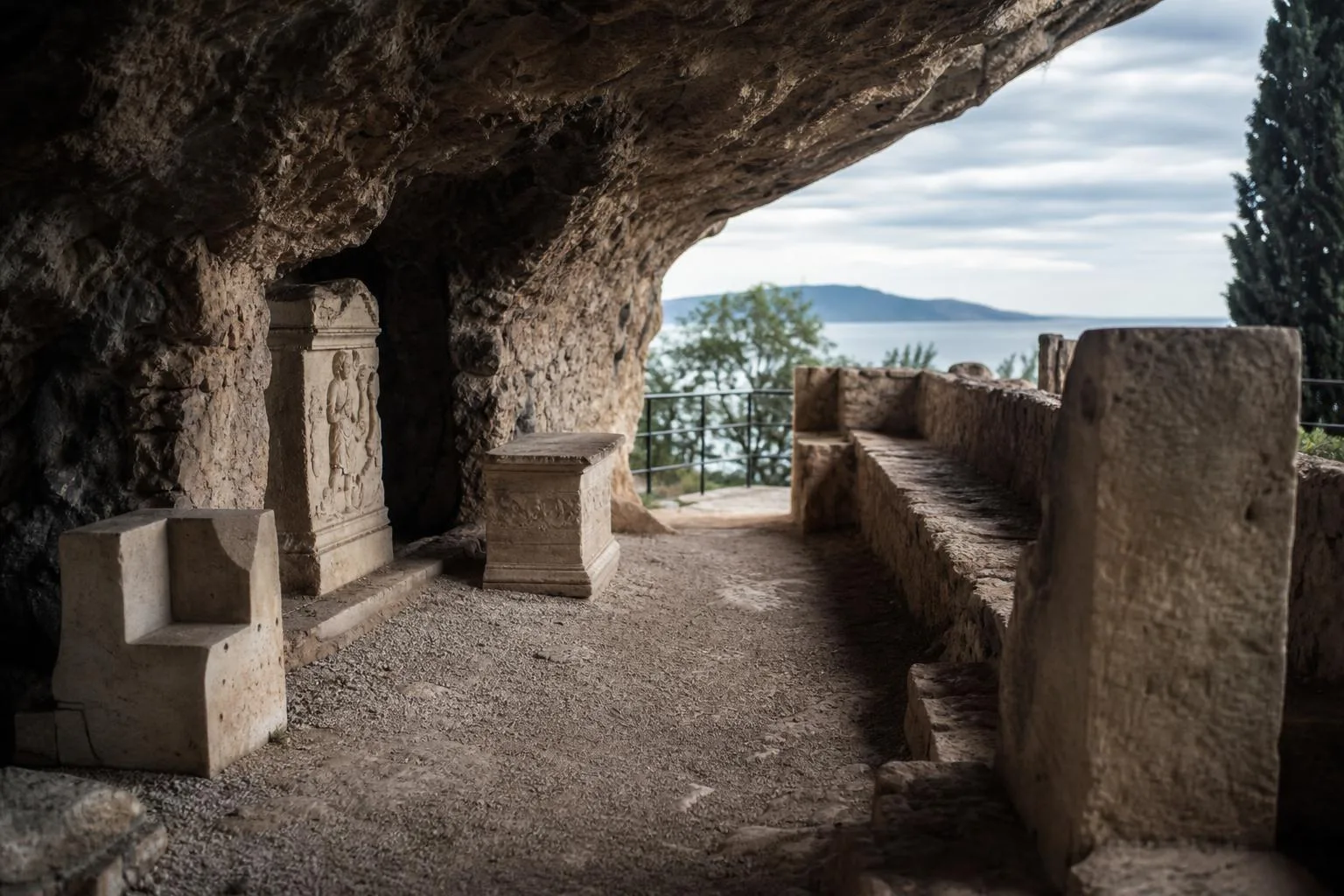
  3. The Roman cemeteryFunerary monuments along a Roman road

    A stretch of tombs and monuments shows how the dead were lined up beside the main road out of town.Along the ancient road

  4. The National Archaeological MuseumMosaics, portraits, glass and amber

    The museum holds the finest finds from the city, including mosaics, portrait busts, glassware and carved amber.

Plan your visit

Everything you need before you go.

Tickets
Free
Booking
No booking needed
Time needed
2 hours
Best time
Early morning or the hour before sunset, for the light and to skip midday heat
Getting there
Aquileia is reached by road from Trieste or Udine; the archaeological area and the basilica are both within easy walking distance of the town's small center and free parking areas.

The open-air archaeological areas are free and need no reservation. The National Archaeological Museum charges separately; confirm current museum pricing before visiting.

Stop first at the information point on Via Iulia Augusta: the excavated area is spread across several separate fields without a single obvious walking route, and the free map they hand out saves real backtracking.

Get directionsGoogle MapsApple Maps

Good to know

How long should you spend at the Archaeological Area of Aquileia?

Allow about two hours for the forum, the port and a stretch of the excavated area. Add time if you also visit the basilica and the museum, which are separate.

Is Aquileia worth visiting?

Yes, especially with the basilica next door, whose early Christian floor mosaics are among the largest of their kind in the West. The ruins are quiet, and most of the ancient city still lies under the fields.

Can you see Aquileia and Grado in one day?

Yes. Grado is the nearby lagoon town, so you can spend the morning on the Roman remains and the basilica and the afternoon by the water. A car makes it easier.

A letter from Italy, once a month.

The places, tables and makers we found worth your time. One email, no noise.

One letter a month. Unsubscribe at any time. We never share your address.

Help us get it right

What is it about?